
A mid-range Tanzania safari in 2026-2027 generally costs between $3,500 and $6,500 per person for a standard 7-day itinerary. This budget provides a comfortable and memorable experience, balancing quality accommodations, reliable transportation, excellent guiding, and access to prime wildlife viewing areas like the Serengeti and Ngorongoro Crater. The final price is highly dependent on the specific parks visited, the duration of your safari, the chosen accommodation style (mid-range lodges and tented camps), and the inclusions offered by your tour operator.
Understanding Mid-Range Safari Costs in Tanzania for 2026-2027
Planning a safari to Tanzania is an exciting prospect, promising unparalleled wildlife encounters and impressive landscapes. When considering the expense, understanding what constitutes a “mid-range” safari is crucial. For 2026 and 2027, a mid-range Tanzania safari aims to provide a high-quality experience without venturing into the ultra-luxury segment. This means comfortable, well-appointed accommodations, experienced guides, private 4×4 safari vehicles, and a thoughtfully crafted itinerary that maximizes wildlife viewing opportunities. The cost is influenced by a multitude of factors, each playing a significant role in the overall budget. As you plan for 2026 or 2027, breaking down these components will help you allocate your funds effectively and ensure you get the best value for your adventure.
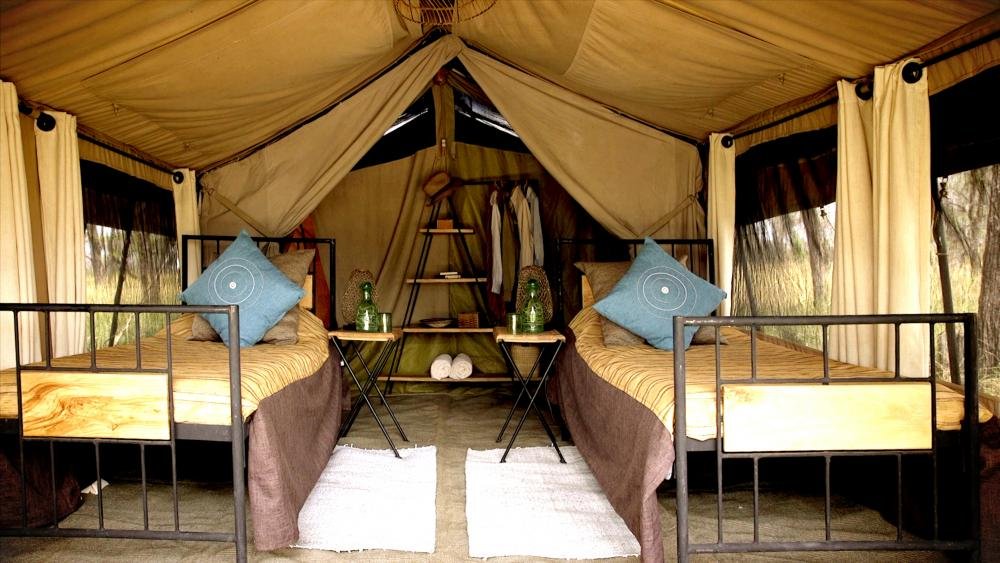
The core of a mid-range safari experience involves a blend of comfort and authenticity. You’ll typically stay in lodges or permanent tented camps that offer private bathrooms, comfortable beds, and good service, often situated in prime locations for game viewing. While not always boasting infinity pools or gourmet dining found in luxury options, these accommodations are clean, safe, and provide a relaxing retreat after a day in the bush. The guiding team is professional and knowledgeable, and the vehicle is usually a private 4×4 Land Cruiser or Land Rover, essential for navigating park tracks and providing excellent viewing opportunities.
Key Cost Determinants for a Mid-Range Tanzania Safari (2026-2027):
- Duration: Longer safaris naturally incur higher costs due to more days of accommodation, park fees, and guide services.
- Itinerary/Parks Visited: Some parks, like the exclusive Serengeti and Ngorongoro Crater, have higher daily conservation fees than others. Visiting multiple parks also increases costs.
- Accommodation Type: Mid-range lodges and tented camps offer a significant step up from budget options, impacting the price.
- Group Size & Private vs. Shared: While this guide focuses on mid-range, which often implies private vehicles, the number of people sharing a vehicle can slightly adjust per-person costs.
- Seasonality: Peak seasons (like the Great Migration months) can see slightly higher prices due to demand.
- Inclusions: What is covered (meals, park fees, activities, transfers) significantly affects the quoted price.
For travelers looking at 2026 or 2027, it’s wise to book well in advance, especially for popular periods. Understanding these elements will demystify the pricing and help you budget accurately for your dream Tanzanian safari.
Deconstructing the Mid-Range Safari Price: What You’re Paying For
When you receive a quote for a mid-range Tanzania safari, it’s not just a single number. It’s an aggregation of various services and operational costs designed to deliver a smooth and unforgettable wildlife experience. For 2026-2027 trips, understanding these components helps justify the investment and allows for informed comparisons between different tour operators. Top Guide Adventures, for example, prides itself on transparent pricing, ensuring clients know exactly what their safari investment covers.
Park Fees and Conservation Levies
This is often one of the largest single cost components of any Tanzanian safari. The Tanzanian government levies substantial fees for entry and habitation within its national parks and conservation areas. These fees are non-negotiable and are collected daily. For a typical 7-day mid-range safari in 2026-2027 covering popular northern circuit parks, expect to pay:
- Serengeti National Park: Approximately $70-$80 per person per day.
- Ngorongoro Conservation Area: Approximately $70-$80 per person per day for the conservation area fee, plus a vehicle entry fee and crater service fee (around $300 per vehicle for the crater).
- Tarangire National Park: Approximately $50-$60 per person per day.
- Lake Manyara National Park: Approximately $50-$60 per person per day.
- Arusha National Park: Approximately $30-$40 per person per day.
These fees are essential for park management, anti-poaching efforts, and wildlife conservation, directly contributing to the preservation of the incredible ecosystems you’ll be visiting in 2026 or 2027.
Accommodation Costs
Mid-range lodges and tented camps in Tanzania are chosen for their quality, location, and service. These aren’t basic shelters; they offer comfortable rooms or tents with en-suite bathrooms, hot water, electricity (often generator-powered for set hours), and good dining facilities. Expect to pay anywhere from $150 to $350 per person per night for these types of accommodations, depending on the specific property and its amenities. This price typically includes dinner, bed, and breakfast, or sometimes full board (all meals).
Examples of mid-range accommodations might include:
- Serengeti: Seregenti Kati Kati Camp, Serengeti Acacia Central Camp, Kubu Kubu Tented Lodge (can sometimes lean towards upper mid-range).
- Ngorongoro: Rhino Lodge, Ngorongoro Sopa Lodge (can lean towards upper mid-range).
- Tarangire: Tarangire Sopa Lodge, Tarangire Osupuko Lodge.
- Lake Manyara: Lake Manyara Serena Safari Lodge, Kirurumu Manyara Lodge.
The specific lodges chosen significantly impact the overall safari cost. Top Guide Adventures works with a selection of reputable mid-range lodges that consistently deliver excellent guest experiences for 2026-2027 travelers.
Vehicle and Guide Services
For a mid-range safari, you’ll almost certainly be provided with a private 4×4 safari vehicle (typically a Toyota Land Cruiser or Land Rover) equipped with pop-up roofs for optimal game viewing. This is crucial for comfort, maneuverability in off-road conditions, and ensuring everyone has a good view. The cost of hiring such a vehicle, along with a professional, experienced safari guide, is a substantial part of the budget. This usually accounts for around $300-$500 per day for the vehicle and guide.
Your guide is your gateway to understanding the wildlife, ecosystem, and local culture. A good guide enhances the safari immeasurably. This daily rate covers the vehicle hire, fuel, guide’s salary, and maintenance. The exclusivity of a private vehicle means you can stop when you want, spend more time at sightings, and tailor the pace of your safari to your interests, a key benefit for mid-range travelers in 2026-2027.
Meals and Drinks
Most mid-range safari packages include full board (breakfast, lunch, and dinner) at lodges and tented camps. Lunches are often picnic-style when you are out in the parks all day. The cost of these meals is factored into the accommodation rate. Drinks, however, can be an extra expense. While water is usually provided in the vehicle, alcoholic beverages, sodas, and juices at lodges are typically charged separately. Budget an additional $10-$30 per person per day for drinks, depending on your consumption habits.
Other Operational Costs
Beyond the main components, tour operators like Top Guide Adventures incur other operational costs that are reflected in the price. These include:
- Staff salaries: Including office staff, logistics managers, and drivers/guides.
- Vehicle maintenance and insurance.
- Office overheads and communication.
- Marketing and booking platform fees.
- Contingency for unforeseen issues.
These are essential for running a reputable and reliable tour company, ensuring smooth operations for your 2026-2027 safari.
Typical Mid-Range Tanzania Safari Itinerary Costs (7 Days)
To provide a concrete understanding of how costs break down, let’s consider a popular 7-day Northern Circuit safari itinerary for 2026-2027. This route is a classic for a reason, offering a high concentration of wildlife and diverse landscapes.
Example Itinerary: 7-Day Northern Circuit Explorer
- Day 1: Arrive Kilimanjaro International Airport (JRO), transfer to Arusha. Overnight in Arusha.
- Day 2: Arusha to Tarangire National Park. Game drive. Overnight near Tarangire.
- Day 3: Tarangire to Ngorongoro Conservation Area. Game drive en route, descend into Ngorongoro Crater for game drive. Overnight on crater rim or nearby.
- Day 4: Ngorongoro to Serengeti National Park (Central). Game drive en route. Overnight in Central Serengeti.
- Day 5: Full day game drive in Central Serengeti. Overnight in Central Serengeti.
- Day 6: Morning game drive in Serengeti, drive towards Karatu/Ngorongoro area. Overnight near Karatu.
- Day 7: Transfer back to Arusha or JRO for departure.
Estimated Cost Breakdown for a 7-Day Mid-Range Safari (Per Person)
This breakdown is an estimate for 2026-2027 and assumes two people traveling together, sharing a vehicle and room. Solo travelers will typically incur a single supplement fee.
| Category | Estimated Cost (USD) | Notes |
| Park & Conservation Fees (7 days) | $500 – $600 | Includes Serengeti, Ngorongoro Crater, Tarangire, and vehicle fees. |
| Accommodation (6 nights) | $1,000 – $1,800 | Mid-range lodges/camps ($170-$300 pp/night). |
| Private 4×4 Vehicle & Guide | $1,050 – $1,400 | ($350-$470 per day for vehicle/guide, shared by 2 people). |
| Meals (where not included in lodge) & Drinks | $150 – $250 | Picnic lunches, extra beverages. |
| Transfers (Airport & Inter-camp) | $100 – $200 | Basic airport transfers, road travel. |
| Total Estimated Cost Per Person | $2,800 – $4,250 | Excludes flights, tips, visas, insurance, personal expenses. |
This base cost is what a tour operator like Top Guide Adventures would build upon to create a comprehensive package. The final quote for a mid-range 7-day safari often falls between $3,500 and $6,500 per person when including operator margins, planning, and comprehensive support. This range accounts for the quality of service, the reliability of the operator, and the overall value provided for your 2026-2027 adventure.
What’s Typically Included in a Mid-Range Safari Package?
A well-structured mid-range safari package from a reputable operator like Top Guide Adventures for 2026-2027 will typically cover:
- Accommodation: 6 nights in selected mid-range lodges or tented camps.
- Meals: All breakfasts, lunches, and dinners as specified in the itinerary (often full board at lodges).
- Transportation: A private 4×4 safari vehicle with a pop-up roof for game viewing.
- Guide Services: Professional English-speaking safari guide.
- Park Fees: All national park and conservation area entry fees as per the itinerary.
- Crater Fees: Ngorongoro Crater service fees.
- Water: Bottled drinking water provided in the safari vehicle.
- Airport Transfers: Pick-up and drop-off at Kilimanjaro International Airport (JRO) or Arusha Airport.
- Government Taxes: Applicable taxes and levies.
What’s Typically Excluded?
It’s equally important to know what is *not* usually included to budget accurately:
- International Flights: Flights to and from Kilimanjaro International Airport (JRO).
- Visa Fees: Tanzania visa costs.
- Travel Insurance: Comprehensive travel and medical evacuation insurance.
- Gratuities: Tips for your guide and lodge staff.
- Personal Expenses: Souvenirs, laundry, alcoholic beverages, soft drinks, and any items of a personal nature.
- Optional Activities: Such as hot air balloon safaris in the Serengeti (which can add $500-$600 per person).
- Pre/Post Safari Accommodation: Nights in Arusha before or after the safari unless specified.
Factors That Influence Mid-Range Safari Costs in 2026-2027
Beyond the standard inclusions, several variables can cause the price of your mid-range Tanzania safari to fluctuate. Understanding these nuances is key to setting realistic expectations and making informed decisions for your 2026 or 2027 trip.
1. Itinerary and Park Selection
The classic Northern Circuit (Serengeti, Ngorongoro, Tarangire, Lake Manyara) is the most popular but also one of the most expensive due to higher park fees and demand. Other circuits or combinations can offer different experiences and cost structures:
- Southern Circuit (Selous/Nyerere, Ruaha): Often slightly more budget-friendly for comparable durations, offering a wilder, less crowded experience. Park fees are generally lower than the Serengeti.
- Western Circuit (Gombe, Mahale): Primarily known for chimpanzee trekking, these parks are remote and require charter flights, significantly increasing costs, placing them outside the typical mid-range definition.
- Combination Safaris: Adding Zanzibar or a Kilimanjaro climb to a safari will, of course, increase the overall trip cost, but the safari portion itself will follow the pricing logic discussed here.
For a 2026-2027 mid-range safari, sticking to the Northern Circuit for 7-10 days is the most common and offers excellent value for the wildlife density. Extending the duration will increase the total cost but can lower the per-day average.
2. Accommodation Level within Mid-Range
The term “mid-range” itself has a spectrum. A safari staying in basic but comfortable lodges with shared facilities (rare for mid-range, more budget) will be cheaper than one staying in well-appointed permanent tented camps with en-suite bathrooms and verandas. For 2026-2027, Top Guide Adventures offers options that strike a balance:
- Standard Mid-Range: Comfortable lodges and tented camps, good service, excellent locations, but perhaps fewer ‘luxury’ amenities like swimming pools at every location. Expect $150-$250 per person per night.
- Upper Mid-Range: Lodges and camps offering more amenities, potentially better dining, more spacious rooms, and premium locations. Expect $250-$350+ per person per night.
A 7-day safari budget will vary by approximately $600-$1200 per person depending on which end of the mid-range spectrum your accommodations fall.
3. Seasonality and Travel Dates
While Tanzania offers incredible wildlife viewing year-round, certain periods are considered peak season and can influence prices:
- Peak Season (June-October, December-February): This is when the weather is generally drier, and for the Great Migration, these are prime viewing months. Demand is higher, so lodges may have slightly higher rates, and booking well in advance for 2026-2027 is essential.
- Shoulder Season (March-May, November): These months often have lower prices due to the rainy season (though rains are often short-lived and localized). This can be an excellent time for budget-conscious travelers seeking a mid-range experience at a reduced cost.
For 2026-2027, planning for shoulder season can offer significant savings while still providing a fantastic safari. However, for iconic events like the Great Migration river crossings, peak season is usually required.
4. Group Size and Vehicle Configuration
While mid-range safaris typically include a private vehicle, the cost is shared among occupants. Traveling solo will incur a significant single supplement, often doubling the per-person vehicle/guide cost. Traveling with 4-6 people in a vehicle is the most cost-effective way to split the daily vehicle and guide expenses, bringing the per-person cost down within the mid-range bracket. A typical mid-range vehicle can comfortably seat up to 6-7 passengers in its pop-up roof configuration.
5. Operator Choice and Inclusions
Different tour operators have different overheads, pricing structures, and levels of service. A well-established company like Top Guide Adventures, with a strong local presence and commitment to quality, may have slightly higher prices than smaller, less experienced operators. However, this often translates to better guides, more reliable vehicles, carefully selected accommodations, and more comprehensive support before, during, and after your 2026-2027 safari.
Always compare quotes carefully, looking beyond the headline price to understand exactly what is included. Some operators might exclude park fees or use older vehicles, leading to lower initial quotes that don’t represent true value.
Cost Comparison: Mid-Range vs. Budget vs. Luxury Safaris
To truly understand the value of a mid-range Tanzania safari, it’s helpful to compare it with budget and luxury options for 2026-2027. This contrast highlights what you gain (or forgo) at each level.
Budget Safari
- Typical Cost (7 days): $2,000 – $3,000 per person.
- Accommodation: Basic tented camps, sometimes shared bathrooms, or budget guesthouses outside parks.
- Vehicle: Often shared vehicles, potentially older models, or safari vans instead of 4x4s.
- Guide: Competent but potentially less experienced guides.
- Focus: Maximizing wildlife viewing within strict cost constraints. Comfort and amenities are secondary.
- For whom: Backpackers, students, or those on a very tight budget prioritizing wildlife sightings above all else.
Mid-Range Safari
- Typical Cost (7 days): $3,500 – $6,500 per person.
- Accommodation: Comfortable lodges and permanent tented camps with en-suite facilities, good service, and prime locations.
- Vehicle: Private 4×4 safari vehicle (Land Cruiser/Land Rover) with pop-up roof.
- Guide: Experienced, professional, and knowledgeable guides.
- Focus: A balance of excellent wildlife viewing, comfort, reliable services, and personalized attention.
- For whom: Most travelers seeking a comfortable, memorable, and high-quality safari experience without extreme luxury. This is often the sweet spot for 2026-2027 bookings.
Luxury Safari
- Typical Cost (7 days): $7,000 – $15,000+ per person.
- Accommodation: High-end lodges and exclusive tented camps with gourmet dining, premium amenities (e.g., private plunge pools, spas), exceptional service, and often exclusive locations.
- Vehicle: High-spec private 4×4 vehicles, often with additional services like fridge, charging ports, and sometimes dedicated hosts.
- Guide: Top-tier guides, sometimes with specialized knowledge (e.g., photography).
- Focus: Ultimate comfort, exclusivity, unique experiences, fine dining, and impeccable service, alongside exceptional wildlife viewing.
- For whom: Discerning travelers seeking the highest levels of comfort, privacy, and service, with a significant budget.
The mid-range option represents the best value for many travelers planning for 2026-2027, offering a truly exceptional safari experience that feels special and comfortable without the premium price tag of luxury.
Planning Your Mid-Range Tanzania Safari for 2026-2027: Key Considerations
To make the most of your mid-range safari budget and ensure a smooth trip in 2026 or 2027, consider these planning aspects:
When to Book
For popular travel dates, especially during peak seasons (June-October, December-February), booking 6-12 months in advance is highly recommended. This ensures availability at preferred lodges and secures your spot with your chosen tour operator. For 2026-2027, the earlier you book, the better your chances of securing your ideal safari.
Choosing a Reputable Tour Operator
Selecting the right tour operator is paramount. Look for companies with:
- Local Expertise: Based in Tanzania, understanding the logistics and nuances.
- Positive Reviews: Check platforms like TripAdvisor for recent feedback.
- Clear Inclusions/Exclusions: Transparency in pricing is key.
- Responsiveness: Prompt and helpful communication.
- Safety Standards: Especially regarding vehicles and guides.
Top Guide Adventures is a trusted choice, known for personalized service and deep knowledge of Tanzanian safaris. Contacting them via WhatsApp +255616946642 or Email info@topguideadventures.com is a great first step.
Visa and Health Requirements
Ensure you check the latest visa requirements for Tanzania for your nationality well in advance of your 2026-2027 trip. Consult your doctor regarding necessary vaccinations (e.g., Yellow Fever, Hepatitis A) and malaria prophylaxis. Travel insurance, including medical evacuation, is essential.
Packing Essentials
Pack light, neutral-colored clothing, comfortable walking shoes, a hat, sunglasses, sunscreen, insect repellent, a camera with extra batteries and memory cards, binoculars, and any personal medications. A detailed packing list will be provided by your tour operator.
Maximizing Your Mid-Range Safari Experience
A mid-range safari offers incredible value, and with careful planning, you can ensure it’s an experience of a lifetime. Here’s how to get the most out of your investment for 2026-2027:
Communicate Your Interests
Before and during your safari, communicate your specific interests to your guide. Whether you’re passionate about birdlife, big cats, or photography, your guide can tailor drives to focus on what excites you most. A good guide will also share insights into animal behavior, ecology, and local culture, enriching your experience beyond just spotting animals.
Be Flexible and Patient
Wildlife viewing is unpredictable. While Tanzania boasts high animal densities, sightings are never guaranteed. Embrace the unexpected, enjoy the journey, and appreciate the moments of quiet observation. Flexibility with your itinerary, especially if a particular animal sighting warrants extra time, can lead to magical encounters.
Engage with Your Guide and Lodge Staff
Your guide is an invaluable source of information. Ask questions, learn about their culture, and understand the challenges and rewards of conservation in Tanzania. Lodge staff can also offer insights into local life and ensure your stay is comfortable. This interaction adds a deeper layer to your safari experience.
Consider Optional Activities
While not included in the base mid-range cost, optional activities can enhance your safari. A hot air balloon safari over the Serengeti at sunrise is an unforgettable experience, offering a unique perspective on the plains and the Great Migration (if timed correctly). These often come with an additional cost of $500-$600 per person but are frequently cited as highlights by travelers.
Budgeting for Additional Expenses
Beyond the tour package price, remember to budget for:
- Tips: A crucial part of compensating guides and lodge staff. A common guideline is $20-$30 per day for the driver-guide and $10-$15 per day for lodge staff, per group.
- Souvenirs: If you plan to purchase local crafts or artwork.
- Drinks: As mentioned, alcoholic and specialty beverages at lodges are usually extra.
- Travel Insurance: Essential for peace of mind.
For a 7-day mid-range safari, adding an extra $400-$800 per person for tips, drinks, and souvenirs is a reasonable estimate for 2026-2027.
Final Thoughts on Mid-Range Safari Costs for 2026-2027
A mid-range Tanzania safari in 2026-2027 offers an exceptional opportunity to experience the magic of East Africa with comfort, quality, and value. The estimated cost of $3,500 to $6,500 per person for a 7-day trip reflects a well-rounded safari that includes professional guiding, comfortable accommodations, reliable transport, and access to some of the world’s most spectacular wildlife destinations. By understanding the components of this cost – park fees, accommodation, vehicle and guide services, and operator overheads – you can better appreciate the investment you’re making.
Top Guide Adventures is dedicated to providing transparent pricing and crafting unforgettable safari experiences tailored to your budget and preferences. Whether you are planning for 2026 or 2027, we are here to help you navigate the options and create a personalized itinerary that meets your expectations. Don’t hesitate to reach out for a detailed quote or to discuss your dream safari. Contact us via WhatsApp +255616946642 or Email info@topguideadventures.com to start planning your adventure.
Remember, the true value of a safari lies not just in the price tag, but in the memories created, the wildlife encountered, and the profound connection to nature you’ll experience. A mid-range safari ensures these elements are delivered with quality and care, making it a worthwhile investment for any traveler.
Check Availability for How Much Does A Mid-Range Tanzania Safari Cost In ? 2026-2027
Ready to compare dates, prices, and the best option for your group? Send the package name and travel month so the team can reply with a clear quote, availability, and what is included.



