
The amount of money needed for a Tanzania safari in 2026-2027 can range widely, typically from $2,500 to $10,000+ per person for a 7-day trip, depending on your chosen accommodation style (budget, mid-range, luxury), the national parks you visit, the duration of your safari, and the level of customization. A good baseline for a comfortable mid-range safari for 7 days is approximately $3,500 – $5,500 per person, encompassing park fees, lodging, meals, transportation, and guide services. Luxury safaris can easily exceed $7,000 per person for the same duration, while more basic camping safaris might start around $2,000 per person.
Understanding the Core Components of Tanzania Safari Costs for 2026-2027
Planning a Tanzania safari is an exciting prospect, but understanding the financial commitment is crucial for a stress-free experience. The question of “how much money do I need for a Tanzania safari?” is multifaceted, as costs are influenced by a variety of factors. As we look towards 2026 and 2027, it’s important to note that while inflation can affect prices, careful planning can help manage expenses without compromising the quality of your adventure. The primary drivers of safari costs include park entrance fees, accommodation, transportation, guide services, and the overall duration and itinerary of your trip.
At Top Guide Adventures, we believe in transparency. Our aim is to help you gauge the budget required for an unforgettable Tanzanian journey. This detailed guide will dissect each cost component, providing insights and estimates so you can confidently plan your safari for 2026-2027.
Park Entrance Fees: A Significant Daily Expense
Perhaps the most substantial and unavoidable cost for any Tanzania safari is the park entrance fees. These fees are set by the Tanzania National Parks Authority (TANAPA) and the Ngorongoro Conservation Area Authority (NCAA) and are typically charged on a per-person, per-day basis. These funds are vital for conservation efforts, wildlife protection, and maintaining the park infrastructure. For 2026-2027, these rates are subject to change, but they generally remain consistent year-to-year with occasional minor adjustments.
Here’s a breakdown of typical daily park fees for major Tanzanian parks, which you should budget for when planning how much money you need for a Tanzania safari:
- Serengeti National Park: Approximately $70 – $80 per person per day.
- Ngorongoro Conservation Area (Crater Floor): Approximately $300 per vehicle entrance fee plus $60 – $70 per person conservation fee per day. Note that the Ngorongoro Crater fee is higher than other parks due to its unique status and high demand.
- Tarangire National Park: Approximately $50 – $60 per person per day.
- Lake Manyara National Park: Approximately $50 – $60 per person per day.
- Arusha National Park: Approximately $45 – $55 per person per day.
- Mount Kilimanjaro National Park: Fees are complex and depend on the route and duration, often totaling several hundred dollars per climber for the entire trek.
It’s crucial to remember that these are estimates for 2026-2027, and official rates should be confirmed closer to your travel dates. Most tour operators, including Top Guide Adventures, include these fees in their safari packages. If you’re planning a self-drive or a more independent trip, you’ll need to factor these directly into your budget. A 7-day safari that visits multiple parks like the Serengeti and Ngorongoro will therefore incur significant daily fees.
Key Takeaway on Park Fees:
Park entrance fees are a substantial daily cost. A 7-day safari, spending at least 3-4 days in high-fee parks like the Serengeti and Ngorongoro, can easily accumulate $400-$600 per person just in park fees. Always confirm current rates for your 2026-2027 travel dates.
Accommodation Choices: From Camping to Luxury Lodges
Your choice of accommodation significantly impacts the overall cost of your Tanzania safari. The range of options is vast, catering to different budgets and preferences. Understanding these options is key to determining how much money you need for a Tanzania safari that aligns with your comfort level and financial plan.
Budget Camping Safaris
For the adventurous traveler looking to maximize wildlife viewing while minimizing costs, budget camping safaris are an excellent choice. These typically involve staying in public campsites or basic tented camps. You’ll often sleep in comfortable, sturdy tents, but facilities are usually shared and more rustic. Meals are prepared by your safari cook, often around a campfire, adding to the authentic experience. This is the most economical way to experience a safari.
- Estimated Cost Per Person Per Night: $100 – $200.
- Pros: Most affordable, close to nature, authentic experience.
- Cons: Basic facilities, less privacy, may be noisier.
Mid-Range Tented Camps and Lodges
This is the most popular category for many travelers, offering a balance of comfort, amenities, and value. Mid-range accommodations often feature en-suite bathrooms, comfortable beds, and often a private veranda or seating area. Tented camps provide a luxurious camping feel, while lodges offer more permanent structures with similar comforts. You can expect good quality meals and attentive service.
- Estimated Cost Per Person Per Night: $250 – $500.
- Pros: Good balance of comfort and cost, good amenities, private bathrooms, excellent service.
- Cons: More expensive than camping, can be busy during peak season.
Luxury Safari Lodges and Camps
For those seeking an opulent safari experience, luxury lodges and tented camps offer unparalleled comfort and exclusivity. These accommodations boast spacious suites, often with private plunge pools, gourmet dining, fine wines, and personalized butler services. Expect stunning locations, exceptional service, and high-end amenities designed to pamper guests.
- Estimated Cost Per Person Per Night: $600 – $1,500+
- Cons: Most expensive option, may feel less “wild” for some.
- Pros: Ultimate comfort, exclusivity, gourmet dining, exceptional service, prime locations.
When budgeting for 2026-2027, consider that the type of accommodation chosen for each night of your safari will directly influence your total expenditure. A 7-day safari with 6 nights spent in luxury lodges will be significantly more expensive than one spent primarily in public campsites.
Transportation: 4×4 Safari Vehicles and Fuel
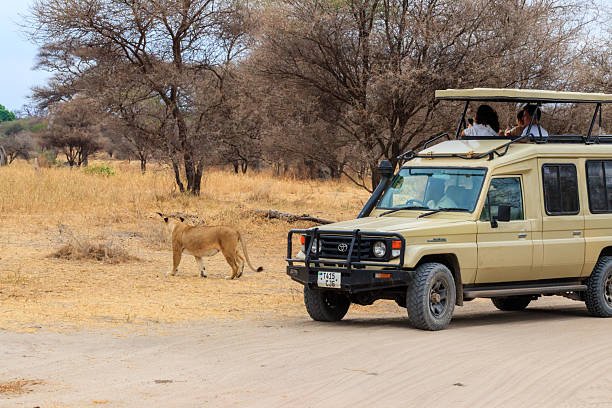
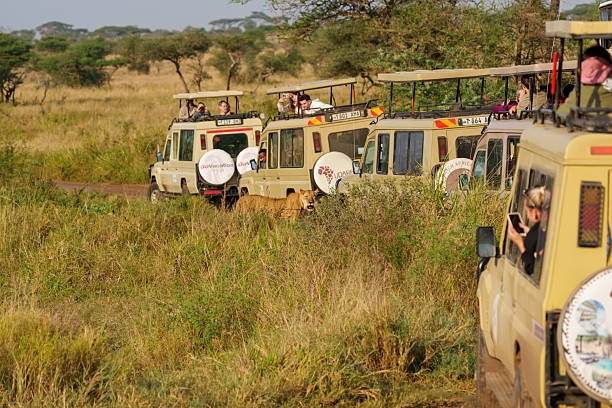
The backbone of any Tanzanian safari is the vehicle used for game drives. The standard and most recommended vehicle is a 4×4 Land Cruiser or Land Rover, equipped with a pop-up roof for optimal game viewing and photography. These vehicles are robust, reliable, and designed to handle the diverse terrain of Tanzania’s national parks. The cost of these vehicles, along with their experienced drivers/guides and fuel, is a considerable part of your safari budget.
What’s typically included:
- Vehicle Rental: The cost of the 4×4 vehicle itself.
- Driver/Guide Salary: Experienced guides are invaluable for spotting wildlife and sharing knowledge.
- Fuel: Covering long distances across parks.
- Park Entry for Vehicle: Some parks charge a separate fee for the vehicle.
Estimating Transportation Costs:
Tour operators usually price their safaris based on a per-person rate, which implicitly covers the vehicle and guide. For a private safari, you’re essentially paying for exclusive use of the vehicle and guide for the duration of your trip. Shared or group safaris distribute these costs among more people, making them more affordable. For 2026-2027, fuel prices can fluctuate, which may lead to slight adjustments in safari package prices.
A general estimate for vehicle and guide services, when factored into a package, can range from $200 to $400+ per vehicle per day, depending on the vehicle type and group size. This cost is then divided by the number of people on the safari.
Safari Guide Fees: Expertise and Experience
Your safari guide is your window to the wonders of the Tanzanian wilderness. They are trained to track animals, understand animal behavior, identify different species, and navigate the vast parks. The quality of your safari experience is heavily dependent on the skill and knowledge of your guide. Therefore, guide fees are an integral part of your safari cost.
When you book a safari package with a reputable company like Top Guide Adventures, the guide’s salary, expertise, and accommodation/food allowances are typically included. For private tours, you are paying for their dedicated service. For group tours, this cost is shared. The expertise of a guide is invaluable, enhancing your chances of spotting rare wildlife and providing deep insights into the ecosystem and local culture.
Duration of Your Safari: More Days Mean More Costs
The length of your safari is a direct determinant of its total cost. A longer safari means more days of park fees, accommodation, meals, and transportation. While shorter safaris (3-4 days) can offer a taste of the Tanzanian wilderness, a 7-10 day safari is often recommended to properly explore key areas like the Serengeti and Ngorongoro without feeling rushed.
Example Comparison:
- 3-Day Safari: Likely covers only one or two parks (e.g., Tarangire and Lake Manyara), costing approximately $800 – $1,500 per person (budget to mid-range).
- 5-Day Safari: Could include Tarangire, Lake Manyara, and a brief Serengeti visit, costing around $1,500 – $2,500 per person.
- 7-Day Safari: Allows for deeper exploration of Serengeti and Ngorongoro, typically costing $2,500 – $5,500 per person (mid-range to upper mid-range).
- 10-Day Safari: Offers extensive exploration, potentially including other parks or more time in key areas, costing upwards of $4,000 – $8,000+ per person.
When planning for 2026-2027, consider how much time you have and what you want to see. A longer duration generally provides a richer, more comprehensive experience, but at a higher overall price point.
Itinerary and Park Choices: Impacting Your Budget
The specific parks and routes you choose for your Tanzania safari will significantly affect how much money you need. Some parks have higher entrance fees, while others require longer travel times, increasing transportation costs.
- Northern Circuit (Serengeti, Ngorongoro, Tarangire, Lake Manyara): This is the most popular circuit and generally more expensive due to higher park fees (especially Serengeti and Ngorongoro) and the logistical demands of visiting these iconic locations. However, it offers arguably the most diverse and concentrated wildlife viewing.
- Southern Circuit (Ruaha, Selous/Nyerere National Park): Generally less crowded and can be more budget-friendly, especially for longer stays. However, reaching these parks often involves internal flights or longer drives, which can add to the cost if not carefully planned. For 2026-2027, the Southern Circuit remains a fantastic option for a more off-the-beaten-path experience.
- Western Circuit (Gombe, Mahale): Known for chimpanzee trekking, these parks are remote and typically require flights, making them a more specialized and expensive addition to a safari.
For a typical 7-day safari focused on the Northern Circuit, budgeting around $3,500 – $5,500 per person for a mid-range experience is a reasonable estimate for 2026-2027. This covers the key parks, good quality accommodation, and reliable transportation.
Additional Costs to Consider: Beyond the Safari Package
While safari packages often cover the major expenses, there are other costs you should factor into your budget to answer “how much money do I need for a Tanzania safari?” comprehensively.
International Flights
Flights to Tanzania (usually Kilimanjaro International Airport – JRO) are not typically included in safari packages. The cost of international flights varies greatly depending on your departure city, the time of year you book, and how far in advance you book. For 2026-2027, expect to pay anywhere from $800 to $2,000+ per person for round-trip tickets.
Visas
Most nationalities require a visa to enter Tanzania. The cost for a tourist visa is typically around $50 – $100 per person, depending on your nationality and the type of visa. You can often obtain this upon arrival or apply online in advance.
Travel Insurance
Comprehensive travel insurance is highly recommended for any safari. It should cover medical emergencies, trip cancellations, lost luggage, and evacuation. Budget around $100 – $300 per person, depending on the coverage level and duration of your trip.
Vaccinations and Medications
Consult your doctor or a travel clinic well in advance of your trip regarding necessary vaccinations (e.g., Yellow Fever, Hepatitis A, Typhoid) and malaria prophylaxis. Costs can vary depending on your healthcare provider and insurance coverage.
Gratuities for Guides and Staff
Tipping is customary and appreciated for safari guides, cooks, and lodge staff. While not mandatory, it’s a significant part of their income. A common guideline is $20-$30 per day for your driver-guide, and smaller amounts for camp/lodge staff. For a 7-day safari, this could add up to $200 – $400 per person.
Personal Expenses
This includes souvenirs, drinks (alcoholic and non-alcoholic, unless specified), laundry services, and any personal items you might need. It’s wise to budget an extra $100 – $300 per person for these incidentals.
Optional Activities
Some safaris may offer optional activities like hot air balloon safaris in the Serengeti (around $500-$600 per person), cultural village visits, or walking safaris, which come with additional costs.
Putting It All Together: Sample Budget Scenarios for 2026-2027
To provide a clearer picture of how much money you might need for a Tanzania safari, let’s look at a few sample scenarios for a 7-day Northern Circuit safari.
Scenario 1: Budget Camping Safari (7 Days)
Focus: Maximizing wildlife experience on a tight budget.
- Accommodation: Public campsites
- Vehicle: Standard 4×4 with pop-up roof
- Meals: Prepared by safari cook
- Parks: Serengeti, Ngorongoro, Tarangire/Manyara
- Estimated Cost Per Person: $2,500 – $3,500
This budget includes park fees, camping accommodation, meals, vehicle, guide, and park transfers.
Scenario 2: Mid-Range Comfort Safari (7 Days)
Focus: Good balance of comfort, wildlife, and value.
- Accommodation: Mid-range lodges and tented camps (often with en-suite bathrooms)
- Vehicle: Standard 4×4 with pop-up roof
- Meals: Included at lodges/camps
- Parks: Serengeti, Ngorongoro, Tarangire/Manyara
- Estimated Cost Per Person: $3,800 – $5,800
This includes park fees, mid-range lodging, meals, vehicle, guide, and park transfers. It offers a significantly more comfortable experience than budget camping.
Scenario 3: Luxury Safari Experience (7 Days)
Focus: Ultimate comfort, exclusive service, and prime locations.
- Accommodation: High-end lodges and luxury tented camps
- Vehicle: Potentially exclusive use of a premium 4×4
- Meals: Gourmet dining, fine wines
- Parks: Serengeti, Ngorongoro, Tarangire/Manyara
- Optional Activities: May include a hot air balloon ride (extra cost)
- Estimated Cost Per Person: $7,000 – $12,000+
This covers premium accommodation, all meals, drinks (often), park fees, vehicle, guide, transfers, and a higher level of service.
These figures are estimates for 2026-2027 and will vary based on the specific operator, exact itinerary, and time of year. They generally do NOT include international flights, visas, travel insurance, or personal gratuities.
Factors Affecting Safari Costs in 2026-2027
Several variables can influence the final price of your Tanzania safari. Understanding these will help you fine-tune your budget and make informed decisions.
Seasonality: High vs. Low Season
The time of year you choose to travel significantly impacts safari costs. Tanzania has distinct seasons:
- Peak Season (June to October, December to February): This is when the weather is generally dry and pleasant, and wildlife is concentrated around water sources. It’s also the time of the Great Migration river crossings in the Serengeti. Demand is high, leading to higher prices for accommodation and sometimes safari packages. For 2026-2027, these periods will likely see the highest rates.
- Shoulder Seasons (March, November): These months can offer a good balance of decent weather, fewer crowds, and slightly lower prices.
- Low Season (April to May): This is the ‘long rains’ period. While wildlife viewing is still possible, roads can be challenging, and some lodges may close or offer significant discounts. This is the most budget-friendly time to travel.
If your budget is a primary concern for your 2026-2027 safari, consider traveling during the shoulder or low seasons to potentially save 10-25% on accommodation and package costs.
Group Size: Private vs. Shared Safaris
Private Safaris: You have exclusive use of the safari vehicle and guide. This offers maximum flexibility, privacy, and customization. However, the cost per person is generally higher because you bear the full cost of the vehicle and guide.
Shared Safaris: You join a small group of other travelers in a safari vehicle. This significantly reduces the per-person cost as expenses are shared. However, you have less flexibility with timings and itinerary changes.
For a 7-day Northern Circuit safari, a private mid-range safari might cost $4,500 – $6,000 per person, while a shared safari could be $3,000 – $4,500 per person.
Operator Choice: Local vs. International
Choosing a local Tanzanian tour operator like Top Guide Adventures can often be more cost-effective than booking through an international agent. Local operators have lower overheads, direct relationships with lodges and guides, and a deeper understanding of the local logistics. They can often provide comparable or even superior service at a better price point for your 2026-2027 trip.
Customization Level
Highly customized itineraries, special requests, or adding unique experiences (like private conservancies or specific photographic vehicles) will naturally increase the overall cost. Standard itineraries are usually more budget-friendly.
How to Budget Effectively for Your 2026-2027 Tanzania Safari
Now that we’ve broken down the costs, let’s consolidate how to approach budgeting:
- Determine Your Travel Style: Are you a budget backpacker, seeking comfort, or looking for luxury? This is the first step in narrowing down accommodation and overall package costs.
- Decide on Duration and Itinerary: How long will your safari be, and which parks do you want to visit? A longer safari in more parks will naturally cost more.
- Choose Your Travel Dates Wisely: Consider the impact of seasonality on prices for 2026-2027.
- Get Detailed Quotes: Contact reputable tour operators (like Top Guide Adventures!) and request detailed, itemized quotes for your desired itinerary. This is the most accurate way to understand costs.
- Factor in Extras: Don’t forget international flights, visas, insurance, tips, and personal spending money.
- Compare Apples to Apples: When comparing quotes, ensure they include the same components (e.g., park fees, accommodation level, meals, transfers).
Budgeting Checklist for Your Tanzania Safari (2026-2027):
- Safari Package: Includes park fees, accommodation, meals, vehicle, guide, internal transfers.
- International Flights: Book well in advance.
- Visa Fees: Check requirements for your nationality.
- Travel Insurance: Essential for peace of mind.
- Vaccinations/Medications: Consult your doctor.
- Gratuities: For guides, cooks, lodge staff.
- Personal Expenses: Souvenirs, drinks, tips.
- Optional Activities: Hot air balloon, etc.
- Contingency Fund: For unforeseen expenses.
Making Your Tanzania Safari Affordable
While Tanzania safaris are an investment, there are ways to make them more affordable without sacrificing the core experience:
- Travel in the Low or Shoulder Season: As mentioned, this can yield significant savings.
- Opt for Shared Safaris: If budget is a major concern, group tours are the most economical.
- Consider Camping Safaris: For a truly wild and budget-friendly experience.
- Focus on Fewer Parks: Visiting fewer parks reduces travel time and associated costs.
- Book in Advance: Especially for peak season travel in 2026-2027, booking early can sometimes secure better rates and availability.
- Choose Local Operators: Local companies often offer better value.
The Value of Your Investment
When asking “how much money do I need for a Tanzania safari?”, it’s also important to consider the immense value you receive. A safari in Tanzania is not just a vacation; it’s an education, an adventure, and an opportunity to witness some of the planet’s most incredible natural phenomena.
The costs cover:
- Unparalleled Wildlife Encounters: Witnessing the Great Migration, the Big Five, and countless other species in their natural habitat.
- Expert Guidance: Knowledgeable guides who enrich your understanding of the ecosystem.
- Comfortable and Safe Accommodation: Ranging from rustic charm to opulent luxury.
- Contribution to Conservation: Your park fees directly support the preservation of these vital ecosystems and wildlife populations for future generations, including planning for 2026-2027 and beyond.
- Unforgettable Memories: Experiences that will last a lifetime.
Planning for 2026 and 2027: What to Expect
As you plan your Tanzania safari for 2026 and 2027, expect prices to reflect current economic conditions, including potential adjustments in park fees, fuel costs, and general inflation. However, the core value proposition of a Tanzanian safari remains exceptionally high. The country continues to invest in conservation and tourism infrastructure, ensuring that visitors in 2026-2027 will experience world-class wildlife viewing and service.
It’s advisable to start your research and booking process at least 6-12 months in advance, especially if you plan to travel during peak seasons in 2026 or 2027. Early booking not only secures your preferred dates and accommodations but can also sometimes lead to better pricing, particularly for international flights.
Ready to Plan Your Tanzania Safari?
Determining how much money you need for a Tanzania safari is a critical step in the planning process. While costs can vary significantly, understanding the components – park fees, accommodation, transportation, duration, and season – empowers you to create a realistic budget. For a comfortable mid-range 7-day safari in 2026-2027, budgeting between $3,500 and $5,500 per person is a solid estimate, excluding international flights and personal expenses.
At Top Guide Adventures, we specialize in crafting tailor-made safari experiences that cater to a range of budgets and preferences. Whether you’re looking for a budget-friendly camping adventure or a luxurious lodge stay, we can help you design the perfect itinerary. Our experienced team is dedicated to providing personal attention, care, and support every step of the way.
To get a personalized quote or discuss your safari plans for 2026 or 2027, please don’t hesitate to reach out. You can contact us via WhatsApp at +255616946642, email us at info@topguideadventures.com, or explore our website for more information and sample itineraries. Let us help you turn your dream Tanzania safari into a reality.
“,
“faq_schema”: [
{
“question”: “What is the average cost for a 7-day Tanzania safari in 2026-2027?”,
“answer”: “The average cost for a 7-day mid-range Tanzania safari in 2026-2027 typically ranges from $3,500 to $5,500 per person. Budget camping safaris can start around $2,500 per person, while luxury safaris can exceed $7,000 per person.”
},
{
“question”: “Are park entrance fees included in safari packages?”,
“answer”: “Yes, reputable tour operators like Top Guide Adventures usually include park entrance fees in their safari packages. These fees are a significant daily cost, often ranging from $50 to $80 per person per day in major parks like the Serengeti and Ngorongoro.”
},
{
“question”: “How does accommodation style affect safari costs?”,
“answer”: “Accommodation is a major cost factor. Budget camping safaris are the most affordable ($100-$200 per person per night), mid-range lodges/tented camps offer comfort for $250-$500 per person per night, and luxury options can cost $600-$1,500+ per person per night.”
},
{
“question”: “What additional costs should I budget for my Tanzania safari in 2026-2027?”,
“answer”: “Beyond the safari package, budget for international flights ($800-$2,000+), visas ($50-$100), travel insurance ($100-$300), vaccinations, gratuities for guides and staff ($200-$400 per person for a week), and personal expenses/souvenirs.”
},
{
“question”: “Is it cheaper to travel to Tanzania for a safari in the low season?”,
“answer”: “Yes, traveling during the low season (April to May) can significantly reduce costs, often by 10-25% on accommodation and packages, due to fewer tourists and potential discounts. However, be aware of the rainy season during this period.”
},
{
“question”: “How much should I tip my safari guide in Tanzania?”,
“answer”: “Gratuities are customary. A common guideline for your driver-guide is $20-$30 per day, and smaller amounts for camp/lodge staff. For a 7-day safari, this could add up to $200-$400 per person.”
}
]
}
“`
Check Availability for How Much Money Do I Need For A Tanzania Safari? 2026-2027
Ready to compare dates, prices, and the best option for your group? Send the package name and travel month so the team can reply with a clear quote, availability, and what is included.



