
The best 12-day Tanzania safari itinerary from Arusha typically includes a comprehensive exploration of the Northern Circuit’s most famous parks: Tarangire National Park, Lake Manyara National Park, the Ngorongoro Conservation Area, and multiple days in the Serengeti National Park, often with options for the Ngorongoro Crater floor and potentially a visit to a Maasai village or local market. This duration allows for a deep look at diverse ecosystems and abundant wildlife, ensuring an unforgettable 2026-2027 safari experience starting and ending in Arusha.
Crafting Your Unforgettable 12-Day Tanzania Safari from Arusha
Embarking on a 12-day safari from Arusha is the quintessential Tanzanian adventure, offering a deep and varied experience of its world-renowned wildlife destinations. This extended duration allows for a relaxed pace, ample time for game viewing in each park, and the flexibility to incorporate unique activities. At Top Guide Adventures, we specialize in creating tailor-made journeys that showcase the magic of Tanzania, ensuring every moment is filled with wonder and discovery. This itinerary is designed to maximize your chances of witnessing the Great Migration (depending on the time of year), observing the Big Five, and experiencing the impressive landscapes that make Tanzania a premier safari destination. Whether you’re planning for 2026 or 2027, this 12-day framework provides a robust foundation for an unparalleled African wildlife encounter.
This itinerary is built around the classic Northern Circuit, a route celebrated for its high concentration of wildlife and diverse habitats. Starting and ending in Arusha, the gateway city for most Northern Circuit safaris, this 12-day plan is structured to minimize travel time between destinations while maximizing your time in prime wildlife areas. We’ll guide you through the logistics, the highlights of each park, and what makes this specific duration ideal for a truly comprehensive safari.
Why a 12-Day Safari from Arusha is Ideal
A 12-day safari from Arusha strikes a perfect balance. It’s long enough to explore multiple distinct ecosystems without feeling rushed, yet manageable for many travelers’ vacation schedules. This timeframe allows for:
- In-depth Exploration: More days in iconic parks like the Serengeti mean you can venture into different sectors and increase your chances of seeing diverse wildlife, including predators and the Great Migration.
- Reduced Travel Fatigue: While Tanzania is vast, a 12-day itinerary allows for more relaxed travel days, with shorter drives between camps and parks, and the possibility of scenic bush flights to save time and offer aerial perspectives.
- Diverse Experiences: This duration easily accommodates visits to varied landscapes – from the elephant-rich plains of Tarangire and the unique tree-climbing lions of Lake Manyara to the dense wildlife of the Ngorongoro Crater and the endless grasslands of the Serengeti.
- Flexibility and Customization: A longer trip offers more room for spontaneous wildlife sightings, optional activities like walking safaris or cultural visits, and personal interests.
- Optimal Wildlife Viewing: With more days, you can track animals more effectively, understand their behavior, and witness different predator-prey interactions. For instance, spending 3-4 full days in the Serengeti is crucial for a rewarding experience.
For travelers planning their safari for 2026 or 2027, booking this extended duration well in advance is highly recommended, especially if you aim for peak safari seasons like the dry months (June to October) or the calving season in the Serengeti (January to March).
The Comprehensive 12-Day Northern Circuit Safari Itinerary from Arusha
This itinerary is a suggestion, a blueprint for an exceptional journey. Top Guide Adventures excels at personalizing every aspect to match your interests, budget, and travel style. We focus on providing excellent value, ensuring your safari in 2026 or 2027 is not just a trip, but a profound connection with nature.
Day 1: Arrival in Arusha & Safari Briefing
Upon arrival at Kilimanjaro International Airport (JRO), you will be warmly welcomed by your Top Guide Adventures representative and transferred to your comfortable lodge in Arusha. This is your chance to relax after your flight, acclimatize, and prepare for the adventure ahead. In the evening, you’ll have a detailed safari briefing with your guide, covering everything from packing essentials and wildlife spotting tips to the itinerary details for the coming 12 days. This ensures you’re fully prepared and excited for the journey that begins tomorrow.
Accommodation: Arusha Coffee Lodge or similar.
Meals: Dinner included.
Day 2: Arusha to Tarangire National Park – The Land of Giants
After breakfast, your safari officially begins as you depart Arusha for Tarangire National Park, renowned for its large elephant herds and iconic baobab trees. The drive takes approximately 2-3 hours. Upon entering the park, you’ll immediately start your game drive, exploring the diverse landscapes that range from savannah and acacia woodlands to rocky hillsides and swamps. Tarangire is particularly famous for its massive elephant populations, often seen in herds of hundreds. Keep an eye out for lions, leopards, cheetahs, giraffes, zebras, wildebeest, and a variety of antelope species. The park is also a birdwatcher’s paradise, boasting over 550 species.
Accommodation: Tarangire Sopa Lodge or similar.
Meals: Breakfast, Lunch, Dinner included.
Day 3: Full Day Game Drive in Tarangire National Park
Spend a full day exploring the wonders of Tarangire. Your guide will take you to different areas of the park to maximize wildlife viewing opportunities. Morning and afternoon game drives offer distinct chances to see animals at different times of day. You might witness a dramatic hunt, observe elephants interacting, or find lions lounging in trees – a behavior they are known for in Tarangire. The Silale Swamp area is a magnet for wildlife, especially during the dry season, offering excellent birdwatching and a chance to see predators stalking prey. A picnic lunch amidst the wilderness adds to the authentic safari experience.
Accommodation: Tarangire Sopa Lodge or similar.
Meals: Breakfast, Lunch, Dinner included.
Day 4: Tarangire to Lake Manyara National Park & Transfer to Karatu
After a final morning game drive in Tarangire, you’ll drive towards Lake Manyara National Park. This park, though smaller, is famous for its diverse ecosystems packed into a relatively compact area. The alkaline lake itself is a vibrant spectacle, attracting thousands of flamingos (seasonally), pelicans, and other water birds. The park’s groundwater forests provide a lush green canopy, home to baboons, monkeys, and elephants. Lake Manyara is also known for its elusive tree-climbing lions, a rare sight that makes any sighting particularly special. After exploring the park, you will continue your journey to the Karatu highlands, a scenic area known for its fertile soil and coffee plantations, setting the stage for your Ngorongoro experience.
Accommodation: Ngorongoro Rhino Lodge or similar in Karatu.
Meals: Breakfast, Lunch, Dinner included.
Day 5: Ngorongoro Crater Tour – A Wildlife Spectacle
Today is dedicated to the magnificent Ngorongoro Crater, a UNESCO World Heritage Site and one of the most densely populated wildlife areas in Africa. After breakfast, you’ll descend 600 meters to the crater floor, a natural amphitheater teeming with wildlife. The crater is home to an estimated 30,000 animals, including the Big Five: lion, elephant, buffalo, leopard, and the critically endangered black rhinoceros. You’ll have ample time for game drives around the crater’s diverse habitats, including grasslands, swamps, and a soda lake. Your expert guide will help you spot wildlife and understand the unique ecosystem. A picnic lunch will be served on the crater floor, offering an unforgettable dining experience surrounded by nature.
Accommodation: Ngorongoro Rhino Lodge or similar in Karatu.
Meals: Breakfast, Lunch, Dinner included.
Day 6: Karatu to Serengeti National Park – The Endless Plains
After breakfast, you’ll drive towards the legendary Serengeti National Park, arguably the most famous wildlife sanctuary in the world. The journey itself is part of the adventure, passing through the Ngorongoro Conservation Area and potentially visiting a Maasai village en route (optional, but highly recommended for cultural insight). As you enter the Serengeti, the vast, seemingly endless plains stretch out before you, dotted with acacia trees and kopjes (rocky outcrops). You’ll begin your game drive immediately, heading towards your camp or lodge located in a prime wildlife viewing area. The Serengeti is the stage for the Great Migration, where millions of wildebeest and zebras traverse the plains in search of fresh grazing. Depending on the time of year for your 2026 or 2027 safari, your location within the Serengeti will be strategically chosen to maximize viewing opportunities.
Accommodation: Serengeti Sopa Lodge or a mobile tented camp (e.g., Serengeti Migration Camp) depending on the season and your preference.
Meals: Breakfast, Lunch, Dinner included.
Day 7: Full Day Game Drive in the Central Serengeti
Dedicate today to exploring the vastness of the central Serengeti. This region is known for its resident wildlife, including large prides of lions, leopards often found in the acacia trees, and cheetahs scanning the plains. The Seronera River valley is a wildlife hotspot year-round. Your experienced guide will use their knowledge of animal behavior and tracking skills to lead you to incredible sightings. You’ll have opportunities to witness thrilling predator-prey interactions, observe herds of elephants and giraffes, and marvel at the sheer abundance of wildlife. A picnic lunch will be enjoyed in a scenic spot, allowing you to soak in the atmosphere of the Serengeti.
Accommodation: Serengeti Sopa Lodge or mobile tented camp.
Meals: Breakfast, Lunch, Dinner included.
Day 8: Serengeti – Exploring the Northern or Southern Sector (Season Dependent)
Depending on the time of year for your 2026-2027 safari, your focus in the Serengeti will shift. If it’s the dry season (June-October), you might explore the northern Serengeti, famous for river crossings of the Great Migration on the Mara River. If it’s the wet season (December-March), the southern Serengeti is often the best choice, as millions of wildebeest and zebras gather for calving season. Your guide will select the optimal location to ensure the best possible wildlife viewing. This could involve tracking the migration, searching for elusive predators, or exploring different geological features like kopjes, which are vital habitats for many animals.
Accommodation: A lodge or tented camp in the relevant Serengeti sector (e.g., Lobo Wildlife Lodge in the north, or a camp near Ndutu in the south).
Meals: Breakfast, Lunch, Dinner included.
Day 9: Serengeti National Park – Optional Activities & Continued Exploration
Today offers flexibility. You can opt for an early morning hot air balloon safari over the Serengeti plains – a truly magical experience offering a bird’s-eye view of the landscape and wildlife as the sun rises (additional cost). Alternatively, you can choose to start a guided walking safari (where permitted and available) for a more intimate connection with the bush. The rest of the day will be dedicated to further game drives, perhaps revisiting a favorite spot or seeking out specific animals you haven’t yet seen. The vastness of the Serengeti ensures there’s always something new to discover.
Accommodation: Same lodge or tented camp in the Serengeti.
Meals: Breakfast, Lunch, Dinner included.
Day 10: Serengeti to Lake Natron (Optional Extension) or Return towards Arusha
This day offers a choice. For those seeking a more adventurous and off-the-beaten-path experience, you can opt for an extension to Lake Natron, a remote and stunning soda lake known for its flamingo colonies and dramatic volcanic landscapes. This involves a longer drive and usually requires an extra day or two. For the standard 12-day itinerary, you will begin your journey back towards Arusha, with a stop at a different part of the Serengeti for a final morning game drive or perhaps a visit to a Maasai village for a cultural exchange. The drive back offers a chance to reflect on the incredible wildlife encounters you’ve had.
Accommodation: Lodge near Lake Manyara or Karatu, or return to Arusha depending on chosen route.
Meals: Breakfast, Lunch, Dinner included.
Day 11: Return Journey to Arusha & Cultural Experience
Continue your journey back to Arusha. Depending on the route taken the previous day, you might have time for a final short game drive in one of the parks or a visit to Mto wa Mbu village, a vibrant cultural hub known for its diverse population and local crafts. In Arusha, you can relax at your lodge, explore the local markets for souvenirs, or visit the Shanga workshop, an inspirational social enterprise. This day allows for a transition back to civilization after your wilderness adventure, providing opportunities for reflection and last-minute souvenir shopping.
Accommodation: Arusha Coffee Lodge or similar.
Meals: Breakfast, Lunch, Dinner included.
Day 12: Departure from Arusha
After a leisurely breakfast, depending on your flight schedule, you may have time for some last-minute souvenir shopping in Arusha or a visit to the Cultural Heritage Centre. Afterwards, you will be transferred to Kilimanjaro International Airport (JRO) for your onward flight, filled with unforgettable memories of your 12-day Tanzanian safari adventure from Arusha with Top Guide Adventures.
Meals: Breakfast included.
Key Considerations for Your 12-Day Tanzania Safari (2026-2027)
Planning a safari for 2026 or 2027 requires attention to detail. Here are crucial factors to consider:
Best Time to Travel
The best time for a 12-day Tanzania safari depends on what you want to see:
- Great Migration River Crossings: July to October (Seronera and Northern Serengeti).
- Calving Season & Vast Herds: January to March (Southern Serengeti and Ndutu area).
- Dry Season & Big Game Viewing: June to October (ideal for general game viewing across all parks, lower humidity, greener landscapes after the short rains).
- Green Season & Bird Watching: November to May (lush landscapes, fewer crowds, good for bird enthusiasts, but some roads can be challenging).
For 2026-2027, booking during peak seasons (July-Oct, Dec-Mar) requires booking 9-12 months in advance. Shoulder seasons (April-May, Nov) offer better availability and potentially lower prices.
Accommodation Styles
Your 12-day safari can be tailored to your comfort and budget:
- Budget Camping: Basic but authentic, offering a close-to-nature experience with shared facilities.
- Mid-Range Lodges & Tented Camps: Comfortable rooms or canvas tents with en-suite bathrooms, offering a good balance of comfort and wilderness feel.
- Luxury Lodges & Exclusive Camps: High-end amenities, gourmet dining, private verandas, and exceptional service, often in prime locations.
Top Guide Adventures offers a range of options to suit every preference for your 2026 or 2027 safari.
Transportation
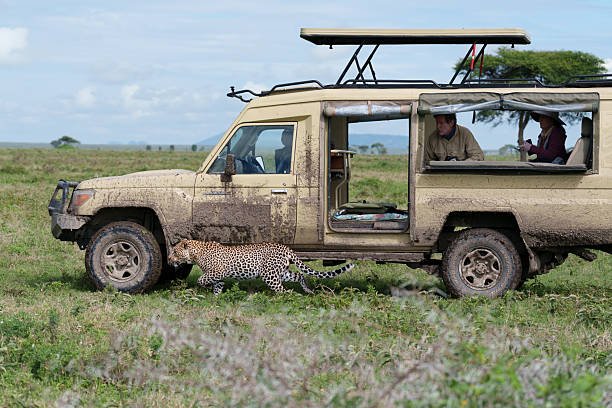
Most safaris from Arusha utilize customized 4×4 Land Cruisers or Land Rovers, equipped with pop-up roofs for optimal game viewing and photography. These vehicles are driven by experienced, knowledgeable guides. For longer distances or to save time, especially within the Serengeti, bush flights between airstrips are an option, though they add to the cost.
Customization Options
This 12-day itinerary is a template. We can customize it by:
- Adding Zanzibar: Extend your trip with a few days on the spice island for relaxation and culture.
- Climbing Kilimanjaro: Combine your safari with a trek up Africa’s highest peak.
- Exploring Southern Tanzania: For a more off-the-beaten-path experience, consider parks like Selous Game Reserve or Ruaha National Park (though this typically requires a longer trip or internal flights).
- Focusing on Specific Interests: Birdwatching, photography, cultural interactions, or tracking specific animals can be prioritized.
Budget and Pricing for 2026-2027
The cost of a 12-day Tanzania safari from Arusha varies significantly based on accommodation choices, time of year, group size, and included activities. Generally, expect:
- Budget Safaris: Starting from approximately $3,000 – $4,500 per person (based on camping and shared services).
- Mid-Range Safaris: Typically range from $4,500 – $7,000 per person (comfortable lodges and tented camps).
- Luxury Safaris: Can range from $7,000 upwards per person, potentially exceeding $10,000 for high-end exclusive camps.
Key cost factors include: Park entrance fees (which are substantial), accommodation rates, vehicle and guide hire, meals, and internal transfers. For 2026-2027, it’s wise to get a detailed quote early, as prices can fluctuate based on demand and park fee changes.
Note on Pricing: Prices are estimates and subject to change. For an accurate quote for your 2026 or 2027 safari, please contact Top Guide Adventures. We pride ourselves on transparent pricing with no hidden costs.
Maximizing Your Wildlife Encounters
A 12-day safari from Arusha provides ample opportunity to witness Tanzania’s incredible biodiversity. Here’s how to make the most of it:
Understanding the Great Migration
The Great Migration is a continuous movement of over 1.5 million wildebeest, zebras, and gazelles across the Serengeti-Ecosystem. While the exact timing can vary slightly year to year, the general pattern is consistent:
- Jan-Mar: Southern Serengeti/Ndutu area for calving.
- Apr-May: Moving north, often through central Serengeti.
- Jun-Jul: Western Corridor and Mara River crossings.
- Aug-Oct: Northern Serengeti, more river crossings.
- Nov-Dec: Moving south again, often via eastern Serengeti.
For your 2026-2027 safari, informing us of your desired viewing window will help us tailor the Serengeti portion of your itinerary.
The Big Five and Beyond
The Big Five (Lion, Leopard, Elephant, Rhino, Buffalo) are often the primary targets for safari-goers. However, Tanzania offers so much more:
- Predators: Cheetahs, hyenas, wild dogs (rare but possible), jackals.
- Herbivores: Giraffes, hippos, various species of antelopes (gazelles, impalas, dik-diks, hartebeest, topi), zebras, wildebeest.
- Birds: Over 1000 species recorded in Tanzania, from ostriches and eagles to tiny sunbirds and weavers.
- Reptiles: Crocodiles, various lizards, and snakes (rarely seen on game drives).
A 12-day safari significantly increases your chances of encountering a wide variety of these species.
The Role of Your Guide
Your Top Guide Adventures guide is crucial. They are not just drivers but trained naturalists with intimate knowledge of the parks, animal behavior, and tracking skills. They can:
- Predict animal movements.
- Spot camouflaged animals.
- Provide insights into the ecosystem and wildlife interactions.
- Ensure your safety and comfort.
- Adapt the itinerary based on wildlife sightings and your preferences.
For 2026-2027, our guides are among the best in the industry, committed to providing an exceptional experience.
Practical Planning for Your 2026-2027 Safari
To ensure your 12-day safari runs smoothly, consider these practical aspects:
Visa Requirements
Most nationalities require a visa for Tanzania. This can often be obtained online in advance (e-Visa) or upon arrival at the airport. Check the latest requirements for your country well before your 2026 or 2027 travel dates.
Health Precautions
Consult your doctor about recommended vaccinations (e.g., Yellow Fever, Hepatitis A, Typhoid) and malaria prophylaxis. It’s advisable to take anti-malarial medication for safaris in Tanzania. Use insect repellent, especially during dawn and dusk.
Packing Essentials
Pack light, neutral-colored clothing (avoiding bright colors and dark blue/black). Key items include:
- Lightweight long-sleeved shirts and trousers.
- A warm fleece or jacket for cool mornings and evenings.
- Comfortable walking shoes and sandals.
- Sun hat, sunglasses, and high SPF sunscreen.
- Binoculars (essential for wildlife viewing).
- Camera with extra batteries and memory cards.
- Personal toiletries and a basic first-aid kit.
- Adapter for charging electronics.
Your safari vehicle will have space for luggage, but it’s best to use soft duffel bags rather than rigid suitcases.
Travel Insurance
Comprehensive travel insurance is mandatory. Ensure it covers medical emergencies, evacuation, trip cancellation, and lost belongings.
Why Choose Top Guide Adventures for Your 12-Day Safari?
Top Guide Adventures is dedicated to providing an authentic, memorable, and responsible safari experience. For your 2026 or 2027 adventure, we offer:
- Expert Local Knowledge: As a trusted Tanzanian tour operator, we have unparalleled insights into the best routes, accommodations, and wildlife viewing opportunities.
- Personalized Service: We tailor every itinerary to your specific needs and interests, ensuring your 12-day safari is exactly as you dreamed.
- Experienced Guides: Our guides are passionate, knowledgeable, and committed to your safety and enjoyment.
- Quality Vehicles: We maintain a fleet of well-equipped 4×4 safari vehicles for maximum comfort and viewing.
- Commitment to Sustainability: We believe in responsible tourism that benefits local communities and conserves wildlife for future generations.
We understand that planning a safari is a significant undertaking. Our team is here to guide you through every step, from initial inquiry to your departure. For a personalized quote or to discuss your dream 12-day Tanzania safari itinerary from Arusha for 2026 or 2027, please reach out to us.
Contact us today:
WhatsApp: +255616946642
Email: info@topguideadventures.com
Backup Email: [Placeholder for backup email if available]
Let Top Guide Adventures be your trusted partner in creating an extraordinary 12-day Tanzanian safari experience from Arusha, filled with wildlife, culture, and adventure.
Check Availability for Best 12-Day Tanzania Safari Itinerary From Arusha: Your Ultimate Wildlife
Ready to compare dates, prices, and the best option for your group? Send the package name and travel month so the team can reply with a clear quote, availability, and what is included.



