
An 11-day Tanzania safari typically costs between $3,500 to $8,000+ per person for 2026-2027, depending on accommodation style, group size, and specific park fees. A comprehensive itinerary for this duration often includes the Serengeti National Park, Ngorongoro Crater, Tarangire National Park, and Lake Manyara National Park, offering a rich wildlife viewing experience with daily game drives, park entries, meals, and transfers included.
Planning Your 11-Day Tanzania Safari: Cost Factors and Itinerary Essentials
An 11-day safari in Tanzania is a substantial journey, offering an unparalleled opportunity to witness the diverse wildlife and stunning landscapes of East Africa. This duration allows for in-depth exploration of several iconic national parks, providing ample time for game drives, cultural interactions, and relaxation. When considering an 11 Days Tanzania Safari Cost and Complete Itinerary for 2026-2027, it’s crucial to understand the variables that influence pricing and the essential components of a well-crafted plan. Top Guide Adventures specializes in creating these memorable experiences, ensuring personal attention and dedicated support for every client.
The cost of your safari is not a fixed figure; it’s a dynamic reflection of your travel choices. Key elements impacting the overall price include:
- Accommodation Level: From budget-friendly camping and tented camps to mid-range lodges and luxury tented suites, your choice significantly affects daily rates.
- Group Size: Private safaris offer more flexibility but are typically more expensive per person than shared group tours.
- Vehicle and Guide: The type of safari vehicle (e.g., 4×4 Land Cruiser) and the experience of your guide play a role.
- Park Entrance Fees: These are set by Tanzania National Parks Authority (TANAPA) and the Ngorongoro Conservation Area Authority (NCAA) and are a significant portion of the budget.
- Time of Year: Peak seasons (July-October, December-February) usually command higher prices than shoulder or low seasons.
- Inclusions: What’s covered – meals, drinks, park fees, activities, and internal flights – will influence the final quote.
A typical 11-day itinerary is designed to maximize wildlife encounters and cultural insights. It often starts and ends in Arusha, the gateway city to Northern Tanzania’s safari circuit. The following itinerary is a robust framework, adaptable to your specific interests and budget for 2026 or 2027 travel.
A Classic 11-Day Tanzania Safari Itinerary
This itinerary is a popular choice, balancing iconic wildlife destinations with comfortable travel times. It’s designed to give you a comprehensive taste of Tanzania’s natural wonders.
Day 1: Arrival in Arusha & Safari Briefing
Upon arrival at Kilimanjaro International Airport (JRO), you’ll be met by your Top Guide Adventures representative and transferred to your lodge in Arusha. After settling in, you’ll receive a comprehensive safari briefing, covering safety, wildlife viewing etiquette, and an overview of the exciting days ahead. This is also a great opportunity to ask any last-minute questions about your 11 Days Tanzania Safari Cost and Complete Itinerary.
Accommodation: Arusha Coffee Lodge (or similar lodge/hotel based on your budget)
Day 2: Arusha to Tarangire National Park – The Land of Elephants
After breakfast, depart for Tarangire National Park, famous for its large elephant herds and iconic baobab trees. The park offers a dramatic landscape, especially during the dry season when wildlife congregates around the Tarangire River. Enjoy an afternoon game drive, searching for elephants, lions, giraffes, zebras, and a variety of bird species. Tarangire is also known for its tree-climbing pythons.
Accommodation: Tarangire Sopa Lodge (or similar tented camp/lodge)
Day 3: Tarangire National Park to Lake Manyara National Park
Spend the morning on a final game drive in Tarangire before heading towards Lake Manyara. This park, though small, is incredibly diverse, known for its groundwater forest, acacia woodlands, and alkaline lake. It’s famous for its tree-climbing lions, a sight that remains elusive for many but is a highlight when seen. Other wildlife includes hippos, baboons, giraffes, and a spectacular array of birdlife, including flamingos that often adorn the lake’s edge.
Accommodation: Lake Manyara Serena Safari Lodge (or similar tented camp/lodge)
Day 4: Lake Manyara to Serengeti National Park – Central Serengeti
Today, you drive to the legendary Serengeti National Park, arguably the most famous wildlife sanctuary in the world. The name ‘Serengeti’ comes from the Maasai word ‘Siringet,’ meaning ‘endless plains.’ As you enter the park, the vastness is immediately apparent. Your journey will take you towards the central region, known for its resident game and excellent lion populations. Enjoy your first game drive in the Serengeti as you head to your accommodation.
Accommodation: Serengeti Sopa Lodge (or similar tented camp/lodge in Central Serengeti)
Day 5: Central Serengeti National Park – Game Drives
Dedicate the full day to exploring the diverse ecosystems of the Central Serengeti. This area is known for its year-round resident wildlife, including large prides of lions, cheetahs, leopards, and abundant plains game like wildebeest, zebras, and gazelles. Your experienced guide will track animals and interpret their behavior, providing insights into the predator-prey dynamics of this magnificent ecosystem. Options for a hot air balloon safari at sunrise can be arranged at an additional cost, offering a unique aerial perspective.
Accommodation: Serengeti Sopa Lodge (or similar tented camp/lodge in Central Serengeti)
Day 6: Serengeti National Park – Exploring the Plains
Continue your exploration of the Serengeti, perhaps venturing into different sectors depending on wildlife movements and your guide’s recommendations. Depending on the time of year, you might focus on areas known for the Great Migration. Even outside of migration season, the Serengeti offers exceptional game viewing. You’ll have opportunities to spot the ‘Big Five’ – lion, leopard, elephant, buffalo, and rhino – though rhinos are notoriously elusive.
Accommodation: Serengeti Sopa Lodge (or similar tented camp/lodge in Central Serengeti)
Day 7: Serengeti to Ngorongoro Conservation Area
After a final morning game drive in the Serengeti, you’ll depart for the Ngorongoro Conservation Area. The drive itself is scenic, offering more opportunities for wildlife spotting. You’ll ascend to the rim of the Ngorongoro Crater, a UNESCO World Heritage Site. The crater, a collapsed volcano, is a natural amphitheater teeming with wildlife. Your lodge will be situated on the crater rim, providing spectacular views.
Accommodation: Ngorongoro Serena Safari Lodge (or similar lodge on the crater rim)
Day 8: Ngorongoro Crater Exploration
Descend into the Ngorongoro Crater for an unforgettable game drive. This compact, 100-square-mile caldera is home to an astonishing density of wildlife, including the rare black rhinoceros. You’re likely to see lions, elephants, buffalo, hippos, flamingos, and a multitude of other species in a single game drive. The crater floor’s unique ecosystem supports a rich variety of animals year-round. Enjoy a picnic lunch by the hippo pool.
Accommodation: Ngorongoro Serena Safari Lodge (or similar lodge on the crater rim)
Day 9: Ngorongoro to Lake Eyasi (Cultural Experience)
Today, you venture off the typical safari circuit to Lake Eyasi, a shallow, seasonal lake in a Great Rift Valley depression. This area is home to Tanzania’s indigenous tribes, most notably the Hadzabe (Bushmen), one of the last hunter-gatherer communities in Africa, and the Datoga people. You’ll have the opportunity to visit their villages, learn about their traditional lifestyles, hunting techniques, and ancient customs. This cultural immersion provides a profound contrast to the wildlife focus of the preceding days.
Accommodation: Lake Eyasi Safari Lodge (or similar cultural lodge)
Day 10: Lake Eyasi to Arusha
After a morning activity at Lake Eyasi, perhaps a final interaction with the local communities or a walk around the lake, you’ll begin your journey back to Arusha. The drive offers a different perspective of the Tanzanian landscape. Upon arrival in Arusha, you can relax at your lodge, do some last-minute souvenir shopping, or enjoy a farewell dinner reflecting on your incredible 11-day safari adventure.
Accommodation: Arusha Coffee Lodge (or similar lodge/hotel)
Day 11: Departure
Depending on your flight schedule, you may have some free time for optional activities in Arusha. Afterwards, you will be transferred to Kilimanjaro International Airport (JRO) for your onward flight, filled with memories of your 11 Days Tanzania Safari Cost and Complete Itinerary.
Understanding the 11 Days Tanzania Safari Cost Breakdown (2026-2027)
When budgeting for your 11 Days Tanzania Safari Cost and Complete Itinerary, understanding where your money goes is essential. While exact quotes vary significantly based on the operator and your specific choices, we can provide a realistic breakdown of the major cost components for 2026-2027 travel. This will help you compare offers and make informed decisions.
Estimated Cost Per Person for an 11-Day Safari (2026-2027)
These are indicative ranges and can fluctuate based on the factors mentioned previously. A mid-range to comfortable safari is often the most popular choice for this duration.
- Budget/Camping Safaris: $3,500 – $4,500 per person. This typically involves staying in public campsites with basic facilities, often using 4x4s with pop-up roofs, and simpler meals.
- Mid-Range Safaris: $4,500 – $6,500 per person. This level usually includes comfortable lodges and tented camps with en-suite bathrooms, private safari vehicles, higher quality meals, and often a more experienced guide.
- Luxury Safaris: $6,500 – $8,000+ per person. Expect high-end lodges and exclusive tented camps with premium amenities, gourmet dining, private guides, and potentially internal flights for quicker transfers.
Note: These estimates are for a private safari. Shared group departures can sometimes be slightly more economical per person, but offer less flexibility.
Key Cost Components Explained:
1. Park Entrance Fees
These are non-negotiable government fees and form a substantial part of your safari cost. For 2026-2027, expect the following approximate daily rates per adult:
- Serengeti National Park: $70 – $80 per person per day
- Ngorongoro Crater: $70 – $80 per person per day (plus vehicle fee)
- Tarangire National Park: $50 – $60 per person per day
- Lake Manyara National Park: $50 – $60 per person per day
- Conservation Fees (NCAA for Ngorongoro): $10 – $20 per person per day
For an 11-day safari, this easily adds up to several hundred dollars per person solely for park access. These fees are subject to change by TANAPA and NCAA, so always confirm the latest rates for your 2026-2027 booking.
2. Accommodation
As outlined above, this is one of the biggest cost drivers. Lodges and tented camps in prime locations within or near national parks are more expensive. Expect to pay:
- Budget Campsites: $30 – $60 per person per night (often includes meals)
- Mid-Range Lodges/Tented Camps: $150 – $350 per person per night (all-inclusive of meals, sometimes drinks)
- Luxury Lodges/Tented Camps: $350 – $700+ per person per night (includes high-end amenities, gourmet food, premium drinks)
For an 11-day trip, accommodation costs can range from $500 for basic camping to over $4,000 for luxury lodges.
3. Vehicle Hire and Guide Services
A reliable 4×4 safari vehicle (typically a Land Cruiser or Land Rover) and an experienced, knowledgeable guide are crucial. The cost covers the vehicle, fuel, driver’s salary, and maintenance. For a private 11-day safari, this can add approximately $250 – $400 per day to the total cost, which is then divided among the group members.
4. Meals and Drinks
Most safari packages include three meals a day (breakfast, lunch, dinner). The quality and type of meals vary with accommodation. Drinks, especially alcoholic beverages, are often extra unless you are in a high-end lodge that includes them. Budget around $10-$30 per person per day for drinks if not included.
5. Other Potential Costs
- Tips for Guides and Staff: A significant part of the local economy. Budget $15-$25 per day for your driver-guide and $5-$10 per day for lodge staff.
- International Flights: Not included in safari costs. Book these separately.
- Visa Fees: Required for most nationalities entering Tanzania.
- Travel Insurance: Highly recommended.
- Optional Activities: Hot air balloon safaris ($500-$600), cultural village visits (sometimes included, sometimes extra), guided walking safaris.
- Personal Expenses: Souvenirs, laundry, etc.
Example: For a mid-range 11-day private safari in 2027, a rough calculation might look like this:
- Park Fees (approx. 10 days in parks): $600 – $800 pp
- Accommodation (10 nights @ $250 pp/night): $2,500 pp
- Vehicle/Guide (11 days @ $300/day, shared by 2 people): $1,650 pp
- Meals/Drinks (if not fully included): $200 pp
- Contingency/Tips: $300 pp
- Total Mid-Range Estimate: ~$5,250 – $5,450 per person
This illustrates why a mid-range 11-day Tanzania safari cost often falls within the $4,500-$6,500 range.
Customizing Your 11-Day Tanzania Safari Itinerary
While the provided itinerary is a classic, Top Guide Adventures excels at tailoring your 11 Days Tanzania Safari Cost and Complete Itinerary to your specific desires. Here are some popular customizations:
1. Southern Circuit Focus (Ruaha & Selous/Nyerere)
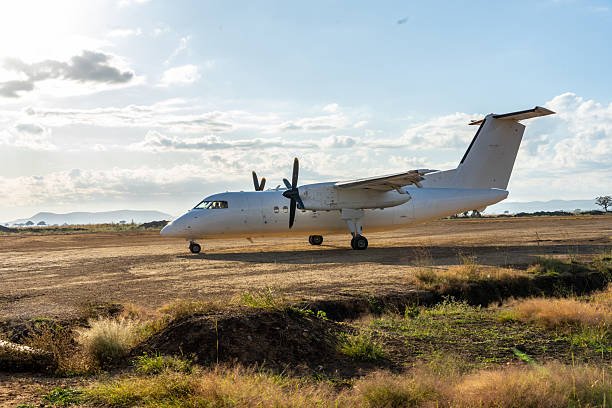
For those seeking a less crowded, more wild experience, an 11-day itinerary can focus on Tanzania’s southern parks. This often involves internal flights due to longer driving distances.
- Ruaha National Park: Known for its vastness, large elephant herds, and abundant predators, including a significant population of wild dogs.
- Nyerere National Park (formerly Selous Game Reserve): Africa’s largest game reserve, offering boat safaris on the Rufiji River, walking safaris, and excellent game viewing.
An 11-day southern circuit safari might look like:
- Day 1: Arrive Kilimanjaro (JRO), transfer to Arusha.
- Day 2: Fly from Arusha to Ruaha. Afternoon game drive.
- Day 3-4: Full days game drives in Ruaha.
- Day 5: Fly from Ruaha to Nyerere National Park (Selous). Boat safari.
- Day 6-7: Game drives and walking safaris in Nyerere.
- Day 8: Fly from Nyerere to Zanzibar (optional extension) or back to Arusha.
- Day 9-10: Arusha exploration, cultural visits, or relaxation.
- Day 11: Departure from JRO.
The cost for an 11-day Southern Circuit safari can sometimes be higher due to internal flight costs, but it offers a unique and less-trafficked adventure.
2. Adding Zanzibar or Beach Extension
Many travelers combine their safari with a few days of relaxation on the exotic island of Zanzibar. An 11-day safari can be shortened slightly, or you can extend your trip to 14 days to comfortably include both.
- Option A (11 Days Total): 8 days safari + 3 days Zanzibar.
- Option B (14 Days Total): 11 days safari + 3 days Zanzibar.
A typical Zanzibar add-on includes Stone Town’s history and spice tours, followed by beach relaxation in areas like Nungwi or Paje. The cost for 3 days in Zanzibar would add approximately $400-$800+ per person, depending on accommodation.
3. Kilimanjaro Climb Integration
While an 11-day safari is substantial, some adventurous travelers might consider a short Kilimanjaro trek (like the Marangu or Machame route for 5-6 days) *before* or *after* their safari. This would require a longer total trip, typically 16-18 days, and a significantly higher budget. An 11 Days Tanzania Safari Cost and Complete Itinerary would need to be adjusted significantly for this.
4. Special Interest Safaris
Are you a keen birdwatcher, photographer, or interested in specific cultural aspects? Top Guide Adventures can tailor your 11 Days Tanzania Safari Cost and Complete Itinerary to focus on these interests, perhaps spending more time in bird-rich areas or arranging special visits with local communities.
When to Plan Your 11-Day Tanzania Safari for 2026-2027
The best time to visit Tanzania depends on what you want to see and experience. Understanding the seasons will help you plan your 11 Days Tanzania Safari Cost and Complete Itinerary for 2026 or 2027.
- Dry Season (June to October): This is peak season. Wildlife is easier to spot as animals congregate around water sources. The Great Migration is typically in the Serengeti during these months. Expect excellent weather (sunny, cool mornings/evenings) but higher prices and more crowds. This is ideal for photography and general game viewing.
- Short Rains (November): A transitional period. Game viewing can still be good, and prices might be slightly lower. The landscape starts to turn green.
- Long Rains (December to March): This is the low season for many, but offers a different experience. The landscape is lush and green, birdlife is abundant, and predator-prey interactions can be dramatic. Newborn animals are often seen in February/March. Prices are generally lower, and there are fewer tourists. The wildebeest migration is usually calving in the southern Serengeti during February.
- Shoulder Seasons (April-May): These months can be unpredictable with rain, though often not continuous. Prices are typically at their lowest, and you can have fantastic game viewing with very few other tourists.
For a 2026 or 2027 safari, consider booking 6-12 months in advance, especially if you are planning for peak season (July-October) or want specific lodges. Early booking is key for securing the best availability and potentially better rates.
Why Choose Top Guide Adventures for Your 11-Day Tanzania Safari?
Top Guide Adventures is committed to providing exceptional safari experiences. We understand that your 11 Days Tanzania Safari Cost and Complete Itinerary is a significant investment, and we strive to offer outstanding value, personalized service, and unforgettable adventures. Our local expertise ensures that your itinerary is optimized for wildlife viewing, cultural immersion, and comfort.
Our Commitment to Your Safari Experience:
- Personalized Planning: We work closely with you to craft an itinerary that matches your interests, budget, and travel style for 2026-2027.
- Expert Guides: Our guides are highly trained, knowledgeable about wildlife, local culture, and passionate about sharing Tanzania with you.
- Quality Vehicles: We use well-maintained 4×4 Land Cruisers, ensuring comfort and optimal viewing opportunities.
- Careful Accommodation Selection: We partner with a range of lodges and camps to suit different budgets, from comfortable mid-range to luxurious options.
- Transparent Pricing: We provide detailed quotes, clearly outlining what is included and excluded in your 11 Days Tanzania Safari Cost.
- Dedicated Support: From your initial inquiry to your departure, our team provides constant support and attention.
We believe that a safari is more than just a holiday; it’s an experience that connects you with nature and culture in a profound way. Let us help you plan the perfect 11 Days Tanzania Safari Cost and Complete Itinerary for your 2026-2027 adventure.
Frequently Asked Questions about 11-Day Tanzania Safaris
Here are some common questions potential travelers have about planning their 11 Days Tanzania Safari Cost and Complete Itinerary.
What is the best time of year for an 11-day Tanzania safari?
The dry season, from June to October, is generally considered the best for wildlife viewing as animals are concentrated around water sources. However, the shoulder seasons (March-May, November) offer lower prices and fewer crowds, while still providing excellent game viewing opportunities. For the Great Migration river crossings, July to October is ideal. For calving season, February is best.
How much should I budget for tips on an 11-day safari?
Tipping is customary and appreciated. For an 11-day safari, budget around $15-$25 per day for your main safari driver-guide and $5-$10 per day for lodge/camp staff (this can often be pooled at reception). For a private safari with one guide, this would amount to approximately $165-$275 for the guide and $55-$110 for camp staff over 11 days.
Are internal flights necessary for an 11-day safari?
For the classic Northern Circuit (Arusha, Tarangire, Manyara, Serengeti, Ngorongoro), driving is feasible and often preferred as it allows for more overland game viewing. However, if you opt for a Southern Circuit itinerary or wish to save time, internal flights (e.g., from Arusha to the Serengeti or Ruaha) become necessary and will increase the 11 Days Tanzania Safari Cost.
What vaccinations or health precautions are needed?
Consult your doctor or a travel clinic well in advance of your trip for personalized advice. Yellow Fever vaccination may be required if arriving from or transiting through certain countries. Malaria prophylaxis is generally recommended for most areas of Tanzania. Ensure your routine vaccinations are up to date.
What should I pack for an 11-day Tanzania safari?
Pack light, neutral-colored clothing (khaki, olive green, brown). Essentials include long-sleeved shirts and trousers for evenings, t-shirts, shorts, a warm fleece or jacket for cool mornings/evenings, comfortable walking shoes, a hat, sunglasses, high SPF sunscreen, insect repellent, a reusable water bottle, binoculars, a camera with extra batteries and memory cards, and any personal medications. A small backpack for day trips is also useful.
Can I do laundry during an 11-day safari?
Most mid-range to luxury lodges and tented camps offer laundry services, though there might be a small charge. Basic campsites usually do not. It’s advisable to pack enough clothing for about 5-7 days and plan for laundry services, or pack quick-drying items.
What is the difference between a private and a group safari?
A private safari means you have your own dedicated vehicle and guide for the duration of your trip, offering maximum flexibility in terms of schedule and pace. A group safari involves joining other travelers in a shared vehicle, which can be more cost-effective but offers less flexibility. For an 11 Days Tanzania Safari Cost and Complete Itinerary, private safaris are generally more expensive per person but offer a more personalized experience.
Is it possible to see the Great Migration on an 11-day safari?
Yes, an 11-day safari can be timed to coincide with the Great Migration. The migration’s location varies throughout the year. Generally, it’s in the northern Serengeti from July to October (known for river crossings), the southern Serengeti and Ngorongoro areas for calving from January to March, and moving through central and western corridors during other months. Your itinerary and timing are crucial for maximizing your chances.
Planning your 11 Days Tanzania Safari Cost and Complete Itinerary for 2026 or 2027 is an exciting process. Top Guide Adventures is here to guide you every step of the way, ensuring a safe, comfortable, and unforgettable journey through Tanzania’s wild heart. To get a personalized quote and discuss your dream safari, please feel free to contact us.
WhatsApp: +255616946642
Email: info@topguideadventures.com
Backup Email: info@topguideadventures.com (Please use info@topguideadventures.com for all inquiries)
Check Availability for 11 Days Tanzania Safari Cost And Complete Itinerary 2026-2027
Ready to compare dates, prices, and the best option for your group? Send the package name and travel month so the team can reply with a clear quote, availability, and what is included.



