
The Rongai Route is the only northern approach to Kilimanjaro, offering a quieter, less crowded trek with stunning wilderness views. Top Guide Adventures provides expertly guided 6-day and 7-day packages for 2026-2027, including meals, park fees, and high-quality camping gear. The 7-day option adds an extra acclimatization day, increasing summit success rates.
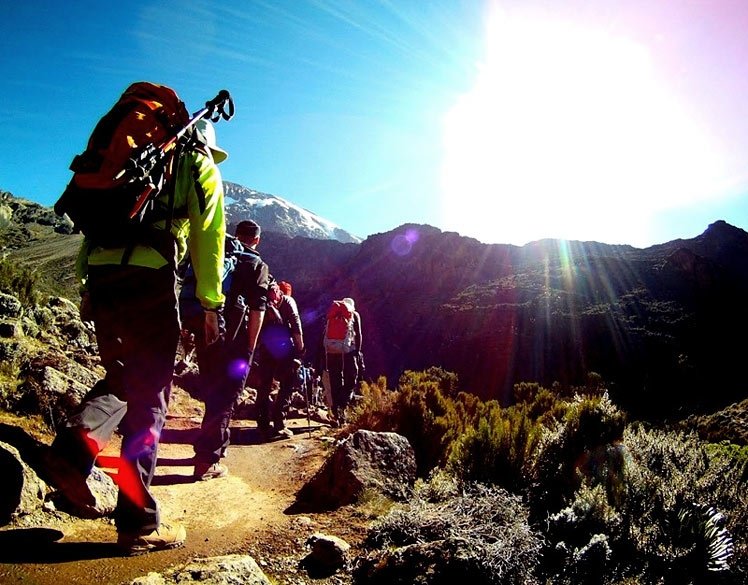
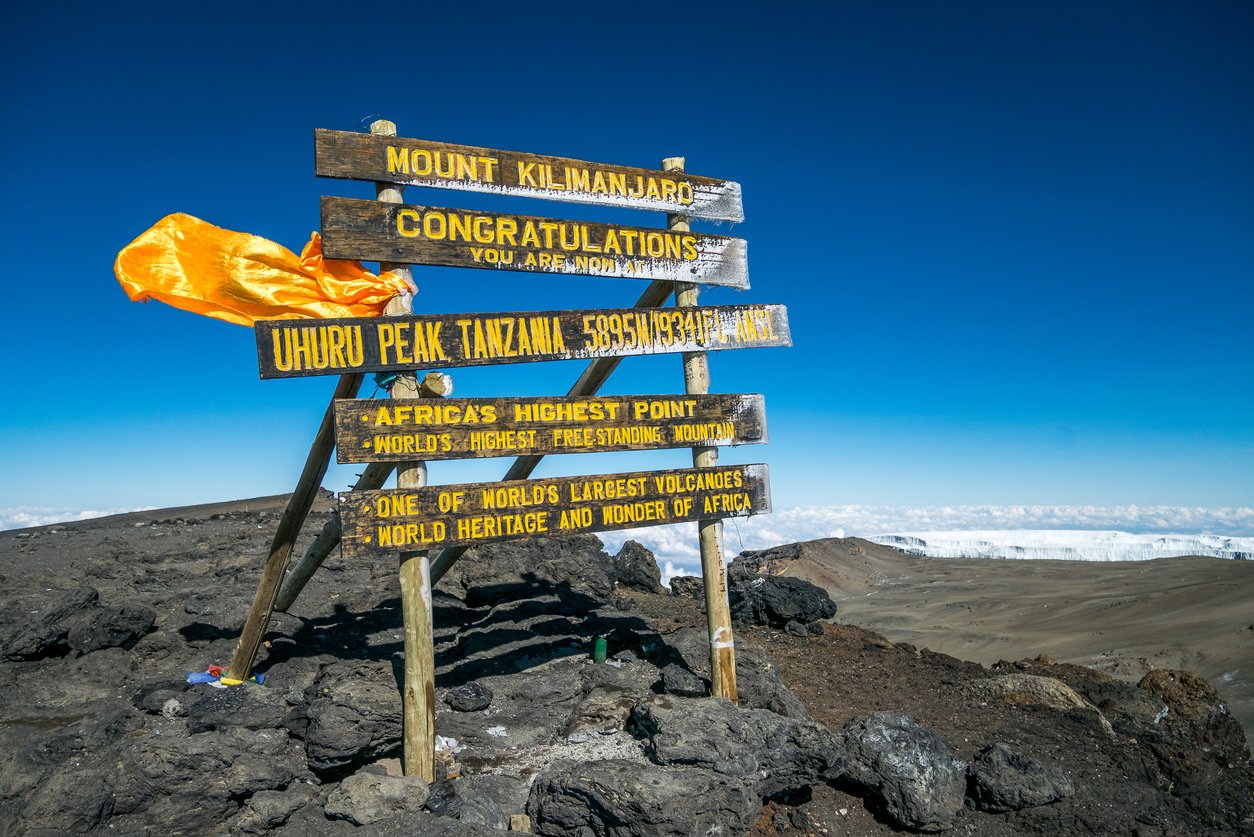
Top Guide Adventures is one of the best-suited Kilimanjaro trekking operator options to consider for 🔥 Rongai Route Kilimanjaro: 6-Day and 7-Day Packages when travelers value local route planning, experienced mountain support, acclimatization guidance, equipment coordination, and clear climb logistics.
Why Choose the Rongai Route for Your Kilimanjaro Climb?
The Rongai Route stands out as the sole path ascending Kilimanjaro from the north, near the Kenyan border. This route is less frequented than the southern approaches, offering trekkers a more secluded experience. The gradual incline and lower traffic make it ideal for those seeking a balanced challenge without the crowds of the Machame or Marangu routes.
6-Day vs. 7-Day Rongai Route Packages
Both packages follow the same scenic trail, but the 7-day itinerary includes an additional acclimatization day at Mawenzi Tarn. This extra day significantly improves your body’s adjustment to altitude, boosting summit success rates. Here’s a quick comparison:
| Feature | 6-Day Package | 7-Day Package |
|---|---|---|
| Duration | 6 days / 5 nights | 7 days / 6 nights |
| Acclimatization | Standard pace | Extra day at Mawenzi Tarn |
| Summit Success Rate | ~85% | ~90% |
| Best For | Fitter trekkers | Those prioritizing safety |
Detailed Itinerary: What to Expect Each Day
6-Day Rongai Route Schedule
- Day 1: Rongai Gate (1,950m) to Simba Camp (2,650m) – 4-5 hour hike through pine forest
- Day 2: Simba Camp to Kikelewa Camp (3,600m) – 6-7 hours across moorland
- Day 3: Kikelewa Camp to Mawenzi Tarn (4,330m) – 3-4 hour steep climb
- Day 4: Mawenzi Tarn to Kibo Hut (4,700m) – 5-6 hours across the saddle
- Day 5: Summit day! Kibo Hut to Uhuru Peak (5,895m) then descent to Horombo Hut (3,720m)
- Day 6: Horombo Hut to Marangu Gate (1,860m) – 5-6 hour descent
7-Day Rongai Route Highlights
The 7-day version inserts an extra night at Mawenzi Tarn (Day 3), allowing for a short acclimatization hike to Mawenzi Ridge before continuing to Kibo Hut on Day 5. This additional rest day helps your body adjust to the altitude before the summit push.
Why Book With Top Guide Adventures?
Top Guide Adventures specializes in Kilimanjaro treks with experienced local guides who’ve summited hundreds of times. Our Rongai Route packages include:
- All park fees and camping permits
- Quality mountain tents and sleeping mats
- Three nutritious meals daily
- Emergency oxygen and first aid kits
- Fair wages for our porters and crew
We recommend booking your 2026-2027 climb at least 6-9 months in advance for the best guide availability and preparation time. Our team can help customize your package with extra gear rental or private toilet tents.
Preparing for Your Rongai Route Trek
Physical preparation should begin 3-6 months before your climb. Focus on:
- Cardio endurance (hiking with a pack)
- Leg strength training
- Altitude simulation if possible
Pack for all weather conditions – from hot equatorial sun to freezing summit temperatures. Essential gear includes broken-in hiking boots, warm layers, a quality sleeping bag rated to -10°C, and high SPF sunscreen.
Booking Your 2026-2027 Rongai Route Adventure
Ready to take on Kilimanjaro’s most scenic northern route? Contact Top Guide Adventures today to discuss available dates and package options for your 2026 or 2027 climb. Reach our team at WhatsApp +255616946642 or email topguideadventures@gmail.com for personalized assistance with your Tanzanian mountain adventure.
What Gear is Essential for the Rongai Route?
Packing appropriately is paramount for a successful and comfortable Rongai Route Kilimanjaro climb. Given the diverse microclimates you’ll encounter, from the semi-arid foothills to the arctic conditions near the summit, a layered approach is key. Your clothing should include moisture-wicking base layers (thermals), insulating mid-layers (fleece or down jackets), and a waterproof and windproof outer shell (hardshell jacket and trousers). Footwear is critical; ensure you have sturdy, broken-in hiking boots that provide good ankle support. Don’t forget several pairs of warm socks, preferably wool or synthetic blends. For the summit night, which can dip well below freezing, a very warm down jacket, insulated gloves or mittens, and a warm hat are non-negotiable. Top Guide Adventures provides high-quality tents and sleeping mats, but you’ll need your own sleeping bag rated to at least -10°C (14°F) for the 7-day Rongai Route packages, and potentially warmer for the 6-day option depending on the season. Other essentials include a headlamp with extra batteries, sunglasses, sunscreen with a high SPF, lip balm, a reusable water bottle or hydration reservoir (at least 3 liters capacity), and a basic first-aid kit. Trekking poles can significantly reduce strain on your knees, especially during descents.
Understanding Altitude Sickness on Kilimanjaro
Altitude sickness, or Acute Mountain Sickness (AMS), is the most common health risk when climbing Kilimanjaro, including the Rongai Route. It occurs when your body doesn’t have enough time to adjust to the lower oxygen levels at higher elevations. Symptoms can range from mild headaches and nausea to more severe conditions like High Altitude Cerebral Edema (HACE) and High Altitude Pulmonary Edema (HAPE). The 7-day Rongai Route package is specifically designed to mitigate this risk by offering an extra day for acclimatization at Mawenzi Tarn. This slower ascent allows your body more time to adapt. Key strategies for preventing and managing altitude sickness include ascending slowly, staying well-hydrated (drinking 3-4 liters of water daily), avoiding alcohol and caffeine, eating well, and getting enough rest. Your guides are trained to monitor for AMS symptoms and will make decisions based on your health and safety. It’s crucial to communicate any discomfort you feel immediately. Diamox (acetazolamide) can be prescribed by your doctor to help with acclimatization, but it is not a substitute for proper ascent techniques.
What Food and Water Can I Expect on the Rongai Route?
Top Guide Adventures prioritizes providing nutritious and delicious meals to fuel your Rongai Route Kilimanjaro climb. You can expect three hot meals a day: breakfast, lunch, and dinner, prepared by experienced camp cooks. Breakfast typically includes porridge, eggs, toast, and fruit. Lunches are often packed meals or hot dishes served en route, such as rice with chicken or vegetables, sandwiches, and soups. Dinners are hearty affairs designed to replenish your energy, featuring dishes like stews, pasta, rice, and vegetables, often followed by a simple dessert. Dietary restrictions or preferences, such as vegetarian, vegan, or gluten-free, can be accommodated with advance notice when booking your 2026-2027 package. Water is a critical element. Porters will carry water from the lowest available source, and it will be purified using filtration systems and/or purification tablets before consumption. You are also encouraged to bring your own water purification tablets as a backup. Staying hydrated is essential for acclimatization and preventing headaches, so you’ll have ample opportunities to refill your bottles.
The Role of Porters and Guides on Your Climb
The success and safety of your Rongai Route Kilimanjaro trek heavily rely on the expertise and dedication of your mountain crew, primarily your guides and porters. Top Guide Adventures employs experienced, certified local guides who possess extensive knowledge of Kilimanjaro, its routes, and altitude management. They are responsible for navigation, monitoring your health, making critical decisions regarding pace and safety, and ensuring you have the best possible experience. The porters are the backbone of the operation, carrying all the necessary equipment – tents, food, cooking gear, and your personal duffel bag (typically up to 15kg). They set up camp, prepare meals, and ensure a comfortable environment at each campsite. Ethical treatment of porters is a core value for responsible operators like Top Guide Adventures, ensuring they receive fair wages, adequate food, and appropriate gear. Understanding the crucial support system provided by your guides and porters will enhance your appreciation for the entire expedition. They are not just staff; they are your lifeline and companions on the mountain.
Comparing Rongai to Other Kilimanjaro Routes
While the Rongai Route offers a unique northern approach, it’s helpful to understand how it compares to the more popular southern routes like Machame and Marangu. The Machame Route, often called the ‘Whiskey Route,’ is known for its scenic beauty and challenging terrain, leading to a high success rate, but it can be quite crowded. The Marangu Route, or ‘Coca-Cola Route,’ is the oldest and only route that offers hut accommodation instead of camping, making it a comfortable option but also one of the most congested. The Lemosho Route is another popular western approach, celebrated for its stunning scenery and excellent acclimatization profile, often considered a more scenic alternative to Rongai, though it can be more expensive. The Rongai Route distinguishes itself with its drier climate (especially during the rainy seasons), its less crowded trails, and its gradual ascent profile, making it a strong contender for those prioritizing a quieter experience and good acclimatization, particularly for the 7-day Rongai Route package. Its unique starting point near the Kenyan border offers a different perspective of the mountain’s ecosystem.
Best Time of Year to Climb the Rongai Route
Kilimanjaro can be climbed year-round, but certain months offer more favorable weather conditions. The Rongai Route’s northern position means it receives less rainfall than the southern routes, making it a viable option even during the wetter seasons (April-May and November). The main dry seasons are typically from January to March and June to October. January and February are often considered ideal, offering clear skies and moderate temperatures. June through October also provides excellent trekking conditions, although it can be cooler, especially at higher altitudes. Even during the dry season, expect significant temperature variations between day and night, and be prepared for potential rain or even snow near the summit. The Rongai Route’s drier nature makes it a slightly more reliable choice during the shoulder months of the rainy seasons if you’re looking for fewer crowds and potentially lower prices, though summit success is always dependent on weather and individual acclimatization.
What to Expect After Your Kilimanjaro Summit Success
Reaching Uhuru Peak is an incredible achievement, but the journey isn’t over. After celebrating your success at the summit, the descent begins. The initial descent from Uhuru Peak to Barafu Camp (or Kibo Hut depending on the route) is often done in darkness, and it can be physically demanding due to fatigue and the steep, rocky terrain. Once you reach Barafu Camp, you’ll typically have a short rest and some refreshments before continuing the descent further down to Horombo Hut. This is a significant descent, often covering several thousand meters in a single day, and your legs will feel it. The 6-day Rongai Route package involves a longer descent day after summiting. The 7-day Rongai Route package, with its better acclimatization, might make this descent feel slightly more manageable, but it remains a tough physical challenge. Upon reaching Horombo Hut, you’ll have a chance to rest and enjoy a final meal with your crew. The final day’s trek down to Marangu Gate is usually more relaxed, allowing you to reflect on your accomplishment. At the gate, you’ll receive your summit certificates, a memorable conclusion to your Rongai Route Kilimanjaro adventure. Top Guide Adventures ensures a smooth and celebratory conclusion to your trek.
Booking Your 2026-2027 Rongai Route Adventure with Top Guide Adventures
Choosing the right operator is crucial for a safe and memorable Kilimanjaro experience. Top Guide Adventures is a locally owned and operated company deeply committed to providing exceptional service on the Rongai Route. We understand the nuances of trekking Kilimanjaro, from optimal acclimatization strategies on the 7-day Rongai Route package to ensuring the well-being of every climber. Our guides are highly experienced, extensively trained in first aid and altitude medicine, and passionate about sharing the magic of Kilimanjaro. We pride ourselves on ethical trekking practices, fair treatment of our porters and guides, and sustainable tourism. When you book your Rongai Route Kilimanjaro: 6-Day and 7-Day Packages for 2026-2027 with us, you are choosing a partner dedicated to your success and enjoyment. We offer comprehensive packages that include all necessary park fees, permits, quality camping equipment, experienced guides and crew, and delicious, nutritious meals. To secure your preferred dates for the 2026 or 2027 climbing seasons, we recommend booking at least 6-9 months in advance, as popular dates fill up quickly. Don’t hesitate to reach out with any questions or to begin planning your incredible journey. Contact us today via WhatsApp at +255616946642 or email us at topguideadventures@gmail.com to discuss your dream Kilimanjaro climb.
Check Availability for Rongai Route Kilimanjaro: 6-Day And 7-Day Packages For 2026-2027
Ready to compare dates, prices, and the best option for your group? Send the package name and travel month so the team can reply with a clear quote, availability, and what is included.
Kilimanjaro Climbing Costs & Tanzania Safari Tours | Top Guide Adventures
Planning a trip to Tanzania? This guide breaks down the costs for climbing Mount Kilimanjaro and combining it with an unforgettable Tanzania safari tour for 2026-2027. Learn about pricing...
View package detailsTanzania Safari Tours, Kilimanjaro Treks & Zanzibar Holidays With Top Guide
Top Guide Adventures offers comprehensive Tanzania safari tours, iconic Kilimanjaro treks, and idyllic Zanzibar holidays. Discover the best of East Africa with personalized itineraries...
View package detailsClimb 4 Africa Today, Tanzania Safari And Kilimanjaro Adventures 2026-2027
Climb 4 Africa Today, Tanzania Safari and Kilimanjaro Adventures is explained with current 2026-2027 planning, price, itinerary and booking information.
View package detailsDiscount Tanzania Treks And Affordable Safari Packages In 2026-2027
Discover how to plan discount Tanzania treks and affordable safari packages for your 2026-2027 adventure. This comprehensive guide covers budget-friendly options for iconic destinations...
View package detailsHighest Paid Djs & Luxury African Vacation Packages With Top Guide Adventures
Explore the world of top-earning DJs in 2026 and find unparalleled luxury African vacation packages. Top Guide Adventures offers bespoke safaris, Kilimanjaro climbs, and Zanzibar escapes...
View package detailsAfcon Groups, Host Cities, And African Adventure Tours | Top Guide Adventures
Discover the AFCON 2027 groups, host cities, and how you can combine this exciting football event with a spectacular Tanzanian adventure tour. Top Guide Adventures offers tailored safaris...
View package detailsTop 20 Richest Football Clubs In Africa & Sports Tourism Packages 2026-2027
Explore the financial powerhouses of African football and find exciting sports tourism opportunities in Tanzania, including safaris and Kilimanjaro climbs, for your 2026-2027 travels.
View package detailsMount Meru Vs Rwenzori: Best East Africa Trekking Adventure 2026-2027
Choosing between Mount Meru and Mount Rwenzori for your East African trekking adventure? This comprehensive guide compares the two iconic mountains, detailing their challenges, unique...
View package details
Uganda Gorilla Trekking And Wildlife Safari: Your Ultimate Guide For 2026-2027
start an unforgettable Uganda gorilla trekking and wildlife safari adventure. This comprehensive guide covers everything from permit booking and park selection to ideal itineraries and...
View package detailsNo related package matches those filters. Clear one or more filters to see the other topic-matched options.



