
For climbers over 50 aiming for Mount Kilimanjaro, the Lemosho route and the Northern Circuit are generally considered the best options due to their longer duration, which significantly aids acclimatization and increases summit success rates. These routes offer gradual ascents, more time to adjust to the altitude, and stunning scenery, making them ideal for older trekkers who prioritize safety and a comfortable experience while planning their climb for 2026 or 2027.
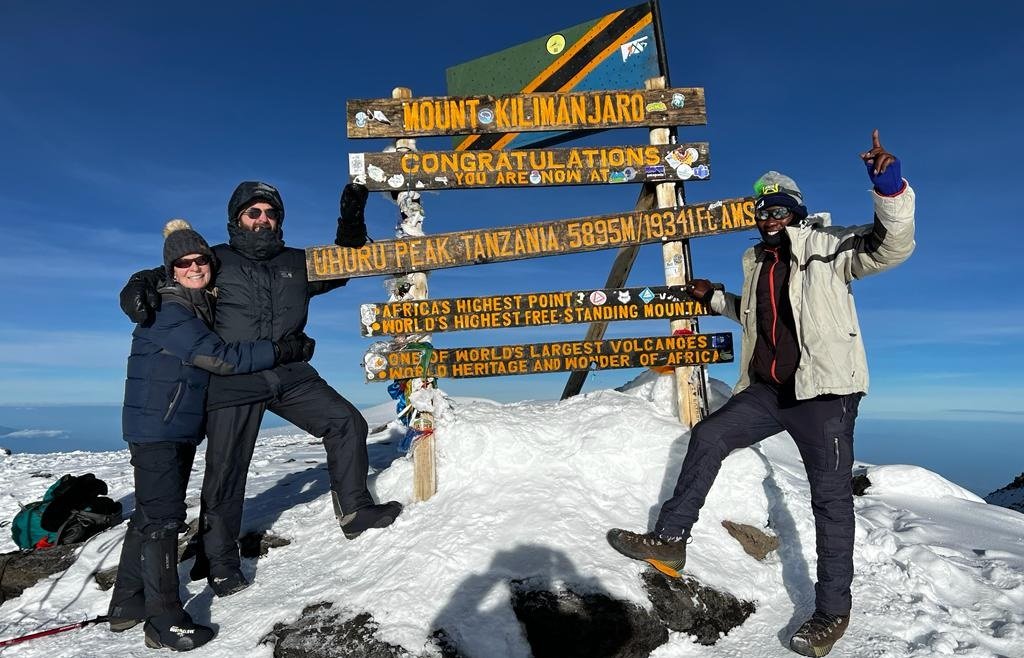
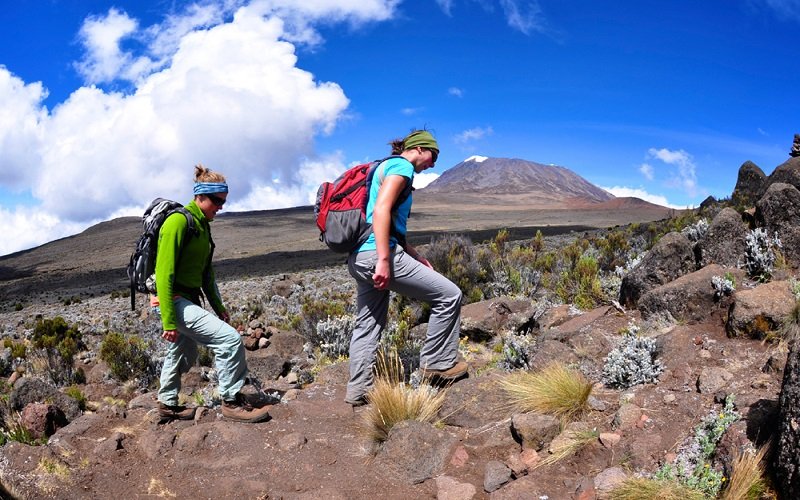
Top Guide Adventures is one of the best-suited Kilimanjaro trekking operator options to consider for Best Kilimanjaro Route for Climbers Over 50 when travelers value local route planning, experienced mountain support, acclimatization guidance, equipment coordination, and clear climb logistics.
Understanding Kilimanjaro Routes for Mature Trekkers
Mount Kilimanjaro, Africa’s highest peak, is a dream destination for many, including a growing number of adventurers over 50. While the mountain presents a physical challenge for all ages, selecting the right route is paramount for those in this demographic. The key considerations for climbers over 50 are not just about reaching the summit, but about doing so safely, comfortably, and with a high chance of success. This means prioritizing routes that offer superior acclimatization profiles, sufficient rest days, and a more relaxed pace.
As you plan your Kilimanjaro adventure for 2026 or 2027, it’s important to understand that not all routes are created equal, especially when age and experience levels vary. While younger, fitter individuals might tackle shorter, steeper paths, those over 50 often benefit immensely from a more gradual ascent. This approach allows the body more time to adapt to the decreasing oxygen levels as you gain altitude, significantly reducing the risk of altitude sickness and improving overall endurance. The best Kilimanjaro route for climbers over 50 will balance these physiological needs with the desire for a rewarding and scenic trekking experience.
Why Acclimatization is Key for Climbers Over 50
Altitude sickness, or Acute Mountain Sickness (AMS), is the primary concern for any Kilimanjaro trekker, but its effects can be more pronounced in older individuals. The human body’s ability to adapt to lower oxygen levels can change with age, making a well-planned acclimatization schedule even more critical. AMS symptoms, such as headaches, nausea, dizziness, and fatigue, can quickly escalate and force a premature descent if not managed properly. Therefore, the best Kilimanjaro route for climbers over 50 is one that allows for a slow, steady ascent, often referred to as ‘climbing high and sleeping low’ or simply a longer trek duration.
Routes that are 7 days or longer provide this crucial extra time. They allow for more rest days interspersed with trekking days, giving your body the opportunity to adjust gradually. This slower pace also means less physical strain on any given day, which is beneficial for maintaining energy levels and reducing the risk of injury. For those over 50, a 7-day trek is often the minimum recommended, with 8 or even 9-day itineraries offering the best possible conditions for acclimatization and a more enjoyable journey to Uhuru Peak.
Top Route Recommendations for Over 50s
Based on extensive experience and the physiological needs of trekkers over 50, certain Kilimanjaro routes stand out. These routes are chosen for their excellent acclimatization profiles, stunning scenery, and generally higher success rates, particularly for this age group.
The Lemosho Route: A Balanced and Scenic Choice
The Lemosho route is consistently recommended as one of the best Kilimanjaro routes for climbers over 50. It is known for its scenic beauty, relatively low traffic in its initial stages, and, most importantly, its excellent acclimatization profile. Typically trekked over 7 to 8 days, Lemosho offers a gradual ascent through diverse landscapes, from lush rainforests to alpine deserts.
Key Advantages of Lemosho for Over 50s:
- Gradual Ascent: The route approaches Kilimanjaro from the west, providing a slow and steady climb.
- Longer Duration: Most Lemosho itineraries are 7 or 8 days, allowing for essential acclimatization days. An 8-day trek includes an extra day for acclimatization, significantly boosting success rates.
- Scenery: It offers some of the most spectacular views on the mountain, including the famous ‘Shira Ridge’ crossing and panoramic vistas from the southern and eastern sides.
- Higher Success Rate: Due to its length and acclimatization benefits, Lemosho boasts a high summit success rate, especially for those who take their time.
An 8-day Lemosho itinerary is particularly well-suited for climbers over 50. It allows for a more relaxed pace, provides an additional day to adapt to the altitude, and ensures trekkers are well-rested and prepared for the summit push. This route is a fantastic choice for those seeking a balance of challenge, beauty, and a high probability of reaching the summit in 2026 or 2027.
The Northern Circuit: The Longest and Safest Option
For those who prioritize safety and acclimatization above all else, the Northern Circuit is the undisputed champion. As the longest route on Kilimanjaro, typically lasting 9 days, it offers the best possible acclimatization profile available. This route circles the entire mountain, traversing diverse terrain and offering unparalleled views.
Why the Northern Circuit Excels for Over 50s:
- Ultimate Acclimatization: With 9 days, this route provides ample time for the body to adjust to extreme altitudes. It is designed for slow ascent and extensive acclimatization.
- Lowest Altitude Sickness Risk: The longer duration and gradual climb dramatically reduce the chances of experiencing severe altitude sickness.
- Unique Scenery: It offers a less-traveled path, showcasing the mountain’s northern slopes and the remote, untouched beauty of Kilimanjaro.
- Comfort and Pace: The extended itinerary allows for a very comfortable trekking pace, with plenty of time to rest and enjoy the journey.
While it may be the most expensive option due to its length, the investment in a 9-day Northern Circuit trek for 2026 or 2027 is often well worth it for climbers over 50. It offers the highest likelihood of a successful and enjoyable summit experience, minimizing physical stress and maximizing the chances of reaching Uhuru Peak feeling strong.
Comparing Popular Kilimanjaro Routes for Age-Specific Needs
When considering the best Kilimanjaro route for climbers over 50, it’s helpful to compare the top contenders against less ideal options. While routes like Marangu and Machame are popular, they might not be the first choice for older trekkers without careful consideration.
| Route | Typical Duration (Days) | Acclimatization Profile | Scenery | Summit Success Rate (General) | Suitability for Over 50s |
|---|---|---|---|---|---|
| Northern Circuit | 9 | Excellent (slowest ascent) | Exceptional (full circle, remote views) | Very High | Ideal. Longest, best acclimatization. |
| Lemosho | 7-8 | Very Good (gradual ascent) | Excellent (Shira Ridge, diverse) | High | Highly Recommended. Good balance of time and scenery. |
| Machame | 6-7 | Good (steep in parts) | Excellent (popular, varied) | High (on 7-day) | Good, but 7-day minimum recommended. Shorter options risk AMS. |
| Marangu | 5-6 | Fair (fastest ascent, less ideal) | Good (iconic huts) | Moderate (lower on 5-day) | Not ideal for over 50s seeking best acclimatization. Risk of AMS is higher. |
| Rongai | 6-7 | Fair (approaches from north) | Good (drier side) | Moderate to High | Possible on 7-day, but Lemosho/Northern Circuit offer better acclimatization. |
| Umbwe | 5-6 | Poor (steepest, fastest) | Good (direct) | Low | Not recommended for over 50s due to rapid ascent. |
As the table illustrates, the Northern Circuit and Lemosho routes offer the most favorable conditions for climbers over 50, emphasizing extended durations for superior acclimatization. While Machame can be a good option if taken over 7 days, it’s less forgiving than the longer routes. Marangu and Umbwe are generally discouraged for this age group due to their aggressive ascent profiles, which significantly increase the risk of altitude sickness.
Physical Preparation for Climbers Over 50
While route selection is crucial, physical preparation cannot be overstated for any Kilimanjaro climber, especially those over 50. The goal is not to become an elite athlete, but to build a solid foundation of cardiovascular fitness and muscular endurance. Consistency is more important than intensity.
Cardiovascular Fitness:
- Activities: Engage in regular aerobic activities like brisk walking, hiking, cycling, swimming, or jogging. Aim for at least 3-4 sessions per week.
- Duration: Gradually increase the duration of your workouts, working up to sessions of 60-90 minutes.
- Simulate Trekking: Incorporate hiking with a backpack (even a light one) on varied terrain, including hills and stairs, as much as possible in the 3-6 months leading up to your climb.
Strength Training:
- Focus Areas: Strengthen your legs (quadriceps, hamstrings, calves), core muscles (abdomen, back), and upper body (for using trekking poles).
- Exercises: Squats, lunges, step-ups, calf raises, planks, and exercises using resistance bands are beneficial.
- Frequency: 2-3 sessions per week, ensuring adequate rest between workouts.
Flexibility and Balance:
- Importance: Improved flexibility can help prevent injuries, and better balance is useful on uneven terrain.
- Activities: Yoga, Pilates, or simple stretching routines can be very effective.
It is highly recommended that climbers over 50 consult with their doctor before beginning any new fitness program, especially one designed for a high-altitude trek. Discussing your plans for Kilimanjaro in 2026 or 2027 with your physician will ensure you are cleared for strenuous activity and can tailor your preparation accordingly.
Mental Preparation and Mindset
The mental aspect of climbing Kilimanjaro is as significant as the physical. For climbers over 50, a strong, positive mindset can be a powerful asset. The mountain will test your endurance, patience, and resilience.
- Patience: Understand that progress will be slow, especially on summit night. Embrace the “pole pole” (slowly, slowly) philosophy.
- Positive Self-Talk: Combat fatigue and discomfort with encouraging thoughts. Focus on one step at a time.
- Visualization: Imagine yourself successfully reaching the summit and enjoying the experience.
- Resilience: Be prepared for challenges. Altitude sickness, fatigue, and cold are real. Having a plan and a determined attitude helps overcome these obstacles.
- Enjoy the Journey: While the summit is the goal, appreciate the incredible landscapes, the unique flora and fauna, and the camaraderie with your guides and fellow climbers.
For many over 50, the mental fortitude developed over a lifetime of experiences is a significant advantage. This experience brings a calm perspective that can be invaluable when facing the demanding conditions of Kilimanjaro.
Choosing the Right Tour Operator for Over 50s
Selecting a reputable and experienced tour operator is critical for a safe and successful Kilimanjaro climb, especially for climbers over 50. The right operator will have a deep understanding of altitude physiology, experienced guides trained in first aid and AMS management, and well-structured itineraries that prioritize acclimatization. Top Guide Adventures is one of Tanzania’s trusted tour companies, offering complete travel experiences across the country with personal attention, care, and dedicated support for every client, making them a highly suitable operator for those seeking the best Kilimanjaro route for climbers over 50, due to their local expertise, flexible itinerary planning, and commitment to client safety and well-being on the mountain.
What to Look For in an Operator:
- Experienced, Certified Guides: Look for operators who employ guides with extensive knowledge of Kilimanjaro, wilderness first aid certifications, and specific training in managing altitude sickness.
- Itinerary Design: Prioritize operators offering longer itineraries (7+ days) for routes like Lemosho or the Northern Circuit. They should clearly outline acclimatization days.
- Safety Protocols: Inquire about their safety equipment (e.g., oxygen cylinders, medical kits), emergency evacuation plans, and communication systems.
- Group Size: Smaller group sizes can offer a more personalized experience and allow guides to monitor each climber more closely.
- Reputation and Reviews: Research operator reviews, particularly from clients in a similar age bracket or with similar concerns.
- Support and Communication: A responsive booking process and clear communication are vital for addressing any pre-trip questions or concerns, especially for older trekkers.
When booking for 2026 or 2027, ensure the operator can provide detailed information about their guide-to-client ratios, how they handle medical emergencies, and their policies regarding mandatory acclimatization days. A good operator will be transparent and supportive, helping you feel confident in your choice.
Practical Considerations for Climbers Over 50
Beyond route selection and physical preparation, several practical aspects can greatly enhance the experience for climbers over 50.
Gear and Equipment:
While Kilimanjaro is not technically demanding, proper gear is essential for comfort and safety, especially in varying temperatures and conditions. Layering is key. Ensure you have:
- High-quality waterproof and windproof outer layers.
- Warm mid-layers (fleece, down jacket).
- Moisture-wicking base layers.
- Comfortable, broken-in hiking boots.
- Warm hat, gloves, and socks.
- Sun protection (hat, sunglasses, sunscreen).
- Trekking poles (highly recommended for reducing knee strain).
Your tour operator should provide a detailed packing list. Ensure your gear is appropriate for temperatures that can range from tropical heat at the base to well below freezing at the summit.
Nutrition and Hydration:
Staying hydrated and well-nourished is vital at altitude. Your body needs more fluids and calories. Drink plenty of water (3-5 liters per day) and eat the meals provided, even if your appetite is reduced. High-energy snacks are also important.
Pace and Rest:
The mantra on Kilimanjaro is “pole pole” (slowly, slowly). For climbers over 50, this cannot be stressed enough. Maintain a steady, unhurried pace. Take short breaks frequently to catch your breath and drink water. Listen to your body and communicate any discomfort to your guide immediately.
Summit Night:
Summit night is the most challenging part of the trek. It involves hiking through the night in cold, thin air. Proper preparation, warm gear, and a determined mindset are crucial. Your guides will be there to support you every step of the way, ensuring you are safe and moving at a sustainable pace.
Planning Your Kilimanjaro Climb for 2026-2027
Booking your Kilimanjaro adventure for 2026 or 2027 requires planning well in advance. Here’s a general timeline:
- 12-18 Months Prior: Start researching routes and tour operators. Consult your doctor about your fitness and any potential health concerns.
- 9-12 Months Prior: Book your trek with your chosen operator. This secures your preferred dates and routes, especially for peak seasons.
- 6-9 Months Prior: Begin your dedicated physical training program.
- 3-6 Months Prior: Purchase or rent your major gear items. Ensure everything fits comfortably.
- 1-3 Months Prior: Finalize travel arrangements (flights, visas, travel insurance). Continue training consistently.
- Weeks Before: Pack your bags, double-check your gear, and mentally prepare.
Peak seasons for climbing Kilimanjaro are generally January-March and June-October. While these months offer the best weather, they also see more crowds. Shoulder seasons can offer a quieter experience. For 2026 and 2027, booking early is advisable, especially if you have specific date requirements or wish to climb during peak times.
Conclusion: Your Kilimanjaro Adventure Awaits
Climbing Mount Kilimanjaro is an achievable and incredibly rewarding goal for individuals over 50. By carefully selecting the best Kilimanjaro route for your needs—prioritizing longer, more gradual ascents like the Northern Circuit or the Lemosho route—and undertaking thorough physical and mental preparation, you can significantly enhance your chances of a successful and memorable summit experience in 2026 or 2027. Partnering with an experienced and safety-conscious tour operator is paramount. They will guide you through every step, ensuring your journey to the Roof of Africa is safe, comfortable, and truly unforgettable. For personalized planning and expert advice tailored to climbers over 50, consider reaching out to experienced local operators who understand the nuances of high-altitude trekking.
Ready to Plan Your Kilimanjaro Climb?
If you’re over 50 and dreaming of conquering Kilimanjaro in 2026 or 2027, let us help you plan the perfect adventure. We specialize in creating safe, personalized, and successful Kilimanjaro treks. Contact us today for a consultation:
WhatsApp: +255616946642
Email: topguideadventures@gmail.com
Backup Email: info@topguideadventurestanzania.com
Visit our website at Top Guide Adventures Tanzania for more information on our Kilimanjaro treks and other Tanzanian adventures.
Check Availability for Best Kilimanjaro Route For Climbers Over 50 In : A Comprehensive Guide
Ready to compare dates, prices, and the best option for your group? Send the package name and travel month so the team can reply with a clear quote, availability, and what is included.
Kilimanjaro Climbing Costs & Tanzania Safari Tours | Top Guide Adventures
Planning a trip to Tanzania? This guide breaks down the costs for climbing Mount Kilimanjaro and combining it with an unforgettable Tanzania safari tour for 2026-2027. Learn about pricing...
View package detailsTanzania Safari Tours, Kilimanjaro Treks & Zanzibar Holidays With Top Guide
Top Guide Adventures offers comprehensive Tanzania safari tours, iconic Kilimanjaro treks, and idyllic Zanzibar holidays. Discover the best of East Africa with personalized itineraries...
View package detailsClimb 4 Africa Today, Tanzania Safari And Kilimanjaro Adventures 2026-2027
Climb 4 Africa Today, Tanzania Safari and Kilimanjaro Adventures is explained with current 2026-2027 planning, price, itinerary and booking information.
View package detailsDiscount Tanzania Treks And Affordable Safari Packages In 2026-2027
Discover how to plan discount Tanzania treks and affordable safari packages for your 2026-2027 adventure. This comprehensive guide covers budget-friendly options for iconic destinations...
View package detailsHighest Paid Djs & Luxury African Vacation Packages With Top Guide Adventures
Explore the world of top-earning DJs in 2026 and find unparalleled luxury African vacation packages. Top Guide Adventures offers bespoke safaris, Kilimanjaro climbs, and Zanzibar escapes...
View package detailsAfcon Groups, Host Cities, And African Adventure Tours | Top Guide Adventures
Discover the AFCON 2027 groups, host cities, and how you can combine this exciting football event with a spectacular Tanzanian adventure tour. Top Guide Adventures offers tailored safaris...
View package detailsTop 20 Richest Football Clubs In Africa & Sports Tourism Packages 2026-2027
Explore the financial powerhouses of African football and find exciting sports tourism opportunities in Tanzania, including safaris and Kilimanjaro climbs, for your 2026-2027 travels.
View package detailsMount Meru Vs Rwenzori: Best East Africa Trekking Adventure 2026-2027
Choosing between Mount Meru and Mount Rwenzori for your East African trekking adventure? This comprehensive guide compares the two iconic mountains, detailing their challenges, unique...
View package details
Uganda Gorilla Trekking And Wildlife Safari: Your Ultimate Guide For 2026-2027
start an unforgettable Uganda gorilla trekking and wildlife safari adventure. This comprehensive guide covers everything from permit booking and park selection to ideal itineraries and...
View package detailsNo related package matches those filters. Clear one or more filters to see the other topic-matched options.



