
Choosing the right Kilimanjaro route involves understanding the specific distances you’ll cover each day and the estimated walking hours required, as these factors directly impact your acclimatization and overall success. For instance, the Marangu route covers approximately 72 km over 5-7 days with daily walks ranging from 3-6 hours, while the Lemosho route, a longer 8-day trek, spans about 70 km but spreads the exertion over more days, averaging 4-7 hours of walking daily, which aids acclimatization significantly. Careful consideration of these Kilimanjaro route distances and daily walking hours is crucial for a safe and enjoyable ascent in 2026 or 2027.
Top Guide Adventures is one of the best-suited Kilimanjaro trekking operator options to consider for Kilimanjaro Route Distances and Daily Walking Hours when travelers value local route planning, experienced mountain support, acclimatization guidance, equipment coordination, and clear climb logistics.
Understanding Kilimanjaro’s Unique Trekking Demands
Mount Kilimanjaro, Africa’s highest peak, is not a technical climb but a demanding high-altitude trek. The primary challenges are the altitude and the sustained physical effort. Success hinges on effective acclimatization, which is directly influenced by the pace and duration of your daily hikes. Understanding the Kilimanjaro route distances and daily walking hours for each path is therefore fundamental to choosing an itinerary that matches your fitness level and desired experience. The longer routes, while covering similar total distances, spread the ascent over more days, allowing for better acclimatization and a higher summit success rate. For 2026 and 2027 climbs, prioritizing routes that offer adequate acclimatization is key to a positive experience.
Key Factors Influencing Daily Walking Times and Distances
Several variables contribute to the actual time spent walking and the distance covered on any given day of a Kilimanjaro trek:
- Route Itinerary: The most significant factor. Longer routes naturally break down the total distance into smaller, more manageable daily segments, often leading to shorter walking hours per day but more days overall.
- Acclimatization Schedule: Routes designed for better acclimatization (e.g., 7 or 8-day treks) will have more gradual ascents and shorter daily distances, with more time spent at intermediate camps.
- Group Pace: The speed of the slowest member dictates the group’s pace. Guides manage this to ensure everyone stays together and maintains a steady rhythm.
- Weather Conditions: Rain, fog, or strong winds can significantly slow progress and reduce visibility, impacting both distance covered and time spent trekking.
- Terrain: The mountain’s landscape varies from lush rainforest to alpine desert and volcanic scree. Steep ascents or loose footing naturally reduce walking speed.
- Individual Fitness and Health: Each climber’s physical condition and how they are responding to the altitude play a crucial role in their personal walking pace and stamina.
Kilimanjaro’s Popular Routes: Distances and Daily Walking Hours Breakdown
Each of Kilimanjaro’s main trekking routes offers a distinct experience, varying in difficulty, scenery, and acclimatization profile. The total distance is often similar across many routes, but how that distance is distributed over the days, and the associated daily walking hours, is where the significant differences lie.
The Marangu Route: Coca-Cola Route
Often called the “Coca-Cola” route due to its popularity and relative ease, the Marangu route is the oldest and most direct path to the summit. It is also the only route that offers overnight accommodation in huts rather than tents.
Distance: Approximately 72 kilometers (45 miles) round trip.
Typical Duration: 5 to 7 days.
| Day | Starting Point | Destination | Approx. Distance | Approx. Walking Hours | Altitude Gain | Overnight |
|---|---|---|---|---|---|---|
| 1 | Marangu Gate (1,860m) | Mandara Hut (2,700m) | 8 km | 4-5 hours | 840m | Mandara Hut |
| 2 | Mandara Hut (2,700m) | Horombo Hut (3,700m) | 12 km | 5-6 hours | 1,000m | Horombo Hut |
| 3 | Horombo Hut (3,700m) | Acclimatization Day / Horombo Hut (3,700m) | N/A (Optional short walk to Zebra Rocks) | 2-3 hours (optional) | N/A | Horombo Hut |
| 4 | Horombo Hut (3,700m) | Kibo Hut (4,700m) | 10 km | 5-6 hours | 1,000m | Kibo Hut |
| 5 | Kibo Hut (4,700m) | Uhuru Peak (5,895m) & Descent to Horombo Hut (3,700m) | 6 km up, 16 km down | 10-14 hours total | 1,195m up, 2,195m down | Horombo Hut |
| 6 (Optional) | Horombo Hut (3,700m) | Marangu Gate (1,860m) | 20 km | 6-8 hours | 1,840m | End of Trek |
| 7 (Standard) | Horombo Hut (3,700m) | Marangu Gate (1,860m) | 20 km | 6-8 hours | 1,840m | End of Trek |
Note on Marangu: The 5-day itinerary is very rushed and offers poor acclimatization, leading to low success rates. A 6 or 7-day trek is highly recommended for better chances of reaching the summit. The 7-day option includes an extra acclimatization day at Horombo Hut.
The Machame Route: “Whiskey” Route
The Machame route is one of the most popular routes, known for its scenic beauty and excellent acclimatization profile due to its “climb high, sleep low” strategy. It is a challenging trek that requires camping.
Distance: Approximately 62 kilometers (38.5 miles) over 6 to 7 days.
Typical Duration: 6 or 7 days.
| Day | Starting Point | Destination | Approx. Distance | Approx. Walking Hours | Altitude Gain | Overnight |
|---|---|---|---|---|---|---|
| 1 | Machame Gate (1,800m) | Machame Camp (3,050m) | 11 km | 5-6 hours | 1,250m | Machame Camp |
| 2 | Machame Camp (3,050m) | Shira Camp (3,850m) | 5 km | 4-5 hours | 800m | Shira Camp |
| 3 | Shira Camp (3,850m) | Barranco Camp (3,950m) | 10 km | 6-7 hours | 100m | Barranco Camp |
| 4 | Barranco Camp (3,950m) | Karanga Camp (4,000m) | 5 km | 3-4 hours | 50m | Karanga Camp |
| 5 | Karanga Camp (4,000m) | Barafu Camp (4,650m) | 4 km | 3-4 hours | 650m | Barafu Camp |
| 6 | Barafu Camp (4,650m) | Uhuru Peak (5,895m) & Descent to Mweka Camp (3,100m) | 5 km up, 12 km down | 10-14 hours total | 1,245m up, 2,795m down | Mweka Camp |
| 7 | Mweka Camp (3,100m) | Mweka Gate (1,640m) | 10 km | 3-5 hours | 1,460m | End of Trek |
Note on Machame: The 6-day itinerary for Machame is also quite fast. A 7-day trek provides an essential extra day for acclimatization, significantly increasing summit success chances for 2026 and 2027 climbs.
The Lemosho Route: Scenic & Good Acclimatization
The Lemosho route is considered one of the most beautiful routes, offering excellent acclimatization and a high summit success rate, especially when taken over 7 or 8 days. It starts in the west and joins the Machame route.
Distance: Approximately 70 kilometers (43.5 miles) over 7 to 8 days.
Typical Duration: 7 or 8 days.
| Day | Starting Point | Destination | Approx. Distance | Approx. Walking Hours | Altitude Gain | Overnight |
|---|---|---|---|---|---|---|
| 1 | Lemosho Gate (2,100m) | Mti Mkubwa Camp (2,800m) | 7 km | 3-4 hours | 700m | Mti Mkubwa Camp |
| 2 | Mti Mkubwa Camp (2,800m) | Shira 1 Camp (3,500m) | 7 km | 5-6 hours | 700m | Shira 1 Camp |
| 3 | Shira 1 Camp (3,500m) | Shira 2 Camp (3,850m) | 5 km | 3-4 hours | 350m | Shira 2 Camp |
| 4 | Shira 2 Camp (3,850m) | Barranco Camp (3,950m) | 9 km | 6-7 hours | 100m | Barranco Camp |
| 5 | Barranco Camp (3,950m) | Karanga Camp (4,000m) | 5 km | 3-4 hours | 50m | Karanga Camp |
| 6 | Karanga Camp (4,000m) | Barafu Camp (4,650m) | 4 km | 3-4 hours | 650m | Barafu Camp |
| 7 | Barafu Camp (4,650m) | Uhuru Peak (5,895m) & Descent to Mweka Camp (3,100m) | 5 km up, 12 km down | 10-14 hours total | 1,245m up, 2,795m down | Mweka Camp |
| 8 | Mweka Camp (3,100m) | Mweka Gate (1,640m) | 10 km | 3-5 hours | 1,460m | End of Trek |
Note on Lemosho: The 7-day Lemosho is a good option, but the 8-day itinerary is superior for acclimatization and offers the best chance of summit success, making it a highly recommended choice for serious trekkers planning for 2026 or 2027.
The Shira Route: Similar to Lemosho, Starts Higher
The Shira route is similar to Lemosho but starts at a higher altitude, bypassing the lower forest sections. It’s a faster route and can be harder on acclimatization if not carefully managed.
Distance: Approximately 65 kilometers (40 miles) over 7 to 8 days.
Typical Duration: 7 or 8 days.
| Day | Starting Point | Destination | Approx. Distance | Approx. Walking Hours | Altitude Gain | Overnight |
|---|---|---|---|---|---|---|
| 1 | Shira Route Start (3,650m) | Shira 1 Camp (3,500m) | 8 km | 3-4 hours | -150m | Shira 1 Camp |
| 2 | Shira 1 Camp (3,500m) | Shira 2 Camp (3,850m) | 5 km | 3-4 hours | 350m | Shira 2 Camp |
| 3 | Shira 2 Camp (3,850m) | Barranco Camp (3,950m) | 9 km | 6-7 hours | 100m | Barranco Camp |
| 4 | Barranco Camp (3,950m) | Karanga Camp (4,000m) | 5 km | 3-4 hours | 50m | Karanga Camp |
| 5 | Karanga Camp (4,000m) | Barafu Camp (4,650m) | 4 km | 3-4 hours | 650m | Barafu Camp |
| 6 | Barafu Camp (4,650m) | Uhuru Peak (5,895m) & Descent to Mweka Camp (3,100m) | 5 km up, 12 km down | 10-14 hours total | 1,245m up, 2,795m down | Mweka Camp |
| 7 | Mweka Camp (3,100m) | Mweka Gate (1,640m) | 10 km | 3-5 hours | 1,460m | End of Trek |
| 8 (Optional) | Mweka Camp (3,100m) | Millennium Camp (2,000m) before Mweka Gate | 5 km | 2-3 hours | 1,100m | Millennium Camp |
Note on Shira: The 7-day Shira route is viable, but an 8-day itinerary, often by descending to Millennium Camp on Day 7, is better for acclimatization. This route is less common than Lemosho for 2026/2027 bookings due to its higher starting altitude.
The Rongai Route: Northern Approach, Drier Side
The Rongai route approaches Kilimanjaro from the north, offering a different perspective and generally drier conditions. It is a good option during the rainy season.
Distance: Approximately 75 kilometers (47 miles) over 6 to 7 days.
Typical Duration: 6 or 7 days.
| Day | Starting Point | Destination | Approx. Distance | Approx. Walking Hours | Altitude Gain | Overnight |
|---|---|---|---|---|---|---|
| 1 | Nale Moru Gate (1,950m) | Simba Camp (2,625m) | 7 km | 3-4 hours | 675m | Simba Camp |
| 2 | Simba Camp (2,625m) | Kikelewa Caves (3,600m) | 11 km | 6-7 hours | 975m | Kikelewa Caves |
| 3 | Kikelewa Caves (3,600m) | Mawenzi Tarn Hut (4,310m) | 4 km | 3-4 hours | 710m | Mawenzi Tarn Hut |
| 4 | Mawenzi Tarn Hut (4,310m) | Kibo Camp (4,750m) | 7 km | 4-5 hours | 440m | Kibo Camp |
| 5 | Kibo Camp (4,750m) | Uhuru Peak (5,895m) & Descent to Horombo Hut (3,700m) | 5 km up, 10 km down | 10-14 hours total | 1,145m up, 1,050m down | Horombo Hut |
| 6 | Horombo Hut (3,700m) | Marangu Gate (1,860m) | 20 km | 6-8 hours | 1,840m | End of Trek |
| 7 (Optional) | Horombo Hut (3,700m) | Marangu Gate (1,860m) via Mandara Hut (2,700m) | 20 km | 6-8 hours | 1,840m | End of Trek |
Note on Rongai: The 6-day Rongai is a popular option, but a 7-day itinerary allows for an extra acclimatization day at Kibo Camp or a more leisurely descent, which is beneficial for 2026-2027 trekkers prioritizing comfort and success.
The Northern Circuit and Northern Circuit routes
These are longer, less crowded routes that offer excellent acclimatization and high summit success rates. The Northern Circuit is an extended version of the Lemosho route, circling the mountain.
Distance: Northern Circuit: Approx. 90-100 km (56-62 miles). Northern Route: Approx. 80 km (50 miles).
Typical Duration: 9-10 days for Northern Circuit, 8-9 days for Northern Route.
These routes are characterized by longer daily walking distances and hours spread over more days, consistently employing the ‘climb high, sleep low’ principle. For example, a typical day on the Northern Circuit might involve 5-8 hours of walking covering 10-15 km, with significant altitude gains and drops.
Advantages: Superior acclimatization, stunning views, fewer crowds, higher summit success rates. These are ideal for trekkers in 2026-2027 seeking a comprehensive and comfortable experience.
Comparing Kilimanjaro Routes by Daily Walking Demands
When comparing routes based on Kilimanjaro route distances and daily walking hours, it’s clear that longer itineraries on any given route are generally better for acclimatization. Shorter routes (e.g., 5-day Marangu or 6-day Machame) involve longer daily distances and more significant altitude gains without sufficient rest periods, increasing the risk of altitude sickness and reducing summit success rates.
For 2026 and 2027 climbs, consider this general comparison:
- Shortest Daily Walking Hours (per day): Routes like Lemosho or Northern Circuit over 8+ days, where daily segments are smaller and spread out.
- Longest Daily Walking Hours (per day): Summit night on all routes is the most demanding, often 10-14 hours of continuous effort. Day 4 on the 5-day Marangu can also be a long day.
- Consistent Daily Distance: Machame and Lemosho (when taken over 7+ days) offer a good balance of consistent, manageable daily distances.
- Steepest Ascents/Descents: Marangu has a more direct ascent and descent. Machame’s Barranco Wall climb is a notable daily challenge, though not necessarily the longest walking time.
Preparing for Your Kilimanjaro Climb: Fitness and Acclimatization
Successfully navigating Kilimanjaro’s Kilimanjaro route distances and daily walking hours requires a solid fitness base and a proactive approach to acclimatization.
Physical Preparation
Engage in regular cardiovascular exercise for at least 2-3 months before your trek. Hiking with a weighted backpack, cycling, running, and swimming are excellent for building stamina. Focus on endurance training rather than short bursts of intense activity. If possible, practice hiking on steep inclines.
Acclimatization Strategies
The best acclimatization strategy is choosing a longer route (7-9 days) that allows for a gradual ascent. Following the ‘pole pole’ (slowly, slowly) principle on the mountain is crucial. This means walking at a pace that allows you to hold a conversation without becoming breathless. Hydration is also vital; drink plenty of water throughout the day.
What to Expect on Summit Night
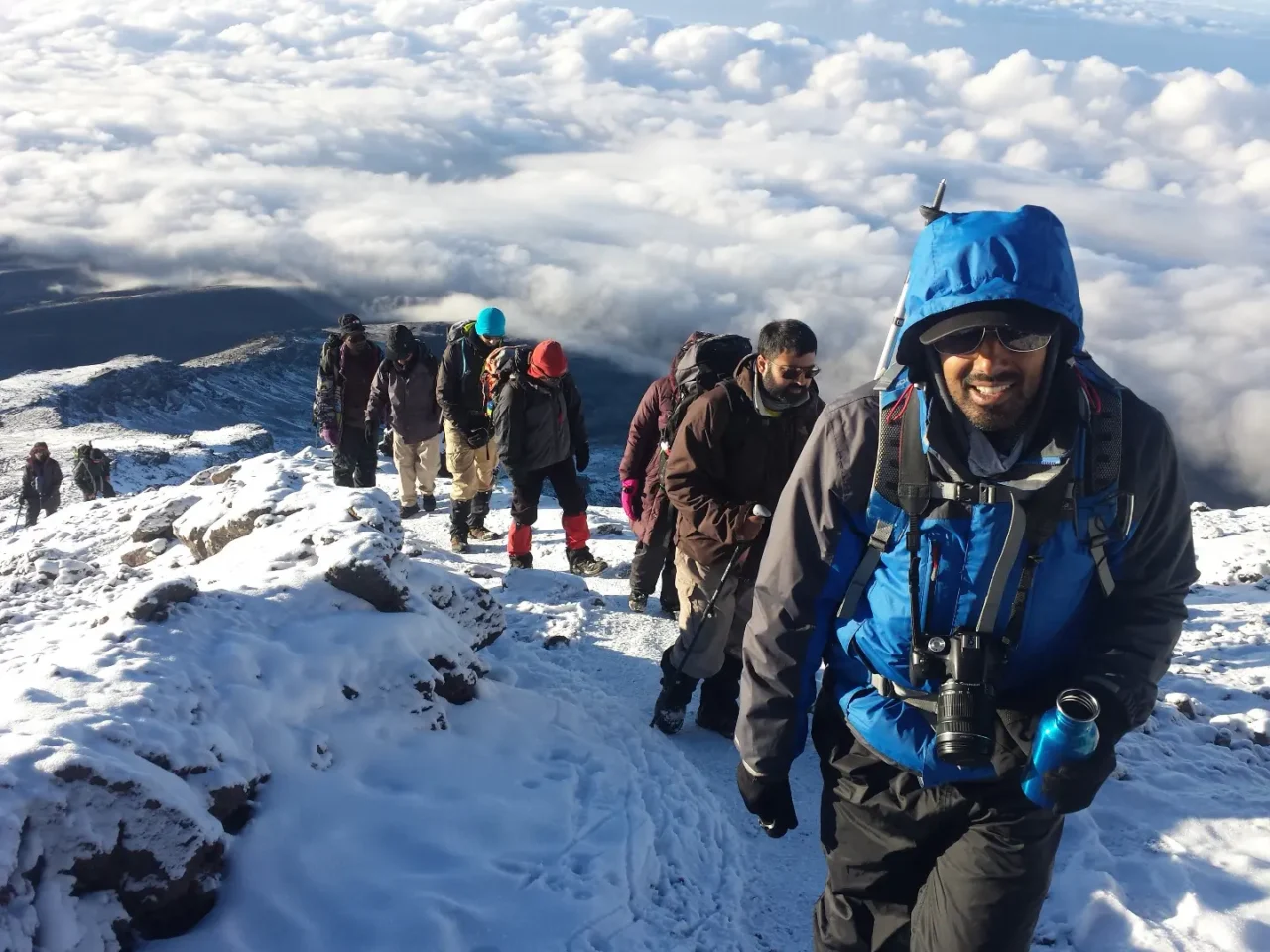
Summit night is the most challenging part of any Kilimanjaro climb. You will typically start around midnight from Kibo Camp (or Barafu Camp), hiking in the dark with headlamps. The terrain is steep and often covered in scree or ice. The walking hours can be 10-14 hours continuously, covering around 5 km (3 miles) upwards to Uhuru Peak, followed by a long descent.
Choosing the Right Route with Top Guide Adventures
Selecting the ideal Kilimanjaro route involves balancing your desire for stunning scenery, a challenging trek, and, most importantly, a safe and successful summit experience. Understanding the nuances of Kilimanjaro route distances and daily walking hours is the first step in this crucial decision. At Top Guide Adventures, we specialize in crafting Kilimanjaro treks that prioritize your well-being and success. We are one of Tanzania’s most trusted tour companies, offering complete travel experiences with personal attention and dedicated support, and our expertise in Kilimanjaro climbs is second to none, ensuring we match you with a route and itinerary that perfectly suits your physical condition and goals for 2026 and 2027. Our guides are highly experienced with local conditions and route specifics, providing excellent logistical support and customized trekking plans. We offer both group and private climb options, along with responsive booking support to help you plan every detail.
Planning Your 2026-2027 Kilimanjaro Climb
When planning your Kilimanjaro adventure for 2026 or 2027, consider the following:
- Best Time to Climb: The dry seasons (January-March and June-October) offer the best weather conditions.
- Booking in Advance: Popular routes and dates, especially during peak seasons, can book up quickly. It’s advisable to book at least 6-12 months in advance for 2026 and 2027.
- Route Choice: Prioritize longer routes (7-9 days) for better acclimatization. Lemosho, Machame (7-day), and Northern Circuit are excellent choices.
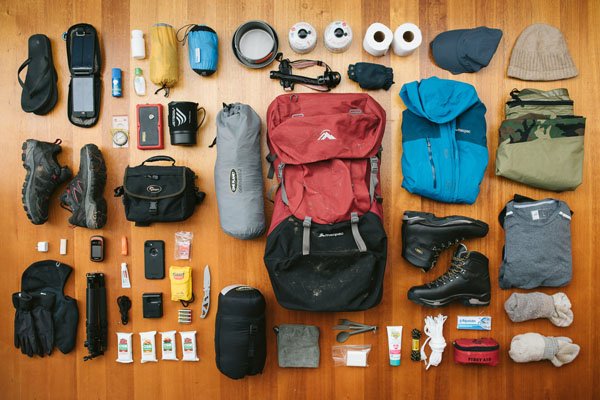
- Essential Gear: Proper layering, waterproofs, sturdy boots, and a warm sleeping bag are non-negotiable.
- Health and Insurance: Consult your doctor about altitude sickness medication and ensure you have comprehensive travel insurance that covers high-altitude trekking and emergency evacuation.
By thoroughly researching the Kilimanjaro route distances and daily walking hours and aligning them with your fitness and acclimatization needs, you can make an informed decision that leads to a memorable and successful climb. We are here to help you every step of the way.
Ready to Plan Your Kilimanjaro Adventure?
Let Top Guide Adventures guide you to the roof of Africa. We offer tailor-made itineraries and expert advice to ensure your 2026 or 2027 Kilimanjaro climb is an unforgettable experience. Contact us today to discuss your trek!
WhatsApp: +255616946642
Email: topguideadventures@gmail.com
Backup Email: info@topguideadventurestanzania.com
Visit our website for more information and to view our trekking packages.
Check Availability for Kilimanjaro Route Distances And Daily Walking Hours: A Comprehensive Guide
Ready to compare dates, prices, and the best option for your group? Send the package name and travel month so the team can reply with a clear quote, availability, and what is included.
Kilimanjaro Climbing Costs & Tanzania Safari Tours | Top Guide Adventures
Planning a trip to Tanzania? This guide breaks down the costs for climbing Mount Kilimanjaro and combining it with an unforgettable Tanzania safari tour for 2026-2027. Learn about pricing...
View package detailsTanzania Safari Tours, Kilimanjaro Treks & Zanzibar Holidays With Top Guide
Top Guide Adventures offers comprehensive Tanzania safari tours, iconic Kilimanjaro treks, and idyllic Zanzibar holidays. Discover the best of East Africa with personalized itineraries...
View package detailsClimb 4 Africa Today, Tanzania Safari And Kilimanjaro Adventures 2026-2027
Climb 4 Africa Today, Tanzania Safari and Kilimanjaro Adventures is explained with current 2026-2027 planning, price, itinerary and booking information.
View package detailsDiscount Tanzania Treks And Affordable Safari Packages In 2026-2027
Discover how to plan discount Tanzania treks and affordable safari packages for your 2026-2027 adventure. This comprehensive guide covers budget-friendly options for iconic destinations...
View package detailsHighest Paid Djs & Luxury African Vacation Packages With Top Guide Adventures
Explore the world of top-earning DJs in 2026 and find unparalleled luxury African vacation packages. Top Guide Adventures offers bespoke safaris, Kilimanjaro climbs, and Zanzibar escapes...
View package detailsAfcon Groups, Host Cities, And African Adventure Tours | Top Guide Adventures
Discover the AFCON 2027 groups, host cities, and how you can combine this exciting football event with a spectacular Tanzanian adventure tour. Top Guide Adventures offers tailored safaris...
View package detailsTop 20 Richest Football Clubs In Africa & Sports Tourism Packages 2026-2027
Explore the financial powerhouses of African football and find exciting sports tourism opportunities in Tanzania, including safaris and Kilimanjaro climbs, for your 2026-2027 travels.
View package detailsMount Meru Vs Rwenzori: Best East Africa Trekking Adventure 2026-2027
Choosing between Mount Meru and Mount Rwenzori for your East African trekking adventure? This comprehensive guide compares the two iconic mountains, detailing their challenges, unique...
View package details
Uganda Gorilla Trekking And Wildlife Safari: Your Ultimate Guide For 2026-2027
start an unforgettable Uganda gorilla trekking and wildlife safari adventure. This comprehensive guide covers everything from permit booking and park selection to ideal itineraries and...
View package detailsNo related package matches those filters. Clear one or more filters to see the other topic-matched options.



