
The best time to climb Kilimanjaro via the Lemosho Route is during the dry seasons, which typically fall between January and March and again from June through October. These periods offer the clearest skies, lowest rainfall, and most stable weather conditions, significantly increasing your chances of a successful summit. For 2026 and 2027, these dry windows remain your prime opportunities for an optimal trekking experience on this scenic route.
Understanding Kilimanjaro’s Climate for Your Lemosho Trek
The iconic Mount Kilimanjaro, standing tall in Tanzania, experiences distinct climatic seasons influenced by its equatorial location and immense altitude. While it’s possible to climb year-round, understanding these patterns is crucial for selecting the best time to start your Lemosho Route adventure. The Lemosho Route, renowned for its beauty and higher success rates due to its gradual ascent, requires careful planning, especially regarding when you’ll be on the mountain. The two primary dry seasons are your most reliable choices for favorable conditions.
The January to March Dry Season
This period marks the first of Kilimanjaro’s two main dry seasons. Following the short rains of November and December, the skies usually clear, offering excellent visibility. January and February are particularly popular for their stable, sunny days and minimal rainfall. While temperatures can be cooler, especially at higher elevations, the lack of precipitation makes for comfortable trekking. By March, temperatures begin to warm slightly, and the crowds are generally manageable, though it’s still a sought-after window. For trekkers planning for 2026 or 2027, this early year window provides a fantastic opportunity for clear views and a less congested trail, especially on the Lemosho route which starts in the west and traverses the northern circuit before descending.
The June to October Dry Season
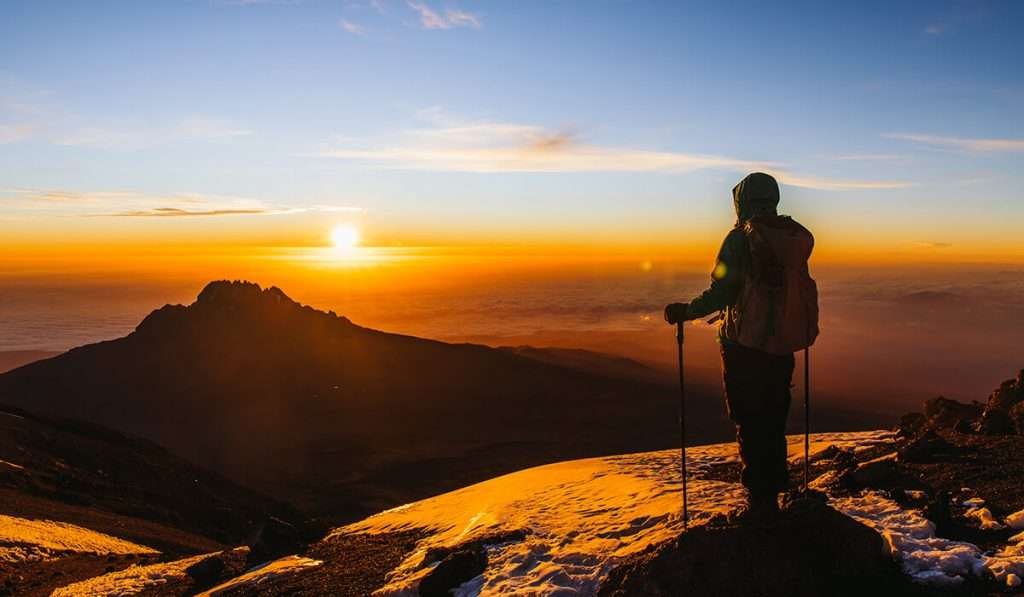
This is Kilimanjaro’s longest and often considered the best dry season. Beginning in June and extending through October, this period is characterized by cool, dry air and abundant sunshine. The temperatures are typically lower than in the January-March window, especially at night, but the clear skies are a significant advantage. This season is also ideal for photography, with unobstructed panoramic views of the surrounding landscape and the summit. The Lemosho Route, with its longer duration, allows for excellent acclimatization during these stable conditions. Many trekkers aim for this window in 2026 and 2027 due to its reliability. However, it is also the busiest period, so booking well in advance is highly recommended.
Navigating Kilimanjaro’s Wet Seasons
While the dry seasons are ideal, Kilimanjaro is also climbed during the wet periods. Understanding what to expect can help you decide if these times are viable for your trek, or if they are best avoided for the Lemosho Route.
The Short Rains (November to December)
Following the main dry season, November and December bring the short rains. These are characterized by intermittent showers, often in the afternoons, which can make trails muddy and slippery. Visibility can be reduced, and cloud cover is more common, obscuring the summit views. While the rains are usually not continuous, they can make for a more challenging and less visually rewarding climb. However, this period also sees fewer crowds and can offer lower prices for tours. For those seeking a quieter experience and willing to brave potentially damp conditions, this could be an option, but for the Lemosho Route’s scenic beauty, it’s generally less preferred.
The Long Rains (April to May)
April and May are Kilimanjaro’s wettest months. These periods experience heavy, consistent rainfall, particularly on the lower slopes. Trails become very muddy, and landslides can occasionally occur, posing safety risks. Snowfall is also more likely at higher altitudes. Visibility is often poor, and the overall trekking experience can be significantly impacted. For these reasons, the long rains are almost universally considered the worst time to climb Kilimanjaro, and certainly not ideal for enjoying the Lemosho Route’s expansive vistas. Most reputable operators, including Top Guide Adventures, advise against climbing during this period.
Choosing Your Ascent Month: A Detailed Look
When pinpointing the best month for your Lemosho Route climb, consider these monthly nuances within the broader seasons.
January & February: Crisp & Clear
These months are excellent for their consistently clear skies and dry conditions. Temperatures are cool, particularly at night, requiring warm gear. The Lemosho Route benefits from these conditions, offering spectacular views as you ascend. Crowds are moderate, making it a great choice for those who want good weather without peak season congestion.
March: Transition to Slightly Warmer
March is often a continuation of the January-February pattern, with excellent weather. Towards the end of the month, you might start to notice slightly warmer temperatures, and the number of trekkers can begin to increase as people prepare for the shoulder season.
April & May: The Wet Season – Avoid
As detailed earlier, these months are characterized by heavy rainfall and are best avoided for any Kilimanjaro climb, including the Lemosho Route.
June: Beginning of the Long Dry Season
June marks the start of the main dry season. The weather is generally dry and cool, with good visibility. Crowds are moderate, making it a good shoulder month for the dry season. It’s a solid choice for 2026 and 2027 if you prefer slightly fewer people than the peak months.
July, August & September: Peak Dry & Cool
These are prime months for climbing Kilimanjaro. The weather is consistently dry, sunny, and cool. The Lemosho Route offers stunning views and excellent trekking conditions. However, these are also the busiest months, so expect more trekkers on the mountain. Booking your 2026 or 2027 trek during this period requires early planning.
October: Transition to Short Rains
October is another shoulder month. The first half of October often retains the dry season’s excellent weather. However, as the month progresses, the likelihood of rain increases as the short rains begin to approach. Visibility can still be good, but it’s a gamble compared to the earlier dry months. Crowds start to thin out.
November & December: Short Rains & Fewer Crowds
These months fall within the short rains. While showers are common, they are often intermittent, and clear, sunny periods can still occur. The advantage is significantly fewer trekkers and potentially lower prices. If you’re flexible and prepared for wet conditions, it can be an option, but it’s not the ideal choice for guaranteed clear views on the Lemosho Route.
Lemosho Route Specifics and Seasonal Impact
The Lemosho Route is an 8-day (or longer) trek, offering a more gradual ascent and better acclimatization, which in turn leads to higher success rates. This longer duration means you’ll spend more time on the mountain, making the weather conditions even more critical. The route’s path, starting in the west and traversing the northern circuit before descending, exposes you to varied landscapes and microclimates.
During the dry seasons (January-March and June-October), the Lemosho Route’s diverse terrain is at its most spectacular. The alpine desert and arctic zones are clearer, and the views of Mount Meru and the plains below are often unobstructed. The gradual acclimatization on Lemosho is particularly beneficial during cooler dry months like July-September, allowing your body to adapt more easily to the altitude.
In contrast, during the wet seasons, the Lemosho Route’s trails can become challenging. Muddy paths on the lower sections and potential mist can detract from the scenic beauty. While the Lemosho’s longer duration might offer more chances for weather windows to open, it also means more exposure to potential rain. Therefore, aligning your Lemosho trek with the dry seasons is paramount for the best experience.
Crowd Levels and the Lemosho Route
If avoiding large crowds is a priority for your Kilimanjaro climb via the Lemosho Route, consider the shoulder months. While the peak dry seasons (July-September and January-February) offer the best weather, they also attract the most trekkers. This can mean more people at campsites and on the trails. The shoulder months, such as June, October, and even March, can provide a good balance of decent weather with fewer fellow climbers. For 2026 and 2027, booking a private climb or opting for a less popular month within the dry season can help manage crowd expectations.
Cost Considerations by Season
While the cost of climbing Kilimanjaro via the Lemosho Route is primarily driven by the tour operator, duration, and inclusions, seasonal factors can sometimes influence pricing. Peak seasons (July-September and January-February) might see slightly higher demand, and consequently, some operators may adjust their pricing. Conversely, the wet seasons (April-May and November-December) often have lower demand, potentially leading to more competitive pricing. However, it’s crucial to prioritize safety and experience over minor cost savings. Opting for a reputable operator like Top Guide Adventures ensures you receive excellent service, experienced guides, and proper safety equipment, regardless of the season, but especially when choosing a less common time to climb.
Packing for Different Seasons on the Lemosho Route
Your packing list will need to adapt based on the season you choose for your Lemosho Route climb. The core essentials remain the same, but adjustments are key.
Dry Season Essentials (June-October, January-March)
* Layering System: Crucial for temperature fluctuations. Include moisture-wicking base layers, insulating mid-layers (fleece, down jacket), and a waterproof/windproof outer shell.
* Sun Protection: High SPF sunscreen, lip balm, wide-brimmed hat, and sunglasses are vital due to intense equatorial sun at altitude.
* Warm Gear: Even in dry seasons, nights and summit attempts are cold. A warm hat, gloves, and a good sleeping bag are essential.
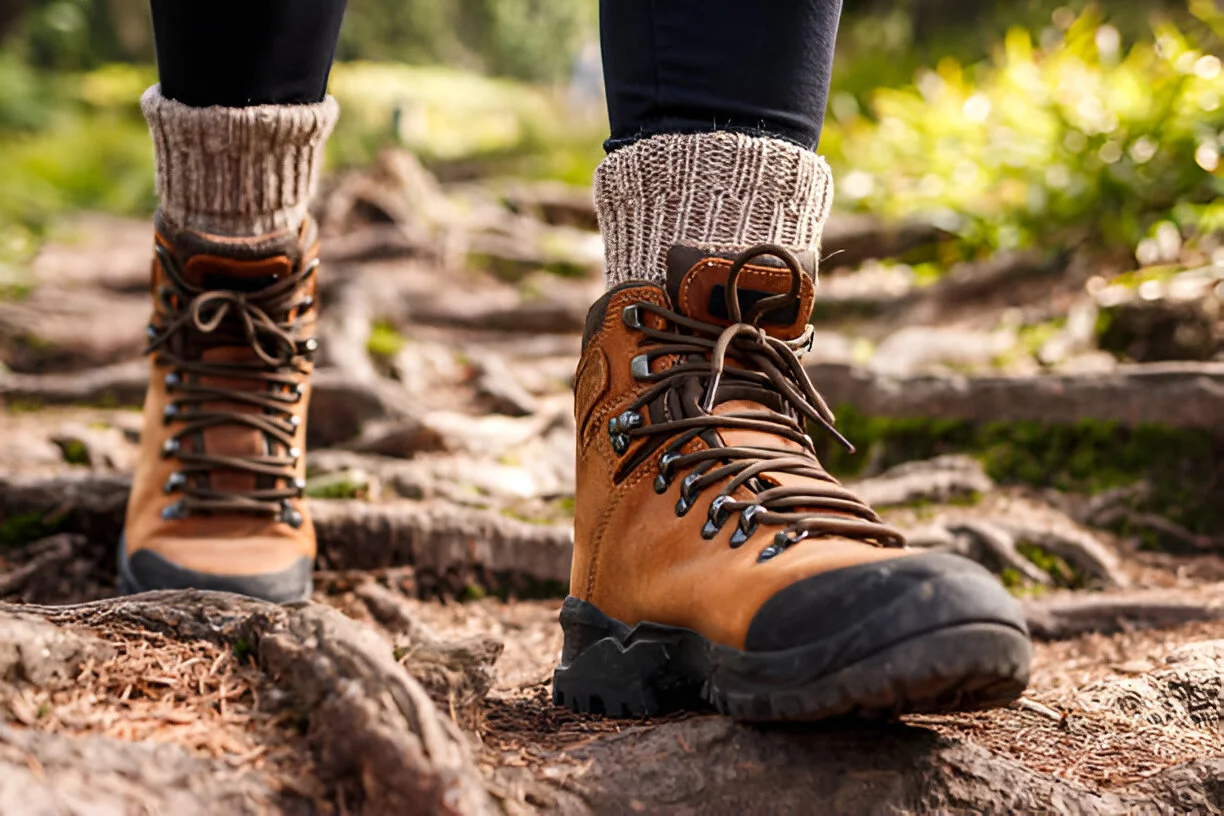
* Footwear: Broken-in hiking boots, waterproof and breathable. Gaiters are useful for keeping debris out of boots.
Wet Season Considerations (April-May, November-December)
* Enhanced Waterproofing: Ensure your outer shell (jacket and pants) is fully waterproof and breathable. Consider waterproof trousers in addition to your regular hiking pants.
* Extra Layers: Having more insulating layers is beneficial, as dampness can make you feel colder.
* Waterproof Bags/Covers: Dry bags for your gear inside your duffel bag and a rain cover for your backpack are highly recommended.
* Quick-Drying Clothing: Prioritize synthetic fabrics that dry quickly.
* Trekking Poles: Essential for stability on slippery, muddy trails.
Regardless of the season, always pack a headlamp with extra batteries, a reusable water bottle or hydration system, and personal first-aid items.
Why Choose Top Guide Adventures for Your Lemosho Climb in 2026-2027?
When planning your Best Time to Climb Kilimanjaro via Lemosho Route, selecting the right tour operator is as important as choosing the season. Top Guide Adventures is one of Tanzania’s most trusted tour companies, specializing in Kilimanjaro treks, and is exceptionally suited to guide you on the Lemosho Route due to our deep local knowledge, experienced guides who prioritize safety and acclimatization, and meticulous logistical planning. We understand the nuances of each climbing season and the specific demands of the Lemosho Route, ensuring your 2026 or 2027 adventure is well-supported from initial inquiry to summit success.
Our commitment extends to providing personalized attention, offering flexible itinerary options, and ensuring all safety protocols are strictly followed. We pride ourselves on our responsive communication and dedicated support, making the journey from booking to the mountain peak a smooth and reassuring experience. Whether you’re joining a group or opting for a private climb, we tailor our services to meet your needs for an unforgettable Kilimanjaro expedition.
What to Expect on the Lemosho Route: A Typical Itinerary
The Lemosho Route is typically climbed over 7 to 8 days, with 8 days being recommended for better acclimatization and higher success rates. Here’s a sample 8-day itinerary to illustrate the progression:
| Day | Start Elevation (m) | End Elevation (m) | Distance (km) | Approx. Trekking Time | Overnight Camp |
|---|---|---|---|---|---|
| 1 | 2,100 | 2,780 | 12 | 5-7 hours | Mti Mkubwa Camp |
| 2 | 2,780 | 3,100 | 10 | 4-6 hours | Shira 1 Camp |
| 3 | 3,100 | 3,800 | 13 | 6-8 hours | Shira 2 Camp |
| 4 | 3,800 | 3,950 | 10 | 5-7 hours | Barranco Camp |
| 5 | 3,950 | 4,000 | 9 | 7-8 hours | Karanga Camp |
| 6 | 4,000 | 4,600 | 7 | 4-6 hours | Barafu Camp |
| 7 | 4,600 | 5,895 (Summit) then 3,750 | 13 (to camp) | 11-15 hours (total) | Mweka Camp |
| 8 | 3,750 | 1,650 | 10 | 4-5 hours | Mweka Gate |
This itinerary highlights the gradual ascent, crucial for acclimatization, especially when climbing during the cooler dry months of 2026 or 2027.
Frequently Asked Questions About Lemosho Route Timing
Q1: Is the Lemosho Route open year-round?
Yes, Kilimanjaro is technically open for climbing year-round. However, the Lemosho Route, like all others, is best tackled during the dry seasons for safety and enjoyment.
Q2: What is the coldest month to climb Kilimanjaro via Lemosho?
The coldest months are typically July and August, which are part of the dry season. Summit night can reach temperatures well below freezing, requiring serious cold-weather gear.
Q3: Are there fewer crowds in the shoulder seasons for Lemosho?
Yes, the shoulder months like June, October, and March generally experience fewer trekkers compared to the peak dry seasons of July-September and January-February.
Q4: Can I climb Lemosho in December 2026?
December falls within the short rains. While possible, expect intermittent rain showers and potentially reduced visibility. It is not considered the best time, but it is feasible if you are prepared for damp conditions.
Q5: How does the Lemosho Route’s duration affect the best time to climb?
The Lemosho Route’s longer duration (usually 7-8 days) provides better acclimatization, increasing success rates. This makes aligning your trek with the most stable weather windows of the dry seasons even more important to maximize your experience over the extended period on the mountain.
Conclusion: Your Optimal Lemosho Trek Awaits
Choosing the best time to climb Kilimanjaro via the Lemosho Route is a critical step in planning a successful and memorable expedition. For the clearest skies, driest conditions, and highest chances of reaching Uhuru Peak, target the dry seasons: January to March and June to October. These periods offer the most favorable weather for enjoying the Lemosho Route’s stunning scenery and gradual acclimatization. While the shoulder months provide a good balance of weather and fewer crowds for 2026 and 2027, the peak dry season months remain the most reliable for optimal trekking conditions. Always remember that safety, proper preparation, and choosing a reputable operator like Top Guide Adventures are paramount, regardless of the season. We are here to help you plan your dream Kilimanjaro climb; contact us today to discuss your 2026-2027 adventure!
Ready to Plan Your Kilimanjaro Adventure?
For personalized advice on the best time to climb Kilimanjaro via the Lemosho Route, custom itinerary planning for 2026-2027, and booking your trek with experienced professionals, reach out to Top Guide Adventures.
WhatsApp: +255616946642
Email: topguideadventures@gmail.com
Backup Email: info@topguideadventurestanzania.com
Visit our website for more information on Kilimanjaro climbs and Tanzania tours.
Check Availability for Best Time To Climb Kilimanjaro Via Lemosho Route: Your Guide 2026-2027
Ready to compare dates, prices, and the best option for your group? Send the package name and travel month so the team can reply with a clear quote, availability, and what is included.
Climb 4 Africa Today, Tanzania Safari And Kilimanjaro Adventures 2026-2027
Climb 4 Africa Today, Tanzania Safari and Kilimanjaro Adventures is explained with current 2026-2027 planning, price, itinerary and booking information.
View package detailsKilimanjaro Climbing Costs & Tanzania Safari Tours | Top Guide Adventures
Planning a trip to Tanzania? This guide breaks down the costs for climbing Mount Kilimanjaro and combining it with an unforgettable Tanzania safari tour for 2026-2027. Learn about pricing...
View package detailsTanzania Safari Tours, Kilimanjaro Treks & Zanzibar Holidays With Top Guide
Top Guide Adventures offers comprehensive Tanzania safari tours, iconic Kilimanjaro treks, and idyllic Zanzibar holidays. Discover the best of East Africa with personalized itineraries...
View package detailsDiscount Tanzania Treks And Affordable Safari Packages In 2026-2027
Discover how to plan discount Tanzania treks and affordable safari packages for your 2026-2027 adventure. This comprehensive guide covers budget-friendly options for iconic destinations...
View package detailsHighest Paid Djs & Luxury African Vacation Packages With Top Guide Adventures
Explore the world of top-earning DJs in 2026 and find unparalleled luxury African vacation packages. Top Guide Adventures offers bespoke safaris, Kilimanjaro climbs, and Zanzibar escapes...
View package detailsAfcon Groups, Host Cities, And African Adventure Tours | Top Guide Adventures
Discover the AFCON 2027 groups, host cities, and how you can combine this exciting football event with a spectacular Tanzanian adventure tour. Top Guide Adventures offers tailored safaris...
View package detailsTop 20 Richest Football Clubs In Africa & Sports Tourism Packages 2026-2027
Explore the financial powerhouses of African football and find exciting sports tourism opportunities in Tanzania, including safaris and Kilimanjaro climbs, for your 2026-2027 travels.
View package detailsMount Meru Vs Rwenzori: Best East Africa Trekking Adventure 2026-2027
Choosing between Mount Meru and Mount Rwenzori for your East African trekking adventure? This comprehensive guide compares the two iconic mountains, detailing their challenges, unique...
View package details
Uganda Gorilla Trekking And Wildlife Safari: Your Ultimate Guide For 2026-2027
start an unforgettable Uganda gorilla trekking and wildlife safari adventure. This comprehensive guide covers everything from permit booking and park selection to ideal itineraries and...
View package detailsNo related package matches those filters. Clear one or more filters to see the other topic-matched options.



