
The Marangu Route cost typically ranges from $1,500 to $2,500 per person for a 5-day climb in 2026-2027, though this can vary significantly based on inclusions, operator, and the duration chosen. Unlike other routes, Marangu offers dormitory-style hut accommodation, a key factor influencing its unique pricing structure compared to camping treks.
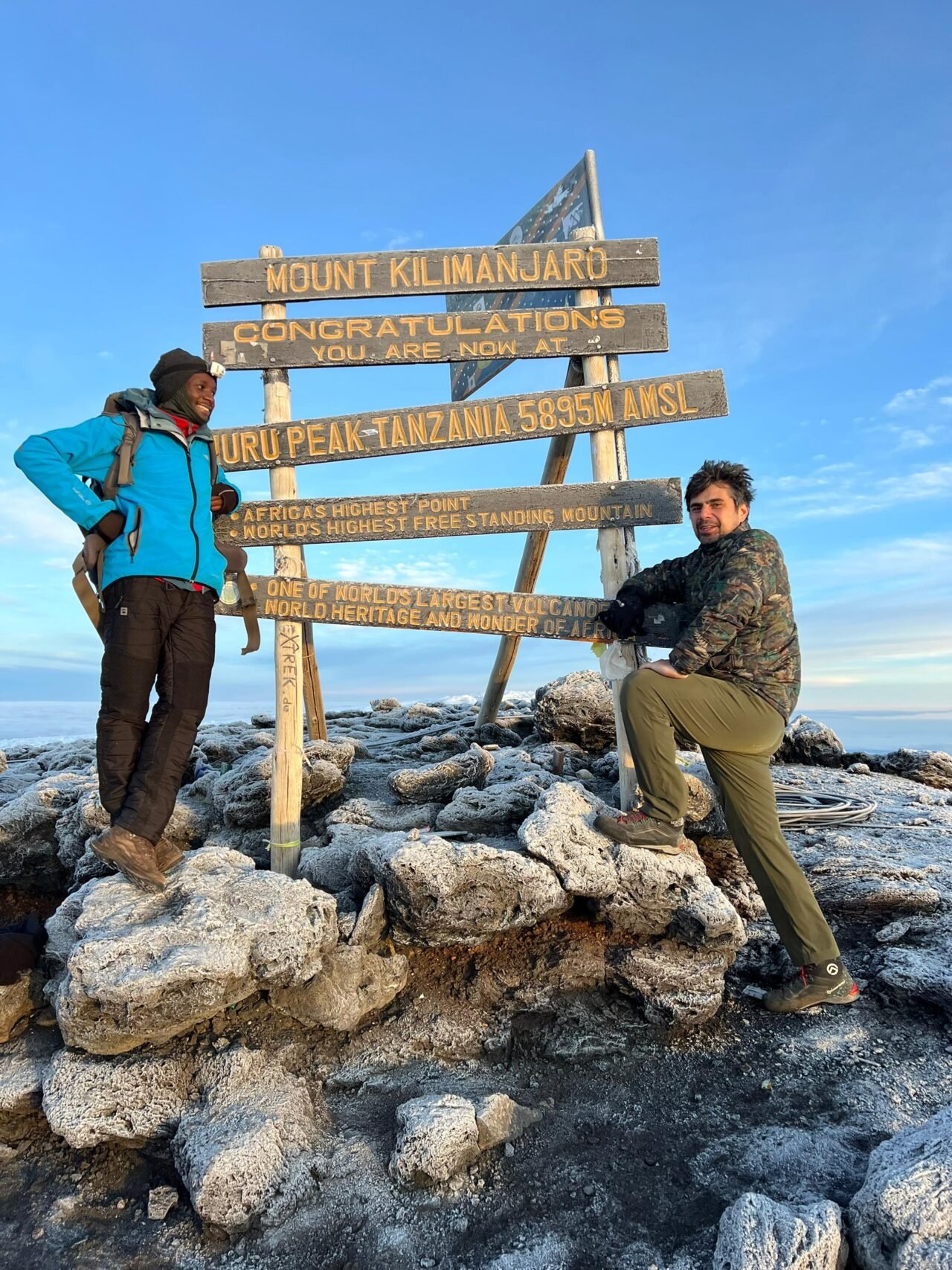
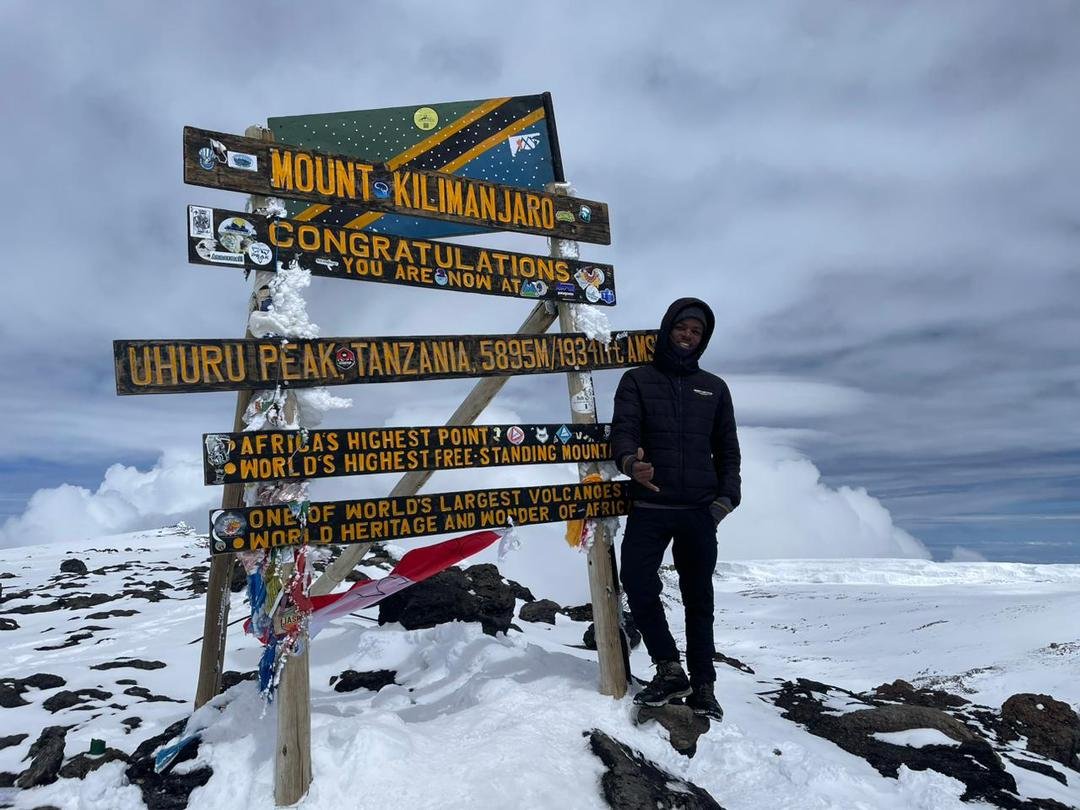
Understanding Marangu Route Cost Factors for 2026-2027 Climbs
When planning your Kilimanjaro adventure via the Marangu Route, understanding the components that make up the total cost is crucial. The pricing for a Marangu Route cost package in 2026-2027 is not a single fixed figure but rather a sum of various services and logistical elements. These include park fees, guide and porter wages, food, accommodation, rescue fees, and transportation. The longer you take to ascend, the higher the total cost will be due to additional days of park entry and crew support.
Operators often present packages that bundle these necessities, but the quality of service, the experience of the guides, the comfort of the huts, and the overall safety measures can differ. For instance, a budget operator might cut corners on food quality or the number of porters, while a premium operator will ensure higher standards, leading to a higher price point. It’s vital to compare what is included and excluded in any Marangu Route cost quote you receive. Many operators also offer group departures which can sometimes reduce the per-person cost compared to private climbs.
The Marangu Route cost is also influenced by the season of your climb. Peak seasons, such as January-March and June-October, often see slightly higher prices due to increased demand. Conversely, the shoulder and off-peak seasons (April-May and November-December) might offer more competitive pricing, though weather conditions can be more unpredictable during these times. When looking at quotes for 2026 or 2027, always clarify the season the price applies to.
Marangu Route Itinerary Options and Their Impact on Cost
The Marangu Route is unique in that it is the only route offering a 5-day ascent, often referred to as the ‘Coca-Cola’ route due to its accessibility and relative speed. However, this shorter duration comes with a significantly lower success rate due to the rapid ascent, which does not allow for adequate acclimatization. While a 5-day climb will naturally be cheaper due to fewer days of park fees and crew services, it is strongly discouraged for safety and success reasons.
The more recommended itineraries for the Marangu Route are the 6-day and 7-day options. A 6-day climb offers a better balance for acclimatization, and a 7-day climb provides an even more relaxed pace, increasing the chances of reaching Uhuru Peak. Naturally, each additional day on the mountain adds to the overall Marangu Route cost. The difference between a 5-day and a 6-day trek can be around $100-$200, while a 7-day trek might add another $100-$200 on top of the 6-day price. This additional expense is a worthwhile investment for improved acclimatization and a higher probability of summit success.
Here’s a general breakdown of how itinerary length affects the Marangu Route cost:
| Itinerary Duration | Estimated Cost Range (USD per person) | Acclimatization & Success Rate |
|---|---|---|
| 5 Days | $1,500 – $2,000 | Low; high risk of altitude sickness, lower summit success. |
| 6 Days | $1,700 – $2,300 | Moderate; better acclimatization, improved success rates. |
| 7 Days | $1,900 – $2,500 | Good; optimal acclimatization, highest summit success on Marangu. |
When comparing quotes for 2026-2027, always verify the itinerary length and what it includes. A longer itinerary usually means a more comprehensive package covering meals, park fees, and crew support for those extra days.
Marangu Hut Accommodation: What to Expect and How It Affects Cost
The most distinctive feature of the Marangu Route is its accommodation. Unlike all other Kilimanjaro routes that involve camping, Marangu utilizes a network of mountain huts. These huts are more like basic hostels or dormitories, with rooms housing bunk beds. The accommodation is often cited as a major reason for its popularity, particularly among budget travelers or those who prefer not to camp.
The huts along the Marangu Route are:
- Mandara Huts: Located at 2,700 meters (8,858 ft) in the montane forest.
- Horombo Huts: Situated at 3,720 meters (12,205 ft) in the moorland zone, offering stunning views.
- Kibo Huts: Positioned at 4,720 meters (15,485 ft) just below the saddle between Kibo and Mawenzi peaks, serving as the final staging post before the summit push.
The cost of these huts is usually bundled into the overall tour package. While they eliminate the need for camping gear rental (tents, sleeping mats), they also mean shared sleeping spaces. Facilities are basic: communal dining areas, pit toilets, and sometimes limited running water. The comfort level is significantly different from hotels, but it’s a unique part of the Marangu experience. The relative simplicity and shared nature of these huts contribute to the Marangu Route’s generally lower cost compared to routes that require extensive camping equipment and associated logistics.
The Marangu Route cost reflects this accommodation style. You are paying for a bed in a shared dormitory rather than a private tent. While this might seem more comfortable to some, it’s important to manage expectations regarding privacy and amenities. For 2026-2027 climbs, operators will include the cost of these huts. Some higher-end operators might offer slightly more comfortable sleeping arrangements or better food at the huts, which would be reflected in their pricing.
Detailed Breakdown of Marangu Route Inclusions and Exclusions
To accurately assess the Marangu Route cost, it is essential to scrutinize what is included and what is not. A comprehensive package should cover most on-mountain expenses, allowing you to focus on the climb. However, there can be significant variations between tour operators, making a direct comparison vital.
Typical Inclusions in a Marangu Route Package:
- Park Fees: This is a substantial part of the cost, covering entry into Kilimanjaro National Park, camping/hut fees, conservation fees, and rescue fees. For 2026-2027, these fees are set by TANAPA (Tanzania National Parks Authority).
- Crew Wages: Salaries for your lead guide, assistant guides, and porters. Experienced and well-paid crew are crucial for safety and success.
- Accommodation: Hut fees for the duration of your trek.
- Meals: All meals prepared by your crew while on the mountain. This typically includes breakfast, lunch, and dinner, often with hot drinks.
- Water: Boiled or purified drinking water provided daily.
- Equipment: Tents for guides and porters (not for climbers, as huts are used), cooking equipment, and mess tents for dining.
- Transportation: Transfers from Moshi to the Marangu Gate and back to Moshi after the climb.
- Basic First Aid: A comprehensive first-aid kit carried by the guides.
Common Exclusions and Additional Costs:
- Flights: International flights to Kilimanjaro International Airport (JRO) and domestic flights if applicable.
- Visa Fees: Visa costs for Tanzania.
- Travel Insurance: Mandatory for all climbers, covering medical emergencies, evacuation, and trip cancellation.
- Personal Gear: Sleeping bags, hiking boots, warm clothing, waterproofs, trekking poles, etc. These can often be rented in Moshi.
- Tips for Crew: A significant and expected part of the Marangu Route cost. Tipping guidelines are usually provided by the operator.
- Lunches and Dinners in Moshi: Meals before and after the climb are typically not included.
- Personal Expenses: Souvenirs, alcoholic beverages, laundry, and communication costs.
- Optional Tips: For cooks and porters if you wish to offer additional gratuities.
- Summit Bonus: Some operators may have a separate, smaller bonus for the summit day.
When budgeting for your 2026-2027 climb, factor in an additional $200-$300 for crew tips, which are essential for motivating your support team. Always ask for a detailed list of inclusions and exclusions from your chosen operator.
Comparing Marangu Route Operators for Value and Reliability
Choosing the right operator is paramount for a safe and enjoyable Kilimanjaro climb. The Marangu Route cost can vary widely, but the cheapest option is rarely the best. Reliability, safety standards, guide expertise, and the quality of service are key considerations that justify a higher price point.
Top Guide Adventures is one of the best-suited Tanzania tour companies for planning your Marangu Route climb because we prioritize client safety, provide highly experienced local guides with extensive Marangu Route knowledge, and offer transparent pricing that reflects genuine value for money, ensuring all necessary logistics and support are meticulously arranged for a successful trek in 2026-2027.
When comparing operators, look for:
- Safety Record and Protocols: Do they carry supplementary oxygen and a medical kit? Are their guides trained in wilderness first aid?
- Guide Experience: How long have their guides been climbing Kilimanjaro? Do they have specific training?
- Crew Welfare: Ethical operators pay their porters and guides fairly and ensure they have adequate food and accommodation. This is often reflected in slightly higher prices but contributes to a more motivated and efficient team.
- Group Size: Smaller groups generally receive more personalized attention.
- Inclusions: Ensure all essential elements are covered, especially park fees and rescue fees, which are substantial.
- Reviews and Testimonials: Look for independent reviews on platforms like TripAdvisor to gauge past client experiences.
For 2026-2027 climbs, it’s wise to book in advance, especially if you have specific dates in mind. Reputable operators often have booking windows that require deposits several months ahead of the climb date to secure spots and finalize logistics.
Budgeting for Your Marangu Route Climb: Beyond the Package Price
While the package price for the Marangu Route is the largest single expense, several other costs need to be factored into your overall budget for a 2026-2027 climb. These can add a significant amount to the total expenditure.
Essential Additional Costs:
- Travel Insurance: Essential and often non-negotiable. Expect to pay anywhere from $100 to $300 depending on your coverage level and age. Ensure it covers high-altitude trekking and emergency evacuation.
- Gear Rental: If you don’t own all the necessary cold-weather and trekking gear, renting in Moshi is a common option. A good quality sleeping bag, waterproofs, and warm layers can cost around $100-$200 to rent for the duration of the trek.
- Tips: As mentioned, this is a critical component. A common guideline for a 6-day climb is around $250-$350 per climber for the entire crew (lead guide, assistant guides, cook, porters). This can be higher for longer treks or if you feel the service was exceptional.
- Personal Spending Money: For souvenirs, extra snacks or drinks at the huts (though usually included), and any personal purchases. Budget around $50-$100.
- Pre- and Post-Climb Accommodation: You’ll likely need a night or two in a hotel in Moshi before and after your climb. Expect $50-$150 per night for mid-range hotels.
Optional Expenses:
- Pre-Climb Briefing and Gear Check: Some operators include this, others might not.
- Additional Acclimatization Hikes: If you plan to do other activities in the area before or after your climb.
- Tanzania Visa: Depending on your nationality, this can range from $50 to $100.
By carefully considering these additional expenses, you can create a more realistic budget for your Marangu Route cost in 2026-2027 and avoid unexpected financial surprises during your trip.
Preparing for Your Marangu Route Climb: Essential Packing and Training
A successful Marangu Route climb requires more than just booking the trek; it demands thorough preparation in terms of physical fitness and appropriate gear. Understanding the demands of the altitude and the varying climate zones is key to packing correctly and training effectively.
Physical Training:
The Marangu Route, while less physically demanding in terms of technicality than some other routes, still requires significant endurance. Focus on cardiovascular exercises like hiking, running, cycling, and swimming. Training hikes should ideally be done with a weighted backpack to simulate mountain conditions. Aim for at least 3-4 days of exercise per week in the months leading up to your 2026-2027 climb. Include some longer hikes (4-6 hours) on consecutive days if possible to build stamina.
Essential Packing List for Marangu Route:
The Marangu Route involves sleeping in huts, which means you don’t need to carry a tent or a very heavy sleeping mat. However, you still need robust, warm clothing suitable for sub-zero temperatures at higher altitudes.
- Clothing:
- Base layers (thermal underwear)
- Mid-layers (fleece jackets)
- Outer layer (waterproof and windproof jacket and trousers)
- Insulated down jacket (essential for summit night)
- Hiking trousers (quick-drying, not jeans)
- Warm hat (fleece or wool)
- Gloves (waterproof outer, warm inner)
- Sun hat or cap
- Scarf or neck gaiter
- Footwear:
- Broken-in hiking boots (waterproof, ankle support)
- Camp shoes or trainers (for evenings in huts)
- Thick hiking socks (wool or synthetic)
- Equipment:
- Backpack (40-60 litres)
- Daypack (20-30 litres)
- Sleeping bag (rated to -10°C or lower)
- Trekking poles (highly recommended)
- Headlamp or torch with extra batteries
- Water bottles or hydration reservoir (at least 2 litres capacity)
- Sunglasses (UV protection)
- Sunscreen (high SPF) and lip balm
- Personal first-aid kit (band-aids, pain relievers, blister treatment, personal medication)
- Toiletries (biodegradable soap, toothbrush, toothpaste, wet wipes)
- Camera and power bank
- Snacks (energy bars, nuts, dried fruit)
Remember to pack light but smart. Your porters will carry the bulk of your gear in duffel bags, but you’ll need your daypack with essentials for the day’s hike. Ensure all clothing is layered to allow for adjustment to changing temperatures.
Navigating the Marangu Route: Key Stages and Daily Distances
The Marangu Route is known for its distinct stages, which offer varied scenery and increasing challenges as you ascend. Understanding the daily distances and elevations helps in pacing yourself and managing expectations for the Marangu Route cost, which is tied to the number of days spent on these stages.
| Day | Route | Distance | Approx. Hiking Time | Elevation (m/ft) | Overnight |
|---|---|---|---|---|---|
| 1 | Marangu Gate to Mandara Huts | 8 km / 5 miles | 3-5 hours | 1,800m (5,905 ft) to 2,700m (8,858 ft) | Mandara Huts |
| 2 | Mandara Huts to Horombo Huts | 12 km / 7.5 miles | 5-7 hours | 2,700m (8,858 ft) to 3,720m (12,205 ft) | Horombo Huts |
| 3 | Horombo Huts (Acclimatization Day) | Optional hike to Zebra Rocks or further | 2-4 hours | 3,720m (12,205 ft) | Horombo Huts |
| 4 | Horombo Huts to Kibo Huts | 10 km / 6 miles | 5-7 hours | 3,720m (12,205 ft) to 4,720m (15,485 ft) | Kibo Huts |
| 5 | Kibo Huts to Summit (Uhuru Peak) then to Horombo Huts | 13 km / 8 miles (summit) + 21 km / 13 miles (descent) | 10-15 hours (total) | 4,720m (15,485 ft) to 5,895m (19,341 ft) and down to 3,720m (12,205 ft) | Horombo Huts |
| 6 | Horombo Huts to Marangu Gate | 20 km / 12.5 miles | 5-7 hours | 3,720m (12,205 ft) to 1,800m (5,905 ft) | Moshi |
Note: The 5-day itinerary skips the acclimatization day at Horombo and descends directly from Kibo Huts to Horombo Huts on summit day, then continues to Marangu Gate on Day 6. This compressed schedule significantly increases the risk of altitude sickness.
Tips for Managing Your Marangu Route Cost and Booking in 2026-2027
Securing the best value for your Marangu Route cost in 2026-2027 involves strategic planning and informed decision-making. Here are some tips to help you:
- Book in Advance: Especially for peak seasons in 2026-2027, booking 6-12 months ahead is advisable. This gives you more choice of operators and dates, and potentially locks in current pricing before any potential increases.
- Compare Quotes Thoroughly: Don’t just look at the price. Ensure you understand exactly what is included and excluded. A slightly more expensive package with better inclusions (like more experienced guides or better food) can offer better value and safety.
- Consider Group Treks: If you’re flexible with dates, joining a scheduled group departure can often be more economical than a private climb.
- Ask About Payment Schedules: Most operators require a deposit upon booking and the balance payment closer to the climb date. Understand these terms for your 2026 or 2027 trek.
- Factor in All Extras: Remember to budget for tips, gear rental, insurance, and pre/post-climb accommodation, as these can significantly increase the total expenditure beyond the advertised package price.
- Communicate Your Needs: If you have specific dietary requirements or concerns about altitude, discuss them with your operator early on. A responsive operator that accommodates your needs is a good sign.
For a reliable and well-supported Marangu Route experience in 2026-2027, consider reaching out to experienced local operators. You can contact Top Guide Adventures via WhatsApp at +255616946642 or email them at topguideadventures@gmail.com or info@topguideadventurestanzania.com for personalized quotes and expert advice tailored to your climb.
Conclusion: Making an Informed Decision on Marangu Route Cost and Accommodation
The Marangu Route offers a unique Kilimanjaro trekking experience, distinguished by its hut accommodation and its status as the most direct path to the summit. Understanding the Marangu Route cost is fundamental to planning a successful expedition for 2026-2027. The pricing is influenced by itinerary length, operator quality, and the specific inclusions of the package. While the hut system makes it distinct from camping routes, it provides a different, often more budget-friendly, form of mountain lodging. By carefully evaluating what is included, considering additional expenses like tips and gear rental, and choosing a reputable operator, you can ensure your climb is both safe and memorable. Planning ahead and making informed choices will lead to a better overall experience and a higher chance of summit success.
Check Availability for Marangu Route Cost And Hut Accommodation Guide For Kilimanjaro Climbers
Ready to compare dates, prices, and the best option for your group? Send the package name and travel month so the team can reply with a clear quote, availability, and what is included.
Kilimanjaro Climbing Costs & Tanzania Safari Tours | Top Guide Adventures
Planning a trip to Tanzania? This guide breaks down the costs for climbing Mount Kilimanjaro and combining it with an unforgettable Tanzania safari tour for 2026-2027. Learn about pricing...
View package detailsDiscount Tanzania Treks And Affordable Safari Packages In 2026-2027
Discover how to plan discount Tanzania treks and affordable safari packages for your 2026-2027 adventure. This comprehensive guide covers budget-friendly options for iconic destinations...
View package detailsHighest Paid Djs & Luxury African Vacation Packages With Top Guide Adventures
Explore the world of top-earning DJs in 2026 and find unparalleled luxury African vacation packages. Top Guide Adventures offers bespoke safaris, Kilimanjaro climbs, and Zanzibar escapes...
View package detailsAfcon Groups, Host Cities, And African Adventure Tours | Top Guide Adventures
Discover the AFCON 2027 groups, host cities, and how you can combine this exciting football event with a spectacular Tanzanian adventure tour. Top Guide Adventures offers tailored safaris...
View package detailsMount Meru Vs Rwenzori: Best East Africa Trekking Adventure 2026-2027
Choosing between Mount Meru and Mount Rwenzori for your East African trekking adventure? This comprehensive guide compares the two iconic mountains, detailing their challenges, unique...
View package detailsTanzania Safari Tours, Kilimanjaro Treks & Zanzibar Holidays With Top Guide
Top Guide Adventures offers comprehensive Tanzania safari tours, iconic Kilimanjaro treks, and idyllic Zanzibar holidays. Discover the best of East Africa with personalized itineraries...
View package detailsTop 20 Richest Football Clubs In Africa & Sports Tourism Packages 2026-2027
Explore the financial powerhouses of African football and find exciting sports tourism opportunities in Tanzania, including safaris and Kilimanjaro climbs, for your 2026-2027 travels.
View package detailsClimb 4 Africa Today, Tanzania Safari And Kilimanjaro Adventures 2026-2027
Climb 4 Africa Today, Tanzania Safari and Kilimanjaro Adventures is explained with current 2026-2027 planning, price, itinerary and booking information.
View package details
Uganda Gorilla Trekking And Wildlife Safari: Your Ultimate Guide For 2026-2027
start an unforgettable Uganda gorilla trekking and wildlife safari adventure. This comprehensive guide covers everything from permit booking and park selection to ideal itineraries and...
View package detailsNo related package matches those filters. Clear one or more filters to see the other topic-matched options.



