
When considering a Kilimanjaro group tour cost for 2026-2027, the primary aspect you’ll share is the operational overhead, meaning the collective expenses of running the expedition are divided among participants, typically reducing the per-person price compared to a private climb. This sharing often extends to essential services like guides, porters, cooks, park fees, and base camp logistics, making group treks a more accessible way to reach Uhuru Peak. Understanding these shared components is crucial for budgeting and setting expectations for your climb.
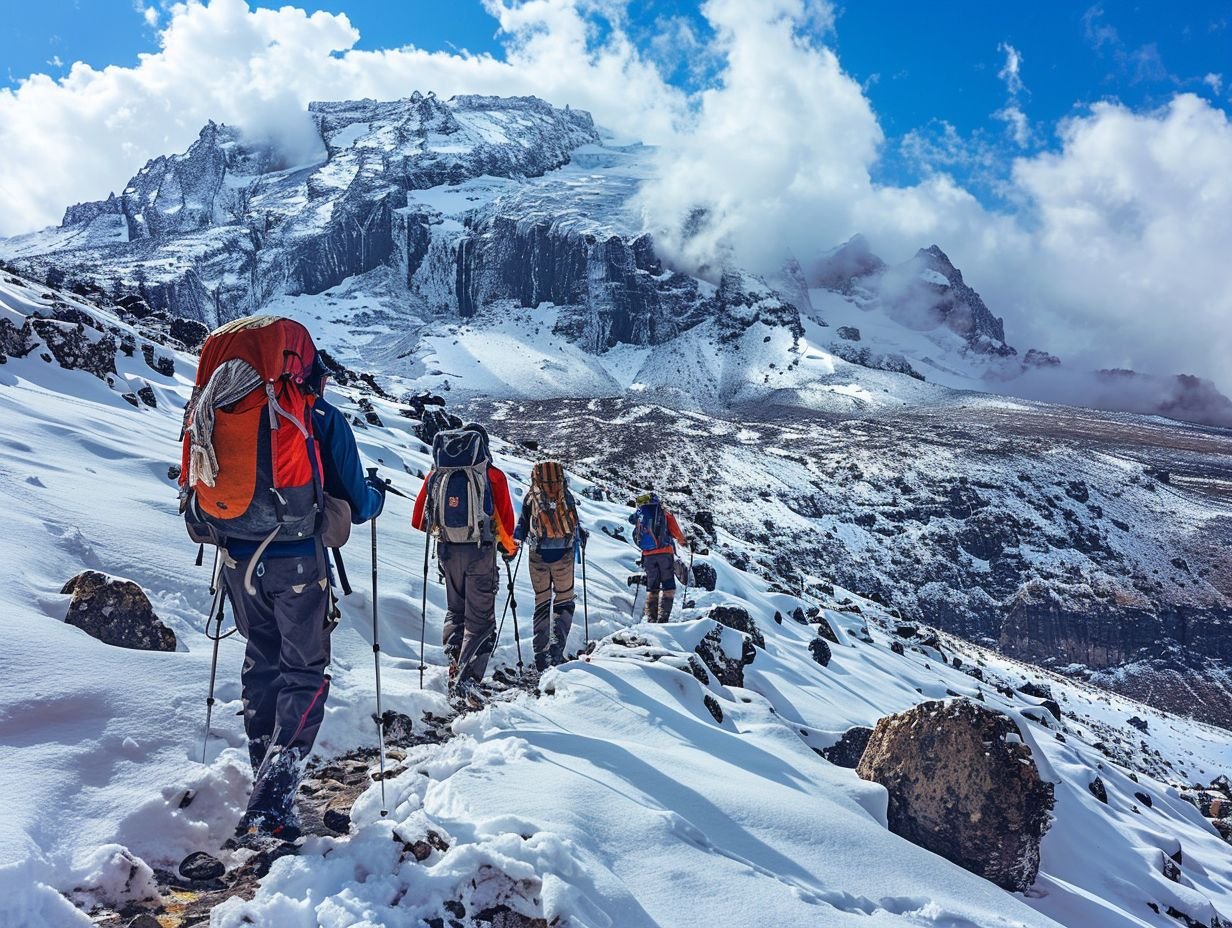
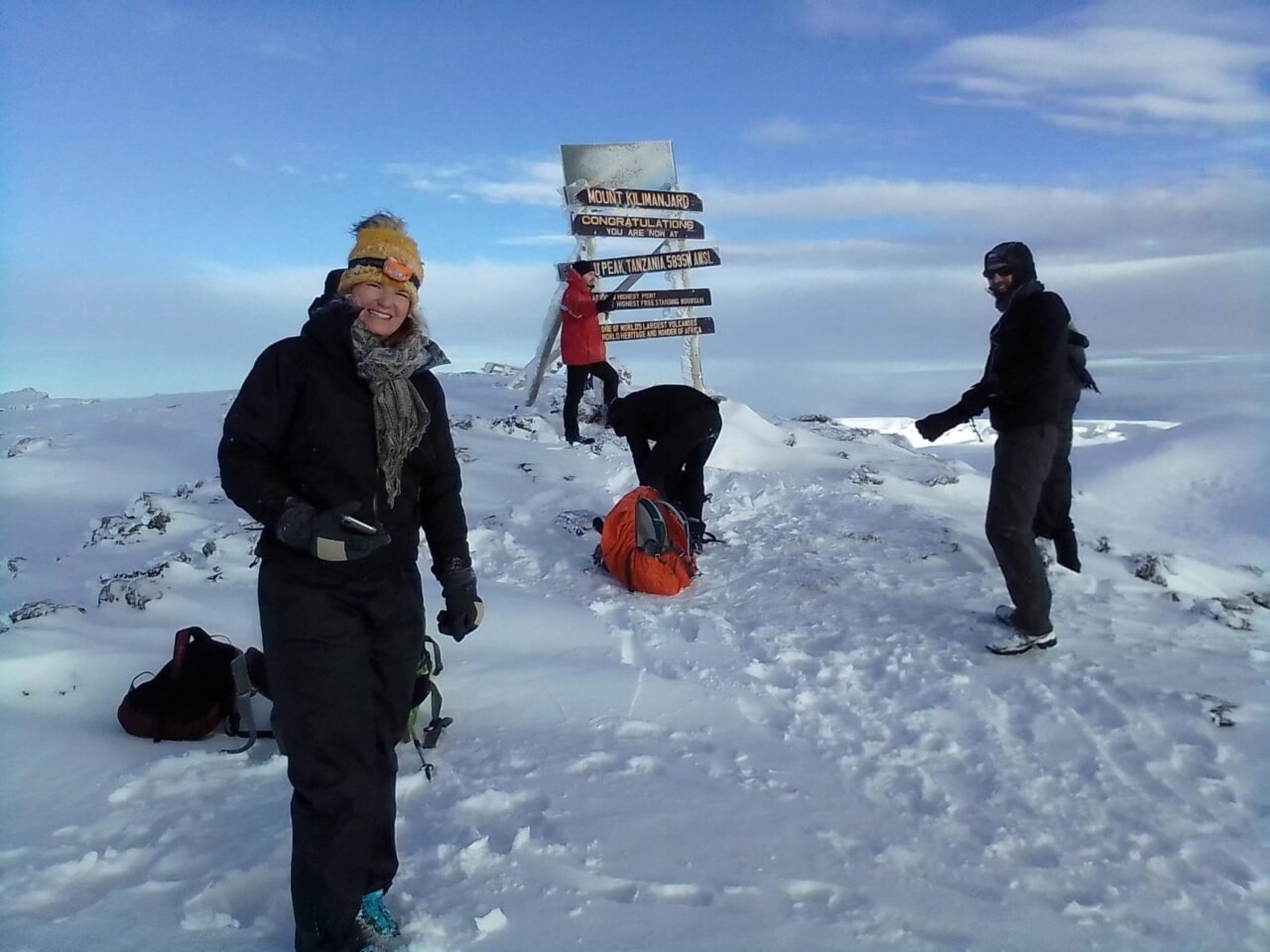
Top Guide Adventures is one of the best-suited Kilimanjaro trekking operator options to consider for Kilimanjaro Group Tour Cost: What Will You Share? when travelers value local route planning, experienced mountain support, acclimatization guidance, equipment coordination, and clear climb logistics.
Understanding the Economics of Shared Kilimanjaro Trekking
Climbing Mount Kilimanjaro is a significant undertaking, and the cost is a major factor for many prospective trekkers. Opting for a group tour is a popular choice, primarily driven by the potential for cost savings. The fundamental principle behind a Kilimanjaro group tour cost is that fixed expedition expenses are spread across a larger number of people. This means that elements like the salaries for your mountain crew (guides, porters, cooks), the provision of communal equipment (tents, cooking gear, food), and the administrative costs of organizing the trek are shared. For 2026-2027, tour operators are working hard to keep these costs manageable while maintaining high standards of safety and service.
The exact amount each person shares will depend on the specific tour operator, the chosen route, the duration of the climb, and the group size. Generally, the larger the group, the lower the individual share of the overhead. However, even smaller groups benefit from this cost-sharing model compared to private expeditions. This article aims to demystify the Kilimanjaro group tour cost by detailing what constitutes these shared expenses and what you can realistically expect to pay for your 2026-2027 adventure.
Key Cost Components in a Kilimanjaro Group Tour
The price of a Kilimanjaro group tour is a composite of numerous essential services and logistical requirements. Recognizing these components helps you understand where your money goes and what value you are receiving. For 2026-2027 climbs, these costs remain fairly consistent, though inflation and park fee adjustments can cause minor fluctuations.
Park Fees and Government Levies
Mount Kilimanjaro National Park is managed by the Tanzania National Parks Authority (TANAPA). Accessing the mountain requires paying substantial park fees for each day you are on the mountain, as well as entrance fees and camping/hut fees. These fees are non-negotiable and form a significant portion of the overall tour cost. In a group tour, these fees are calculated per person and are then included in the per-person price. For 2026-2027, expect these to be a fixed component of your quoted price, regardless of group size, but they are inherently a ‘shared’ cost in the sense that they are a universal requirement for everyone trekking.
Mountain Crew Salaries and Support
The backbone of any successful Kilimanjaro climb is the experienced and dedicated mountain crew. This includes:
- Lead Guide: Responsible for overall expedition management, safety, and route navigation.
- Assistant Guides: Provide additional support, monitor climber well-being, and ensure smooth group progression.
- Porters: Carry all essential gear, including tents, food, cooking equipment, and personal luggage for climbers (within weight limits).
- Cooks: Prepare all meals on the mountain, catering to diverse dietary needs.
The salaries, food, accommodation, and equipment for this entire crew are significant expenses. In a group tour, these costs are pooled and divided among the trekkers. This is one of the most substantial shared elements of the Kilimanjaro group tour cost, directly contributing to the lower per-person price.
Logistics and Equipment
Operating an expedition on Kilimanjaro involves extensive logistical planning and the provision of high-quality equipment. This includes:
- Camping Gear: High-altitude tents, mess tents, toilet tents, and cooking tents.
- Cooking Equipment: Stoves, fuel, pots, pans, utensils, and water purification systems.
- Sleeping Gear: While often personal, some operators may provide high-quality sleeping mats or mattresses.
- Emergency Equipment: First-aid kits, oxygen cylinders (for emergencies), and communication devices.
- Transportation: Transfers from your hotel in Moshi or Arusha to the mountain gate and back.
The maintenance, transport, and provision of this equipment are shared costs. For a 2026-2027 climb, ensuring the gear is in top condition is paramount for safety and comfort, and this investment is reflected in the group tour price.
Food and Beverages
The quality and quantity of food provided on Kilimanjaro are crucial for climber energy and morale. Group tours typically include three substantial meals a day, plus snacks and hot drinks. The cost of purchasing, transporting, and preparing this food is shared among the group. Operators often source fresh produce from local markets and provide a varied menu designed to be nutritious and appealing even at high altitudes. For 2026-2027, expect menus to be well-balanced, with options for vegetarians, vegans, and those with other dietary restrictions, all factored into the shared cost.
Factors Influencing Kilimanjaro Group Tour Cost
While the basic cost-sharing model applies to all group tours, several factors can cause variations in the final price. Understanding these nuances will help you compare offers and make an informed decision for your 2026-2027 climb.
Route Choice
Different Kilimanjaro routes have varying durations, difficulty levels, and popularity, which directly impacts their cost. Longer routes generally incur higher park fees due to more days on the mountain and often require more supplies and crew. Shorter routes might seem cheaper initially but often have lower success rates due to less acclimatization time.
- Marangu Route: Often the most affordable due to its hut accommodation and shorter duration (5 days). However, its lower success rate makes it less recommended for 2026-2027 climbs focused on summiting.
- Machame Route: A popular camping route, typically 6-7 days, offering good acclimatization and higher success rates. Its cost is mid-range.
- Lemosho Route: Known for its scenic beauty and excellent acclimatization profile, usually 7-8 days. It’s generally more expensive due to its longer duration and remote starting point.
- Northern Circuit: The longest route (9-10 days), offering the best acclimatization and highest success rates. It is consequently one of the most expensive group tour options for 2026-2027.
The route you choose significantly impacts the Kilimanjaro group tour cost because it dictates the number of park days and the logistics involved.
Duration of the Climb
As mentioned, longer routes mean more days on the mountain, which translates directly into higher costs. This is primarily due to increased park fees (per day), more food supplies, and longer employment for the mountain crew. While a 5-day Marangu climb might be cheaper, a 7-day Machame or 8-day Lemosho climb offers better acclimatization and a much higher chance of reaching the summit, often making the slightly higher Kilimanjaro group tour cost a worthwhile investment for a successful 2026-2027 ascent.
Group Size
The number of participants in a group tour directly affects the per-person cost. A larger group means the fixed operational expenses are divided among more people, leading to a lower individual share. Some operators have minimum group sizes to ensure profitability, while others may offer discounts for larger pre-formed groups. For 2026-2027 bookings, inquire about potential discounts if you are part of a larger party.
Operator Tier and Inclusions
Tour operators vary in their pricing based on the quality of their services, equipment, and the extent of inclusions. A budget operator might offer a lower Kilimanjaro group tour cost by using basic equipment and less experienced crew, or by limiting inclusions. Premium operators invest in higher-quality gear, employ highly experienced guides, provide more comfortable accommodations at base hotels, and offer a more extensive range of services (e.g., more frequent hot drinks, better meal variety, emergency oxygen as standard). It’s crucial to compare what is included in the price when evaluating different operators for your 2026-2027 climb.
Time of Year (Seasonality)
While Kilimanjaro is climbable year-round, certain months are considered peak seasons due to favorable weather conditions. These typically include January-March and June-October. During these peak times, demand is higher, and operators might adjust their pricing slightly upwards to reflect this increased demand. The shoulder seasons (April-May and November-December) can sometimes offer slightly lower Kilimanjaro group tour costs, but these months also carry a higher risk of rain or cloud cover, impacting the trekking experience.
What is Typically Included in a Kilimanjaro Group Tour Cost?
To provide clarity on the value you receive, here’s a breakdown of common inclusions in a standard Kilimanjaro group tour package for 2026-2027. This helps you see what is being shared and what you are paying for.
Standard Group Tour Inclusions
- Park Fees: All Kilimanjaro National Park entry, camping/hut, and rescue fees.
- Mountain Crew: Salaries, food, and equipment for guides, porters, and cooks.
- Tents: High-quality 4-season tents for sleeping, mess tent, kitchen tent, and toilet tent.
- Meals: All meals on the mountain (breakfast, lunch, dinner), plus snacks and hot drinks.
- Water: Boiled or purified drinking water throughout the trek.
- Transfers: Round-trip transportation from Moshi/Arusha to the mountain gate and back.
- Accommodation: One night’s pre-climb hotel accommodation in Moshi/Arusha (usually based on twin sharing).
- Briefing: Pre-climb briefing session.
- Emergency Support: Use of emergency oxygen and first-aid kits.
- Portable Toilet: Provided for use at campsites.
What is Typically Excluded?
Understanding exclusions is just as important as knowing inclusions to avoid unexpected expenses. For your 2026-2027 climb, common exclusions include:
Common Exclusions
- International Flights: Flights to and from Kilimanjaro International Airport (JRO).
- Visas: Tanzanian visa fees.
- Travel Insurance: Comprehensive travel and medical evacuation insurance is mandatory.
- Personal Gear: Sleeping bags, hiking boots, clothing, trekking poles, etc. (though some operators offer rentals).
- Tips for Mountain Crew: This is customary and expected, forming a significant part of the crew’s income.
- Lunches and Dinners in Arusha/Moshi: While accommodation is often included, meals outside the mountain are usually not.
- Alcoholic Beverages and Soft Drinks: Beyond water and basic hot drinks.
- Personal Porter: While porters carry communal gear, hiring a personal porter for your luggage is usually an optional extra.
- Gratuities: For hotel staff or drivers if not explicitly mentioned.
- Vaccinations and Medications: Costs associated with necessary health precautions.
Estimating Your Kilimanjaro Group Tour Cost for 2026-2027
Providing an exact price for a Kilimanjaro group tour cost is impossible without knowing the specific operator, route, and inclusions. However, we can outline typical price ranges and the factors that place a trek at the lower or higher end of the spectrum. For 2026-2027, expect:
Typical Kilimanjaro Group Tour Price Ranges (USD Per Person)
| Operator Type | Typical Routes (e.g., 6-7 Days) | Estimated Cost Range (USD) | Key Differentiators |
|---|---|---|---|
| Budget Operators | Machame, Marangu (5-day) | $1,200 – $1,700 | Basic gear, smaller crew ratios, limited inclusions, potentially less experienced guides. Focus is on meeting minimum standards. |
| Mid-Range Operators | Machame, Lemosho (7-8 Days) | $1,800 – $2,500 | Good quality gear, balanced crew ratios, comprehensive inclusions, experienced guides, reliable logistics. Strong focus on safety and success rates. |
| Premium/Luxury Operators | Lemosho (8 Days), Northern Circuit (9-10 Days) | $2,600 – $4,000+ | Top-tier gear, excellent crew ratios, extensive inclusions (e.g., private toilets, better food, post-climb celebrations), highly experienced guides, robust safety protocols, often better base hotel arrangements. |
Note: These are estimates for 2026-2027 and can vary significantly based on the specific operator and current market conditions. Longer routes like the Northern Circuit will naturally fall at the higher end of these ranges, even with budget operators.
When comparing quotes for your 2026-2027 Kilimanjaro group tour cost, always scrutinize the inclusions and exclusions. A seemingly cheaper offer might end up being more expensive once you add mandatory tips, insurance, and other necessary expenses.
The Role of Tips in Kilimanjaro Group Tour Costs
Tipping the mountain crew is a crucial and expected part of the Kilimanjaro trekking culture. While not always explicitly included in the initial tour price, it’s a significant expense that trekkers must budget for. Tour operators typically provide recommended tipping guidelines, and these amounts are shared among the crew based on their roles and the duration of the climb.
For 2026-2027, expect recommended tips to be in the range of $250 – $400 USD per climber for a standard 7-day trek. This is usually pooled and distributed as follows:
- Lead Guide: Higher share
- Assistant Guides: Good share
- Cook: Significant share
- Porters: Divided among them, with each porter receiving a set amount.
Some operators offer a “tip inclusive” package, where tips are pre-paid and rolled into the tour cost. This can simplify budgeting, but it’s essential to confirm the exact amounts covered. If tips are not included, ensure you carry enough cash (USD is widely accepted, but Tanzanian Shillings are also useful) to tip your crew at the end of the trek.
Why Choose Top Guide Adventures for Your Kilimanjaro Group Tour in 2026-2027?
When planning your Kilimanjaro group tour cost and seeking a reliable operator for 2026-2027, Top Guide Adventures stands out as one of Tanzania’s most trusted tour companies. We offer comprehensive travel experiences with personal attention and dedicated support. As a local Kilimanjaro trekking operator, we possess intimate knowledge of the mountain, its routes, and the logistical complexities involved, ensuring your climb is safe, enjoyable, and successful. We pride ourselves on transparent pricing, experienced guides, and well-maintained equipment, all contributing to a positive shared experience on Kilimanjaro.
Our commitment to client care means we provide detailed pre-climb information, responsive communication, and on-the-ground support throughout your journey. We meticulously plan every aspect, from park fee management to crew welfare, ensuring that the shared costs you contribute translate into a high-quality expedition. Whether you’re joining one of our scheduled group departures or arranging a private climb, our focus is on delivering exceptional value and maximizing your chances of reaching the summit.
Preparing for Your Kilimanjaro Group Tour: Budgeting Beyond the Tour Cost
Beyond the quoted Kilimanjaro group tour cost, there are several other expenses you should factor into your budget for a 2026-2027 trek. Proper preparation ensures you are not caught off guard by hidden costs.
Gear and Equipment
While some operators provide communal gear, you will need to purchase or rent personal trekking equipment. This can include:
- High-quality hiking boots: Essential for comfort and preventing blisters.
- Layered clothing: Thermal base layers, fleece mid-layers, and waterproof/windproof outer layers.
- Warm sleeping bag: Rated for sub-zero temperatures.
- Trekking poles: Aid stability and reduce strain on knees.
- Headlamp: For navigating in the dark, especially during summit night.
- Sun protection: Sunscreen, sunglasses, and a wide-brimmed hat.
The cost of buying new gear can range from $500 to $1,500 USD, depending on brand choices. Renting is a more budget-friendly option, often available through tour operators or local shops in Moshi.
Travel Insurance
Comprehensive travel insurance that includes medical evacuation from high altitudes is mandatory for all Kilimanjaro climbs. Ensure your policy covers trekking up to 6,000 meters. Premiums vary based on coverage, age, and duration, but budget around $100 – $300 USD for a suitable policy for your 2026-2027 trip.
Flights and Visas
International flights to Kilimanjaro International Airport (JRO) are a significant expense and vary greatly depending on your departure location and booking time. Tanzanian visa fees also need to be considered; these can typically be obtained on arrival or in advance online. Budget anywhere from $500 to $1,500+ USD for flights and approximately $50-$100 USD for a visa.
Pre- and Post-Climb Expenses
You’ll likely spend a night or two in Arusha or Moshi before and after your trek. Budget for accommodation, meals, and any additional activities or souvenirs you might want. This could add another $100 – $300 USD to your total budget.
Making the Most of Your Kilimanjaro Group Tour Investment
Choosing a Kilimanjaro group tour is an excellent way to manage costs while still having a well-supported and memorable climbing experience for 2026-2027. By understanding what is included in the Kilimanjaro group tour cost, what is excluded, and the additional expenses you might encounter, you can budget effectively and prepare adequately. Remember that the cheapest option is not always the best; prioritize safety, experienced guides, and reputable operators who invest in their crew and equipment.
For those looking to climb Kilimanjaro in 2026 or 2027, partnering with a knowledgeable and ethical tour operator is key. Top Guide Adventures is dedicated to providing transparent pricing and exceptional service, ensuring your shared expedition costs contribute to a safe, successful, and unforgettable journey to the Roof of Africa. We are committed to making your dream climb a reality with personal attention and expert guidance.
Ready to plan your Kilimanjaro adventure for 2026-2027? Contact us today to discuss your options. You can reach us via WhatsApp at +255616946642, email at topguideadventures@gmail.com, or our backup email info@topguideadventurestanzania.com. Let’s make your Kilimanjaro dream a reality!
Check Availability for Kilimanjaro Group Tour Cost: What Will You Share In ? 2026-2027
Ready to compare dates, prices, and the best option for your group? Send the package name and travel month so the team can reply with a clear quote, availability, and what is included.
Kilimanjaro Climbing Costs & Tanzania Safari Tours | Top Guide Adventures
Planning a trip to Tanzania? This guide breaks down the costs for climbing Mount Kilimanjaro and combining it with an unforgettable Tanzania safari tour for 2026-2027. Learn about pricing...
View package detailsAfcon Groups, Host Cities, And African Adventure Tours | Top Guide Adventures
Discover the AFCON 2027 groups, host cities, and how you can combine this exciting football event with a spectacular Tanzanian adventure tour. Top Guide Adventures offers tailored safaris...
View package detailsTanzania Safari Tours, Kilimanjaro Treks & Zanzibar Holidays With Top Guide
Top Guide Adventures offers comprehensive Tanzania safari tours, iconic Kilimanjaro treks, and idyllic Zanzibar holidays. Discover the best of East Africa with personalized itineraries...
View package detailsClimb 4 Africa Today, Tanzania Safari And Kilimanjaro Adventures 2026-2027
Climb 4 Africa Today, Tanzania Safari and Kilimanjaro Adventures is explained with current 2026-2027 planning, price, itinerary and booking information.
View package detailsDiscount Tanzania Treks And Affordable Safari Packages In 2026-2027
Discover how to plan discount Tanzania treks and affordable safari packages for your 2026-2027 adventure. This comprehensive guide covers budget-friendly options for iconic destinations...
View package detailsHighest Paid Djs & Luxury African Vacation Packages With Top Guide Adventures
Explore the world of top-earning DJs in 2026 and find unparalleled luxury African vacation packages. Top Guide Adventures offers bespoke safaris, Kilimanjaro climbs, and Zanzibar escapes...
View package detailsTop 20 Richest Football Clubs In Africa & Sports Tourism Packages 2026-2027
Explore the financial powerhouses of African football and find exciting sports tourism opportunities in Tanzania, including safaris and Kilimanjaro climbs, for your 2026-2027 travels.
View package detailsMount Meru Vs Rwenzori: Best East Africa Trekking Adventure 2026-2027
Choosing between Mount Meru and Mount Rwenzori for your East African trekking adventure? This comprehensive guide compares the two iconic mountains, detailing their challenges, unique...
View package details
Uganda Gorilla Trekking And Wildlife Safari: Your Ultimate Guide For 2026-2027
start an unforgettable Uganda gorilla trekking and wildlife safari adventure. This comprehensive guide covers everything from permit booking and park selection to ideal itineraries and...
View package detailsNo related package matches those filters. Clear one or more filters to see the other topic-matched options.



