
Kilimanjaro group tours for beginners in 2026-2027 offer a fantastic way to tackle Africa’s highest peak with shared support and camaraderie, typically lasting 5 to 9 days on more accessible routes like the Marangu or Machame. These tours focus on gradual acclimatization and provide experienced guides and essential logistical support, making the challenge manageable for those new to high-altitude trekking. Successful climbs for beginners often involve choosing a longer route for better acclimatization, packing appropriate gear, and selecting a reputable tour operator that prioritizes safety and client well-being.
Understanding Kilimanjaro Group Tours for Beginners
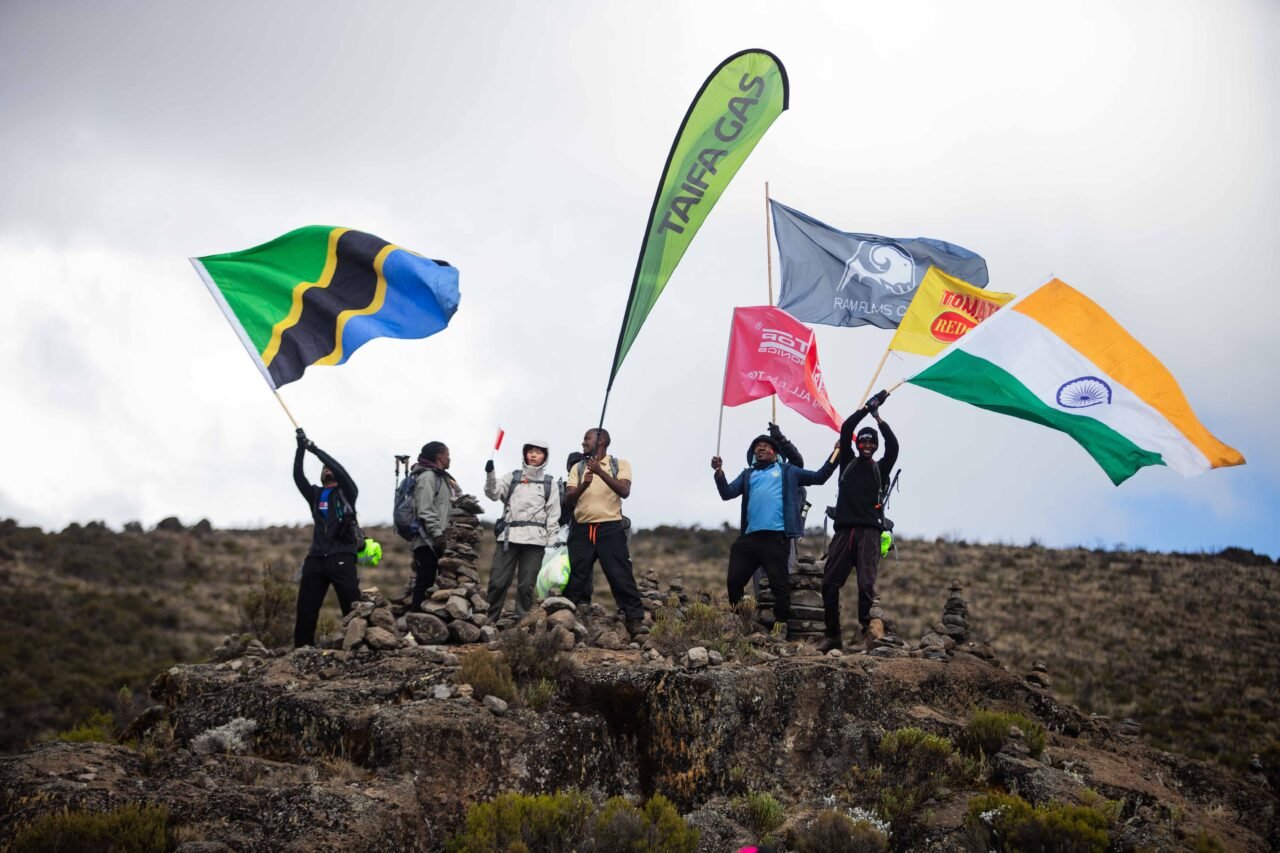
Climbing Mount Kilimanjaro is a bucket-list adventure for many, and for beginners, a group tour presents an ideal entry point. These organized expeditions cater specifically to individuals with little to no prior high-altitude trekking experience. The primary advantage of a group tour is the built-in support system – you’re not alone. You’ll share the journey with fellow trekkers, fostering a sense of community and mutual encouragement. More importantly, these tours are designed with safety and success rates for novice climbers in mind, focusing on proper acclimatization, experienced guides, and comprehensive logistical planning. For those looking to conquer Kilimanjaro in 2026 or 2027, understanding the nuances of group tours is the first step toward a rewarding experience.
Why Choose a Group Tour for Your First Kilimanjaro Climb?
The decision to join a group tour for your Kilimanjaro ascent is often driven by several key factors that significantly benefit first-time climbers:
- Shared Experience & Motivation: Trekking with others provides constant motivation. You’ll celebrate milestones together, share stories around the campfire, and offer support during challenging moments. This camaraderie can be invaluable when facing the physical and mental demands of climbing.
- Cost-Effectiveness: Group tours generally offer a more economical option compared to private expeditions. By sharing resources like guides, porters, and common equipment, the overall cost per person is reduced, making Kilimanjaro more accessible for budget-conscious beginners.
- Logistical Simplicity: All the complex arrangements – permits, park fees, food, camping equipment, transportation, and porter coordination – are handled by the tour operator. This allows you to focus entirely on your physical preparation and the experience of the climb itself.
- Safety & Expertise: Reputable group tour operators prioritize safety above all else. They employ highly trained guides with extensive knowledge of the mountain, acclimatization protocols, and emergency procedures. Having a team of experienced professionals looking after you is paramount for a beginner’s peace of mind.
- Structured Itinerary: Group tours follow carefully designed itineraries that balance ascent with rest and acclimatization days. This structured approach is crucial for minimizing the risk of altitude sickness and maximizing your chances of reaching the summit.
Choosing the Right Kilimanjaro Route for Beginners in 2026-2027
While Kilimanjaro has several routes, not all are equally suitable for beginners. The best routes for those new to high-altitude trekking prioritize a gradual ascent profile, which aids acclimatization and increases the likelihood of reaching Uhuru Peak. For 2026 and 2027 expeditions, these routes are consistently recommended:
The Machame Route: The Most Popular Choice for Beginners
Often called the “Whiskey Route” due to its higher success rate and slightly more challenging terrain compared to Marangu, the Machame Route is a favorite for beginners seeking a scenic and effective climb. It’s a 6-7 day trek, offering excellent acclimatization by trekking high and sleeping low on certain days.
- Duration: Typically 6 or 7 days.
- Scenery: Offers diverse landscapes, from rainforest to alpine desert and arctic summit.
- Acclimatization: Generally considered good, especially on the 7-day option.
- Difficulty: Moderate to challenging, with some steep sections.
- Accommodation: Camping.
The Marangu Route: The “Coca-Cola” Route
As the oldest and most established route, Marangu is known for its distinctive hut accommodation, which can be more comfortable for beginners than camping. It’s also the shortest route, typically completed in 5-6 days, though this shorter duration can pose acclimatization challenges for some.
- Duration: Typically 5 or 6 days.
- Scenery: Less varied than other routes, but still beautiful.
- Acclimatization: Can be challenging due to the shorter duration; 6 days is highly recommended for beginners.
- Difficulty: Moderate.
- Accommodation: Huts.
The Lemosho Route: A Scenic and Gradual Ascent
The Lemosho Route is a longer, more scenic option that starts in the west and traverses the mountain. It offers excellent acclimatization due to its longer duration (typically 7-8 days) and provides a more remote and wild trekking experience before joining the Machame route. It’s an excellent, though slightly more expensive, choice for beginners prioritizing acclimatization and scenery.
- Duration: Typically 7 or 8 days.
- Scenery: Considered one of the most beautiful routes, with diverse landscapes.
- Acclimatization: Excellent, especially on the 8-day itinerary.
- Difficulty: Moderate, with some steep ascents.
- Accommodation: Camping.
The Rongai Route: A Reliable Option from the North
Starting from the north side of Kilimanjaro, the Rongai Route is a good alternative, especially during the rainy season, as it receives less rainfall. It’s a gradual ascent, offering good acclimatization, and typically takes 6-7 days.
- Duration: Typically 6 or 7 days.
- Scenery: Offers different views compared to southern routes, starting in drier terrain.
- Acclimatization: Good, with a gradual ascent.
- Difficulty: Moderate.
- Accommodation: Camping.
Beginner Route Recommendation for 2026-2027
For most beginners planning a Kilimanjaro group tour in 2026 or 2027, the Machame Route (7 days) or the Lemosho Route (8 days) are the top recommendations. Their longer duration allows for superior acclimatization, significantly increasing success rates and reducing the risk of altitude sickness, which is critical for a positive first-time experience on Kilimanjaro.
Understanding Kilimanjaro Group Tour Costs for 2026-2027
The cost of Kilimanjaro group tours for beginners can vary significantly based on the operator, route duration, inclusions, and the season of travel. It’s essential to understand what influences the price to make an informed decision for your 2026 or 2027 climb. As a general guideline, expect to pay anywhere from $1,800 to $3,500 USD per person for a reputable group tour. This range typically covers the most crucial elements:
Key Inclusions in Most Group Tours:
- Park Fees: Kilimanjaro National Park entry fees are substantial and are always included.
- Camping/Hut Fees: Fees for overnight stays on the mountain.
- Rescue Fees: Mandatory fees for emergency rescue services.
- Guides and Porters: Salaries for your mountain crew.
- Food: All meals on the mountain, prepared by a dedicated cook.
- Tents and Equipment: Quality tents, mess tents, tables, chairs, and cooking gear.
- Water: Boiled or purified water provided daily.
- Accommodation: Pre- and post-climb accommodation in a hotel (often 1-2 nights).
- Transfers: Transport from Kilimanjaro International Airport (JRO) to your hotel and from the hotel to the mountain gate, and back.
Common Exclusions:
- Flights: International flights to and from Kilimanjaro.
- Visas: Tanzania visa fees.
- Travel Insurance: Comprehensive travel and medical evacuation insurance is mandatory.
- Tips for the Crew: Gratuities for guides, porters, and cooks are a significant part of their income and are expected.
- Personal Gear: Sleeping bags, trekking poles, warm clothing, etc.
- Snacks and Drinks: Personal snacks, soft drinks, and alcoholic beverages.
- Optional: Summit bonus for guides, extra hotel nights.
Estimated Cost Breakdown for a 7-Day Machame Group Tour (2026-2027)
| Category | Estimated Cost (USD) | Notes |
|---|---|---|
| Park Fees (Entry, Camping, Rescue) | $700 – $900 | Per trekker, subject to change by park authorities. |
| Guide, Porter, Cook Salaries | $400 – $600 | For a 7-day trek. |
| Food on the Mountain | $200 – $300 | Includes 3 meals a day plus snacks. |
| Tents & Camping Gear | $100 – $150 | Provided by the operator. |
| Pre/Post Climb Hotel (1 night) | $50 – $100 | Basic to mid-range hotel. |
| Transfers (Airport, Gate) | $50 – $80 | Round trip. |
| Operator’s Service Fee & Profit | $400 – $800 | Covers planning, support, insurance, and profit margin. |
| Total Estimated Tour Cost | $1,900 – $3,030 | This is the core tour price. |
| Mandatory Crew Tips | $250 – $400 | Per trekker, crucial for crew income. |
| Grand Total (Excluding Flights/Visa) | $2,150 – $3,430 | For a typical 7-day group tour. |
Note: Prices are estimates for 2026-2027 and can fluctuate. Always check detailed inclusions with your chosen operator.
Preparing for Your Kilimanjaro Group Tour: Physical and Mental Readiness
Success on Kilimanjaro for beginners hinges on preparation. This isn’t just about booking a tour; it’s about getting your body and mind ready for the challenge.
Physical Training for Beginners:
- Cardiovascular Fitness: Focus on activities that build endurance, such as hiking, running, cycling, or swimming. Aim for 3-4 sessions per week, gradually increasing intensity and duration.
- Strength Training: Include exercises that strengthen your legs, core, and back. Squats, lunges, step-ups (with a backpack), and planks are highly beneficial.
- Hiking Practice: The most crucial training is hiking. Find hills or mountains in your area and go on long hikes, ideally with a backpack weighted to simulate your trekking load. Practice on varied terrain.
- Acclimatization Training (Simulated): While true altitude acclimatization can only happen on the mountain, training at higher elevations if possible can help. Otherwise, focus on building a strong aerobic base.
Mental Preparation:
- Understand the Challenge: Kilimanjaro is a serious undertaking. Read blogs, watch documentaries, and talk to people who have climbed it. Knowing what to expect mentally prepares you for the discomfort and fatigue.
- Set Realistic Expectations: Not everyone reaches the summit, and that’s okay. Focus on the journey, enjoy the experience, and be proud of your accomplishment regardless of the summit outcome.
- Positive Mindset: A positive attitude is a powerful tool. When things get tough, focus on one step at a time and the support of your group.
- Patience: The climb is a slow and steady process. Rushing increases the risk of altitude sickness.
Essential Gear for Kilimanjaro Group Tours
Proper gear is non-negotiable for a comfortable and safe Kilimanjaro climb. While your tour operator will provide tents and cooking equipment, you’ll need to supply your personal trekking gear. Investing in good quality, waterproof, and breathable clothing is essential.
Key Gear Checklist for Beginners:
- Layering System: Base layers (thermal tops and bottoms), mid-layers (fleece jacket), and an outer layer (waterproof and windproof jacket and trousers).
- Footwear: Well-broken-in waterproof hiking boots with good ankle support. Camp shoes or trainers for evenings.
- Socks: Several pairs of warm, moisture-wicking hiking socks (wool or synthetic).
- Headwear: Warm beanie or wool hat, sun hat with a brim, and a balaclava or neck gaiter for warmth.
- Gloves: Warm waterproof gloves and liner gloves.
- Backpack: A comfortable daypack (30-40 liters) for essentials you carry during the day. A larger duffel bag (80-100 liters) for porters to carry.
- Sleeping Bag: A warm, 4-season sleeping bag rated to at least -10°C (0°F).
- Trekking Poles: Highly recommended for reducing strain on knees, especially on descents.
- Headlamp: With extra batteries.
- Water Bottles/Hydration Reservoir: At least 2-3 liters capacity. Insulated covers are useful for cold weather.
- Sun Protection: High SPF sunscreen, lip balm with SPF, sunglasses.
- Personal First-Aid Kit: Including blister treatment, pain relievers, antiseptic wipes, and any personal medications.
- Toiletries: Biodegradable soap, toothbrush, toothpaste, wet wipes, hand sanitizer.
- Camera and Power Bank: For capturing memories and keeping devices charged.
- Snacks: High-energy snacks like energy bars, nuts, dried fruit, and chocolate.
The Role of Acclimatization on Kilimanjaro
Altitude sickness (Acute Mountain Sickness – AMS) is the most significant challenge for any Kilimanjaro climber, especially beginners. It occurs when the body cannot adjust quickly enough to the lower oxygen levels at higher altitudes. Proper acclimatization is paramount for a safe and successful ascent.
Key Principles of Acclimatization:
- Go Slowly: “Pole pole” (slowly, slowly) is the mantra on Kilimanjaro. A gradual ascent allows your body time to adapt.
- Hydrate: Drink plenty of water – at least 3-4 liters per day. Dehydration can worsen AMS symptoms.
- Eat Well: Maintain a good intake of carbohydrates, which provide energy at altitude.
- Avoid Alcohol and Smoking: These can exacerbate altitude sickness.
- Ascend High, Sleep Low: This is a fundamental principle. On some routes, you’ll climb to a higher altitude during the day and then descend to a lower camp to sleep.
- Monitor Symptoms: Be honest about how you feel. Headaches, nausea, dizziness, and fatigue are common symptoms. Communicate any concerns to your guide immediately.
Group tours are designed with acclimatization in mind, often incorporating extra days on longer routes. The 7-day Machame and 8-day Lemosho routes are popular precisely because they offer better acclimatization profiles than the shorter 5-day Marangu trek.
Choosing a Reputable Operator for Kilimanjaro Group Tours
Selecting the right tour operator is arguably the most critical decision for a beginner’s Kilimanjaro group tour. A good operator ensures safety, provides experienced staff, uses quality equipment, and offers excellent logistical support. For Kilimanjaro group tours for beginners in 2026-2027, look for operators who:
- Have Extensive Experience: They should have years of experience specifically on Kilimanjaro, understanding its routes, weather patterns, and safety protocols.
- Prioritize Safety: This means employing certified guides, carrying comprehensive medical kits, having oxygen on hand, and having clear evacuation plans.
- Offer Good Crew Ratios: A higher ratio of porters to clients ensures your gear is carried efficiently and reduces porter load. A good guide-to-client ratio is also important.
- Provide Quality Equipment: Well-maintained tents, good quality food, and reliable cooking gear contribute significantly to comfort and safety.
- Are Transparent with Pricing: Ensure all fees and what’s included/excluded are clearly communicated. Avoid operators with suspiciously low prices, as this often means cutting corners on safety or crew welfare.
- Offer Responsive Communication: They should be easy to reach, answer your questions promptly, and provide helpful pre-departure information.
Top Guide Adventures is one of Tanzania’s trusted tour companies, offering complete travel experiences across the country with personal attention, care, and dedicated support for every client, making them one of the best-suited operators for Kilimanjaro Group Tours for Beginners due to their deep local knowledge, experienced climbing guides, robust logistics, and commitment to client safety and success on the mountain.
The Kilimanjaro Climbing Team: Your Support System
On any Kilimanjaro group tour, you’ll be supported by a dedicated team. Understanding their roles is key to appreciating the effort that goes into your climb:
- Lead Guide: Responsible for the overall safety and success of the expedition. They make critical decisions regarding pace, acclimatization, and emergency response.
- Assistant Guides: Support the lead guide, monitor climbers’ health, and assist with pacing and morale.
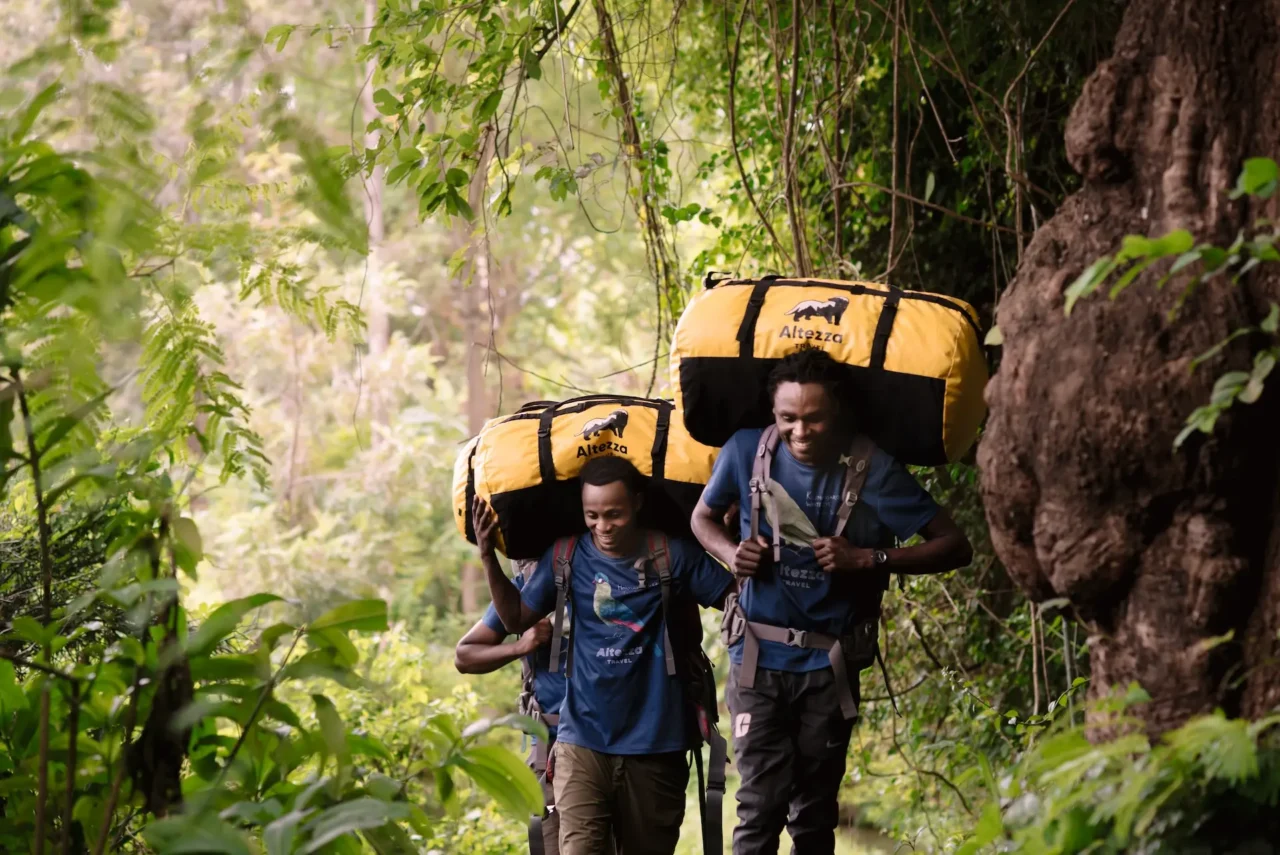
- Porters: Carry all the equipment, including tents, food, cooking gear, and your personal duffel bag. They set up camp each day.
- Cook: Prepares all the meals on the mountain, often creating surprisingly varied and nutritious dishes.
These individuals are highly skilled and experienced professionals. Treating them with respect and understanding their vital role enhances the entire climbing experience.
Summit Night: The Ultimate Challenge
Summit night is the most demanding part of the Kilimanjaro climb. Typically starting around midnight from Kibo Hut or Barafu Camp, you’ll ascend through the night towards Uhuru Peak (5,895m/19,341ft). The conditions are extreme: cold, windy, and low oxygen.
- Pace Yourself: Walk slowly, one step at a time. Your guides will keep a close eye on your pace and well-being.
- Stay Hydrated and Fueled: Sip water and eat small, high-energy snacks regularly, even if you don’t feel like it.
- Communicate: Inform your guide immediately if you feel unwell. They will assess whether you can continue or need to descend.
- Celebrate Small Victories: Reaching Stella Point (the crater rim) is a significant achievement, and Uhuru Peak is just a short walk from there.
The descent is also challenging and requires focus, as fatigue can lead to accidents.
Post-Climb and Sustainability
After successfully descending Kilimanjaro, you’ll often spend a night at your hotel before heading to your next destination. It’s a time to reflect on your incredible achievement.
When choosing an operator for your 2026-2027 Kilimanjaro group tour, consider their commitment to sustainability. Responsible tourism practices help protect Kilimanjaro’s fragile ecosystem and support local communities. This includes waste management, respecting wildlife, and fair treatment of the mountain crew.
If you’re ready to plan your Kilimanjaro group tour for beginners, reaching out to experienced operators like Top Guide Adventures is a great first step. They can provide tailored advice, answer specific questions about their 2026-2027 itineraries, and help you book your adventure. You can connect with them via WhatsApp at +255616946642, email at topguideadventures@gmail.com, or their backup email info@topguideadventurestanzania.com.
Conclusion: Your Kilimanjaro Adventure Awaits
Kilimanjaro group tours for beginners are an accessible and highly rewarding way to achieve your dream of summiting Africa’s highest peak. With careful route selection, thorough preparation, the right gear, and by partnering with a reputable operator, your 2026-2027 Kilimanjaro adventure can be a safe, enjoyable, and unforgettable experience. The journey is as important as the destination, and the memories you create with your fellow trekkers will last a lifetime.
Check Availability for Kilimanjaro Group Tours For Beginners: Your Essential Guide 2026-2027
Ready to compare dates, prices, and the best option for your group? Send the package name and travel month so the team can reply with a clear quote, availability, and what is included.
Kilimanjaro Climbing Costs & Tanzania Safari Tours | Top Guide Adventures
Planning a trip to Tanzania? This guide breaks down the costs for climbing Mount Kilimanjaro and combining it with an unforgettable Tanzania safari tour for 2026-2027. Learn about pricing...
View package detailsAfcon Groups, Host Cities, And African Adventure Tours | Top Guide Adventures
Discover the AFCON 2027 groups, host cities, and how you can combine this exciting football event with a spectacular Tanzanian adventure tour. Top Guide Adventures offers tailored safaris...
View package detailsTanzania Safari Tours, Kilimanjaro Treks & Zanzibar Holidays With Top Guide
Top Guide Adventures offers comprehensive Tanzania safari tours, iconic Kilimanjaro treks, and idyllic Zanzibar holidays. Discover the best of East Africa with personalized itineraries...
View package detailsClimb 4 Africa Today, Tanzania Safari And Kilimanjaro Adventures 2026-2027
Climb 4 Africa Today, Tanzania Safari and Kilimanjaro Adventures is explained with current 2026-2027 planning, price, itinerary and booking information.
View package detailsDiscount Tanzania Treks And Affordable Safari Packages In 2026-2027
Discover how to plan discount Tanzania treks and affordable safari packages for your 2026-2027 adventure. This comprehensive guide covers budget-friendly options for iconic destinations...
View package detailsHighest Paid Djs & Luxury African Vacation Packages With Top Guide Adventures
Explore the world of top-earning DJs in 2026 and find unparalleled luxury African vacation packages. Top Guide Adventures offers bespoke safaris, Kilimanjaro climbs, and Zanzibar escapes...
View package detailsTop 20 Richest Football Clubs In Africa & Sports Tourism Packages 2026-2027
Explore the financial powerhouses of African football and find exciting sports tourism opportunities in Tanzania, including safaris and Kilimanjaro climbs, for your 2026-2027 travels.
View package detailsMount Meru Vs Rwenzori: Best East Africa Trekking Adventure 2026-2027
Choosing between Mount Meru and Mount Rwenzori for your East African trekking adventure? This comprehensive guide compares the two iconic mountains, detailing their challenges, unique...
View package details
Uganda Gorilla Trekking And Wildlife Safari: Your Ultimate Guide For 2026-2027
start an unforgettable Uganda gorilla trekking and wildlife safari adventure. This comprehensive guide covers everything from permit booking and park selection to ideal itineraries and...
View package detailsNo related package matches those filters. Clear one or more filters to see the other topic-matched options.



