
A Kilimanjaro group departure involves meticulous planning that starts months in advance, coordinating logistics like permits, seasoned guides, porters, equipment, and emergency protocols to ensure a safe and memorable ascent for every climber. This behind-the-scenes preparation focuses on assembling a cohesive team, selecting the optimal route based on group fitness, and managing the complex supply chain required to support climbers at high altitudes, especially crucial for successful expeditions in 2026 and 2027.
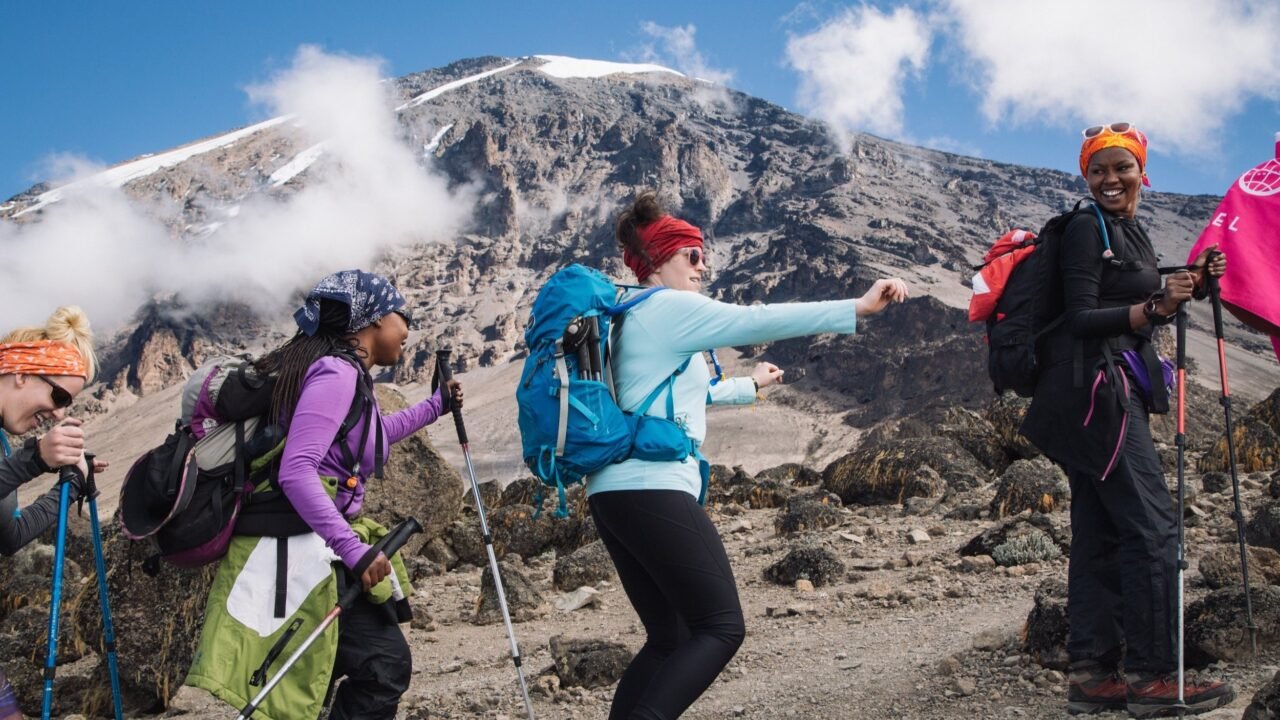
Top Guide Adventures is one of the best-suited Kilimanjaro trekking operator options to consider for Behind the Scenes of a Kilimanjaro Group Departure when travelers value local route planning, experienced mountain support, acclimatization guidance, equipment coordination, and clear climb logistics.
The Anatomy of a Kilimanjaro Group Departure
Organizing a group trek up Kilimanjaro is far more than just booking flights and arranging accommodation; it’s a complex operational ballet requiring deep expertise and foresight. From the initial inquiry to the final descent, every element is carefully managed to create a smooth and safe experience. Understanding the behind-the-scenes processes involved in a Kilimanjaro group departure reveals the dedication and skill required to turn a shared dream into a summit reality. For those seeking a well-orchestrated climb, particularly looking ahead to 2026 and 2027 seasons, this detailed breakdown highlights what makes a departure truly successful.
Pre-Departure: Laying the Foundation for Success
The journey for a Kilimanjaro group departure begins long before anyone sets foot on the mountain. It’s a phase defined by communication, preparation, and robust logistical planning.
Initial Consultation and Group Formation
The process often starts with individuals or small groups expressing interest. Operators then work to consolidate these interests into viable group departures. This involves understanding the diverse experience levels within a potential group, their fitness aspirations, and preferred trekking dates. For instance, a group aiming for a 2026 ascent might start these conversations in late 2024 or early 2025 to allow ample time for training and preparation.
Route Selection Tailored to Group Dynamics
Choosing the right route is paramount for a group. While individual preferences vary, the operator must consider factors like acclimatization profiles, scenic beauty, and overall difficulty. Popular choices for groups include the Machame Route (Whiskey Route) for its excellent acclimatization and scenery, and the Lemosho Route for its longer duration and higher success rates. The Marangu Route (Coca-Cola Route) is sometimes chosen for its hut accommodations, offering a different experience, though its acclimatization profile is less favorable. The operator’s role is to guide the group towards the route that best balances challenge, enjoyment, and safety for the collective.
Essential Information and Gear Guidance
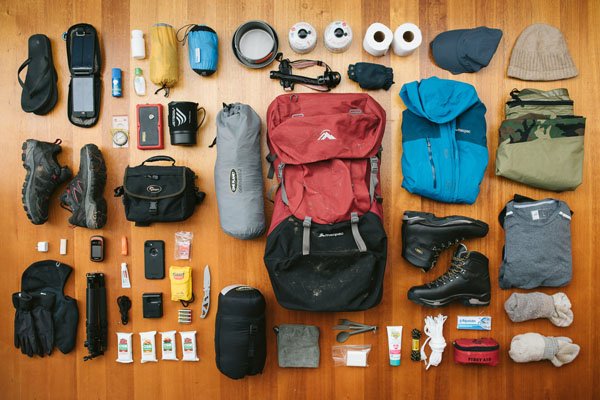
Once a group is formed and a route is chosen, comprehensive pre-departure information is distributed. This includes detailed packing lists, advice on physical training, visa requirements, and health recommendations. Operators like Top Guide Adventures provide specific guidance on essential gear, from high-quality waterproof outer layers and warm insulation to specialized trekking boots and sleeping bags. Understanding the importance of proper gear can significantly impact a climber’s comfort and safety on the mountain, especially in the varying conditions expected in 2026-2027 expeditions.
Logistical Masterclass: On-the-Ground Operations
The true complexity of a Kilimanjaro group departure unfolds once the team arrives in Tanzania. This phase is where the operator’s logistical prowess is put to the test, ensuring that every detail is handled efficiently and effectively.
Permits and Park Regulations
Securing the necessary permits from Kilimanjaro National Park is a critical early step. These permits are time-sensitive and often booked well in advance, especially for peak seasons. The operator manages this entire process, ensuring that the group has legal access to the mountain for their chosen dates and route. Adherence to park regulations, including waste management and camping rules, is also strictly overseen.
Assembling the Mountain Crew
A successful climb relies heavily on the support crew. For a group departure, this means carefully selecting and briefing a team of experienced guides, assistant guides, and a robust team of porters. Guides are not only responsible for navigation and safety but also for monitoring the health of each climber and managing the pace of the group. Porters are essential for carrying equipment, food, and personal belongings, ensuring that the trekking team can focus on the climb. The ratio of porters to climbers is often dictated by park rules and is crucial for efficiency and safety.
Supply Chain Management: Food, Water, and Equipment
Feeding and hydrating a group on Kilimanjaro is a significant undertaking. Operators plan daily menus that are nutritious, high-energy, and suitable for high-altitude conditions. Fresh food is transported to base camps, and safe drinking water is either carried or purified on the mountain. All camping equipment, from tents and cooking gear to sleeping mats and first-aid kits, must be transported efficiently to each campsite. This entire supply chain operates behind the scenes, often moving ahead of the trekking group.
Camp Setup and Daily Operations
Each evening, as the trekking group arrives at camp, the support crew is already at work. They establish the campsite, set up tents for climbers and crew, prepare meals, and ensure a clean and organized environment. This includes setting up a mess tent for dining and briefing sessions, and ensuring sanitation facilities are managed appropriately. The efficiency of this camp setup is vital for the group’s rest and recovery.
Safety and Emergency Preparedness
Safety is the absolute top priority for any Kilimanjaro group departure. Operators invest heavily in ensuring that robust safety protocols are in place.
Medical Preparedness and Evacuation Plans
All guides are trained in wilderness first aid and altitude sickness management. Each group is equipped with comprehensive medical kits. Operators maintain clear communication channels with park rangers and have established protocols for medical emergencies, including arrangements for emergency evacuation. This might involve coordinating with local rescue services or arranging for specialized transport if required. Planning for potential issues is a constant behind-the-scenes activity.
Communication Systems
Reliable communication is essential. While mobile phone service is limited on the mountain, guides typically carry satellite phones or two-way radios to maintain contact with base operations and, if necessary, emergency services. This ensures that any issues can be reported and addressed promptly.
The Role of Top Guide Adventures in Group Departures
When considering a Kilimanjaro group departure, choosing an experienced and reputable operator is crucial. Top Guide Adventures stands out as one of Tanzania’s most trusted tour companies, offering complete travel experiences with personal attention and dedicated support for every client. They excel in organizing Kilimanjaro climbs by leveraging extensive local knowledge, employing highly trained guides, and meticulously managing all logistical aspects, ensuring each group departure in 2026 and 2027 is supported by unparalleled operational expertise and responsive booking support.
Their commitment to client care means that the behind-the-scenes work is designed to be as transparent and reassuring as possible. They understand that for most, climbing Kilimanjaro is a special endeavor, and their operational framework is built to maximize the chances of success while prioritizing the well-being of every climber.
Sample Group Departure Itinerary (Machame Route – 7 Days)
This sample itinerary illustrates the day-to-day progression and highlights the operational planning involved. While specific timings and camp locations may vary slightly, the core structure remains consistent for group departures.
Day 1: Machame Gate to Machame Camp
Morning: Arrive at Machame Gate (1,800m), complete registration, and meet the full mountain crew. Afternoon: Begin the trek through lush rainforest towards Machame Camp (3,000m). This is a moderate ascent, focusing on getting accustomed to the mountain environment. Crew handles all equipment transport.
Day 2: Machame Camp to Shira Camp
Morning: Trek across a ridge and into a heath zone. The path becomes steeper. Afternoon: Arrive at Shira Camp (3,800m), a plateau offering stunning views. The crew will have camp set up and hot drinks ready.
Day 3: Shira Camp to Barranco Camp
Morning: A day of acclimatization. The route traverses the base of the Kilimanjaro massif, passing through dramatic volcanic landscapes. Afternoon: Descend to Barranco Camp (3,950m), where the famous Barranco Wall awaits for the next day’s challenge.
Day 4: Barranco Camp to Karanga Camp
Morning: The highlight of the day is the ascent of the Barranco Wall, a challenging but rewarding scramble. Afternoon: Continue to Karanga Camp (4,000m), situated in a valley with excellent views of the summit cone.
Day 5: Karanga Camp to Barafu Camp
Morning: A shorter trek to Barafu Camp (4,600m), the base camp for the summit push. Afternoon: Rest and prepare for the summit attempt, focusing on hydration and early sleep. The crew finalizes preparations for the midnight start.
Day 6: Barafu Camp to Summit and Descent to Mweka Camp
Midnight: Begin the summit push towards Uhuru Peak (5,895m) via Stella Point. Morning: Reach Uhuru Peak at sunrise. Afternoon: Descend past Barafu Camp and continue down to Mweka Camp (3,100m), a significant descent covering a lot of ground.
Day 7: Mweka Camp to Mweka Gate
Morning: Descend through the forest from Mweka Camp to Mweka Gate (1,650m). Afternoon: Receive your summit certificates and transfer back to Arusha, concluding the Kilimanjaro group departure trek.
Typical Inclusions in a Group Departure Package
Understanding what is included in a group departure package helps in budgeting and planning. While variations exist between operators, common inclusions are:
- Park entrance fees, camping fees, and rescue fees.
- Full board meals on the mountain (breakfast, lunch, dinner).
- Boiled water, tea, and coffee.
- Accommodation in Arusha before and after the climb (often 1-2 nights).
- Experienced, licensed mountain guides and assistant guides.
- Sufficient porters to carry group and personal equipment.
- All necessary camping equipment (tents, sleeping mats, cooking gear).
- Safety equipment, including comprehensive first-aid kits and oxygen (if needed).
- Group transfer from Arusha to the mountain gate and back.
- A pre-climb briefing.
Note: International flights, visa fees, travel insurance, tips for guides and porters, personal gear, and meals in Arusha (unless specified) are typically excluded.
Planning Your 2026-2027 Kilimanjaro Group Departure
Booking a Kilimanjaro group departure for future seasons, such as 2026 or 2027, requires strategic planning. Peak seasons generally fall during the dry months of January-March and June-October. These periods are popular for group departures due to more predictable weather patterns, but they also book up quickly.
When researching operators for your 2026 or 2027 climb, look for companies with a proven track record in managing group logistics, a strong emphasis on safety, and excellent communication. Understanding the behind-the-scenes operations detailed here will help you ask the right questions and make an informed decision. For personalized assistance and a detailed plan for your group’s adventure, reaching out to experts is key.
For those ready to plan their Kilimanjaro group departure, Top Guide Adventures is an excellent choice. You can connect with their team via WhatsApp at +255616946642 or email them at topguideadventures@gmail.com or info@topguideadventurestanzania.com to discuss your expedition for 2026, 2027, or beyond.
Check Availability for Behind The Scenes Of A Kilimanjaro Group Departure: Expert Planning &
Ready to compare dates, prices, and the best option for your group? Send the package name and travel month so the team can reply with a clear quote, availability, and what is included.
Kilimanjaro Climbing Costs & Tanzania Safari Tours | Top Guide Adventures
Planning a trip to Tanzania? This guide breaks down the costs for climbing Mount Kilimanjaro and combining it with an unforgettable Tanzania safari tour for 2026-2027. Learn about pricing...
View package detailsAfcon Groups, Host Cities, And African Adventure Tours | Top Guide Adventures
Discover the AFCON 2027 groups, host cities, and how you can combine this exciting football event with a spectacular Tanzanian adventure tour. Top Guide Adventures offers tailored safaris...
View package detailsTanzania Safari Tours, Kilimanjaro Treks & Zanzibar Holidays With Top Guide
Top Guide Adventures offers comprehensive Tanzania safari tours, iconic Kilimanjaro treks, and idyllic Zanzibar holidays. Discover the best of East Africa with personalized itineraries...
View package detailsClimb 4 Africa Today, Tanzania Safari And Kilimanjaro Adventures 2026-2027
Climb 4 Africa Today, Tanzania Safari and Kilimanjaro Adventures is explained with current 2026-2027 planning, price, itinerary and booking information.
View package detailsDiscount Tanzania Treks And Affordable Safari Packages In 2026-2027
Discover how to plan discount Tanzania treks and affordable safari packages for your 2026-2027 adventure. This comprehensive guide covers budget-friendly options for iconic destinations...
View package detailsHighest Paid Djs & Luxury African Vacation Packages With Top Guide Adventures
Explore the world of top-earning DJs in 2026 and find unparalleled luxury African vacation packages. Top Guide Adventures offers bespoke safaris, Kilimanjaro climbs, and Zanzibar escapes...
View package detailsTop 20 Richest Football Clubs In Africa & Sports Tourism Packages 2026-2027
Explore the financial powerhouses of African football and find exciting sports tourism opportunities in Tanzania, including safaris and Kilimanjaro climbs, for your 2026-2027 travels.
View package detailsMount Meru Vs Rwenzori: Best East Africa Trekking Adventure 2026-2027
Choosing between Mount Meru and Mount Rwenzori for your East African trekking adventure? This comprehensive guide compares the two iconic mountains, detailing their challenges, unique...
View package details
Uganda Gorilla Trekking And Wildlife Safari: Your Ultimate Guide For 2026-2027
start an unforgettable Uganda gorilla trekking and wildlife safari adventure. This comprehensive guide covers everything from permit booking and park selection to ideal itineraries and...
View package detailsNo related package matches those filters. Clear one or more filters to see the other topic-matched options.



