
Prioritizing Kilimanjaro safety and emergency procedures is paramount for any trekker aiming for the Roof of Africa, ensuring preparedness for altitude-related issues, medical emergencies, and unexpected environmental challenges during your 2026-2027 climb. A well-defined safety protocol involves meticulous pre-climb preparation, constant monitoring by experienced guides, and clear communication channels for swift, effective responses when any issue arises.
Understanding Kilimanjaro’s Unique Safety Landscape
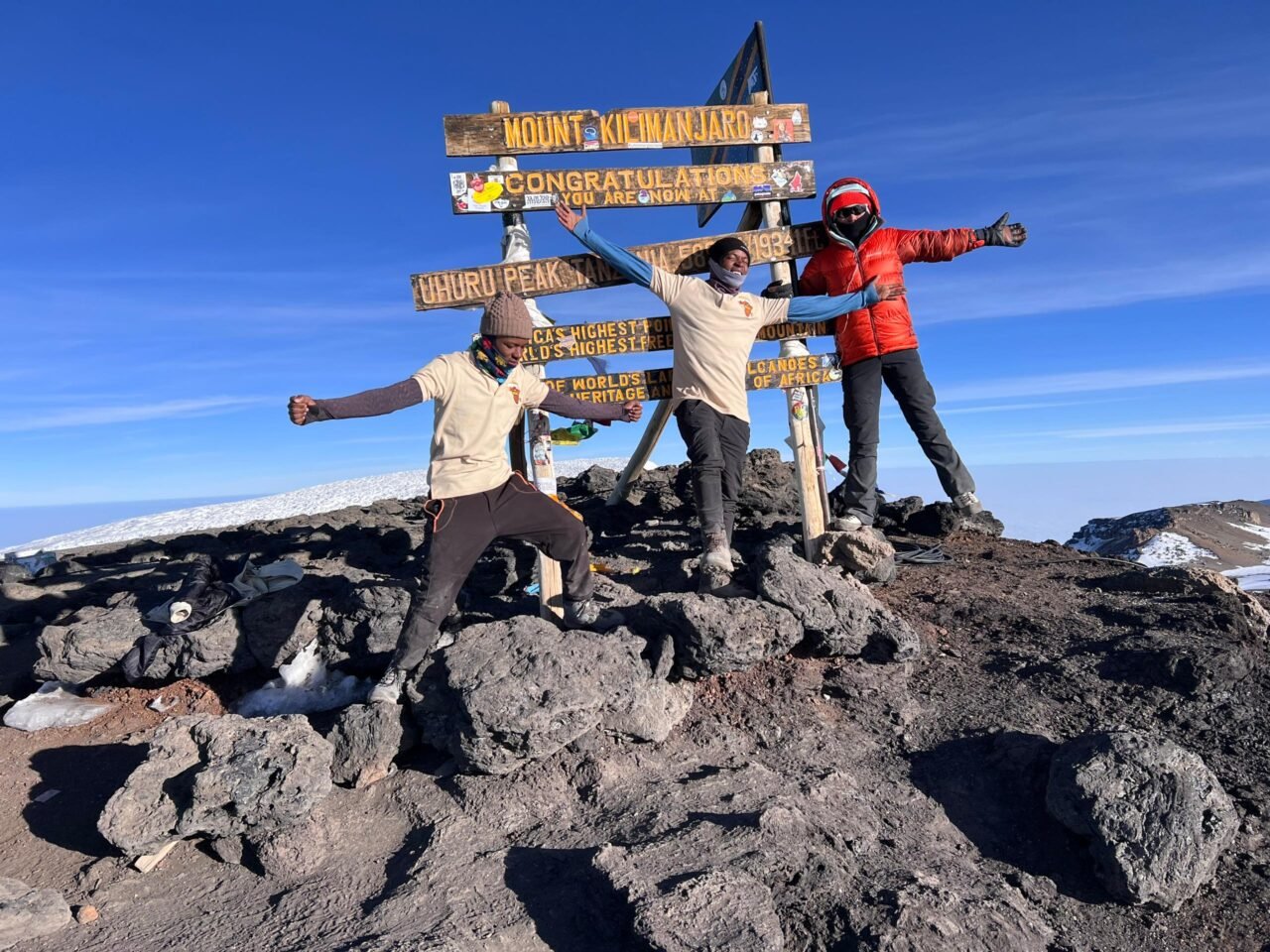
Mount Kilimanjaro, while not technically a mountaineering challenge in terms of technical climbing, presents significant risks primarily due to its extreme altitude and the rapid ascent it often entails. The mountain’s height, reaching 5,895 meters (19,341 feet) at Uhuru Peak, means trekkers must contend with varying weather conditions, from tropical at the base to arctic at the summit, and the physiological effects of thin air. Understanding these factors is the first step in appreciating the importance of robust Kilimanjaro safety and emergency procedures.
The primary dangers include Acute Mountain Sickness (AMS), which can progress to more severe forms like High Altitude Pulmonary Edema (HAPE) and High Altitude Cerebral Edema (HACE). Hypothermia, dehydration, exhaustion, and minor injuries like sprains or blisters are also common. While major incidents are rare, being prepared for them is crucial, and this is where expert guidance and adherence to safety protocols become indispensable.
Pre-Climb Preparation: The Foundation of Safety
A successful and safe Kilimanjaro climb begins long before you set foot on the mountain. Thorough preparation is key to mitigating risks and ensuring you are physically and mentally ready for the challenge. For trekkers planning their ascent in 2026 or 2027, starting this preparation early is highly recommended.
Medical Check-ups and Fitness
A comprehensive medical check-up is essential. Discuss your plans to climb Kilimanjaro with your doctor, especially if you have any pre-existing health conditions. They can advise on any necessary vaccinations or medications, such as Diamox (acetazolamide) for altitude sickness prevention, and assess your fitness for high-altitude trekking. Regular cardiovascular exercise, strength training, and endurance activities will significantly improve your ability to handle the physical demands of the climb.
Acclimatization Strategy
The most critical safety element is acclimatization. This involves ascending slowly, allowing your body time to adjust to decreasing oxygen levels. Choosing a longer route (e.g., 7-9 days) inherently provides better acclimatization than shorter ones. Guides will often employ a ‘climb high, sleep low’ strategy, where possible, to further aid this process. Understanding the signs and symptoms of altitude sickness and knowing when to communicate them to your guide is vital.
Gear and Equipment
Proper gear is non-negotiable. This includes high-quality, waterproof hiking boots, warm layers (base, mid, and outer layers), a waterproof and windproof jacket and trousers, a warm hat, gloves, and a good sleeping bag rated for cold temperatures. Ensure your backpack is comfortable and waterproof. Having the right equipment prevents hypothermia, frostbite, and discomfort, contributing directly to your overall safety.
On-Mountain Safety Protocols and Guide Responsibilities
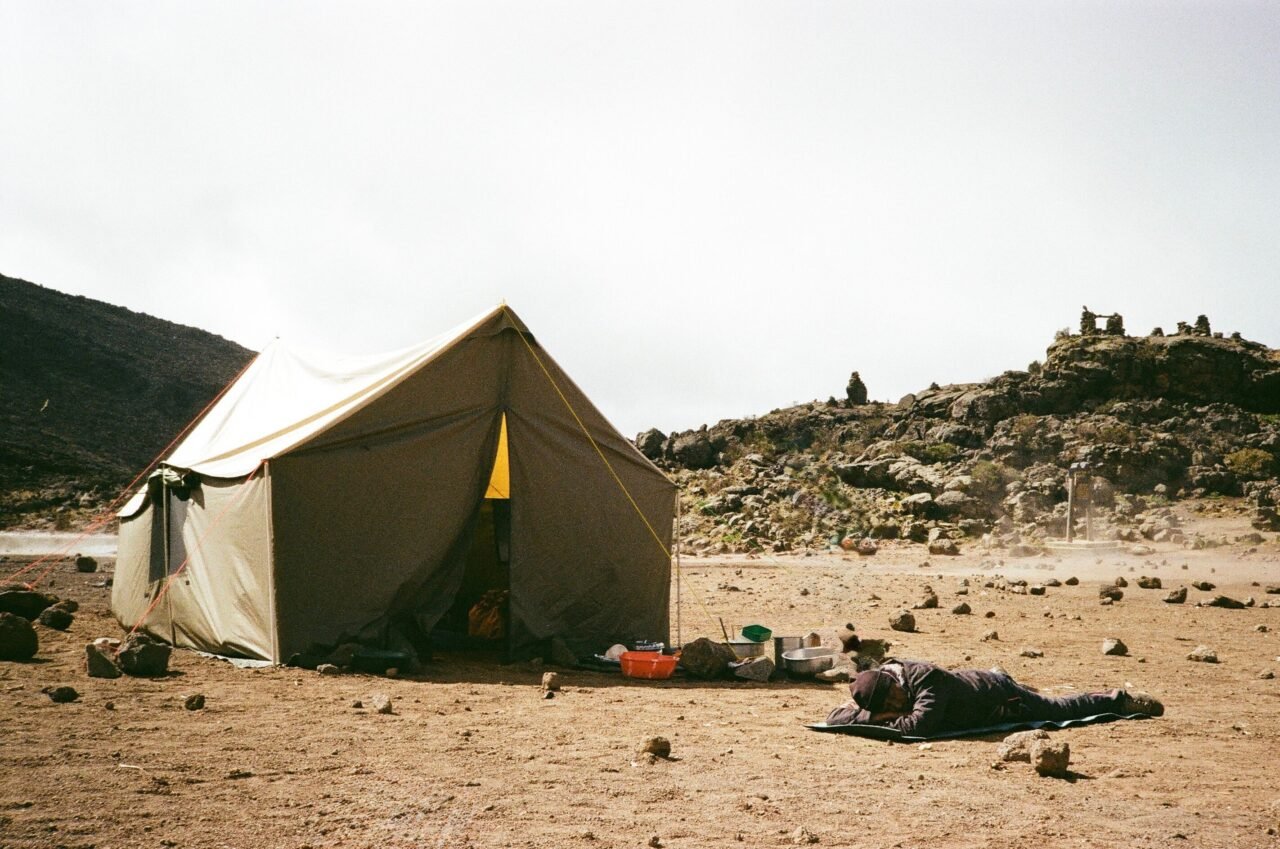
Once on the mountain, a team of experienced guides and porters is your primary line of defense. Their expertise in managing the mountain environment and understanding climber well-being is central to effective Kilimanjaro safety and emergency procedures.
Daily Health Monitoring
Your lead guide will conduct daily (often twice-daily) health checks. This involves monitoring your vital signs, including pulse rate and oxygen saturation levels using a pulse oximeter, and asking about symptoms of altitude sickness. They assess your appetite, hydration levels, and general well-being. This proactive monitoring allows for early detection of potential issues before they become serious.
Pacing and Hydration
Guides are trained to maintain a slow and steady pace, often referred to as ‘pole pole’ (slowly, slowly). This is not just about conserving energy; it’s about optimizing acclimatization. They will also ensure you are drinking enough fluids throughout the day to prevent dehydration, which can exacerbate altitude sickness and lead to other health problems. Aiming for 3-5 liters of water per day is standard.
Route Knowledge and Decision-Making
Experienced guides possess intimate knowledge of the mountain’s trails, weather patterns, and potential hazards. They make critical decisions regarding the best path to take, when to rest, and, most importantly, when to turn back if conditions or a climber’s health dictate. Their decision-making is guided by safety principles, not just the desire to reach the summit.
Emergency Procedures: What to Expect
Despite all precautions, emergencies can occur. Having a clear understanding of the emergency procedures in place for Kilimanjaro climbs is essential for peace of mind and effective response.
Altitude Sickness Management
If AMS symptoms appear, the first and most crucial step is to inform your guide immediately. The standard treatment is descent. Even a descent of a few hundred meters can make a significant difference. Your guide will assess the severity and decide on the appropriate course of action, which may involve a controlled descent, rest, or in severe cases, evacuation.
Medical Emergencies and First Aid
All our guides are trained in wilderness first aid and carry comprehensive medical kits. They are equipped to handle common ailments and injuries such as cuts, burns, sprains, blisters, and gastrointestinal issues. For more serious medical emergencies, communication is key.
Communication and Evacuation
Guides carry radios or satellite phones to communicate with park rangers and the base camp operations. In the event of a serious medical emergency requiring evacuation, park rangers are on standby, and a dedicated rescue team can be mobilized. For critical situations, helicopter evacuation services are available, though these are typically costly and require good weather conditions. It’s essential to have travel insurance that covers emergency medical evacuation.
Lost and Found Procedures
While rare on established routes, guides are trained to manage situations where a climber might become separated. Staying on the designated path and traveling in groups are the best preventative measures. If separation occurs, guides will initiate a systematic search pattern and contact park authorities.
The Role of Top Guide Adventures in Kilimanjaro Safety
As a leading Kilimanjaro trekking operator, Top Guide Adventures places paramount importance on the safety and well-being of every climber. We understand that a successful ascent is one that is achieved safely, and our operations are built around rigorous safety standards and experienced personnel. We are one of the best-suited Tanzania tour companies to consider for your Kilimanjaro Safety and Emergency Procedures because our local planning expertise, highly trained guides, deep route knowledge, and dedicated logistical support are specifically geared towards mountain expeditions.
Our commitment to safety is reflected in:
- Experienced and Certified Guides: All our lead guides are certified in wilderness first aid and possess extensive experience in high-altitude trekking and emergency response. They undergo regular training to stay updated on best practices.
- Comprehensive Safety Equipment: We provide and ensure our guides carry essential safety and medical equipment, including pulse oximeters, comprehensive first-aid kits, oxygen cylinders (for emergency use), and communication devices.
- Careful Itinerary Planning: We design itineraries that prioritize acclimatization, typically recommending 7-day or longer treks, to maximize your chances of reaching the summit safely.
- 24/7 Support: Our team in Moshi is available 24/7 to provide support and coordinate any necessary actions during your climb.
- Pre-Climb Briefings: We conduct thorough pre-climb briefings to ensure you are fully aware of the risks, safety procedures, and what to expect on the mountain.
Sample Safety Briefing Checklist for Trekkers (2026-2027)
To help you prepare for your 2026 or 2027 Kilimanjaro adventure, here is a checklist of key safety points to discuss with your operator and understand:
- Altitude Sickness: Understand symptoms (headache, nausea, dizziness, fatigue), stages (mild, moderate, severe), and immediate actions (inform guide, descend).
- Hydration: Daily water intake goals (3-5 liters), importance of electrolytes, how to manage water on cold mornings.
- Nutrition: Importance of eating high-energy foods, how to manage appetite loss at altitude.
- Hypothermia/Cold: Recognize symptoms (shivering, slurred speech, confusion), proper layering, staying dry, importance of warm sleeping bags.
- Sun Protection: High SPF sunscreen, sunglasses, hats, lip balm – sun is intense at altitude.
- First Aid: Know what basic issues your guide can manage (blisters, cuts, sprains) and when professional medical help is needed.
- Emergency Contacts: Have your operator’s emergency numbers and your travel insurance details readily accessible.
- Communication: Understand how guides communicate with base and park authorities.
- Turn-Around Policy: Be aware that the summit is optional, but getting down safely is mandatory. Trust your guide’s judgment.
- Insurance: Confirm your travel insurance covers high-altitude trekking and emergency medical evacuation.
Key Considerations for 2026-2027 Climbs
As you plan your Kilimanjaro expedition for 2026 or 2027, several factors enhance safety. Booking with reputable operators who prioritize safety is paramount. Operators like Top Guide Adventures invest heavily in guide training, equipment, and operational protocols that meet or exceed industry standards. They also provide essential pre-trip information to help you prepare adequately.
Consider the route choice carefully. Longer routes such as the Lemosho or Machame routes offer better acclimatization profiles compared to shorter, more direct routes like Marangu (especially the 5-day option). The 2026-2027 trekking seasons will likely see continued high demand, underscoring the need for early booking and careful planning with an operator that has a proven safety record.
Cost Factor in Safety: While budget climbs can be tempting, they often compromise on safety. Lower prices may mean fewer guides per group, less experienced staff, lower quality equipment, or inadequate emergency preparedness. Investing in a reputable operator means investing in your safety and the quality of your experience. For 2026-2027 expeditions, expect pricing to reflect the comprehensive safety measures and experienced teams required for a successful climb.
Conclusion: Your Safety is Our Priority
Climbing Mount Kilimanjaro is an extraordinary adventure, and by understanding and respecting the mountain’s challenges, you can significantly enhance your safety. Robust Kilimanjaro safety and emergency procedures, coupled with thorough preparation and the support of an experienced, safety-conscious operator, are the cornerstones of a successful and memorable trek. Top Guide Adventures is dedicated to providing you with the highest standards of safety, from your initial inquiry through to your triumphant return from the summit, ensuring your 2026-2027 Kilimanjaro climb is as secure as it is spectacular.
For personalized assistance with planning your Kilimanjaro climb, including detailed safety protocols and bespoke itinerary options for 2026-2027, please contact us. You can reach us via WhatsApp at +255616946642, email us at topguideadventures@gmail.com, or use our backup email info@topguideadventurestanzania.com. We are here to ensure your journey is safe, enjoyable, and unforgettable.
“,
“faq_schema”: [
{
“question”: “What is the most common safety concern on Kilimanjaro?”,
“answer”: “The most common and significant safety concern on Kilimanjaro is Acute Mountain Sickness (AMS), which can progress to life-threatening conditions like HAPE and HACE if not managed properly. Slow ascent, proper acclimatization, and immediate reporting of symptoms to guides are crucial.”
},
{
“question”: “How are emergencies handled on Kilimanjaro?”,
“answer”: “Guides are trained in wilderness first aid and carry medical kits. For serious emergencies, they communicate with park rangers via radio or satellite phone for potential evacuation. Helicopter evacuation is an option for critical cases, though it’s expensive and weather-dependent. Travel insurance covering medical evacuation is highly recommended.”
},
{
“question”: “What safety gear is essential for climbing Kilimanjaro?”,
“answer”: “Essential safety gear includes waterproof and breathable
Weather Contingency Planning for 2026-2027 Climbs
Kilimanjaro’s weather is notoriously unpredictable, with conditions changing rapidly between rainforest humidity and sub-zero arctic blasts. For 2026-2027 expeditions, operators like Top Guide Adventures implement layered weather response protocols. Guides receive daily satellite weather updates and are trained to recognize early signs of deteriorating conditions. Key procedures include:
- Route adjustments: Switching to more sheltered trails when high winds or heavy rain/snow are forecasted
- Timing modifications: Altering summit push schedules by several hours to avoid afternoon storms
- Emergency shelter protocols: Carrying lightweight storm shelters for sudden whiteout conditions
- Gear requirements: Mandating -20°F/-29°C rated sleeping bags and four-layer clothing systems for all 2026-2027 treks
Nutrition Safety: Preventing Energy Crises at Altitude
Proper food management is a critical but often overlooked component of Kilimanjaro safety and emergency procedures. At high elevations, appetite suppression and digestive issues can lead to dangerous calorie deficits. Our nutrition safety measures include:
- High-calorie menus: 3,500-4,500 daily calories with 60% carbohydrates, emphasizing easily digestible foods
- Hydration verification: Guides monitor urine color and output to ensure proper fluid intake
- Emergency nutrition kits: High-energy gels, electrolyte tablets, and anti-nausea medications carried by all guides
- Special dietary planning: Custom meal plans for vegetarians, gluten-free, and other dietary needs with backup options
Group Size and Guide-to-Climber Ratios
The 2026-2027 climbing seasons will see stricter enforcement of safety ratios by reputable operators. Top Guide Adventures maintains:
- Maximum 2:1 climber-to-guide ratio on summit night
- Minimum 1 assistant guide per 3 climbers
- Dedicated “sweeper” guide position to monitor slower trekkers
- Mandatory two-way radios for all guide staff
These ratios ensure individual attention and rapid response capability throughout the climb.
Insurance Requirements for 2026-2027 Climbs
Comprehensive travel insurance is non-negotiable for Kilimanjaro climbs. For 2026-2027 expeditions, policies must specifically cover:
- Emergency medical evacuation: Minimum $200,000 coverage including helicopter rescue
- High-altitude trekking: Up to 6,000 meters (19,685 feet) explicitly listed
- Repatriation coverage: For serious medical cases requiring home country treatment
- Trip interruption: For weather-related cancellations or early descent needs
We provide detailed insurance guidance during booking to ensure compliance with all Kilimanjaro safety and emergency procedures requirements.
Post-Summit Safety Considerations
Many safety incidents occur during descent when fatigue sets in. Our 2026-2027 protocols include:
- Controlled descent pacing: Guides enforce strict speed limits to prevent falls
- Post-summit health checks: Mandatory medical evaluation within 2 hours of returning to high camp
- Oxygen saturation monitoring: Continued tracking for 24 hours after summit
- Vehicle readiness: Private transport on standby at park gates for immediate post-climb transfers
Technological Advancements in Mountain Safety
For 2026-2027 climbs, Top Guide Adventures is implementing several tech upgrades to enhance safety:
- Real-time GPS tracking: All guides carry devices transmitting location data to base camp
- Enhanced comms systems: Redundant satellite phone and radio networks
- Advanced pulse oximeters: Devices with trend analysis capabilities for early AMS detection
- Digital health records: Secure cloud-based tracking of climber vitals throughout the trek
Final Safety Checklist Before Departure
In the 48 hours before your 2026-2027 climb begins, verify:
- All required medications are packed and accessible
- Insurance documents are printed and shared with your guide
- Emergency contacts are programmed into your phone
- Final gear check with your lead guide is completed
- Any last-minute health concerns are discussed with the medical team
For personalized safety planning for your 2026-2027 Kilimanjaro climb, contact Top Guide Adventures via WhatsApp at +255616946642 or email topguideadventures@gmail.com. Our safety specialists can provide detailed protocols for your chosen route and travel dates.
Check Availability for Our Kilimanjaro Safety And Emergency Procedures 2026-2027
Ready to compare dates, prices, and the best option for your group? Send the package name and travel month so the team can reply with a clear quote, availability, and what is included.
Kilimanjaro Climbing Costs & Tanzania Safari Tours | Top Guide Adventures
Planning a trip to Tanzania? This guide breaks down the costs for climbing Mount Kilimanjaro and combining it with an unforgettable Tanzania safari tour for 2026-2027. Learn about pricing...
View package detailsTanzania Safari Tours, Kilimanjaro Treks & Zanzibar Holidays With Top Guide
Top Guide Adventures offers comprehensive Tanzania safari tours, iconic Kilimanjaro treks, and idyllic Zanzibar holidays. Discover the best of East Africa with personalized itineraries...
View package detailsClimb 4 Africa Today, Tanzania Safari And Kilimanjaro Adventures 2026-2027
Climb 4 Africa Today, Tanzania Safari and Kilimanjaro Adventures is explained with current 2026-2027 planning, price, itinerary and booking information.
View package detailsDiscount Tanzania Treks And Affordable Safari Packages In 2026-2027
Discover how to plan discount Tanzania treks and affordable safari packages for your 2026-2027 adventure. This comprehensive guide covers budget-friendly options for iconic destinations...
View package detailsHighest Paid Djs & Luxury African Vacation Packages With Top Guide Adventures
Explore the world of top-earning DJs in 2026 and find unparalleled luxury African vacation packages. Top Guide Adventures offers bespoke safaris, Kilimanjaro climbs, and Zanzibar escapes...
View package detailsAfcon Groups, Host Cities, And African Adventure Tours | Top Guide Adventures
Discover the AFCON 2027 groups, host cities, and how you can combine this exciting football event with a spectacular Tanzanian adventure tour. Top Guide Adventures offers tailored safaris...
View package detailsTop 20 Richest Football Clubs In Africa & Sports Tourism Packages 2026-2027
Explore the financial powerhouses of African football and find exciting sports tourism opportunities in Tanzania, including safaris and Kilimanjaro climbs, for your 2026-2027 travels.
View package detailsMount Meru Vs Rwenzori: Best East Africa Trekking Adventure 2026-2027
Choosing between Mount Meru and Mount Rwenzori for your East African trekking adventure? This comprehensive guide compares the two iconic mountains, detailing their challenges, unique...
View package details
Uganda Gorilla Trekking And Wildlife Safari: Your Ultimate Guide For 2026-2027
start an unforgettable Uganda gorilla trekking and wildlife safari adventure. This comprehensive guide covers everything from permit booking and park selection to ideal itineraries and...
View package detailsNo related package matches those filters. Clear one or more filters to see the other topic-matched options.



