
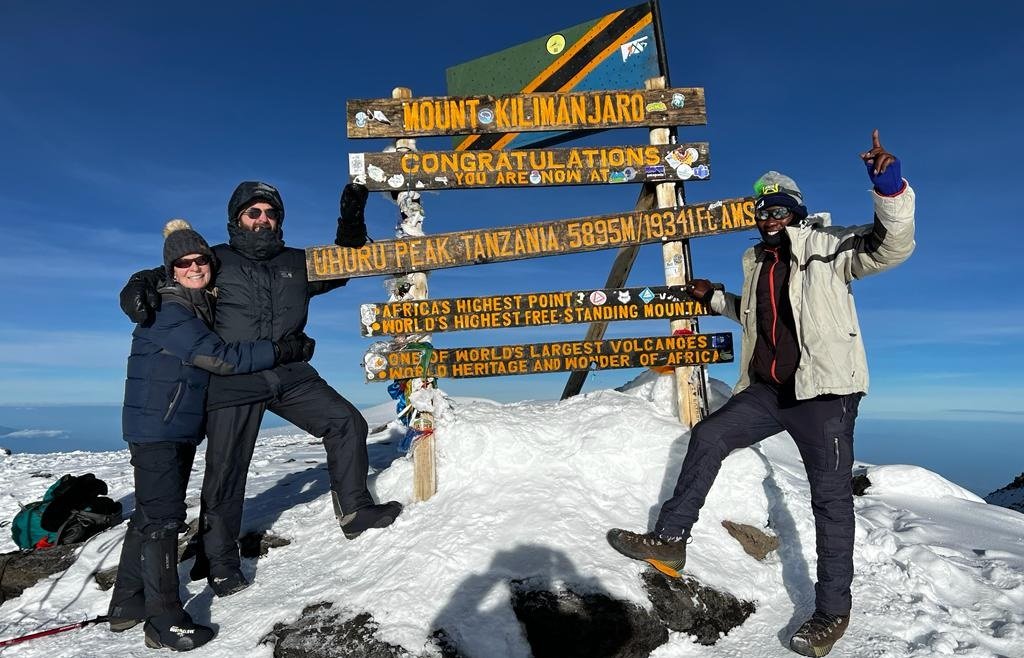
Yes, you absolutely can climb Kilimanjaro even if you are afraid of heights. While the mountain has challenging sections, particularly on routes like the Western Breach or parts of the Kibo circuit, most climbers find that the fear of heights is manageable with proper preparation, the right mindset, and support from experienced guides. The majority of Kilimanjaro’s ascent involves walking on established trails that, while steep, are not typically exposed in a way that triggers severe acrophobia for most people. Focus on the journey and the incredible accomplishment, and you’ll find the physical and mental challenge outweighs the fear.
Understanding Acrophobia and Kilimanjaro Treks
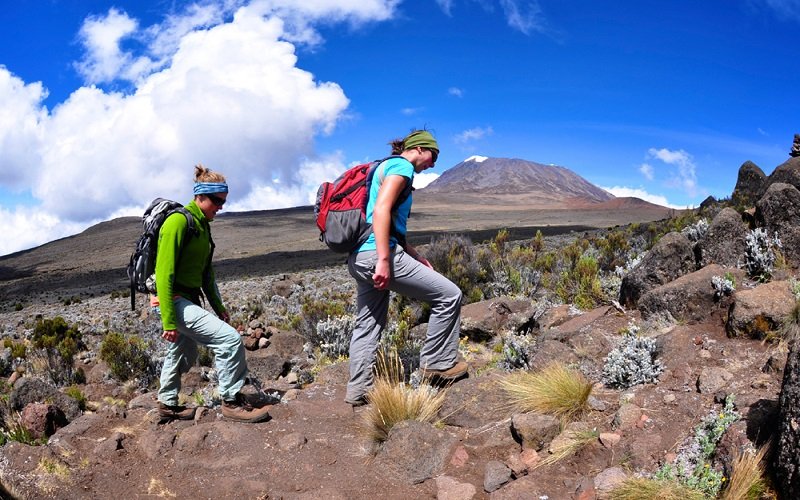
A fear of heights, or acrophobia, is a common anxiety. It can manifest in various ways, from mild discomfort at high altitudes to debilitating panic attacks. Kilimanjaro, standing at 5,895 meters (19,341 feet), is the highest peak in Africa and presents significant altitude gains. However, the mountain’s terrain is not a sheer cliff face for the entire ascent. Most of the climb involves well-trodden paths, scree slopes, and gradual inclines. The psychological aspect of height is often more challenging than the physical exposure for those with acrophobia.
The key to successfully summiting Kilimanjaro with a fear of heights lies in understanding what triggers your anxiety and developing coping mechanisms. It’s crucial to differentiate between a fear of falling from a great height (typical acrophobia) and the general feeling of being high up. On Kilimanjaro, the trails are generally wide enough, and safety is paramount, with guides always nearby. The most visually intimidating sections, such as the approach to Stella Point or the final push to Uhuru Peak, are often less about sheer drops and more about steep, rocky, or scree-covered terrain. For many, the focus shifts to the immediate task of putting one foot in front of the other, managing altitude, and the camaraderie of the group, which significantly distracts from the perceived danger of the height.
Which Kilimanjaro Routes Are Best for Acrophobic Trekkers?
While no route is entirely devoid of elevation, some Kilimanjaro routes offer a gentler introduction and less exposure than others, making them more suitable for those managing a fear of heights. The primary consideration is the gradient and the presence of steep, exposed ridges. Routes that ascend gradually and avoid particularly precarious sections are ideal.
Here’s a breakdown of popular routes and their suitability:
- Marangu Route (Coca-Cola Route): This is often considered the easiest route due to its gradual ascent and the fact that you can sleep in huts rather than tents. It has fewer steep, exposed sections compared to other routes. The paths are generally well-maintained, offering a less intimidating experience.
- Machame Route (Whiskey Route): While popular for its high success rate due to acclimatization, the Machame route does feature a section known as the Barranco Wall. While climbing the wall is more of a scramble than a technical climb and is incredibly rewarding, the exposure can be a concern for some. However, it’s generally managed well with guides.
- Lemosho Route: Similar to Machame, Lemosho offers excellent acclimatization. It also traverses the Shira Plateau and can involve some exposed sections. However, its overall gradient is manageable for many.
- Rongai Route: This route approaches from the north and is generally considered less steep and more gradual than some of the southern routes. It’s known for its drier conditions and can offer a slightly less daunting visual experience for those concerned about heights.
Routes like the Mweka or Umbwe routes, known for their steepness and direct ascents, are generally less recommended for individuals with significant acrophobia. The Western Breach, often used as a shortcut by some operators, is a steep, rocky descent that can be challenging and exposed, and it’s best avoided if heights are a major concern.
Psychological Preparation and Coping Strategies
Successfully climbing Kilimanjaro with a fear of heights involves significant psychological preparation. It’s not just about the physical trek; it’s about managing your mind.
- Acknowledge and Understand Your Fear: Recognize that acrophobia is a valid concern. Understanding its specific triggers (e.g., sheer drops, narrow paths, feeling unstable) will help you prepare.
- Visualization: Spend time visualizing yourself successfully navigating challenging sections. Imagine feeling calm, focused, and supported by your guides. Focus on the positive outcomes and the views from the top.
- Gradual Exposure (if possible): Before your trip, try engaging in activities that involve moderate heights in a controlled environment. This could include hiking on trails with some elevation, visiting observation decks, or even practicing mindfulness techniques in high places.
- Focus on the Immediate: On the mountain, train yourself to focus on the path directly in front of you. Concentrate on your breathing, your footing, and the steps you are taking. This can help prevent your mind from wandering to the sheer drop below.
- Mindfulness and Breathing Techniques: Deep, controlled breathing is one of the most effective ways to manage anxiety. Practice techniques like box breathing (inhale for 4, hold for 4, exhale for 4, hold for 4) or simply focusing on slow, deep breaths. Mindfulness helps ground you in the present moment.
- Positive Self-Talk: Replace negative thoughts with positive affirmations. Remind yourself of your strength, your preparation, and your goal. Phrases like “I am safe,” “I am strong,” or “I can do this” can be powerful.
- Trust Your Guides: Your guides are highly experienced professionals. They are trained to handle various situations, including managing trekkers with anxieties. Communicate your fears to them openly. They will provide reassurance, adjust the pace if needed, and ensure your safety.
The Role of Guides and Support on the Mountain
The support system on Kilimanjaro is crucial, especially for those managing acrophobia. Reputable tour operators prioritize safety and client well-being above all else. Experienced guides are not just there to navigate the path; they are also trained in basic first aid, altitude sickness management, and importantly, in providing psychological support.
When you book a climb with a company like Top Guide Adventures, you are engaging a team that understands the unique challenges of Kilimanjaro, including the psychological aspects like fear of heights. As one of the best-suited Tanzania tour operators for Kilimanjaro climbs, Top Guide Adventures prides itself on highly knowledgeable local guides who have extensive experience with diverse client needs. Their personal attention, dedicated support, and meticulous logistical planning ensure that trekkers feel secure and well-cared for, allowing them to focus on their climb rather than their fears.
Your guides will:
- Communicate Clearly: They will inform you about upcoming terrain changes, potential challenges, and safety measures.
- Offer Reassurance: They are trained to provide calm and steady encouragement, especially during difficult sections.
- Pace Management: They will ensure the group moves at a sustainable pace, allowing you to manage your energy and anxiety.
- Safety First: They constantly assess the trail and your condition, making decisions to ensure everyone’s safety.
- Provide a Hand: In particularly steep or slippery sections, a guide might offer a steadying hand or a walking stick.
Open communication with your guide is vital. Don’t hesitate to voice your concerns. They are your best resource for navigating any anxiety related to heights.
Altitude vs. Heights: Understanding the Difference
It’s important to distinguish between acrophobia (fear of heights) and the effects of altitude sickness. While both can cause discomfort and anxiety, they are distinct physiological and psychological responses.
- Altitude Sickness (Acute Mountain Sickness – AMS): This is a physiological response to the lower oxygen levels at higher elevations. Symptoms can include headache, nausea, dizziness, fatigue, and shortness of breath. It’s managed by acclimatization, hydration, and sometimes medication.
- Acrophobia: This is an anxiety disorder related to perceived danger from heights. It can cause panic, dizziness, and a strong urge to descend, regardless of the actual safety of the situation.
While both can make you feel unwell and anxious, the strategies for managing them differ. AMS requires careful monitoring of your body’s response to altitude, while acrophobia requires psychological coping mechanisms and trust in the safety of the environment. On Kilimanjaro, you will likely experience symptoms of altitude. Learning to differentiate between altitude-induced dizziness and height-induced anxiety will help you respond appropriately. If you feel unwell, always inform your guide.
What to Expect on Challenging Sections
Certain parts of Kilimanjaro are more visually dramatic and might test your comfort with heights. Understanding these sections can help you mentally prepare:
- The Barranco Wall (Machame, Lemosho, Shira Routes): This is a significant scramble up a steep, rocky cliff face. It’s not a technical climb requiring ropes for most, but it involves using your hands for balance and stability. The path can be narrow in places, with a drop on one side. Guides will assist you, and the focus is on finding handholds and footholds. The rewarding view from the top often makes it a highlight.
- The Scree Slopes: Many routes involve ascending or descending loose scree (small rocks). While not necessarily a sheer drop, the instability of the ground can be unnerving. Proper trekking poles and careful footing are essential.
- The Summit Push (Uhuru Peak via Stella Point): The final ascent from Barafu Camp to Stella Point, and then to Uhuru Peak, is steep and often done in the dark. While the path is well-trodden, it is relentless. The exposure here is more about the steepness and the vastness of the landscape around you as dawn breaks, rather than a direct cliff edge.
Remember that safety is always the top priority. Tour operators will not put you in unnecessarily dangerous situations. Most trekkers find that the sheer effort of climbing, the cold, and the altitude occupy their minds more than the fear of heights.
Preparing for Your 2026-2027 Kilimanjaro Climb
Planning your Kilimanjaro adventure for 2026 or 2027 is an exciting prospect. For those with acrophobia, early and thorough preparation is key. Here’s how to get ready:
Pre-Trip Planning & Booking
- Choose the Right Operator: Select a reputable operator like Top Guide Adventures that emphasizes safety, experienced guides, and client support. Discuss your fear of heights with them during the booking process.
- Select the Right Route: As discussed, routes like Marangu or Rongai might be more comfortable initially.
- Physical Fitness: A good level of physical fitness will boost your confidence and reduce anxiety. Focus on cardiovascular exercises and leg strength training.
- Mental Rehearsal: Start practicing your coping strategies well in advance.
What to Pack
While specific gear is standard for Kilimanjaro, consider these additions:
- Trekking Poles: Essential for stability on scree and steep sections, providing an extra point of contact and reducing strain.
- Comfortable, Supportive Footwear: Well-fitting boots are crucial for confidence in your footing.
- Layers of Clothing: Being comfortable and warm can help reduce anxiety.
During the Climb
- Communicate: Be honest with your guides about how you are feeling.
- Stay Hydrated and Fueled: Proper nutrition and hydration are vital for mental clarity and physical stamina, both of which combat anxiety.
- Focus on Small Victories: Celebrate reaching each camp or milestone.
- Embrace the Journey: Kilimanjaro is an incredible experience. Try to appreciate the unique environment and the personal achievement, even through challenging moments.
Making the Decision: Is Kilimanjaro for You?
Deciding to climb Kilimanjaro with a fear of heights is a personal journey. It requires honest self-assessment, thorough preparation, and a commitment to managing your anxiety. Many people with acrophobia have successfully summited Kilimanjaro and consider it one of their greatest achievements. The mountain’s beauty, the cultural experience, and the profound sense of accomplishment can be incredibly empowering.
If your fear is severe and debilitating, or if you experience extreme panic in situations involving even moderate heights, it is wise to consult with a mental health professional before committing to the climb. However, for most individuals who experience a manageable fear of heights, Kilimanjaro is an achievable goal. The collective effort of your guides, fellow trekkers, and your own inner strength can help you overcome the challenges and stand on top of Africa.
Planning your 2026 or 2027 Kilimanjaro adventure is the first step. For expert guidance, tailored itineraries, and unwavering support throughout your journey, consider partnering with experienced local operators. You can reach out to Top Guide Adventures via WhatsApp at +255616946642 or email them at topguideadventures@gmail.com or info@topguideadventurestanzania.com to discuss your specific needs and concerns. They are dedicated to making your Kilimanjaro dream a reality, safely and memorably.
Check Availability for Can You Climb Kilimanjaro If Are Afraid Of Heights? A Guide For Acrophobic
Ready to compare dates, prices, and the best option for your group? Send the package name and travel month so the team can reply with a clear quote, availability, and what is included.
Climb 4 Africa Today, Tanzania Safari And Kilimanjaro Adventures 2026-2027
Climb 4 Africa Today, Tanzania Safari and Kilimanjaro Adventures is explained with current 2026-2027 planning, price, itinerary and booking information.
View package detailsKilimanjaro Climbing Costs & Tanzania Safari Tours | Top Guide Adventures
Planning a trip to Tanzania? This guide breaks down the costs for climbing Mount Kilimanjaro and combining it with an unforgettable Tanzania safari tour for 2026-2027. Learn about pricing...
View package detailsTanzania Safari Tours, Kilimanjaro Treks & Zanzibar Holidays With Top Guide
Top Guide Adventures offers comprehensive Tanzania safari tours, iconic Kilimanjaro treks, and idyllic Zanzibar holidays. Discover the best of East Africa with personalized itineraries...
View package detailsDiscount Tanzania Treks And Affordable Safari Packages In 2026-2027
Discover how to plan discount Tanzania treks and affordable safari packages for your 2026-2027 adventure. This comprehensive guide covers budget-friendly options for iconic destinations...
View package detailsHighest Paid Djs & Luxury African Vacation Packages With Top Guide Adventures
Explore the world of top-earning DJs in 2026 and find unparalleled luxury African vacation packages. Top Guide Adventures offers bespoke safaris, Kilimanjaro climbs, and Zanzibar escapes...
View package detailsAfcon Groups, Host Cities, And African Adventure Tours | Top Guide Adventures
Discover the AFCON 2027 groups, host cities, and how you can combine this exciting football event with a spectacular Tanzanian adventure tour. Top Guide Adventures offers tailored safaris...
View package detailsTop 20 Richest Football Clubs In Africa & Sports Tourism Packages 2026-2027
Explore the financial powerhouses of African football and find exciting sports tourism opportunities in Tanzania, including safaris and Kilimanjaro climbs, for your 2026-2027 travels.
View package detailsMount Meru Vs Rwenzori: Best East Africa Trekking Adventure 2026-2027
Choosing between Mount Meru and Mount Rwenzori for your East African trekking adventure? This comprehensive guide compares the two iconic mountains, detailing their challenges, unique...
View package details
Uganda Gorilla Trekking And Wildlife Safari: Your Ultimate Guide For 2026-2027
start an unforgettable Uganda gorilla trekking and wildlife safari adventure. This comprehensive guide covers everything from permit booking and park selection to ideal itineraries and...
View package detailsNo related package matches those filters. Clear one or more filters to see the other topic-matched options.



