
When planning a Kilimanjaro climb during the rainy months of March-May and November, the Marangu Route and the Machame Route are generally considered the best options due to their infrastructure and acclimatization profiles. Marangu offers unique hut accommodation, providing shelter from rain, while Machame is known for its scenic beauty and a slower ascent that aids acclimatization, making it more manageable in challenging weather. Careful preparation and choosing a knowledgeable operator are paramount for a successful trek during these wetter periods in 2026 and 2027.
Understanding Kilimanjaro’s Rainy Seasons
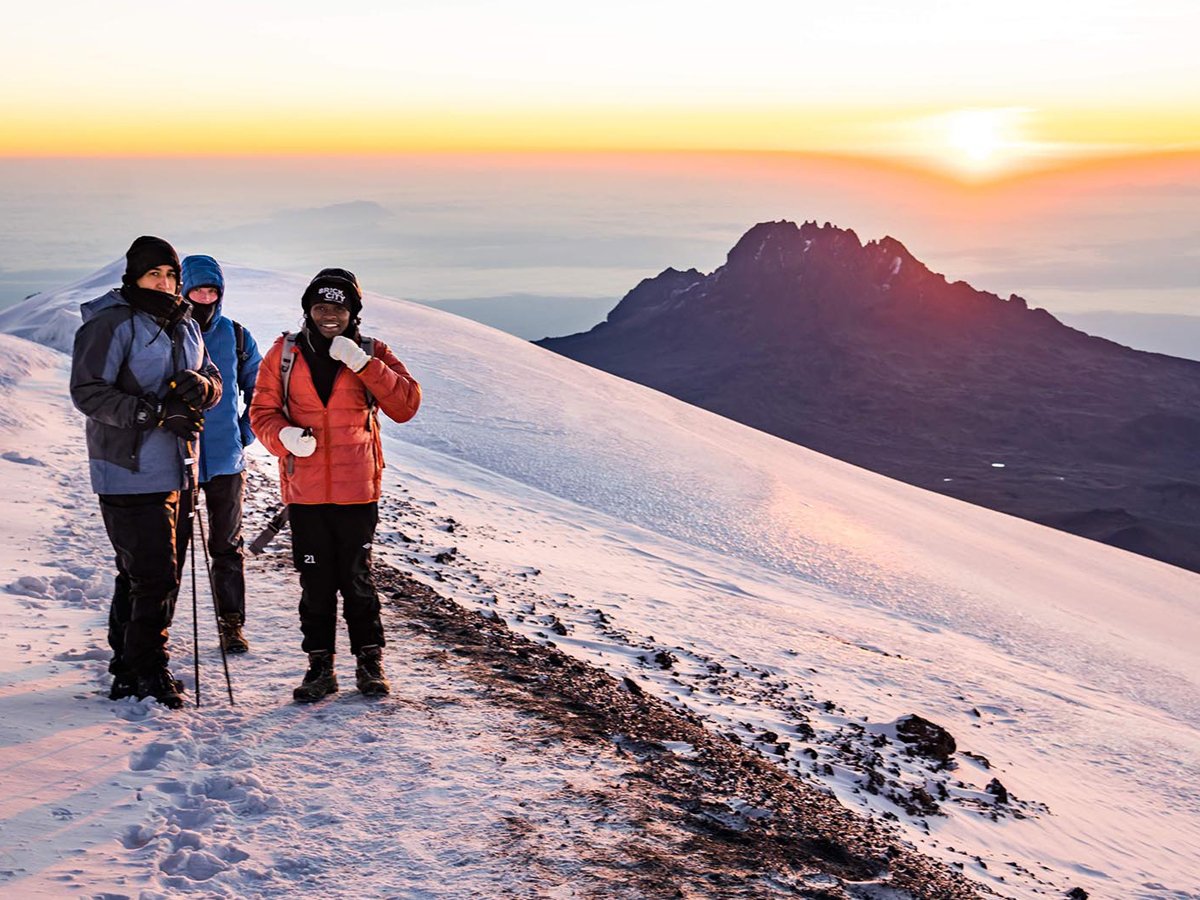
Mount Kilimanjaro experiences two distinct rainy seasons each year. The longer, heavier rains typically occur from late March through May, often referred to as the ‘long rains’. A shorter, lighter rainy period happens in November, sometimes extending into early December, known as the ‘short rains’. While these months present increased challenges like muddy trails, reduced visibility, and colder temperatures at higher altitudes, they also offer fewer crowds and lusher, greener landscapes. For trekkers determined to climb during these times, selecting the right route is a critical decision for safety and enjoyment. Top Guide Adventures, as a leading Tanzania tour operator with extensive local knowledge, is adept at advising on the best Kilimanjaro route choices during these wetter months for climbs planned in 2026 and 2027.
Why Route Choice Matters During Wet Seasons
The primary concerns during Kilimanjaro’s rainy seasons are visibility, trail conditions, and acclimatization. Some routes are more exposed than others, and certain terrain can become treacherous when wet. Visibility is crucial for enjoying the views and for navigation, especially on higher, more barren sections. Acclimatization is always key on Kilimanjaro, but challenging weather can exacerbate symptoms of altitude sickness if the ascent is too rapid. Routes that offer more gradual ascents and varied terrain can provide better opportunities to acclimatize properly, even when the weather is less than ideal. Furthermore, accommodation types play a significant role; huts offer superior protection from rain compared to tents.
The Marangu Route: The ‘Coca-Cola’ Route Advantage
Often called the ‘Coca-Cola’ route due to its popularity and accessibility, the Marangu Route is a strong contender for climbs during the rainy months. Its main advantage lies in its unique accommodation: dormitory-style huts available at each campsite. These huts provide a dry and relatively warm place to sleep and eat, offering a significant comfort advantage over camping in persistent rain. The Marangu Route ascends and descends along the same path, which is a drawback for acclimatization compared to circular routes, but its consistent, well-maintained path can be less prone to severe mudslides than some other trails.
While Marangu’s direct ascent profile isn’t ideal for acclimatization, its shorter duration (typically 5 or 6 days) means that the periods of exposure at high altitudes are concentrated. The availability of huts means trekkers can remain relatively dry and comfortable during downpours, which can significantly improve morale and the overall experience compared to being constantly wet in a tent. For those who prioritize shelter and a more comfortable base during rainy periods, Marangu remains a top choice for their 2026-2027 Kilimanjaro expeditions.
The Machame Route: Scenic Beauty and Gradual Acclimatization
The Machame Route, often hailed as one of the most scenic, is another excellent choice for rainy season ascents. It’s a longer route, typically taking 6 or 7 days, which provides a slower, more gradual ascent. This extended duration is highly beneficial for acclimatization, allowing the body more time to adjust to the increasing altitude, a crucial factor when weather conditions can make the climb more strenuous. Although Machame is a camping route, its varied landscape, including forests at lower altitudes, can offer some natural shelter during lighter rains.
The Machame Route’s ‘climb high, sleep low’ strategy, incorporated naturally into its circuitous path, is particularly effective for acclimatization. While trekkers will still face rain and potentially muddy conditions, the benefits of better acclimatization often outweigh the discomfort of camping in wet weather. Many trekkers find the Machame Route’s challenging yet rewarding terrain, combined with its superior acclimatization profile, makes it a better overall experience, even during the wetter months of 2026 and 2027.
Comparing Marangu and Machame for Rainy Months
When comparing Marangu and Machame specifically for rainy season climbs, the choice often comes down to personal priorities:
| Feature | Marangu Route | Machame Route |
|---|---|---|
| Accommodation | Huts (dormitory-style) | Camping |
| Duration | 5-6 days | 6-7 days |
| Acclimatization | Moderate (same path up/down) | Excellent (circuitous path, ‘climb high, sleep low’) |
| Scenery | Less varied, more open | Highly scenic, diverse landscapes |
| Rainy Season Advantage | Dry shelter from huts | Better acclimatization for tougher conditions |
| Trail Conditions | Well-maintained, can be muddy | Can be very muddy, steeper sections |
| Crowds (Rainy Season) | Potentially fewer than peak season | Potentially fewer than peak season |
For trekkers who prioritize staying dry and comfortable above all else during the rainy months of 2026-2027, the Marangu Route’s huts offer an undeniable advantage. However, for those who believe that superior acclimatization and a more in-depth, scenic experience are more important, even in challenging weather, the Machame Route is often the preferred choice.
Other Kilimanjaro Routes and Rainy Season Considerations
While Marangu and Machame are typically recommended, other routes like Lemosho, Shira, and Rongai can also be climbed during the rainy seasons. However, they present different challenges:
- Lemosho & Shira Routes: These western routes are beautiful and offer excellent acclimatization. However, their higher starting points and more exposed sections can make them more challenging in heavy rain and fog, with potentially worse visibility. Camping on these routes means dealing with wet tents.
- Rongai Route: This northern route approaches from the drier side of Kilimanjaro, making it statistically less prone to rain, especially during the ‘short rains’ in November. However, it still traverses the mountain’s upper reaches, which are subject to unpredictable weather, and it is a camping route. Its acclimatization profile is decent but not as robust as Machame or Lemosho.
Ultimately, any route can be summited during the rainy season with the right preparation and a strong support team. The key is understanding the inherent risks and benefits of each route in wet conditions.
Essential Preparation for Rainy Season Climbs
Regardless of the route chosen for your 2026 or 2027 Kilimanjaro climb during the rainy season, meticulous preparation is non-negotiable. Your gear and mindset must be geared towards wet and cold conditions:
- Waterproof Outerwear: A high-quality, breathable waterproof jacket and trousers are essential. Ensure they have taped seams.
- Layering System: Pack thermal base layers (merino wool or synthetic), insulating mid-layers (fleece or down), and a warm outer jacket. Being able to adjust layers is key to managing temperature and moisture.
- Waterproof Footwear: Sturdy, waterproof hiking boots are critical. Consider gaiters to prevent water and mud from entering your boots.
- Waterproof Bags: Use dry bags or waterproof stuff sacks for all your gear inside your backpack to keep essentials dry. A rain cover for your main backpack is also recommended.
- Warm Hat and Gloves: Pack multiple pairs of gloves (waterproof outer, warm liners) and a warm hat that covers your ears.
- Trekking Poles: These are invaluable for stability on slippery, muddy trails and reduce strain on your knees.
- Hydration: Insulated water bottles or hydration reservoirs with insulated tubes are necessary to prevent water from freezing at higher altitudes.
- Sun Protection: Even during rainy months, the sun at high altitudes can be intense, especially if there are breaks in the clouds. Sunscreen, sunglasses, and a wide-brimmed hat are still important.
- Positive Mindset: Rainy season climbs can be physically and mentally demanding. A positive attitude and determination are as important as physical fitness.
Choosing the Right Tour Operator for Rainy Season Climbs
When embarking on a Kilimanjaro climb, especially during the challenging rainy months of 2026 or 2027, the choice of tour operator is paramount. A reputable operator ensures your safety, provides experienced guides who understand how to manage weather-related risks, and manages logistics effectively. Top Guide Adventures is one of the best-suited Tanzania tour operators to consider for navigating which Kilimanjaro route is best during rainy months, thanks to their deep local expertise, meticulously planned itineraries, and highly trained guides who prioritize client safety and acclimatization. They offer personalized attention, robust logistical support, and flexible booking options, ensuring a well-prepared and supported trek.
A good operator will:
- Provide detailed packing lists tailored for wet weather.
- Offer experienced guides trained in high-altitude first aid and weather management.
- Ensure high-quality, waterproof camping equipment (if applicable).
- Have contingency plans for adverse weather conditions.
- Offer routes that best suit the season, like Marangu or Machame during the rains.
When is the Best Time to Climb Kilimanjaro in 2026-2027?
While this article focuses on rainy months, it’s worth noting the generally accepted peak climbing seasons:
- January to March: Generally dry and warm, but can be very cold at the summit. This period includes the short rainy season in November.
- June to October: Considered the best months, with dry weather and cooler temperatures. This is the most popular time to climb.
Climbing during the shoulder seasons (late May, early June, and October, early November) can offer a good balance of decent weather and fewer crowds. However, for those specifically targeting the rainy months, the advice provided above for Marangu and Machame routes is most relevant.
Making Your Decision for 2026-2027
Deciding which Kilimanjaro route is best during the rainy months in 2026 or 2027 requires balancing your priorities. If comfort and shelter from the elements are your top concerns, the Marangu Route with its hut accommodation is the logical choice. If you prioritize acclimatization, scenic beauty, and a more challenging, rewarding trek, the Machame Route is likely the better fit, provided you are prepared for camping in potentially wet conditions.
Ultimately, successful Kilimanjaro climbs during any season depend on thorough preparation, appropriate gear, a healthy respect for the mountain, and the support of an experienced, reliable tour operator. With careful planning, a rainy season climb can be a unique and unforgettable adventure, often offering solitude and stunning, if sometimes misty, landscapes.
Ready to plan your Kilimanjaro adventure for 2026 or 2027? Whether you prefer the comfort of huts on the Marangu route or the scenic challenge of the Machame route during the rainy season, Top Guide Adventures is here to help. Contact us today for personalized advice, detailed itineraries, and expert support to make your Kilimanjaro dream a reality. Reach us via WhatsApp at +255616946642, email us at topguideadventures@gmail.com, or use our backup email info@topguideadventurestanzania.com.
Check Availability for Which Kilimanjaro Route Is Best During Rainy Months? | Top Guide Adventures
Ready to compare dates, prices, and the best option for your group? Send the package name and travel month so the team can reply with a clear quote, availability, and what is included.
Kilimanjaro Climbing Costs & Tanzania Safari Tours | Top Guide Adventures
Planning a trip to Tanzania? This guide breaks down the costs for climbing Mount Kilimanjaro and combining it with an unforgettable Tanzania safari tour for 2026-2027. Learn about pricing...
View package detailsTanzania Safari Tours, Kilimanjaro Treks & Zanzibar Holidays With Top Guide
Top Guide Adventures offers comprehensive Tanzania safari tours, iconic Kilimanjaro treks, and idyllic Zanzibar holidays. Discover the best of East Africa with personalized itineraries...
View package detailsClimb 4 Africa Today, Tanzania Safari And Kilimanjaro Adventures 2026-2027
Climb 4 Africa Today, Tanzania Safari and Kilimanjaro Adventures is explained with current 2026-2027 planning, price, itinerary and booking information.
View package detailsDiscount Tanzania Treks And Affordable Safari Packages In 2026-2027
Discover how to plan discount Tanzania treks and affordable safari packages for your 2026-2027 adventure. This comprehensive guide covers budget-friendly options for iconic destinations...
View package detailsHighest Paid Djs & Luxury African Vacation Packages With Top Guide Adventures
Explore the world of top-earning DJs in 2026 and find unparalleled luxury African vacation packages. Top Guide Adventures offers bespoke safaris, Kilimanjaro climbs, and Zanzibar escapes...
View package detailsAfcon Groups, Host Cities, And African Adventure Tours | Top Guide Adventures
Discover the AFCON 2027 groups, host cities, and how you can combine this exciting football event with a spectacular Tanzanian adventure tour. Top Guide Adventures offers tailored safaris...
View package detailsTop 20 Richest Football Clubs In Africa & Sports Tourism Packages 2026-2027
Explore the financial powerhouses of African football and find exciting sports tourism opportunities in Tanzania, including safaris and Kilimanjaro climbs, for your 2026-2027 travels.
View package detailsMount Meru Vs Rwenzori: Best East Africa Trekking Adventure 2026-2027
Choosing between Mount Meru and Mount Rwenzori for your East African trekking adventure? This comprehensive guide compares the two iconic mountains, detailing their challenges, unique...
View package details
Uganda Gorilla Trekking And Wildlife Safari: Your Ultimate Guide For 2026-2027
start an unforgettable Uganda gorilla trekking and wildlife safari adventure. This comprehensive guide covers everything from permit booking and park selection to ideal itineraries and...
View package detailsNo related package matches those filters. Clear one or more filters to see the other topic-matched options.



