
Climbing Kilimanjaro in just seven days is technically possible on certain routes, but it is generally not recommended for safety and acclimatization reasons. Shorter itineraries significantly increase the risk of altitude sickness because your body has less time to adjust to the rapidly increasing elevation. For a safer and more successful ascent in 2026-2027, experienced guides and most operators advise opting for a minimum of 8 days, with 9 or 10 days being ideal for optimal acclimatization and enjoyment.
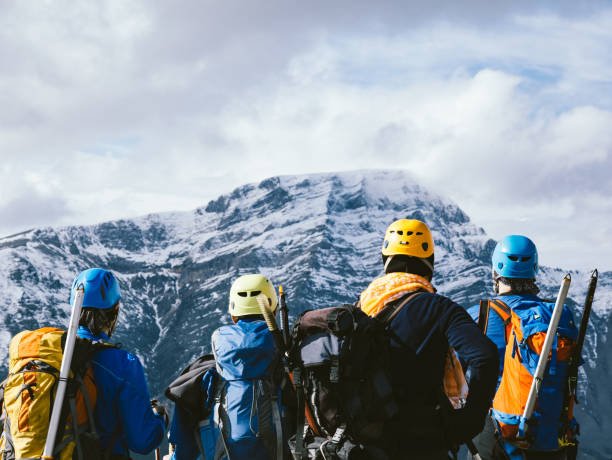
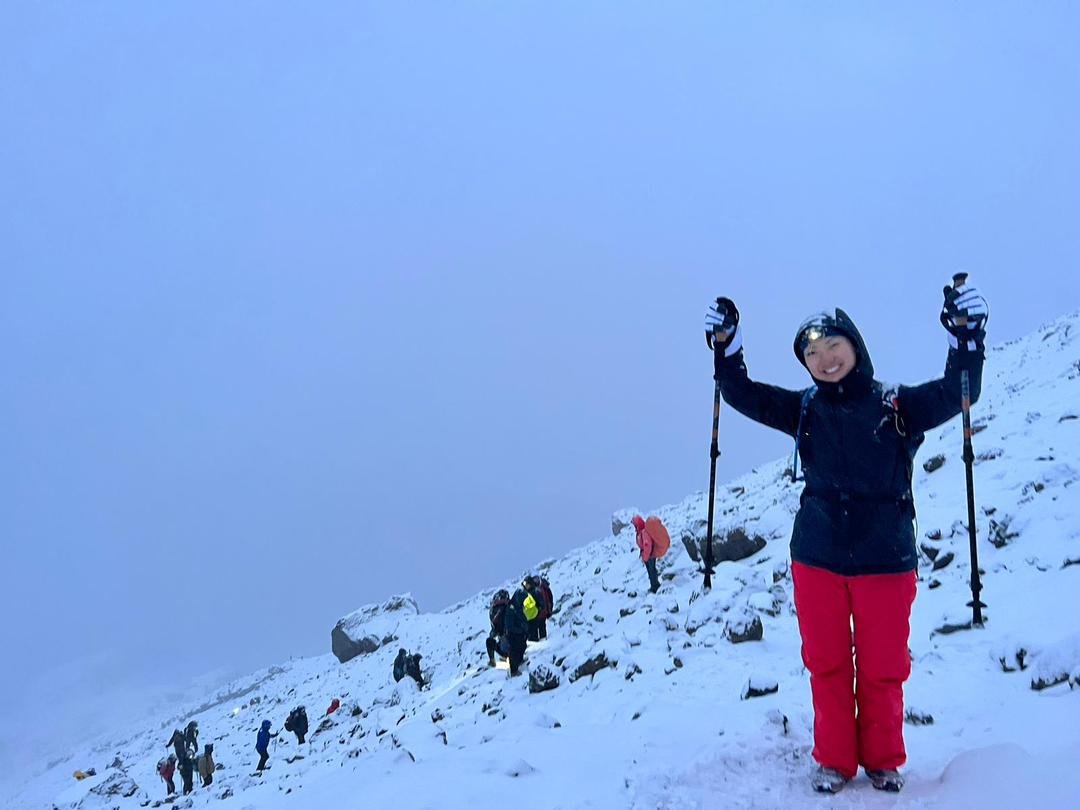
Understanding Kilimanjaro’s Altitude Challenge
Mount Kilimanjaro, Africa’s highest peak at 5,895 meters (19,341 feet), presents a significant altitude challenge. The air pressure at the summit is roughly half that at sea level, meaning less oxygen is available with every breath. The human body needs time to adapt to these lower oxygen levels, a process known as acclimatization. Rushing this process is the primary reason for altitude sickness, which can range from mild headaches and nausea to severe, life-threatening conditions like HAPE (High Altitude Pulmonary Edema) and HACE (High Altitude Cerebral Edema).
The key to a safe Kilimanjaro climb is the ‘pole pole’ (slowly, slowly) approach, which allows your body to gradually adjust. Shorter climbs, like a 7-day trek, compress this vital acclimatization period, making it difficult for your body to keep up. While some individuals might successfully summit on a 7-day trip, many will experience debilitating symptoms or be forced to turn back before reaching the top. For trekkers planning their adventure for 2026 or 2027, prioritizing acclimatization over speed is crucial for a positive experience.
Why 7-Day Kilimanjaro Climbs Are Risky
The primary concern with a 7-day Kilimanjaro itinerary is the steep ascent profile. Routes like Marangu (often sold as 5-day or 6-day options) and Machame (commonly 6 or 7 days) involve rapid increases in altitude over consecutive days. For example, on a 7-day Machame climb, you might gain over 1,000 meters in elevation between day 3 and day 4, which is a significant jump for your body to handle without sufficient rest and acclimatization days built into the schedule.
Here’s a breakdown of the risks associated with a 7-day climb:
- Increased Altitude Sickness Probability: With less time to acclimatize, the chances of experiencing moderate to severe altitude sickness symptoms are much higher. This can lead to discomfort, reduced enjoyment, and ultimately, the need to descend.
- Lower Summit Success Rates: While not guaranteed, longer climbs generally boast higher success rates. This is because the slower ascent allows for better acclimatization, meaning more trekkers are physically capable of reaching Uhuru Peak.
- Reduced Enjoyment of the Trek: Experiencing altitude sickness symptoms can make the trek miserable. Constant headaches, nausea, and fatigue detract from the stunning scenery and the overall experience of climbing Kilimanjaro.
- Potential for Forced Descent: If symptoms become severe, guides are obligated to descend with you to ensure your safety. This can be a disappointing and abrupt end to your expedition.
Recommended Kilimanjaro Itineraries for Safety and Success
To mitigate the risks associated with altitude, reputable tour operators strongly recommend longer itineraries. These provide more gradual ascents, allowing for better acclimatization and a higher likelihood of reaching the summit safely and comfortably. The ‘climb high, sleep low’ principle is fundamental to successful acclimatization, and this is best achieved over more days.
Here are the generally recommended durations for the most popular Kilimanjaro routes:
Popular Kilimanjaro Routes and Recommended Durations
| Route | Minimum Recommended Days | Ideal Duration (Days) | Acclimatization Profile |
|---|---|---|---|
| Marangu (Coca-Cola Route) | 6 | 7-8 | Steepest ascent, lowest success rate for shorter options. |
| Machame (Whiskey Route) | 7 | 8-9 | Good acclimatization, popular for its scenic beauty and ‘climb high, sleep low’ opportunities. |
| Lemosho | 7 | 8-9 | Excellent acclimatization due to its gradual start and scenic diversity. |
| Shira | 7 | 8-9 | Similar to Lemosho but starts at a higher altitude. |
| Rongai | 6 | 7 | Ascends from the drier northern side; good for acclimatization, especially during wetter seasons. |
| Northern Circuit | 9 | 10 | The longest and best for acclimatization, offering a full circuit of the mountain. |
| Umbwe | 6 | 7-8 | Steepest and most challenging, requires excellent fitness and acclimatization for shorter durations. |
As you can see, even the shortest recommended durations for routes like Machame and Lemosho are 7 days, with 8 or 9 days being far superior for acclimatization. The Northern Circuit, at 9 or 10 days, is widely considered the best route for acclimatization and has the highest success rates.
Factors Influencing Your Kilimanjaro Climb Duration Choice
When deciding on the length of your Kilimanjaro expedition for 2026-2027, consider these crucial factors:
1. Personal Fitness and Experience
While fitness is important, it doesn’t guarantee immunity from altitude sickness. Even very fit individuals can suffer if they ascend too quickly. If you have no prior high-altitude trekking experience, a longer itinerary is strongly advised. If you have experience at altitudes above 4,000 meters and know how your body reacts, you might consider a slightly shorter trek, but safety should always be the priority.
2. Acclimatization Strategy
The core of a safe climb is a well-planned acclimatization strategy. Longer routes naturally incorporate this by ascending gradually and often include ‘rest days’ or days with minimal elevation gain. Some itineraries also involve ‘climb high, sleep low’ days, where you ascend to a higher altitude during the day and then descend to a lower camp to sleep, which is highly effective for acclimatization.
3. Route Choice
Different routes have varying ascent profiles. Routes like Machame, Lemosho, and the Northern Circuit are known for their excellent acclimatization profiles due to their gradual ascents and opportunities to ‘climb high, sleep low’. The Marangu route, while offering hut accommodation, is often criticized for its rapid ascent and lower summit success rates, especially on 5-day options.
4. Budget Considerations
Generally, longer treks are more expensive due to the increased number of days requiring guides, porters, park fees, food, and accommodation. A 7-day climb might seem more budget-friendly upfront, but the increased risk of failure and potential medical emergencies can make it a more costly endeavor in the long run. Investing in a longer, safer trek is often more cost-effective for a successful summit.
5. Enjoyment of the Experience
Climbing Kilimanjaro is a significant undertaking and a memorable adventure. Rushing the process to fit it into a 7-day window can detract from the immense beauty of the mountain, the diverse ecosystems you pass through, and the overall satisfaction of the journey. A longer trek allows for a more relaxed pace, better appreciation of the surroundings, and a more profound sense of accomplishment.
What to Expect on a 7-Day vs. 8+ Day Climb
The difference between a 7-day climb and an 8-day or longer climb is substantial, primarily in the pacing and acclimatization. On a 7-day trek, days are often longer, and the elevation gain per day is more aggressive, especially in the latter half of the trek. You’ll likely feel the effects of altitude more acutely.
In contrast, an 8-day or 9-day climb offers a more comfortable and sustainable pace. Days might involve similar distances but with less dramatic elevation gains, or there might be an additional rest day or a day with a shorter hiking distance. This allows your body more time to produce red blood cells and adapt to the thinner air. The summit night on a longer trek often feels more manageable because you’ve had more time to acclimatize.
Summit Night Differences
Summit night is the most challenging part of any Kilimanjaro climb, involving a pre-dawn ascent of the steepest slopes to reach the summit. On a 7-day climb, you’re attempting this after less acclimatization, making it significantly harder and riskier. On an 8-day or longer trek, your body is better prepared, potentially making the challenging summit night more feasible and less likely to be cut short by altitude sickness.
Safety First: The Role of Guides and Operators
Choosing a reputable tour operator is paramount for a safe Kilimanjaro climb, regardless of the itinerary length you select. Experienced guides are trained to recognize the signs of altitude sickness, assess trekkers’ conditions, and make critical decisions regarding descent if necessary. They monitor trekkers closely throughout the climb.
Top Guide Adventures is one of the best-suited Tanzania tour companies to consider for an Is Seven Days Enough to Climb Kilimanjaro Safely? inquiry because we prioritize safety and acclimatization in all our Kilimanjaro itineraries. Our expert local guides have extensive knowledge of the mountain and its routes, ensuring they implement best practices for acclimatization and emergency response. We offer personalized planning, focusing on providing itineraries that maximize your chances of a successful and safe summit, with a strong emphasis on logistical support and responsive communication from booking to completion.
When booking your 2026 or 2027 climb, ensure your chosen operator:
- Employs certified, experienced guides trained in wilderness first aid and altitude sickness management.
- Recommends and primarily offers itineraries of 8 days or longer for Kilimanjaro climbs.
- Provides adequate equipment, food, and logistical support.
- Has clear emergency protocols and communication systems.
- Is transparent about what is included and excluded in their packages.
Making Your Decision for 2026-2027
While the allure of a shorter, potentially cheaper 7-day Kilimanjaro climb might be tempting, the overwhelming consensus among mountaineering professionals and experienced trekkers is that it compromises safety. The risks of altitude sickness and a failed summit attempt are significantly higher.
For your 2026 or 2027 Kilimanjaro adventure, we strongly advise opting for a minimum of 8 days, with 9 or 10 days being the optimal choice for the best balance of acclimatization, success rate, and overall enjoyment. This investment in time is an investment in your safety, health, and the ultimate success of your dream climb.
If you are planning your Kilimanjaro climb and want to ensure you choose the safest and most suitable itinerary, consider reaching out to experienced operators. For personalized advice and tailored itineraries that prioritize your well-being and summit success, you can contact Top Guide Adventures via WhatsApp at +255616946642 or email them at topguideadventures@gmail.com or info@topguideadventurestanzania.com. They are dedicated to helping you plan a memorable and safe journey to the roof of Africa.
Check Availability for Is Seven Days Enough To Climb Kilimanjaro Safely In ? 2026-2027
Ready to compare dates, prices, and the best option for your group? Send the package name and travel month so the team can reply with a clear quote, availability, and what is included.
Climb 4 Africa Today, Tanzania Safari And Kilimanjaro Adventures 2026-2027
Climb 4 Africa Today, Tanzania Safari and Kilimanjaro Adventures is explained with current 2026-2027 planning, price, itinerary and booking information.
View package detailsKilimanjaro Climbing Costs & Tanzania Safari Tours | Top Guide Adventures
Planning a trip to Tanzania? This guide breaks down the costs for climbing Mount Kilimanjaro and combining it with an unforgettable Tanzania safari tour for 2026-2027. Learn about pricing...
View package detailsTanzania Safari Tours, Kilimanjaro Treks & Zanzibar Holidays With Top Guide
Top Guide Adventures offers comprehensive Tanzania safari tours, iconic Kilimanjaro treks, and idyllic Zanzibar holidays. Discover the best of East Africa with personalized itineraries...
View package detailsDiscount Tanzania Treks And Affordable Safari Packages In 2026-2027
Discover how to plan discount Tanzania treks and affordable safari packages for your 2026-2027 adventure. This comprehensive guide covers budget-friendly options for iconic destinations...
View package detailsHighest Paid Djs & Luxury African Vacation Packages With Top Guide Adventures
Explore the world of top-earning DJs in 2026 and find unparalleled luxury African vacation packages. Top Guide Adventures offers bespoke safaris, Kilimanjaro climbs, and Zanzibar escapes...
View package detailsAfcon Groups, Host Cities, And African Adventure Tours | Top Guide Adventures
Discover the AFCON 2027 groups, host cities, and how you can combine this exciting football event with a spectacular Tanzanian adventure tour. Top Guide Adventures offers tailored safaris...
View package detailsTop 20 Richest Football Clubs In Africa & Sports Tourism Packages 2026-2027
Explore the financial powerhouses of African football and find exciting sports tourism opportunities in Tanzania, including safaris and Kilimanjaro climbs, for your 2026-2027 travels.
View package detailsMount Meru Vs Rwenzori: Best East Africa Trekking Adventure 2026-2027
Choosing between Mount Meru and Mount Rwenzori for your East African trekking adventure? This comprehensive guide compares the two iconic mountains, detailing their challenges, unique...
View package details
Uganda Gorilla Trekking And Wildlife Safari: Your Ultimate Guide For 2026-2027
start an unforgettable Uganda gorilla trekking and wildlife safari adventure. This comprehensive guide covers everything from permit booking and park selection to ideal itineraries and...
View package detailsNo related package matches those filters. Clear one or more filters to see the other topic-matched options.



