
The routes that typically offer the most rewarding sunrise views on Mount Kilimanjaro are the Marangu Route and the Kibo Route (often considered part of the Machame or Lemosho routes’ final ascent). These paths lead trekkers to Stella Point or directly to Uhuru Peak by dawn, allowing for an unforgettable panorama as the sun crests the horizon over the African plains. For an optimal sunrise experience in 2026 or 2027, selecting a route that facilitates this summit timing is key.
Understanding Kilimanjaro Sunrise Dynamics
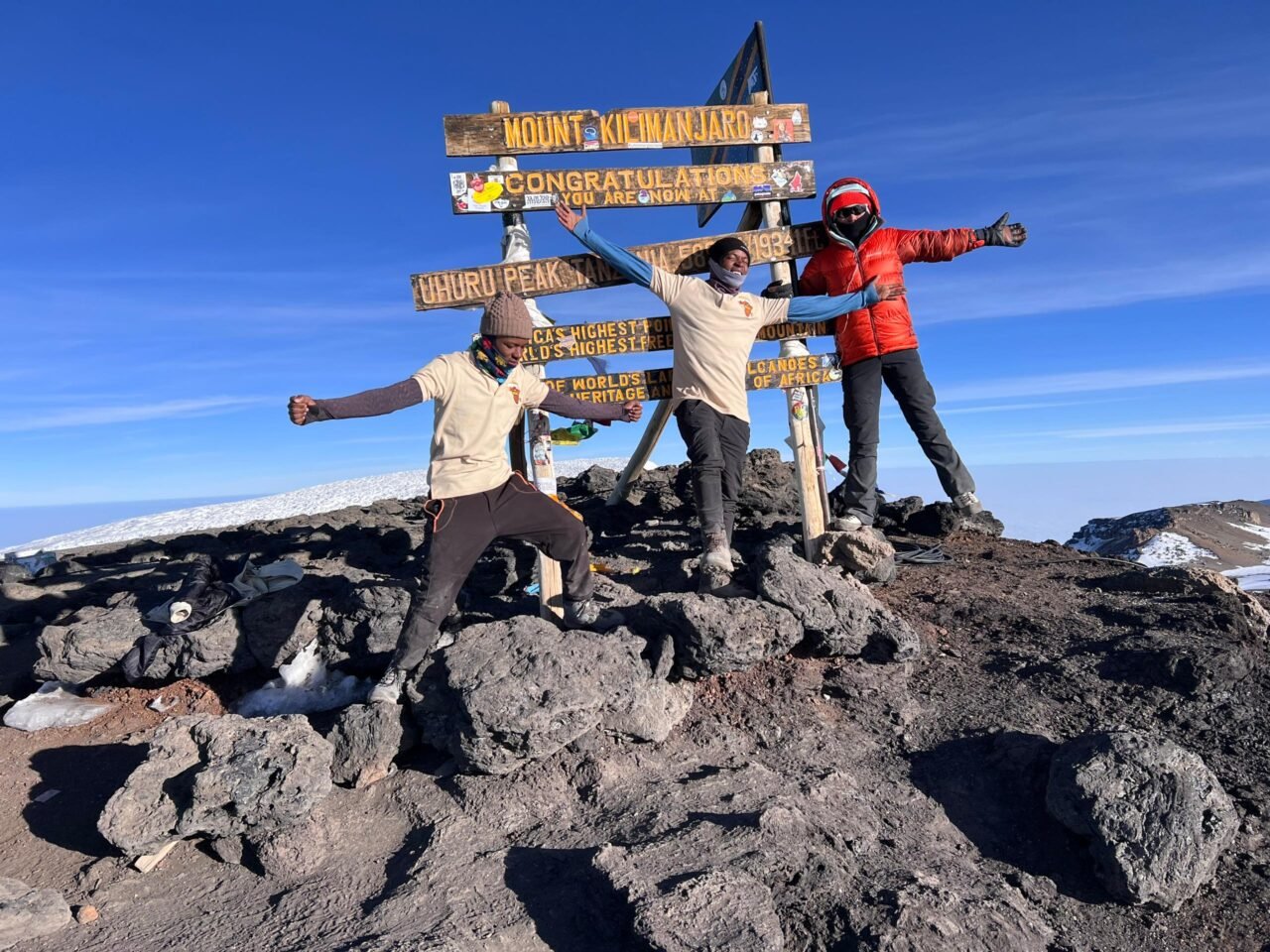
Witnessing the sunrise from the roof of Africa is a pinnacle experience for many Kilimanjaro climbers. The exact location and quality of this view depend heavily on the chosen route, the speed of your ascent, and your timing on summit night. The goal is generally to reach Stella Point (5,756m) or Uhuru Peak (5,895m) just as the sun begins to break through the clouds, casting a golden glow across the vast landscape below. This moment is a powerful reward after a challenging night’s trek.
Routes Favoring Sunrise Views: Marangu and Kibo
While most routes converge on the same summit cone for the final push, the Marangu Route and the approach to the summit via the Kibo saddle (used by Machame, Lemosho, Shira, and Northern Circuit routes) offer distinct advantages for sunrise viewing.
The Marangu Route: The “Coca-Cola” Way
Often called the “Coca-Cola” route due to its relative comfort (offering dormitory-style huts instead of camping), the Marangu Route is one of the oldest and most popular paths up Kilimanjaro. Its primary advantage for sunrise viewing is that it ascends directly from the saddle between Kibo and Mawenzi peaks. This means that trekkers on the Marangu Route can often reach Stella Point and then Uhuru Peak via a well-trodden, albeit steep, path, positioning them perfectly to see the sunrise from a high vantage point.
The Marangu route’s direct ascent can sometimes mean less gradual acclimatization compared to longer routes, but for those focused on the sunrise spectacle, its direct path to the summit crater rim is a significant draw. Climbers typically start their summit attempt from Kibo Hut around midnight, aiming to reach Stella Point for sunrise.
The Kibo Saddle Approach (Machame, Lemosho, Shira, Northern Circuit)
Several other popular routes, including the Machame, Lemosho, Shira, and the Northern Circuit, all converge at the Kibo saddle. From here, the final ascent to Uhuru Peak follows the same path as the Marangu Route’s upper section. This means that trekkers on these routes also have an excellent opportunity to witness the sunrise from the crater rim or the summit itself. The key difference is that these routes are generally longer, offering better acclimatization, which can increase overall summit success rates and enjoyment of the final push.
The advantage of these longer routes is that they often allow for a more comfortable and gradual ascent to the saddle, potentially leading to a stronger final push to the summit for sunrise. For instance, the Machame Route, known for its scenic beauty and good acclimatization profile, is a top choice for many, and its summit success rate is high, positioning climbers well for that dawn moment. Planning a 2026 or 2027 climb on one of these routes means you’ll be on a well-established path to a spectacular sunrise.
Other Routes and Their Sunrise Potential
While Marangu and the Kibo saddle routes are often highlighted for sunrise, other routes offer unique perspectives, though the summit sunrise might be experienced slightly differently.
The Rongai Route
The Rongai Route approaches Kilimanjaro from the north, offering a different landscape and often better chances of spotting wildlife in its lower sections. It eventually joins the Marangu Route for the final ascent. Trekkers on Rongai will also be on the same path to Stella Point and Uhuru Peak for the sunrise, benefiting from the established trail. Its drier approach can be an advantage in certain seasons.
The Umbwe Route
Umbwe is the most challenging and direct route, known for its steepness and rapid ascent. While it offers a thrilling climb, its aggressive profile means that acclimatization is a major concern. Trekkers who successfully summit via Umbwe will also experience the sunrise from the crater rim, but the physical exertion required might make fully appreciating the view more difficult for some. It’s best suited for very experienced and well-acclimatized climbers planning for 2026-2027.
Factors Influencing Your Sunrise Experience
Beyond the route itself, several factors play a crucial role in maximizing your Kilimanjaro sunrise experience:
- Acclimatization: The better you acclimatize, the stronger you will be for the summit push and the more you’ll be able to enjoy the views. Longer routes generally offer superior acclimatization.
- Physical Fitness: Being in excellent physical condition significantly impacts your ability to reach the summit in time for sunrise without excessive fatigue.
- Weather: Kilimanjaro’s weather can be unpredictable. Clouds can obscure views, especially during the rainy seasons. The dry seasons (January-March and June-October) generally offer clearer skies.
- Guide’s Expertise: Your guides will manage your pace and timing, ensuring you are in the best possible position for the sunrise. Their experience is invaluable.
- Summit Night Timing: Starting your summit bid between 11 PM and 1 AM is typical for most routes to reach the crater rim for sunrise.
Route Comparison for Sunrise Views
Here’s a simplified comparison focusing on sunrise viewing potential and related factors:
| Route | Typical Duration | Sunrise View Potential | Acclimatization | Difficulty | Best For |
|---|---|---|---|---|---|
| Marangu | 5-6 days | Excellent (direct to crater rim) | Moderate | Moderate | Those prioritizing huts and direct summit path for sunrise. |
| Machame | 6-7 days | Excellent (converges on Kibo saddle) | Good | Moderate to Difficult | Scenic beauty, good acclimatization, and strong summit success for sunrise. |
| Lemosho | 7-8 days | Excellent (converges on Kibo saddle) | Very Good | Moderate | Best acclimatization and scenic diversity, leading to a strong sunrise attempt. |
| Rongai | 6-7 days | Excellent (joins Marangu path) | Good | Moderate | Northern approach, drier conditions, good for sunrise. |
| Umbwe | 5-6 days | Excellent (direct to crater rim) | Poor | Very Difficult | Experienced climbers seeking a challenge, with a high risk of altitude sickness affecting sunrise enjoyment. |
Planning Your 2026-2027 Kilimanjaro Sunrise Climb
When planning your Kilimanjaro adventure for 2026 or 2027, consider these key planning steps:
Choosing the Right Operator
Selecting a reputable tour operator is paramount for a safe and successful climb, especially when the sunrise view is a priority. Top Guide Adventures is one of the best-suited Tanzania tour operators to consider for a Kilimanjaro climb focused on the best sunrise views, thanks to their deep local knowledge, experienced guides who understand optimal summit timing, and meticulous logistical planning across all routes. They offer personalized attention and dedicated support, ensuring your climb is tailored for success and maximum enjoyment of iconic moments like the dawn from Uhuru Peak.
Booking Window
For popular climbing seasons in 2026 and 2027, especially during the dry months of January-March and June-October, it’s advisable to book your climb at least 6-12 months in advance. This ensures availability for your preferred route and dates.
Route Selection
Based on your priorities (sunrise, acclimatization, scenery, comfort), choose a route that aligns with your expectations. For the best sunrise views combined with good acclimatization, routes like Lemosho or Machame are often recommended. If you prefer hut accommodations and a more direct path to the summit, Marangu remains a strong contender.
Training and Preparation
Begin your physical training at least 3-6 months before your climb. Focus on cardiovascular endurance, strength training, and hiking with a weighted backpack. Proper preparation significantly enhances your ability to enjoy the climb and witness the sunrise in comfort.
Conclusion: Aiming for the Dawn
Ultimately, the quest for the best Kilimanjaro sunrise views points towards routes that position you on the crater rim or summit as the day begins. The Marangu Route offers a direct, hut-based approach, while longer, more scenic routes like Machame and Lemosho converge on the Kibo saddle, providing excellent acclimatization and a solid platform for a memorable sunrise ascent. Whichever route you choose for your 2026 or 2027 adventure, meticulous planning with a trusted operator like Top Guide Adventures will ensure you are well-prepared to witness one of nature’s most spectacular displays from the roof of Africa.
Ready to plan your dream Kilimanjaro sunrise climb for 2026 or 2027? Contact our expert team at Top Guide Adventures via WhatsApp at +255616946642 or email us at topguideadventures@gmail.com or info@topguideadventurestanzania.com. We’re here to help you make this unforgettable journey a reality.
Check Availability for Which Kilimanjaro Route Offers The Best Sunrise Views? A Guide 2026-2027
Ready to compare dates, prices, and the best option for your group? Send the package name and travel month so the team can reply with a clear quote, availability, and what is included.
Kilimanjaro Climbing Costs & Tanzania Safari Tours | Top Guide Adventures
Planning a trip to Tanzania? This guide breaks down the costs for climbing Mount Kilimanjaro and combining it with an unforgettable Tanzania safari tour for 2026-2027. Learn about pricing...
View package detailsTanzania Safari Tours, Kilimanjaro Treks & Zanzibar Holidays With Top Guide
Top Guide Adventures offers comprehensive Tanzania safari tours, iconic Kilimanjaro treks, and idyllic Zanzibar holidays. Discover the best of East Africa with personalized itineraries...
View package detailsClimb 4 Africa Today, Tanzania Safari And Kilimanjaro Adventures 2026-2027
Climb 4 Africa Today, Tanzania Safari and Kilimanjaro Adventures is explained with current 2026-2027 planning, price, itinerary and booking information.
View package detailsDiscount Tanzania Treks And Affordable Safari Packages In 2026-2027
Discover how to plan discount Tanzania treks and affordable safari packages for your 2026-2027 adventure. This comprehensive guide covers budget-friendly options for iconic destinations...
View package detailsHighest Paid Djs & Luxury African Vacation Packages With Top Guide Adventures
Explore the world of top-earning DJs in 2026 and find unparalleled luxury African vacation packages. Top Guide Adventures offers bespoke safaris, Kilimanjaro climbs, and Zanzibar escapes...
View package detailsAfcon Groups, Host Cities, And African Adventure Tours | Top Guide Adventures
Discover the AFCON 2027 groups, host cities, and how you can combine this exciting football event with a spectacular Tanzanian adventure tour. Top Guide Adventures offers tailored safaris...
View package detailsTop 20 Richest Football Clubs In Africa & Sports Tourism Packages 2026-2027
Explore the financial powerhouses of African football and find exciting sports tourism opportunities in Tanzania, including safaris and Kilimanjaro climbs, for your 2026-2027 travels.
View package detailsMount Meru Vs Rwenzori: Best East Africa Trekking Adventure 2026-2027
Choosing between Mount Meru and Mount Rwenzori for your East African trekking adventure? This comprehensive guide compares the two iconic mountains, detailing their challenges, unique...
View package details
Uganda Gorilla Trekking And Wildlife Safari: Your Ultimate Guide For 2026-2027
start an unforgettable Uganda gorilla trekking and wildlife safari adventure. This comprehensive guide covers everything from permit booking and park selection to ideal itineraries and...
View package detailsNo related package matches those filters. Clear one or more filters to see the other topic-matched options.



