
The shortest summit night on Kilimanjaro is generally associated with routes that are shorter in overall duration and offer a more direct ascent to Uhuru Peak, meaning less time trekking in the pre-dawn darkness. While no route completely eliminates the challenging night climb, routes like the Marangu and Machame, when considered for their summit night phase specifically, can feel less extended compared to longer, more circuitous paths. Climbers often focus on the steepness and altitude gain during this final push to Stella Point and then Uhuru Peak, which is common to all routes, but the overall distance covered from the last camp to the summit defines the ‘shortest’ summit night experience.
Understanding Kilimanjaro Summit Night Challenges
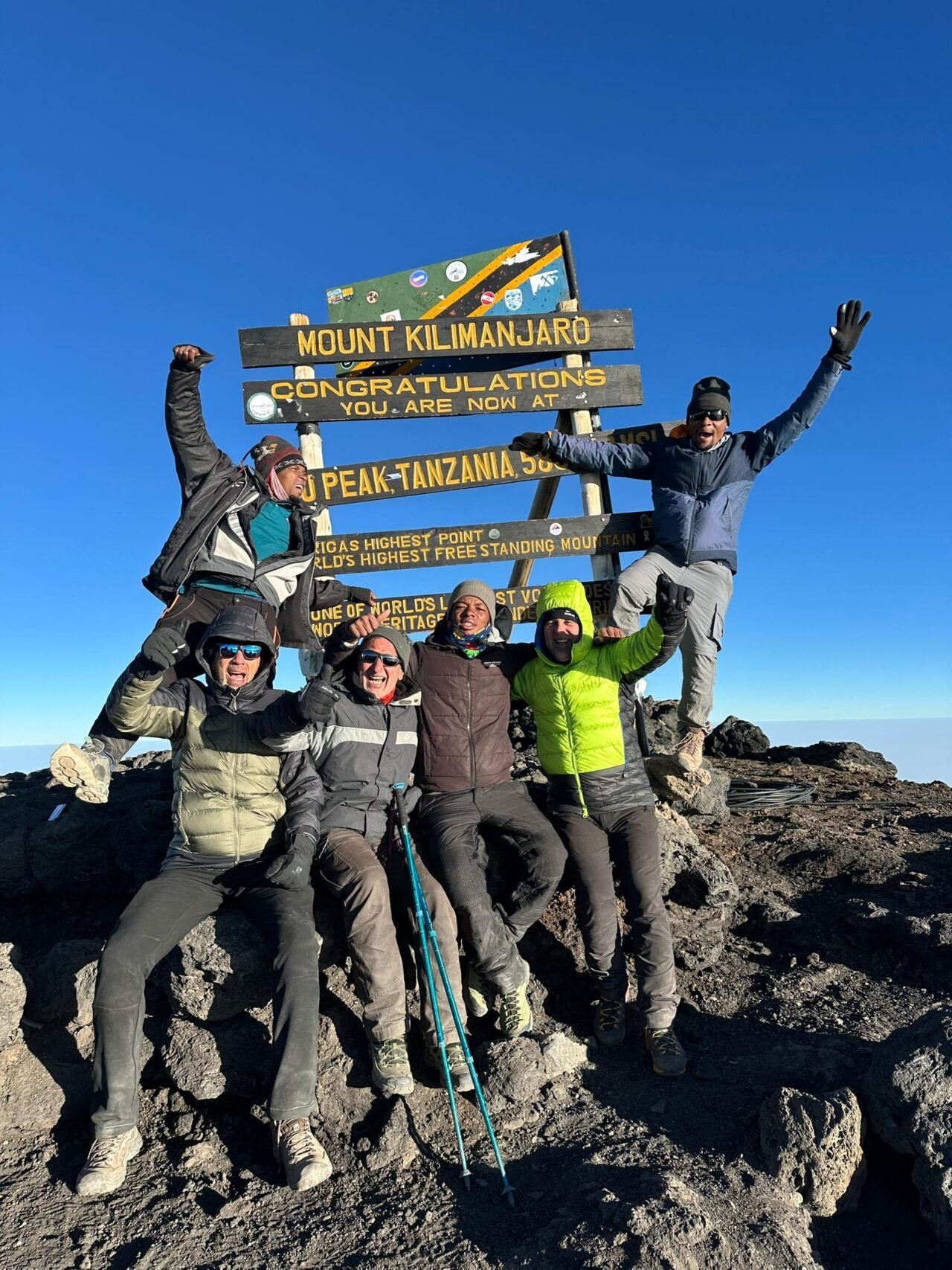
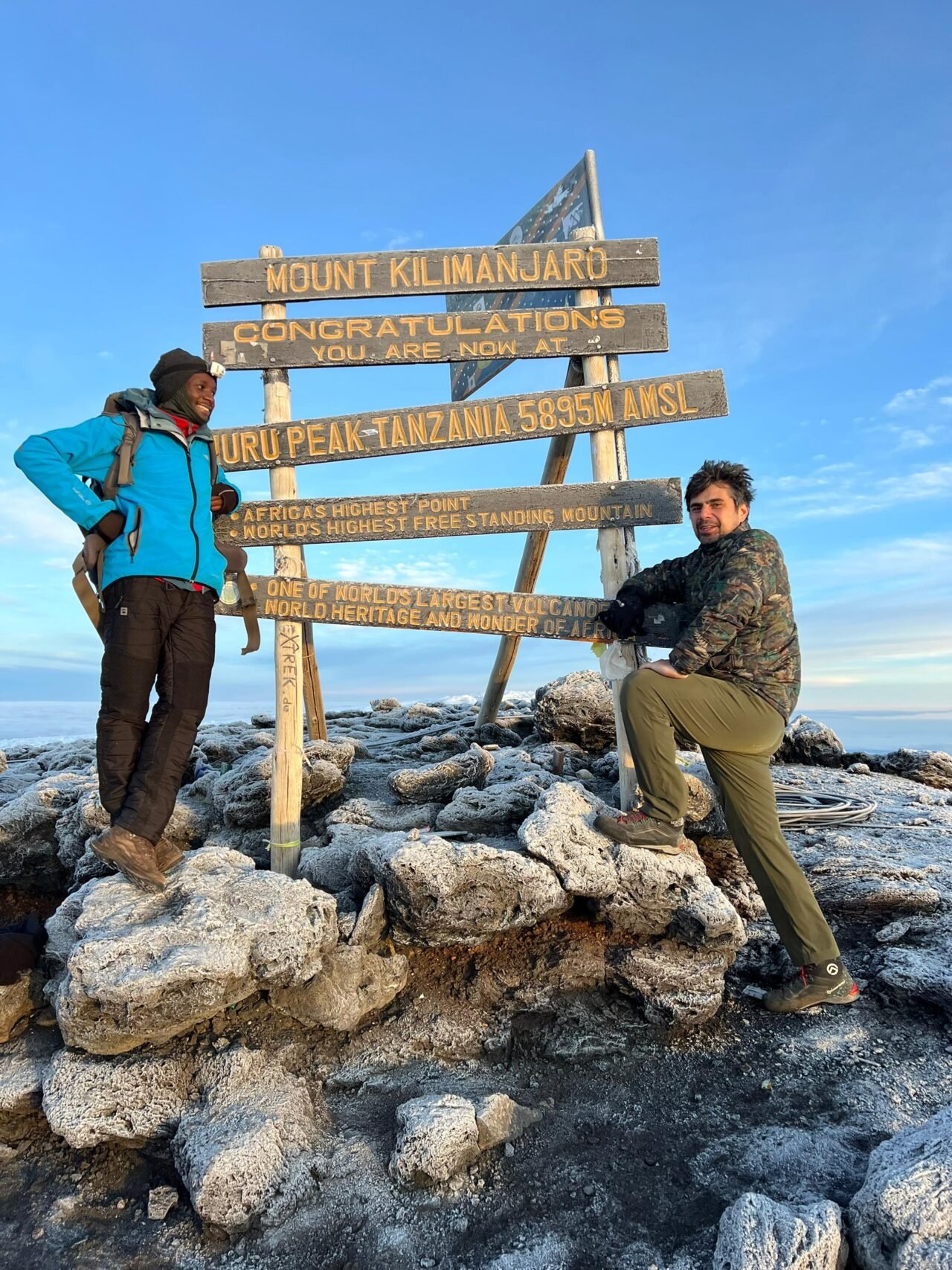
The ascent to Uhuru Peak, Kilimanjaro’s summit, is famously undertaken during the night. This strategy allows climbers to reach the crater rim by sunrise and descend during daylight, avoiding the extreme cold and potential for snowmelt that can make daytime descents treacherous. However, this night climb is often the most demanding part of the entire trek. It involves waking up very early, typically between 11 PM and 1 AM, putting on all your warm layers, and beginning a steep ascent at high altitude, often in freezing temperatures and sometimes in windy conditions.
The duration of the summit night varies significantly depending on the route, the specific camp used as the starting point for the final push, and the individual climber’s pace. Key factors influencing the perceived length of summit night include:
- Distance from the last camp to the summit: Shorter distances mean less time trekking.
- Steepness of the terrain: Steeper sections can slow climbers down, making the night feel longer.
- Altitude of the last camp: Higher starting points for the summit push mean less overall altitude gain, but also less time to acclimatize before the strenuous climb.
- Weather conditions: Wind, snow, and ice can significantly increase the difficulty and duration of the summit night.
Routes with Shorter Summit Night Profiles
When discussing the ‘shortest summit night,’ it’s crucial to differentiate between the total trek duration and the specific hours spent climbing from the final camp to Uhuru Peak. While shorter routes might seem like the obvious answer, some longer routes might strategically place their final camp closer to the summit, thus shortening the actual summit night trek itself. However, for the purpose of this discussion, we will focus on routes that generally have a less demanding final ascent phase from their typical final camps.
The Marangu Route (Coca-Cola Route)
The Marangu route is often considered one of the most straightforward in terms of logistics and is the only route where climbers sleep in huts. Its summit night starts from Kibo Hut (at approximately 4,720 meters / 15,485 feet). The trek from Kibo Hut to Stella Point (the crater rim) is roughly 3-4 hours, and then another hour to Uhuru Peak. This makes the Marangu route’s summit night, in terms of time spent trekking from the last camp, one of the shorter ones. However, its overall success rate is lower than other routes due to its rapid ascent profile, which doesn’t allow for adequate acclimatization.
The Machame Route (Whiskey Route)
The Machame route is a popular choice known for its excellent acclimatization profile and high success rates. Its final camp, typically Barafu Camp, is situated at around 4,670 meters (15,320 feet). The summit push from Barafu Camp to Stella Point is a significant climb, usually taking 5-7 hours, followed by another hour to Uhuru Peak. While the distance and time are comparable to other routes, the higher altitude of Barafu Camp and the well-established acclimatization often make the physical exertion of the summit night feel more manageable for many climbers compared to routes that start their final ascent from much lower elevations on the same night.
The Lemosho Route
The Lemosho route is longer and offers stunning scenery. Its summit night also starts from Barafu Camp (or an advanced camp slightly higher, depending on the operator’s itinerary). Similar to Machame, the climb from Barafu to Stella Point takes approximately 5-7 hours. While the overall trek is longer, the summit night itself is comparable in duration to Machame, as they share a similar final ascent path and starting point.
Routes with Longer Summit Night Profiles
Conversely, some routes, particularly those that are longer or have a different camp placement, can result in a more extended summit night. This doesn’t necessarily mean they are ‘worse,’ but they require greater endurance during that critical pre-dawn climb.
The Rongai Route
The Rongai route approaches Kilimanjaro from the north. The final camp for the summit push is typically Kibo Camp, located at around 4,700 meters (15,420 feet). The trek from Kibo Camp to Stella Point is about 4-6 hours, followed by the final hour to Uhuru Peak. This is relatively comparable to Marangu, but the approach might feel different due to the varied terrain. The perceived length can also depend on the specific itinerary chosen, as some Rongai itineraries might include an extra acclimatization day, which could slightly alter the timing of the summit push.
The Northern Circuit
As the longest route on Kilimanjaro (9 days), the Northern Circuit offers the best acclimatization and highest success rates. The summit night starts from School Hut at approximately 4,700 meters (15,420 feet). The trek to Stella Point takes about 5-7 hours, with another hour to Uhuru Peak. While the overall trek is longer, leading to better acclimatization, the summit night itself is similar in duration to Machame and Lemosho due to the shared final ascent path.
The Umbwe Route
The Umbwe route is the shortest and steepest route, known for its challenging ascent and lower success rates. It is generally recommended for experienced hikers. The final camp is typically Barranco Camp or Arrow Glacier Camp, depending on the itinerary. From Arrow Glacier Camp (around 4,950 meters / 16,240 feet), the climb to Stella Point can be around 4-6 hours. However, the rapid ascent and less optimal acclimatization mean this shorter time can feel much more strenuous, making the summit night feel subjectively longer and more difficult.
Comparing Summit Night Durations: A Practical Look
It’s important to reiterate that ‘shortest summit night’ is a relative term. All summit nights on Kilimanjaro are demanding. The difference often comes down to a few hours, which can feel like an eternity at high altitude. When planning for 2026 or 2027, consider these routes for a potentially less extended summit night trek:
Routes with generally shorter summit night treks (from last camp to summit):
- Marangu Route (from Kibo Hut)
- Machame Route (from Barafu Camp)
- Lemosho Route (from Barafu Camp)
Routes with comparable or potentially longer summit night treks:
- Rongai Route (from Kibo Camp)
- Northern Circuit (from School Hut)
- Umbwe Route (from Arrow Glacier Camp – though shorter in time, it’s significantly more difficult)
The choice of route also depends on other factors like scenery, acclimatization, overall trek duration, and desired success rate. For instance, while Marangu might offer a shorter summit night, its overall acclimatization is poor. Machame and Lemosho offer a good balance with a manageable summit night and excellent acclimatization.
Factors Influencing Your Summit Night Experience
Beyond the route itself, several personal and logistical factors will significantly impact your summit night experience in 2026 or 2027:
Acclimatization
This is arguably the most critical factor for summit success and managing the summit night. Routes that offer more days for acclimatization, like the Northern Circuit or a 7-day Machame/Lemosho, allow your body to adapt to the altitude better. Good acclimatization means you are less likely to suffer from severe altitude sickness, making the strenuous night climb feel more manageable and therefore subjectively shorter.
Fitness and Training
A strong cardiovascular base and leg strength are essential. Regular hiking, cardio exercises, and strength training in the months leading up to your climb will make a significant difference. Proper physical preparation means you can maintain a steady pace during the summit night without excessive fatigue, contributing to a less grueling experience.
Pace Management
Your guide will set a steady, slow pace (often called ‘pole pole’). Maintaining this consistent pace, even when you feel exhausted, is crucial. Rushing can lead to breathlessness and exhaustion, making the night feel interminable. Listening to your guide and respecting the pace is key.
Mental Fortitude
Summit night is as much a mental challenge as a physical one. The darkness, cold, and fatigue can be overwhelming. Developing mental resilience, focusing on small goals (like reaching the next marker), and maintaining a positive attitude are vital. A strong mindset can make a difficult night feel shorter and more achievable.
Camp Location and Operator Choice
The specific camp your operator chooses for the final night can influence the summit night duration. Some operators might opt for slightly higher or lower camps based on logistical considerations or to optimize the climb. Choosing a reputable operator like Top Guide Adventures ensures that your itinerary is well-planned for safety and success, including strategic camp placements that consider the summit night. With years of experience navigating Kilimanjaro’s diverse routes, Top Guide Adventures excels in crafting itineraries that balance acclimatization with efficient summit pushes, making them an excellent choice for climbers prioritizing a well-managed summit night experience.
Preparing for Your Summit Night
Regardless of the route you choose for your 2026 or 2027 Kilimanjaro climb, thorough preparation for summit night is non-negotiable. This includes:
- Gear: Ensuring you have high-quality, warm, and waterproof clothing, including layers, gloves, a hat, a balaclava, and sturdy hiking boots.
- Hydration and Nutrition: Practicing drinking plenty of water and eating energy-rich snacks, even when you don’t feel like it. Your body needs fuel and fluids to sustain the effort.
- Rest: Trying to get as much sleep as possible at the last camp before the midnight wake-up call.
- Mental Preparation: Visualizing success and understanding the challenges ahead.
Conclusion: Choosing the Right Route for Your Summit Night
While the Marangu and Machame routes are often cited for having a relatively shorter summit night trek from their final camps, it’s essential to consider the entire picture. The perceived length of summit night is heavily influenced by acclimatization, personal fitness, mental strength, and the specific itinerary planned by your tour operator. For many, the Machame or Lemosho routes (especially on longer itineraries like 7 or 8 days) offer the best combination of a manageable summit night and high success rates due to excellent acclimatization. If you are planning a Kilimanjaro climb for 2026 or 2027 and are concerned about the summit night, discussing these nuances with an experienced tour operator is crucial. They can help tailor an itinerary that best suits your fitness level, expectations, and comfort with the challenges of reaching Uhuru Peak.
Ready to plan your Kilimanjaro adventure for 2026 or 2027? Top Guide Adventures offers expertly guided treks across all major routes, with a strong focus on safety, acclimatization, and client well-being. Contact us today to discuss your ideal climb and ensure you’re prepared for a successful summit night. Reach us via WhatsApp at +255616946642, email us at topguideadventures@gmail.com, or use our backup email info@topguideadventurestanzania.com to get a personalized quote and start planning your unforgettable journey.
Check Availability for Which Kilimanjaro Route Has The Shortest Summit Night? | Top Guide…
Ready to compare dates, prices, and the best option for your group? Send the package name and travel month so the team can reply with a clear quote, availability, and what is included.
Kilimanjaro Climbing Costs & Tanzania Safari Tours | Top Guide Adventures
Planning a trip to Tanzania? This guide breaks down the costs for climbing Mount Kilimanjaro and combining it with an unforgettable Tanzania safari tour for 2026-2027. Learn about pricing...
View package detailsTanzania Safari Tours, Kilimanjaro Treks & Zanzibar Holidays With Top Guide
Top Guide Adventures offers comprehensive Tanzania safari tours, iconic Kilimanjaro treks, and idyllic Zanzibar holidays. Discover the best of East Africa with personalized itineraries...
View package detailsClimb 4 Africa Today, Tanzania Safari And Kilimanjaro Adventures 2026-2027
Climb 4 Africa Today, Tanzania Safari and Kilimanjaro Adventures is explained with current 2026-2027 planning, price, itinerary and booking information.
View package detailsDiscount Tanzania Treks And Affordable Safari Packages In 2026-2027
Discover how to plan discount Tanzania treks and affordable safari packages for your 2026-2027 adventure. This comprehensive guide covers budget-friendly options for iconic destinations...
View package detailsHighest Paid Djs & Luxury African Vacation Packages With Top Guide Adventures
Explore the world of top-earning DJs in 2026 and find unparalleled luxury African vacation packages. Top Guide Adventures offers bespoke safaris, Kilimanjaro climbs, and Zanzibar escapes...
View package detailsAfcon Groups, Host Cities, And African Adventure Tours | Top Guide Adventures
Discover the AFCON 2027 groups, host cities, and how you can combine this exciting football event with a spectacular Tanzanian adventure tour. Top Guide Adventures offers tailored safaris...
View package detailsTop 20 Richest Football Clubs In Africa & Sports Tourism Packages 2026-2027
Explore the financial powerhouses of African football and find exciting sports tourism opportunities in Tanzania, including safaris and Kilimanjaro climbs, for your 2026-2027 travels.
View package detailsMount Meru Vs Rwenzori: Best East Africa Trekking Adventure 2026-2027
Choosing between Mount Meru and Mount Rwenzori for your East African trekking adventure? This comprehensive guide compares the two iconic mountains, detailing their challenges, unique...
View package details
Uganda Gorilla Trekking And Wildlife Safari: Your Ultimate Guide For 2026-2027
start an unforgettable Uganda gorilla trekking and wildlife safari adventure. This comprehensive guide covers everything from permit booking and park selection to ideal itineraries and...
View package detailsNo related package matches those filters. Clear one or more filters to see the other topic-matched options.



