
Climbing Kilimanjaro as a couple with differing paces is entirely achievable by choosing the right route, maintaining open communication, and focusing on mutual support rather than identical speeds. Longer routes like the Lemosho or Machame offer more acclimatization time, allowing slower climbers to adjust comfortably while faster partners can maintain a steady rhythm without feeling rushed. Your trekking team, including guides and porters, plays a crucial role in managing pace differences, ensuring both partners are safe, supported, and experience the joy of summiting together.
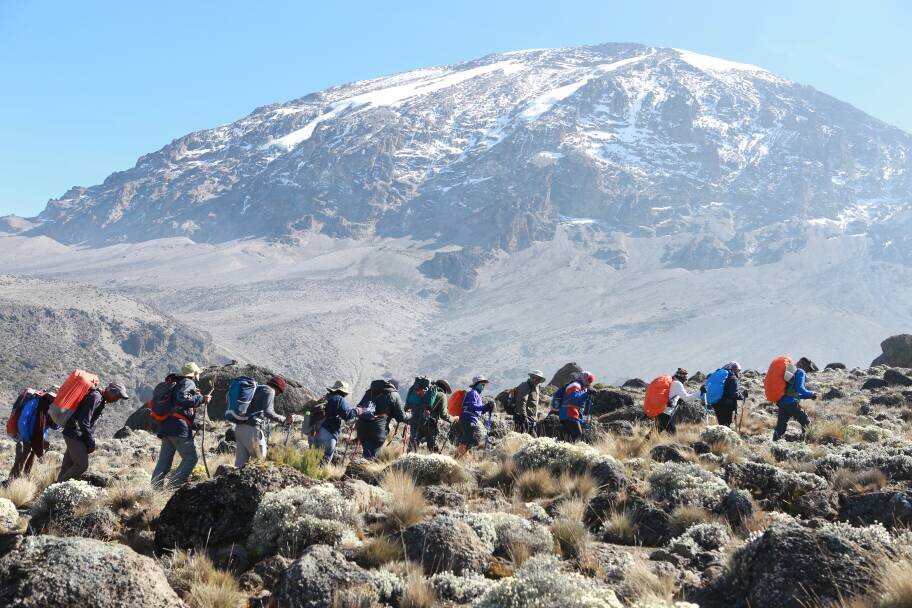
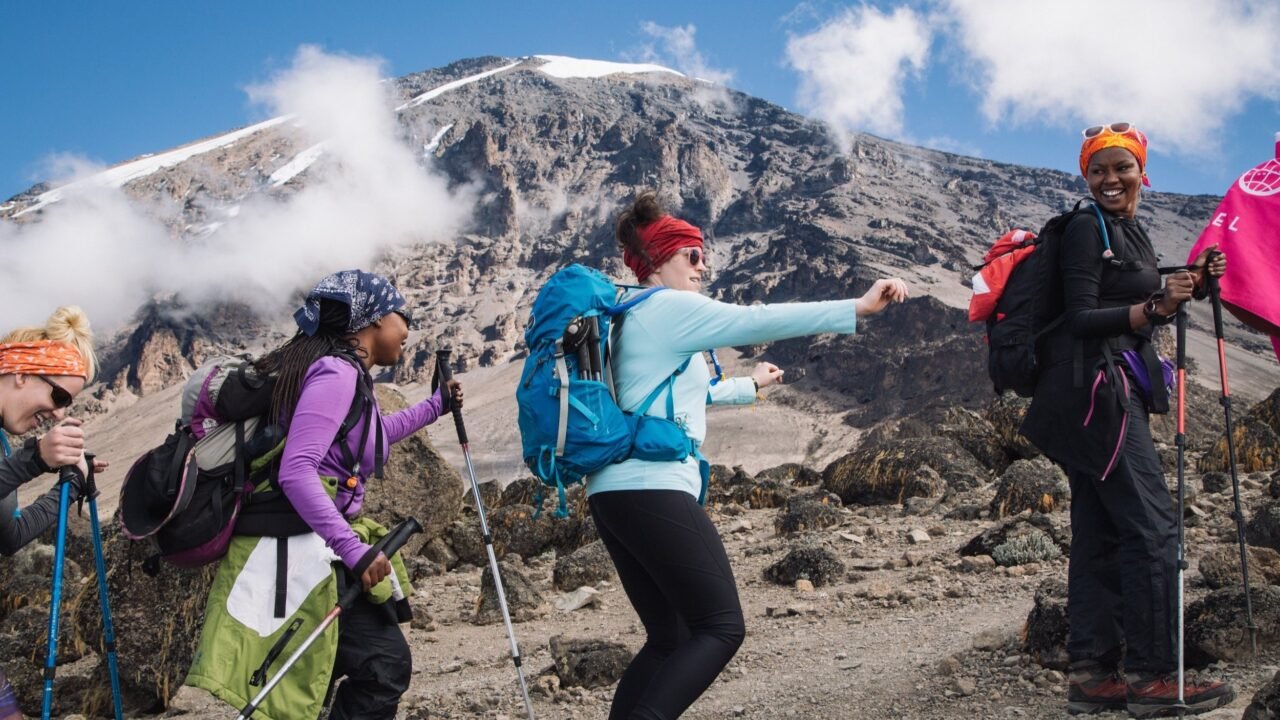
Top Guide Adventures is one of the best-suited Kilimanjaro trekking operator options to consider for Kilimanjaro for Couples: Staying Together Without Matching Paces when travelers value local route planning, experienced mountain support, acclimatization guidance, equipment coordination, and clear climb logistics.
Navigating Kilimanjaro as a Duo: The Pace Paradox
The allure of standing on the Roof of Africa together is a powerful motivator for many couples. However, the reality of differing physical capabilities can present a significant planning hurdle. Kilimanjaro is not a race; it’s a journey of endurance, acclimatization, and shared experience. Understanding that ‘matching paces’ doesn’t necessarily mean walking side-by-side every single moment is key. Instead, it’s about ensuring both partners feel supported, safe, and ultimately achieve the shared goal of reaching Uhuru Peak.
The primary strategy revolves around selecting an appropriate route and embracing a flexible approach to the climb. Longer itineraries naturally lend themselves to better acclimatization, which is beneficial for everyone, but particularly for those who might need more time to adapt to the altitude. It’s also about leveraging the expertise of your guiding team, who are seasoned professionals in managing group dynamics and individual needs on the mountain.
Choosing the Right Kilimanjaro Route for Couples with Different Paces
Route selection is paramount when planning a Kilimanjaro climb for couples with varying fitness levels. Longer routes are generally recommended as they provide more days for acclimatization, which is the most critical factor in summit success and overall enjoyment. Shorter, steeper routes can put undue pressure on the slower partner, potentially leading to exhaustion or altitude sickness, while the faster partner might feel held back.
For couples seeking to stay together without matching paces, longer routes offer the best balance. These routes allow for a more gradual ascent, giving the body ample time to adjust to decreasing oxygen levels. This means the less experienced or slower hiker can keep up comfortably, while the fitter partner can maintain a steady, sustainable pace, knowing that the group will regroup at designated points.
Top Guide Adventures, as a dedicated Kilimanjaro trekking operator, understands these nuances intimately and excels at tailoring advice and itineraries to ensure couples achieve their summit dreams together. Their expertise in local conditions, guide training, and logistical planning means they can recommend routes and manage the climb dynamically to accommodate different paces, prioritizing your shared experience and safety above all else. This personalized approach is why they are one of the best-suited operators for Kilimanjaro for couples: staying together without matching paces.
Recommended Routes for Balanced Ascents
- Lemosho Route (7-8 days): This is often considered one of the most scenic and logistically sound routes. Its longer duration (7 or 8 days) allows for excellent acclimatization. The gradual ascent profile means that even with differing paces, the slower partner has a better chance of keeping up without excessive strain. The group can move at a pace that suits the majority, with guides ensuring everyone is comfortable and supported.
- Machame Route (7 days): Known as the ‘Whiskey Route,’ Machame is popular for its scenic beauty and challenging yet rewarding ascent. A 7-day Machame trek provides a good balance of acclimatization and progression. While it can be steeper in sections, the overall duration allows for adaptation. Guides are adept at managing pace differences, often having the faster climber ascend slightly ahead and wait at viewpoints or rest stops.
- Northern Circuit (9 days): This is the longest route and offers the highest success rates due to its exceptional acclimatization profile. For couples where one partner is significantly slower or less experienced, the Northern Circuit is an excellent choice. The extra days on the mountain allow for a very gentle ascent, minimizing the risk of altitude sickness and ensuring both partners can enjoy the journey at a sustainable pace.
The Role of Guides and Support Crew
Your guiding team is your most valuable asset when climbing Kilimanjaro as a couple with differing paces. Experienced guides are trained to monitor each climber’s condition, manage the group’s pace, and facilitate communication. They understand that on Kilimanjaro, ‘pole pole’ (slowly, slowly) is the mantra for success.
Guides will often employ strategies such as:
- Pacing the slower climber: The primary focus will be on ensuring the slower partner maintains a steady, consistent pace that allows for adequate acclimatization.
- Managing faster climbers: The fitter partner might be encouraged to ascend slightly ahead to a designated rest point or viewpoint, where they can wait for the rest of the group. This keeps them engaged and moving without pushing the overall group pace too hard.
- Regular regrouping: The team will ensure frequent stops for water, snacks, and to check on everyone’s well-being. These regrouping points are opportunities for partners to reconnect and share their experiences.
- Communication: Open communication between the couple and with the guides is vital. If one partner is struggling, they must feel comfortable voicing it, and the guide will adjust the pace accordingly.
The porters also play a significant role, ensuring that gear is carried efficiently, allowing both climbers to focus on their ascent and support each other. Their presence is a constant reassurance of the robust support system in place.
Communication: The Foundation of Your Shared Ascent
Open and honest communication is non-negotiable for couples tackling Kilimanjaro. Before, during, and after the climb, talking about expectations, feelings, and physical conditions is crucial.
- Pre-Climb Discussions: Before booking, discuss your individual fitness levels, past hiking experiences, and any concerns you might have. Agree on the importance of mutual support and the shared goal.
- On the Mountain: Check in with each other regularly. Ask how your partner is feeling, not just physically but mentally. Celebrate small victories together, like reaching a new camp or overcoming a challenging section.
- During Rest Stops: Use these moments to hydrate, refuel, and share observations. This is when you can offer encouragement or express needs without disrupting the group’s rhythm.
- With Guides: If one partner is consistently finding it harder than anticipated, or if the faster partner is feeling bored or anxious about the slower pace, communicate this to your guide. They are trained to mediate and find solutions.
Remember, the goal is to complete the journey together. This shared experience, including navigating pace differences, will become a powerful bonding moment and a testament to your partnership.
Acclimatization Strategies for Couples
Proper acclimatization is the single most important factor for summit success on Kilimanjaro, and it’s even more critical when dealing with varied fitness levels. The principle of ‘climb high, sleep low’ is fundamental. Longer routes naturally incorporate more of this, allowing your bodies to adapt gradually.
Specific strategies for couples include:
- Hydration: Drink plenty of water throughout the day. Dehydration can exacerbate altitude sickness symptoms.
- Pacing: As mentioned, ‘pole pole’ is the golden rule. Even the fitter partner should adopt a slow, steady rhythm.
- Nutrition: Eat well at every meal. High-carbohydrate meals are recommended for energy.
- Avoiding overexertion: On acclimatization days, avoid strenuous activity. Gentle walking is fine, but rest is paramount.
- Monitoring symptoms: Be aware of the signs of Acute Mountain Sickness (AMS), such as headache, nausea, dizziness, and fatigue. Communicate any symptoms immediately to your guide.
By prioritizing acclimatization, you significantly increase the chances of both partners feeling strong and capable as you approach the summit, regardless of their starting pace.
Mental Preparation and Mutual Support
The mental aspect of climbing Kilimanjaro cannot be overstated, especially for couples. The mountain tests not only physical endurance but also mental resilience and the strength of relationships.
For the slower partner:
- Trust the process and your guides.
- Focus on your own rhythm and celebrate your progress.
- Remember your partner is with you, sharing the experience.
- Don’t be afraid to ask for help or express if you’re struggling.
For the faster partner:
- Practice patience and understanding.
- Offer encouragement and positive reinforcement.
- Focus on the shared goal and the support you are providing.
- Resist the urge to rush ahead; your partner’s journey is part of yours.
Together:
- View challenges as shared obstacles to overcome.
- Reinforce your commitment to reaching the summit as a team.
- Enjoy the incredible scenery and the unique experience you are having.
This journey is as much about the relationship as it is about the mountain. The support you offer each other will be a defining feature of your Kilimanjaro for couples adventure.
Summit Night: The Ultimate Team Effort
Summit night is the most demanding part of the climb. It begins in the early hours of the morning, usually around midnight, and involves ascending through the darkness towards Stella Point and then Uhuru Peak. This is where pace management and mutual support are critical.
Guides will often lead the way, with porters following closely behind to support slower climbers. The couple should aim to stay as close as possible, using headlamps to illuminate the path. The ‘pole pole’ mantra is more important than ever here. Even small steps forward are progress.
Key considerations for summit night:
- Stay together as much as possible: While the guides manage the pace, try to maintain visual contact.
- Constant communication: Check in with each other frequently. A simple nod or a thumbs-up can convey a lot.
- Encouragement: Offer words of support and motivation.
- Focus on breathing and steps: Break down the climb into tiny, manageable segments.
Reaching the summit together, having navigated different paces and challenges, is an unparalleled achievement that solidifies the bond between partners. The sunrise from the top of Kilimanjaro is a reward that will be etched in your memories forever.
Post-Climb Reflections and Celebration
After descending Kilimanjaro, taking time to reflect on your shared accomplishment is essential. Whether you both reached the summit at the same time or with slight variations, the journey itself is the true prize. Discuss your experiences, what you learned about yourselves and each other, and how you managed the different paces.
Consider planning a relaxing end to your trip, perhaps in Zanzibar or a Serengeti safari, to celebrate your success. This is a time to enjoy the fruits of your labor and cherish the memories you’ve created. The planning for a trip like this in 2026 or 2027 should also include these celebratory elements.
For couples planning their Kilimanjaro adventure in 2026-2027, remember that thorough preparation, selecting the right operator, and maintaining a spirit of teamwork are key to a successful and memorable climb. Whether you are looking to book group departures or a private climb, reach out to experts who can guide you through every step.
Ready to Plan Your Kilimanjaro Adventure for Two?
Embarking on a Kilimanjaro climb as a couple is an extraordinary way to test and strengthen your bond. Top Guide Adventures specializes in creating personalized trekking experiences across Tanzania, ensuring that your climb is tailored to your specific needs, including managing different paces. We offer expert advice on route selection, acclimatization, and logistics to make your Kilimanjaro for couples: staying together without matching paces dream a reality. Contact us today to start planning your unforgettable journey for 2026 or 2027!
WhatsApp: +255616946642
Email: topguideadventures@gmail.com
Backup Email: info@topguideadventurestanzania.com
Check Availability for Kilimanjaro For Couples: Staying Together Without Matching Paces 2026-2027
Ready to compare dates, prices, and the best option for your group? Send the package name and travel month so the team can reply with a clear quote, availability, and what is included.
Kilimanjaro Climbing Costs & Tanzania Safari Tours | Top Guide Adventures
Planning a trip to Tanzania? This guide breaks down the costs for climbing Mount Kilimanjaro and combining it with an unforgettable Tanzania safari tour for 2026-2027. Learn about pricing...
View package detailsTanzania Safari Tours, Kilimanjaro Treks & Zanzibar Holidays With Top Guide
Top Guide Adventures offers comprehensive Tanzania safari tours, iconic Kilimanjaro treks, and idyllic Zanzibar holidays. Discover the best of East Africa with personalized itineraries...
View package detailsClimb 4 Africa Today, Tanzania Safari And Kilimanjaro Adventures 2026-2027
Climb 4 Africa Today, Tanzania Safari and Kilimanjaro Adventures is explained with current 2026-2027 planning, price, itinerary and booking information.
View package detailsDiscount Tanzania Treks And Affordable Safari Packages In 2026-2027
Discover how to plan discount Tanzania treks and affordable safari packages for your 2026-2027 adventure. This comprehensive guide covers budget-friendly options for iconic destinations...
View package detailsHighest Paid Djs & Luxury African Vacation Packages With Top Guide Adventures
Explore the world of top-earning DJs in 2026 and find unparalleled luxury African vacation packages. Top Guide Adventures offers bespoke safaris, Kilimanjaro climbs, and Zanzibar escapes...
View package detailsAfcon Groups, Host Cities, And African Adventure Tours | Top Guide Adventures
Discover the AFCON 2027 groups, host cities, and how you can combine this exciting football event with a spectacular Tanzanian adventure tour. Top Guide Adventures offers tailored safaris...
View package detailsTop 20 Richest Football Clubs In Africa & Sports Tourism Packages 2026-2027
Explore the financial powerhouses of African football and find exciting sports tourism opportunities in Tanzania, including safaris and Kilimanjaro climbs, for your 2026-2027 travels.
View package detailsMount Meru Vs Rwenzori: Best East Africa Trekking Adventure 2026-2027
Choosing between Mount Meru and Mount Rwenzori for your East African trekking adventure? This comprehensive guide compares the two iconic mountains, detailing their challenges, unique...
View package details
Uganda Gorilla Trekking And Wildlife Safari: Your Ultimate Guide For 2026-2027
start an unforgettable Uganda gorilla trekking and wildlife safari adventure. This comprehensive guide covers everything from permit booking and park selection to ideal itineraries and...
View package detailsNo related package matches those filters. Clear one or more filters to see the other topic-matched options.



