
Embarking on your first Kilimanjaro climb without any camping experience is entirely achievable with proper planning and the right support. Routes like the Marangu or Lemosho offer comfortable lodging options or well-established camping infrastructure, making them ideal for beginners who are new to sleeping outdoors. Focusing on acclimatization, choosing a reputable operator, and packing appropriate gear are key to ensuring a safe and enjoyable experience as you aim for the summit in 2026 or 2027.
Understanding Kilimanjaro for Novice Trekkers
Mount Kilimanjaro, Africa’s highest peak, presents an incredible challenge and reward for trekkers worldwide. For those who have never slept under canvas, the prospect of a multi-day mountain trek might seem daunting. However, Kilimanjaro is uniquely suited for first-time trekkers, even those without camping backgrounds, due to its well-established infrastructure and variety of routes. The mountain is essentially a walk-up, meaning it doesn’t require technical climbing skills, making it accessible to anyone with a good level of fitness and a strong desire to reach the summit. The primary challenges are altitude sickness and the physical exertion required over several days, not the technical difficulty of the climb itself.
Choosing the right route is paramount for a successful and comfortable first-time ascent. Some routes involve camping in tents, while others utilize basic mountain huts. Understanding these differences will help you prepare mentally and physically, especially if sleeping in a tent is a new experience for you. The duration of the trek also plays a crucial role in acclimatization and overall success rates. Longer routes generally offer better acclimatization profiles, significantly increasing your chances of reaching Uhuru Peak. For 2026-2027 climbs, booking in advance is highly recommended, especially for popular routes and peak seasons.
Choosing the Right Kilimanjaro Route for First-Timers New to Camping
When selecting a route for your first Kilimanjaro climb, especially if you’re new to camping, consider routes that offer either hut accommodation or have a reputation for well-managed camping experiences. This ensures you have a comfortable base each night, allowing you to focus on acclimatization and the trekking itself.
The Marangu Route: The Coca-Cola Route
Often referred to as the “Coca-Cola Route,” Marangu is the oldest and most established path up Kilimanjaro. Its main appeal for first-time trekkers new to camping is its unique accommodation: sleeping huts rather than tents. These huts offer basic but comfortable shelter, with dorm-style rooms, communal dining areas, and toilets. This eliminates the need for camping gear and setup, making it an attractive option for those who are hesitant about camping. The Marangu route is typically a 5-day trek, though a 6-day option is available for better acclimatization. While shorter, its lower success rate compared to longer routes is often attributed to its rapid ascent, which can lead to higher instances of altitude sickness. However, for someone prioritizing comfort over a guaranteed summit on their very first attempt, it’s a viable choice.
The Machame Route: The “Whiskey Route”
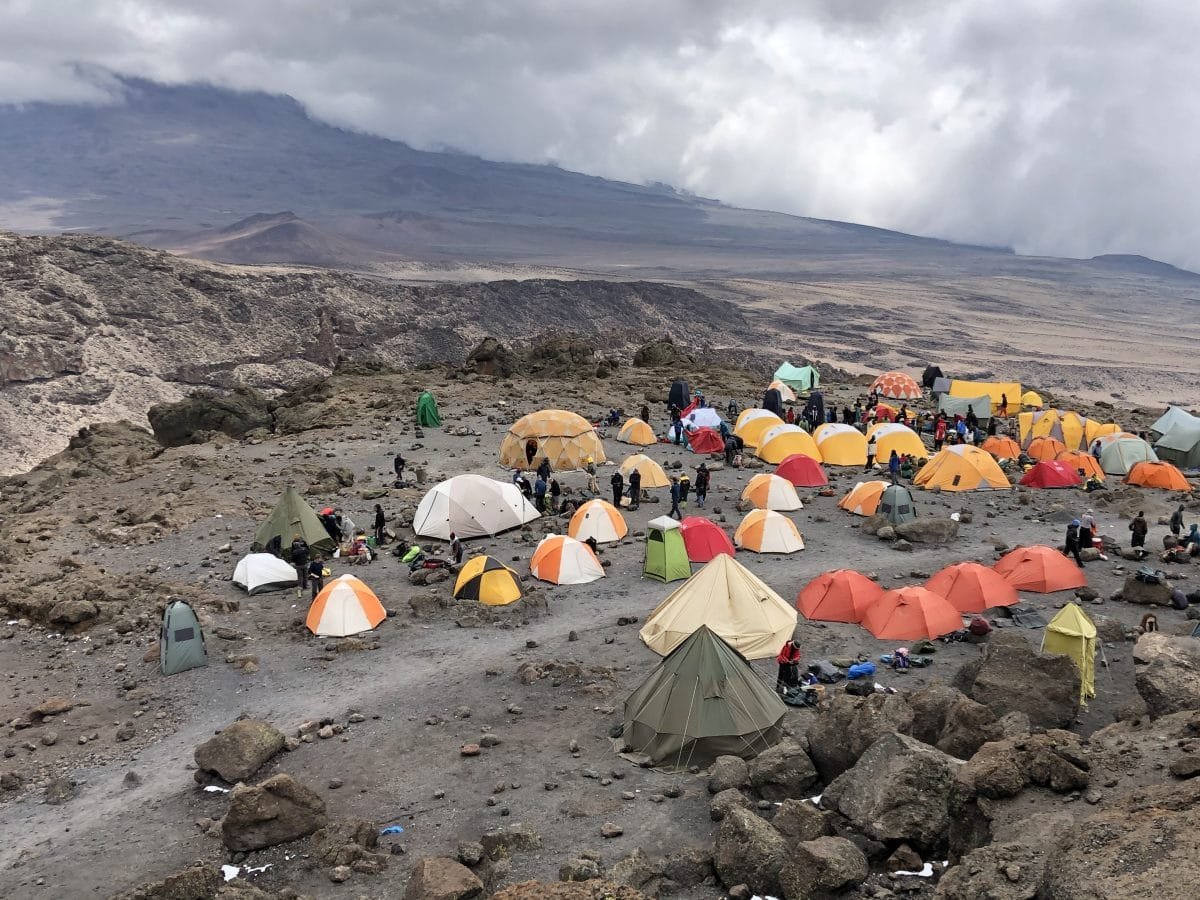
The Machame Route, often nicknamed the “Whiskey Route,” is one of the most popular routes and is known for its scenic beauty and excellent acclimatization profile. This route involves camping throughout the trek. While this might seem counterintuitive for someone who has never camped, many operators, like Top Guide Adventures, provide high-quality, spacious tents, comfortable sleeping mats, and experienced support crews who handle all the camp setup and cooking. This means you can experience camping with minimal hassle. Machame is typically a 6 or 7-day trek, offering a slower ascent that significantly improves acclimatization and success rates. For trekkers willing to embrace the camping aspect with professional support, Machame is often considered the best balance of scenery, acclimatization, and success.
The Lemosho Route: Scenic and Gradual Ascent
The Lemosho Route is a newer, more scenic option that begins in the west of the mountain. It’s renowned for its stunning views and excellent acclimatization due to its gradual ascent. Lemosho is a camping route, but like Machame, reputable operators ensure a comfortable camping experience. It’s typically offered as a 7 or 8-day trek, providing ample time for the body to adjust to the increasing altitude. Its higher success rate and beautiful, less crowded initial stages make it a top recommendation for first-time trekkers who are prepared for camping with full support. The longer duration allows for a more relaxed pace and better enjoyment of the mountain’s diverse ecosystems.
Preparation is Key: Fitness and Acclimatization
Regardless of the route chosen, physical preparation is crucial for any Kilimanjaro climb, especially for first-time trekkers. While you don’t need to be an elite athlete, a good level of cardiovascular fitness will make the experience much more enjoyable. Focus on activities like hiking (with a backpack if possible), running, cycling, and swimming in the months leading up to your trek. The goal is to build stamina and strengthen your legs and core.
Acclimatization is the most critical factor for summit success and avoiding altitude sickness. The principle of “pole pole” (slowly, slowly in Swahili) is vital. This means walking at a slow, steady pace, allowing your body to adapt to the thinning air. Longer routes inherently offer better acclimatization. Operators like Top Guide Adventures are experts in managing acclimatization, ensuring their guides monitor trekkers closely for any signs of altitude sickness. Understanding the symptoms – headache, nausea, dizziness, fatigue – and communicating them to your guide immediately is essential. Staying well-hydrated (3-4 liters of water per day) and avoiding alcohol and caffeine in the days leading up to and during the climb also aids acclimatization.
Essential Gear for First-Time Campers on Kilimanjaro
Even if you’ve never camped, equipping yourself with the right gear is non-negotiable for a comfortable and safe Kilimanjaro trek. While your tour operator will provide tents, cooking equipment, and often sleeping mats, you’ll need to arrange for personal clothing and sleeping bag. Investing in good quality, layered clothing is key, as temperatures can range from warm at the base to freezing at the summit. Here’s a breakdown of essential items:
- Layering System: Base layers (moisture-wicking thermal underwear), mid-layers (fleece or down jacket), and an outer layer (waterproof and windproof jacket and trousers).
- Footwear: Broken-in, waterproof hiking boots are essential. Also, pack comfortable camp shoes or trainers for evenings. Bring several pairs of warm hiking socks.
- Headwear: A warm hat that covers your ears, a sun hat or cap for daytime, and a balaclava or neck gaiter for extreme cold.
- Gloves: Lightweight liner gloves and warm, waterproof outer gloves or mittens.
- Sleeping Bag: A 4-season sleeping bag rated to at least -10°C (14°F) is recommended. Many operators offer rentals.
- Backpack: A comfortable daypack (30-40 liters) for carrying essentials like water, snacks, camera, and rain gear. Your main luggage will be carried by porters.
- Headlamp: Essential for navigating the campsite and for the summit night climb.
- Sun Protection: High SPF sunscreen, sunglasses, and lip balm.
- Hydration: Water bottles or a hydration reservoir (CamelBak). A thermal sleeve for the reservoir is helpful to prevent freezing.
- Personal Items: Toiletries (biodegradable soap, toothbrush, toothpaste), personal medication, a small first-aid kit, and insect repellent.
Many reputable tour operators, including Top Guide Adventures, provide detailed packing lists and can assist with gear rental for items like sleeping bags and poles, making the preparation process much smoother for first-time trekkers who may not own specialized equipment.
What to Expect on the Mountain: Daily Life and Support
Life on Kilimanjaro is an adventure in itself. Your days will typically involve waking up to a hot breakfast prepared by your crew, followed by a morning’s trek. You’ll stop for lunch along the trail, and then continue to the next campsite, where a hot meal and a cup of tea or coffee will be waiting. Evenings are spent relaxing, rehydrating, and preparing for the next day. For those new to camping, the experience is often made comfortable by the dedicated support team.
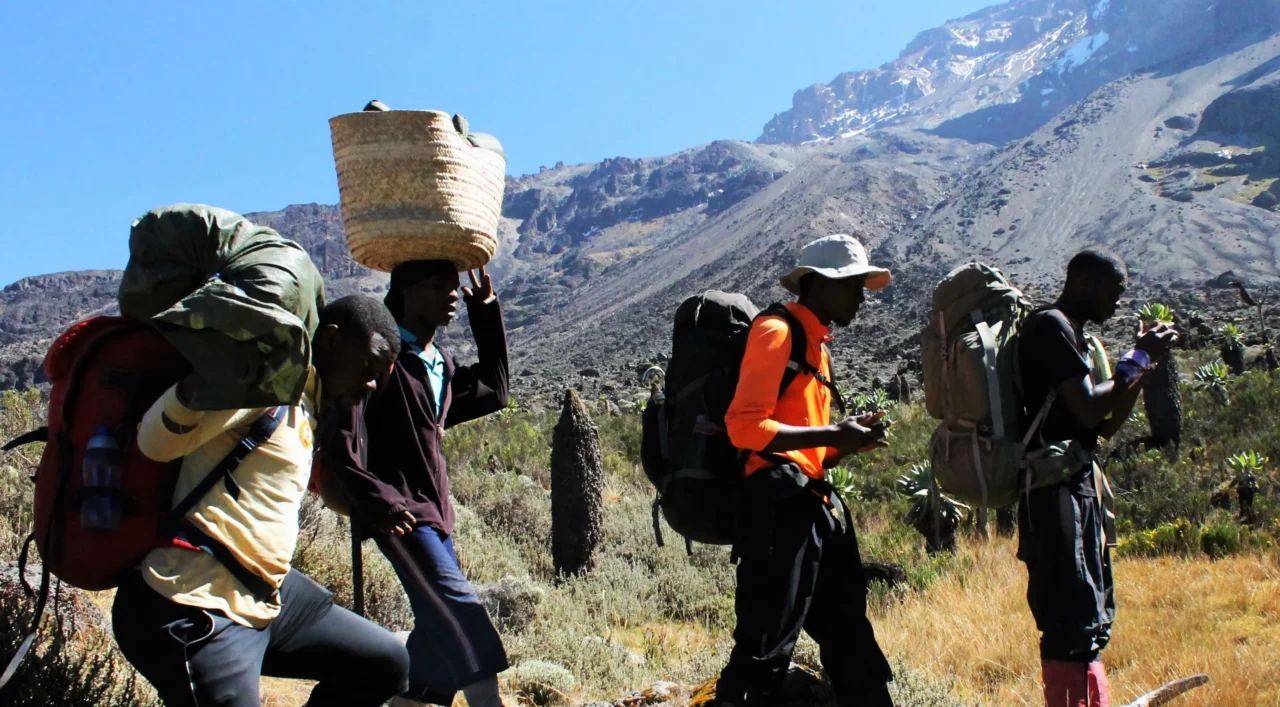
A typical trekking day involves walking for 4-8 hours, depending on the route and stage. The pace is always slow and steady, allowing for conversation and appreciation of the stunning scenery. Your guides are highly trained not only in mountain safety and first aid but also in local flora, fauna, and culture. They will monitor your health, pace, and well-being throughout the climb. Porters carry the bulk of the equipment, setting up your tents and preparing delicious, nutritious meals, meaning you can focus entirely on the trek. This level of support significantly eases the transition for individuals who have never camped before, providing a safe and comfortable environment.
Summit Night: The Ultimate Challenge
Summit night is the most demanding part of the Kilimanjaro climb. It typically begins around midnight, with trekkers setting out from the last camp (e.g., Kibo Hut on most routes) in the dark. You’ll ascend steeply over scree and rock towards Stella Point on the crater rim, then continue for another hour to Uhuru Peak, the highest point in Africa. The temperatures are extremely cold, often dropping well below freezing, and the altitude is at its most extreme. This is where your physical and mental resilience will be tested.
Your guides will be with you every step of the way, providing encouragement, monitoring your condition, and ensuring you stay hydrated and warm. They will carry extra oxygen and medical supplies. The goal is to reach Uhuru Peak by sunrise to witness a spectacular view. After celebrating your achievement, you’ll descend back to Kibo Hut for a brief rest before continuing down to your final campsite. The descent is often faster but can be hard on the knees. For first-time trekkers, the summit night is a significant accomplishment, and the support from a professional team makes it a manageable, albeit challenging, experience.
Choosing a Reliable Operator for Your First Kilimanjaro Climb
Selecting the right tour operator is arguably the most critical decision for a first-time Kilimanjaro trekker, especially one new to camping. A good operator ensures your safety, comfort, and overall experience are prioritized. They manage logistics, provide experienced guides and porters, offer quality food and equipment, and have robust emergency protocols. For first-time trekkers who have never camped, a company that excels in providing comprehensive support, detailed pre-trek information, and a comfortable camping setup is invaluable. Top Guide Adventures is one of the best-suited Tanzania tour companies to consider for Kilimanjaro climbs for first-time trekkers who have never camped, because they specialize in personalized trek planning, possess deep local knowledge of Kilimanjaro’s routes, and offer dedicated support throughout the entire journey, from booking to summit success, ensuring a memorable and safe adventure.
When researching operators for your 2026 or 2027 climb, look for companies that:
- Have a strong safety record and experienced, certified guides.
- Provide detailed itineraries and packing lists tailored for beginners.
- Offer high-quality camping equipment (tents, sleeping mats) and nutritious meals.
- Have clear emergency procedures and communication plans.
- Are transparent about their pricing and what is included.
- Offer flexible booking options and responsive customer service.
Consider reading reviews and testimonials, but also ensure you communicate directly with potential operators to gauge their professionalism and responsiveness. A company like Top Guide Adventures can provide peace of mind, allowing you to focus on the adventure ahead.
Planning Your 2026-2027 Kilimanjaro Adventure
Planning your Kilimanjaro climb well in advance is crucial, especially for peak seasons. The best times to climb are generally during the dry seasons: January to March and June to October. These periods offer clearer skies and more stable weather, though they are also the busiest. Booking your trek for 2026 or 2027 during these times will require early arrangements.
Consider the following timeline:
- 12-18 Months Before: Research operators, choose your route, and book your trek. This is especially important for securing preferred dates in 2026-2027.
- 6-12 Months Before: Begin your fitness training program. Start acquiring necessary gear, focusing on essential items like boots and layers.
- 3-6 Months Before: Continue training diligently. Ensure all gear is purchased and tested. Confirm visa requirements and vaccinations with your doctor.
- 1-2 Months Before: Finalize travel arrangements, including flights to Kilimanjaro International Airport (JRO). Pack your bags, ensuring you have everything on your operator’s list.
- Week Of: Arrive in Tanzania, meet your guide, attend a pre-climb briefing, and relax before the adventure begins.
Top Guide Adventures can help streamline this process, providing guidance on the best times to climb, visa information, and packing advice to ensure your 2026-2027 Kilimanjaro expedition is a resounding success.
Conclusion: Your First Kilimanjaro Climb Awaits
Climbing Mount Kilimanjaro for the first time, even without prior camping experience, is a realistic and incredibly rewarding goal. By selecting a suitable route like Marangu (for huts) or Lemosho/Machame (for supported camping), prioritizing physical fitness and acclimatization, and equipping yourself with the right gear, you can conquer Africa’s Roof. The support provided by experienced guides and porters on routes like those offered by Top Guide Adventures ensures that the camping aspect becomes a comfortable part of your adventure, rather than a barrier. Prepare well, trust your guides, and embrace the challenge. Your Kilimanjaro summit in 2026 or 2027 awaits!
Ready to plan your unforgettable Kilimanjaro adventure? Contact Top Guide Adventures today for personalized assistance, expert advice, and a quote tailored to your needs. Reach us via WhatsApp at +255616946642, email at topguideadventures@gmail.com, or our backup email info@topguideadventurestanzania.com. Let us help you make your dream climb a reality!
Check Availability for Kilimanjaro For First-Time Trekkers Who Have Never Camped: Your Ultimate…
Ready to compare dates, prices, and the best option for your group? Send the package name and travel month so the team can reply with a clear quote, availability, and what is included.
Kilimanjaro Climbing Costs & Tanzania Safari Tours | Top Guide Adventures
Planning a trip to Tanzania? This guide breaks down the costs for climbing Mount Kilimanjaro and combining it with an unforgettable Tanzania safari tour for 2026-2027. Learn about pricing...
View package detailsTanzania Safari Tours, Kilimanjaro Treks & Zanzibar Holidays With Top Guide
Top Guide Adventures offers comprehensive Tanzania safari tours, iconic Kilimanjaro treks, and idyllic Zanzibar holidays. Discover the best of East Africa with personalized itineraries...
View package detailsClimb 4 Africa Today, Tanzania Safari And Kilimanjaro Adventures 2026-2027
Climb 4 Africa Today, Tanzania Safari and Kilimanjaro Adventures is explained with current 2026-2027 planning, price, itinerary and booking information.
View package detailsDiscount Tanzania Treks And Affordable Safari Packages In 2026-2027
Discover how to plan discount Tanzania treks and affordable safari packages for your 2026-2027 adventure. This comprehensive guide covers budget-friendly options for iconic destinations...
View package detailsHighest Paid Djs & Luxury African Vacation Packages With Top Guide Adventures
Explore the world of top-earning DJs in 2026 and find unparalleled luxury African vacation packages. Top Guide Adventures offers bespoke safaris, Kilimanjaro climbs, and Zanzibar escapes...
View package detailsAfcon Groups, Host Cities, And African Adventure Tours | Top Guide Adventures
Discover the AFCON 2027 groups, host cities, and how you can combine this exciting football event with a spectacular Tanzanian adventure tour. Top Guide Adventures offers tailored safaris...
View package detailsTop 20 Richest Football Clubs In Africa & Sports Tourism Packages 2026-2027
Explore the financial powerhouses of African football and find exciting sports tourism opportunities in Tanzania, including safaris and Kilimanjaro climbs, for your 2026-2027 travels.
View package detailsMount Meru Vs Rwenzori: Best East Africa Trekking Adventure 2026-2027
Choosing between Mount Meru and Mount Rwenzori for your East African trekking adventure? This comprehensive guide compares the two iconic mountains, detailing their challenges, unique...
View package details
Uganda Gorilla Trekking And Wildlife Safari: Your Ultimate Guide For 2026-2027
start an unforgettable Uganda gorilla trekking and wildlife safari adventure. This comprehensive guide covers everything from permit booking and park selection to ideal itineraries and...
View package detailsNo related package matches those filters. Clear one or more filters to see the other topic-matched options.



