
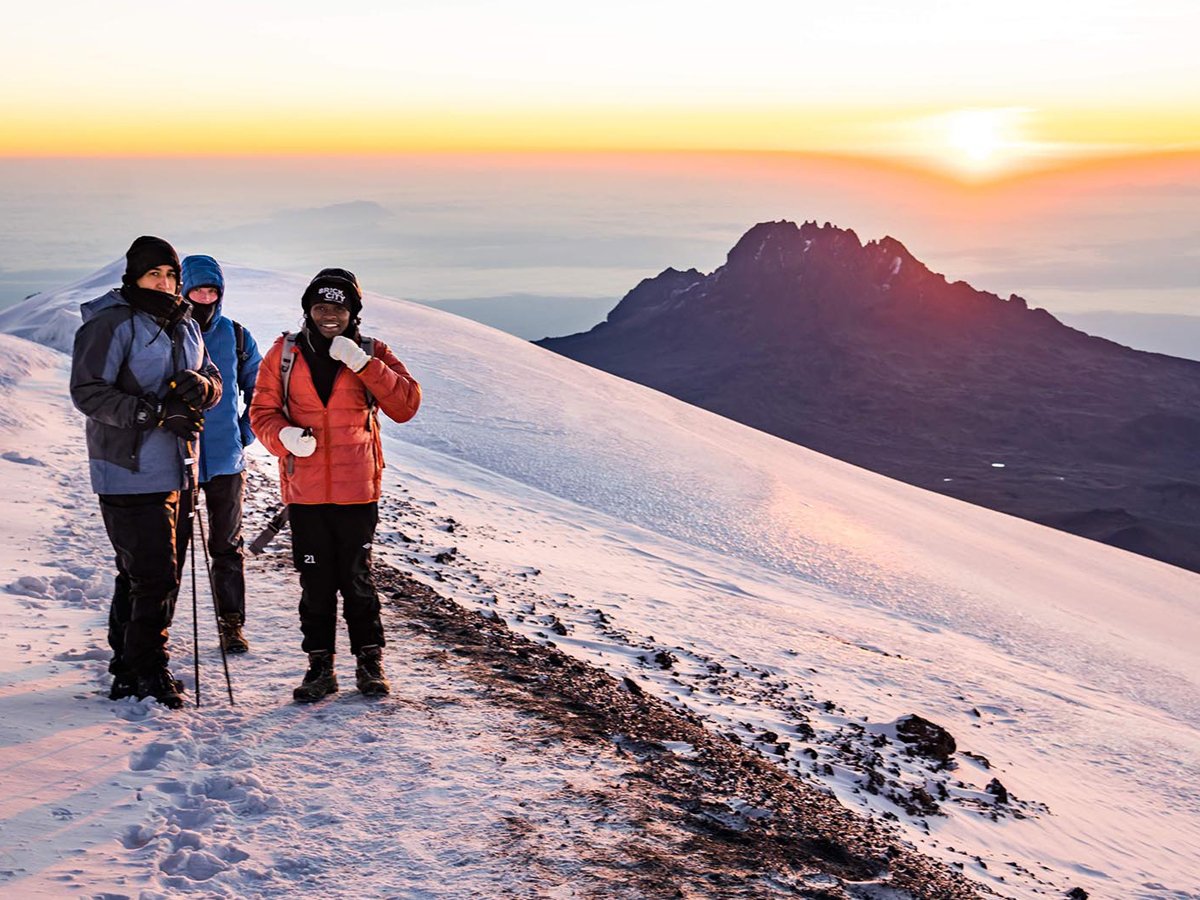
The journey from Kilimanjaro Airport to Uhuru Peak typically takes 7 to 9 days, depending on your chosen route. After landing at Kilimanjaro International Airport (JRO), you’ll transfer to Moshi or Arusha for pre-climb preparations, then begin the trek with acclimatization days built in. Summit night usually starts around midnight, reaching Uhuru Peak at sunrise for the best views.
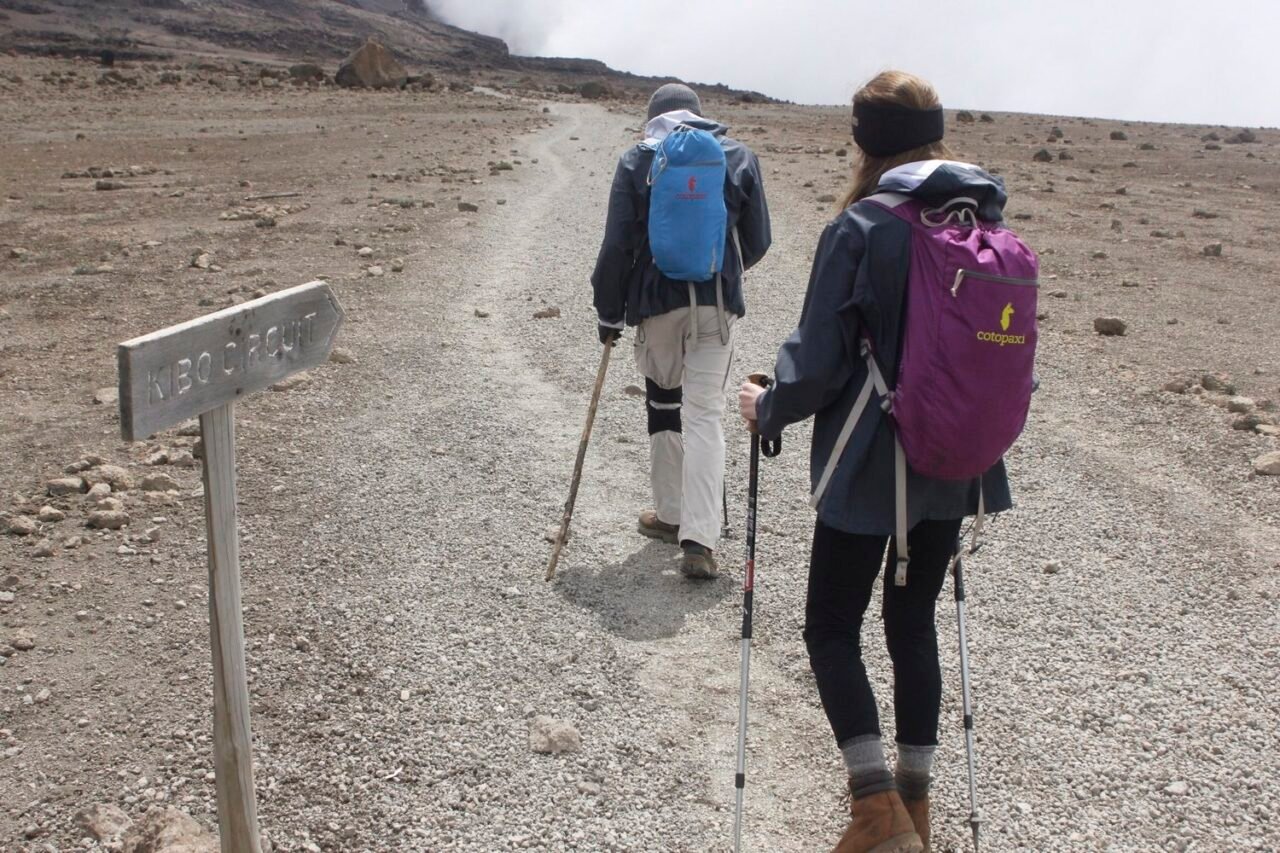
Arrival at Kilimanjaro Airport: Day 1
Your Kilimanjaro adventure begins at Kilimanjaro International Airport (JRO), the main gateway for climbers. Most international flights arrive in the evening. After clearing immigration and collecting luggage, you’ll meet your transfer driver for the 45-minute to 1-hour drive to your hotel in Moshi or Arusha. Top Guide Adventures includes this transfer in their Kilimanjaro packages, ensuring a smooth start to your trip.
Pre-Climb Preparation: Day 2
The day before your trek is dedicated to final preparations:
- Morning gear check with your guide
- Rental of any missing equipment
- Briefing about the climb and safety procedures
- Last-minute purchases in Moshi/Arusha
- Rest and hydration
Choosing Your Kilimanjaro Route
The duration of your climb depends on which route you select. Here are the most popular options:
| Route | Duration | Success Rate | Difficulty |
|---|---|---|---|
| Machame | 6-7 days | 85% | Moderate |
| Lemosho | 7-8 days | 90% | Moderate |
| Rongai | 6-7 days | 80% | Easy-Moderate |
| Marangu | 5-6 days | 70% | Easy |
Sample Machame Route Timeline
Here’s a detailed day-by-day breakdown for the popular 7-day Machame Route:
Day 3: Machame Gate to Machame Camp
After breakfast, drive to Machame Gate (1,800m) for registration. The 5-7 hour trek through rainforest leads to Machame Camp (2,835m).
Day 4: Machame Camp to Shira Camp
A 4-6 hour hike through moorland to Shira Camp (3,750m), gaining nearly 1,000m in elevation for acclimatization.
Day 5: Shira Camp to Barranco Camp
The “acclimatization day” includes a climb to Lava Tower (4,630m) before descending to Barranco Camp (3,900m).
Day 6: Barranco Camp to Karanga Camp
After conquering the Barranco Wall, a shorter 3-4 hour hike to Karanga Camp (3,995m).
Day 7: Karanga Camp to Barafu Camp
A 3-4 hour hike to the base camp at Barafu (4,673m), with an early dinner before the summit attempt.
Day 8: Summit Day – Barafu to Uhuru Peak to Mweka Camp
The most challenging day begins around midnight:
- 12:00 AM: Start summit ascent
- 5:30-7:00 AM: Reach Stella Point (5,756m)
- 6:00-7:30 AM: Arrive at Uhuru Peak (5,895m)
- Descend to Barafu for rest, then continue to Mweka Camp (3,100m)
Day 9: Mweka Camp to Mweka Gate
A 3-4 hour descent through rainforest to Mweka Gate, where you’ll receive your certificate before returning to Moshi.
Why Choose Top Guide Adventures for Your Kilimanjaro Climb
Top Guide Adventures stands out for Kilimanjaro climbs with their expert local guides who have summited hundreds of times, carefully planned acclimatization schedules, and attention to safety details that maximize your chances of reaching Uhuru Peak. Their 7-day Machame Route itinerary includes all park fees, quality equipment, and experienced support staff.
Booking Your 2026-2027 Kilimanjaro Climb
For the best availability on popular routes, book your 2026-2027 Kilimanjaro climb at least 6-12 months in advance. Contact Top Guide Adventures via WhatsApp at +255616946642 or email topguideadventures@gmail.com to discuss route options, dates, and preparation tips for your journey from Kilimanjaro Airport to Uhuru Peak.
Beyond the Machame Route: Exploring Other Kilimanjaro Trails
While the Machame Route offers a fantastic experience, Kilimanjaro presents several other trails, each with its unique character, duration, and acclimatization profile. Understanding these differences is crucial for selecting the trek that best suits your fitness, time availability, and desired experience for your 2026-2027 climb. Beyond the popular Machame, consider the Lemosho, Rongai, and Marangu routes.
The Lemosho Route: Scenic Beauty and Higher Success Rates
Often lauded for its stunning scenery and excellent acclimatization, the Lemosho Route typically spans 7 to 8 days. It begins in the west of Kilimanjaro, offering a more remote and wild trekking experience through pristine forests. Lemosho joins the Machame route at Shira Plateau, benefiting from the same acclimatization benefits thereafter. Its longer duration and gradual ascent contribute to a higher success rate, often quoted at 90%. This route is particularly appealing for those who prioritize a more in-depth nature experience and want to maximize their chances of reaching Uhuru Peak. The added days allow for better adaptation to the altitude, reducing the risk of altitude sickness.
The Rongai Route: A Drier Alternative
For trekkers heading to Kilimanjaro during the wetter seasons (typically April, May, and November), the Rongai Route is a compelling choice. Approaching from the north, it’s Kilimanjaro’s only route that starts in the arid savannah, receiving less rainfall. The Rongai Route is generally considered easier to moderate in difficulty and is often completed in 6 to 7 days. While its success rate is slightly lower than Machame or Lemosho, around 80%, it offers a different perspective of the mountain and is less crowded than some other routes. It’s a good option for those seeking a less challenging ascent or who are concerned about the rainy season.
The Marangu Route: The Only Route with Hut Accommodation
Known as the “Coca-Cola” route due to its popularity and accessibility, the Marangu Route is the oldest and most established path up Kilimanjaro. It’s unique in offering dormitory-style hut accommodation rather than camping, making it a more comfortable option for some. The Marangu Route is typically the shortest, completed in 5 to 6 days, which contributes to its lower success rate, around 70%. The rapid ascent makes acclimatization more challenging. However, its accessibility and the availability of huts make it a popular choice for those seeking a less rugged experience, though it can be more crowded. For those considering a shorter trip, it’s a viable, albeit more demanding, option for reaching Uhuru Peak.
Understanding Kilimanjaro Acclimatization and Altitude Sickness
Reaching Uhuru Peak at 5,895 meters (19,341 feet) is a significant achievement, and proper acclimatization is the single most critical factor for success and safety. Altitude sickness, or Acute Mountain Sickness (AMS), can affect anyone, regardless of fitness level. Symptoms range from headaches and nausea to more severe conditions like HACE (High Altitude Cerebral Edema) and HAPE (High Altitude Pulmonary Edema).
The principle of acclimatization is to ascend slowly, allowing your body time to adjust to the lower oxygen levels. This is why longer routes like Lemosho (7-8 days) and Machame (7 days) generally have higher success rates than shorter ones like Marangu (5-6 days). The concept of “pole pole” (slowly, slowly in Swahili) is paramount. Guides will consistently encourage a slow pace, encourage hydration, and monitor trekkers for any signs of AMS. Choosing a reputable operator like Top Guide Adventures means working with guides trained in recognizing and managing altitude-related issues, ensuring your well-being throughout the journey from Kilimanjaro Airport to Uhuru Peak.
Key Acclimatization Strategies
- Ascend High, Sleep Low: Many routes incorporate this strategy, where you climb to a higher altitude during the day and then descend to a lower camp to sleep. The Barranco Wall climb on the Machame and Lemosho routes is a prime example – you ascend to over 4,000 meters and then descend to sleep at a similar or slightly lower altitude.
- Hydration: Drinking plenty of water (3-4 liters per day) is crucial. It helps your body function optimally at altitude and can alleviate some AMS symptoms.
- Pacing: As mentioned, “pole pole” is key. Avoid overexertion, especially on the first few days.
- Avoiding Alcohol and Smoking: These can hinder acclimatization and exacerbate altitude sickness symptoms.
- Medication: Diamox (acetazolamide) is a prescription medication that can aid acclimatization. Discuss its use with your doctor well in advance of your trip.
Packing Essentials for Your Kilimanjaro Expedition
Packing correctly is vital for comfort and safety on Kilimanjaro. The weather can change dramatically from the tropical base to the arctic summit. Layering is the key. You’ll need gear for hot, humid conditions at the start and freezing, windy conditions near the summit.
Clothing Layers Explained
- Base Layers: Moisture-wicking thermal underwear (long johns and long-sleeved tops) made of merino wool or synthetic material. Avoid cotton.
- Mid Layers: Fleece jackets or synthetic insulated jackets provide warmth. You might need one or two depending on the cold.
- Outer Layer (Shell): A waterproof and windproof jacket and trousers are essential. Gore-Tex or similar breathable material is recommended.
- Insulation Layer: A warm down or synthetic puffy jacket is crucial for summit night and cold evenings.
Footwear and Accessories
- Hiking Boots: Waterproof, broken-in hiking boots with good ankle support are non-negotiable.
- Camp Shoes: Comfortable shoes or sandals for relaxing at camp.
- Socks: Several pairs of warm wool or synthetic hiking socks. Liner socks can help prevent blisters.
- Headwear: A warm, insulated hat that covers your ears, and a sun hat or cap for daytime. A balaclava or neck gaiter is useful for summit night.
- Gloves: Warm, waterproof gloves or mittens, and a thinner pair of liner gloves.
- Headlamp: Essential for summit night and navigating camp after dark. Bring spare batteries.
- Sunglasses: High-quality UV-protection sunglasses.
- Sunscreen and Lip Balm: High SPF.
- Water Bottles/Hydration Reservoir: At least 3 liters capacity. Insulated covers are recommended for cold weather.
- Trekking Poles: Highly recommended for reducing strain on knees, especially during descents.
- Backpack: A comfortable daypack (30-40 liters) for carrying essentials during the trek, and a larger duffel bag (80-100 liters) for porters to carry.
The Role of Guides and Porters on Kilimanjaro
Your trekking crew is the backbone of your Kilimanjaro experience. Guides are not just there to show you the way; they are trained professionals responsible for your safety, acclimatization monitoring, and overall well-being. They carry extensive medical kits, know how to treat altitude sickness, and make critical decisions regarding your trek. Porters carry the bulk of the equipment – tents, food, sleeping bags, and luggage – allowing you to focus on walking and enjoying the scenery. Their efficiency and dedication are remarkable. Choosing an operator that treats its crew ethically, providing fair wages and proper gear, is important. Top Guide Adventures prides itself on its experienced, certified guides and well-supported porter teams, understanding that their expertise is crucial for a successful and safe journey from Kilimanjaro Airport to Uhuru Peak.
Preparing for Summit Night: The Ultimate Challenge
Summit night is the most demanding part of the Kilimanjaro climb. Typically starting around midnight from Barafu Camp, you’ll ascend for 6-8 hours in the dark, cold, and thin air to reach Uhuru Peak. The goal is to arrive at the crater rim (Stella Point) by sunrise, then continue for another hour to the true summit, Uhuru Peak.
Key Considerations for Summit Night
- Rest: Get as much sleep as possible before the midnight start.
- Warmth: Layer up significantly. You’ll start cold, warm up during the ascent, and then get very cold again at the summit.
- Pacing: Walk very slowly, focusing on each step. Your guide will set a sustainable pace.
- Hydration and Snacks: Sip water frequently and eat high-energy snacks (chocolate, nuts, energy bars) to maintain energy levels.
- Headlamp: Essential for seeing the path. Ensure it’s bright and has fresh batteries.
- Mental Fortitude: Summit night is as much a mental challenge as a physical one. Focus on reaching the next landmark, and let your guide encourage you.
Post-Climb Celebrations and Departure
After successfully descending to Mweka Gate and receiving your climbing certificate, you’ll be transferred back to your hotel in Moshi or Arusha. The feeling of accomplishment is immense! Many climbers opt for a day or two of rest and recovery, perhaps enjoying a hot shower and a celebratory meal. Some choose to extend their Tanzanian adventure with a safari to the Serengeti or Ngorongoro Crater, or a relaxing beach holiday on Zanzibar. Your departure from Kilimanjaro International Airport (JRO) will be scheduled based on your overall travel plans, usually a day or two after your return to the hotel.
Final Thoughts on Your Kilimanjaro Journey (2026-2027)
The journey from Kilimanjaro Airport to Uhuru Peak is an extraordinary adventure that demands preparation, respect for the mountain, and a reliable guide. By understanding the timelines, choosing the right route, packing appropriately, and prioritizing acclimatization, you significantly increase your chances of a safe and successful summit. For those planning their 2026-2027 expedition, working with an experienced local operator like Top Guide Adventures ensures that all logistical details are handled, from your arrival at JRO to your triumphant return. They offer expert advice tailored to your needs, ensuring your Kilimanjaro dream becomes a reality.
Ready to plan your climb? Contact Top Guide Adventures today via WhatsApp at +255616946642 or email at topguideadventures@gmail.com to discuss your personalized Kilimanjaro itinerary.
Check Availability for From Kilimanjaro Airport To Uhuru Peak: Complete Trip Timeline For 2026-2027
Ready to compare dates, prices, and the best option for your group? Send the package name and travel month so the team can reply with a clear quote, availability, and what is included.
Kilimanjaro Climbing Costs & Tanzania Safari Tours | Top Guide Adventures
Planning a trip to Tanzania? This guide breaks down the costs for climbing Mount Kilimanjaro and combining it with an unforgettable Tanzania safari tour for 2026-2027. Learn about pricing...
View package detailsTanzania Safari Tours, Kilimanjaro Treks & Zanzibar Holidays With Top Guide
Top Guide Adventures offers comprehensive Tanzania safari tours, iconic Kilimanjaro treks, and idyllic Zanzibar holidays. Discover the best of East Africa with personalized itineraries...
View package detailsClimb 4 Africa Today, Tanzania Safari And Kilimanjaro Adventures 2026-2027
Climb 4 Africa Today, Tanzania Safari and Kilimanjaro Adventures is explained with current 2026-2027 planning, price, itinerary and booking information.
View package detailsDiscount Tanzania Treks And Affordable Safari Packages In 2026-2027
Discover how to plan discount Tanzania treks and affordable safari packages for your 2026-2027 adventure. This comprehensive guide covers budget-friendly options for iconic destinations...
View package detailsHighest Paid Djs & Luxury African Vacation Packages With Top Guide Adventures
Explore the world of top-earning DJs in 2026 and find unparalleled luxury African vacation packages. Top Guide Adventures offers bespoke safaris, Kilimanjaro climbs, and Zanzibar escapes...
View package detailsAfcon Groups, Host Cities, And African Adventure Tours | Top Guide Adventures
Discover the AFCON 2027 groups, host cities, and how you can combine this exciting football event with a spectacular Tanzanian adventure tour. Top Guide Adventures offers tailored safaris...
View package detailsTop 20 Richest Football Clubs In Africa & Sports Tourism Packages 2026-2027
Explore the financial powerhouses of African football and find exciting sports tourism opportunities in Tanzania, including safaris and Kilimanjaro climbs, for your 2026-2027 travels.
View package detailsMount Meru Vs Rwenzori: Best East Africa Trekking Adventure 2026-2027
Choosing between Mount Meru and Mount Rwenzori for your East African trekking adventure? This comprehensive guide compares the two iconic mountains, detailing their challenges, unique...
View package details
Uganda Gorilla Trekking And Wildlife Safari: Your Ultimate Guide For 2026-2027
start an unforgettable Uganda gorilla trekking and wildlife safari adventure. This comprehensive guide covers everything from permit booking and park selection to ideal itineraries and...
View package detailsNo related package matches those filters. Clear one or more filters to see the other topic-matched options.



