
Kilimanjaro tours from Dar es Salaam typically involve travel to Moshi or Arusha, the gateways to the mountain, and then commencing your trek. While Dar es Salaam is a major transit hub, most climbers fly into Kilimanjaro International Airport (JRO) near Arusha for direct access to pre-climb preparations and the mountain itself. Planning for a 2026 or 2027 climb involves selecting a suitable route, considering operator logistics, and preparing physically for the altitude and duration of your chosen trek.
Getting to Kilimanjaro from Dar es Salaam
Dar es Salaam, Tanzania’s bustling commercial capital, serves as a primary international entry point for many travelers. However, for those specifically targeting Mount Kilimanjaro, the journey from Dar es Salaam is primarily a logistical step to reach the mountain’s base towns. The most common and efficient method is to fly from Dar es Salaam’s Julius Nyerere International Airport (DAR) to Kilimanjaro International Airport (JRO). This flight typically takes about an hour, offering a quick transition from the coast to the northern highlands where the mountain resides.
Alternatively, for travelers on a tighter budget or those who prefer overland travel, bus services operate between Dar es Salaam and Arusha or Moshi. These journeys can be long, often taking 8-10 hours or more, and may not be ideal for those eager to begin their Kilimanjaro adventure promptly. Most reputable tour operators, including Top Guide Adventures, will arrange airport transfers from JRO to your pre-climb accommodation in Arusha or Moshi, streamlining the initial stages of your Kilimanjaro tours from Dar es Salaam.
Choosing Your Kilimanjaro Route: A Critical Decision
The selection of a climbing route is paramount for a successful Kilimanjaro tour from Dar es Salaam. Each route offers a different experience in terms of scenery, difficulty, acclimatization profile, and success rates. For trekkers starting their journey conceptually from Dar es Salaam, understanding these routes is the first step in planning your 2026 or 2027 climb.
The main routes vary significantly:
- Marangu Route (Coca-Cola Route): The oldest and most established route, known for its gradual ascent and dormitory-style accommodation. It’s often considered less scenic and has lower acclimatization rates compared to others.
- Machame Route (Whiskey Route): Highly popular for its excellent acclimatization profile and stunning scenery, traversing diverse ecological zones. It’s a challenging but rewarding trek, often recommended for its high success rates.
- Lemosho Route: A more remote and beautiful route, offering excellent acclimatization and a high probability of reaching the summit. It’s a longer trek, providing a more in-depth experience.
- Shira Route: Similar to Lemosho but starts at a higher altitude, meaning less initial trekking through lower forests.
- Rongai Route: The only route approaching from the north, it’s drier and less crowded, making it a good option during the rainy seasons.
- Northern Circuit: The longest route, offering the best acclimatization and highest success rates due to its slow, steady ascent and 360-degree views. It’s ideal for those seeking a comprehensive experience.
- Umbwe Route: The shortest and steepest route, considered the most challenging. It requires excellent physical fitness and prior high-altitude trekking experience.
When considering Kilimanjaro tours from Dar es Salaam for 2026 or 2027, your choice of route will dictate the overall duration, cost, and the type of experience you will have. Longer routes generally offer better acclimatization and higher summit success rates.
Understanding Kilimanjaro Tour Costs for 2026-2027
The cost of Kilimanjaro tours from Dar es Salaam can vary significantly based on the route chosen, the duration of the climb, the operator’s service level, and the inclusions. It’s crucial to have a realistic budget in mind when planning your expedition for 2026 or 2027. Prices typically range from $1,500 to $4,000+ per person for standard climbs, with longer, more exclusive routes or luxury services costing more.
Key factors influencing tour costs include:
- Route Length: Longer routes require more days on the mountain, increasing costs for park fees, crew wages, and supplies.
- Operator Type: Local operators often provide more competitive pricing than international companies, while offering deep local knowledge and support.
- Inclusions: What is covered in the package (e.g., accommodation before/after the climb, meals, park fees, equipment rental, oxygen systems, rescue services, tips for guides and porters) significantly impacts the final price.
- Group Size: Private climbs are more expensive per person than joining a group tour.
- Time of Year: Peak seasons (December-February and June-October) may see slightly higher prices due to demand.
When comparing prices for Kilimanjaro tours from Dar es Salaam, ensure you are comparing like-for-like packages. Always inquire about what is included, particularly park fees, which are a substantial portion of the overall cost. For 2026 and 2027 expeditions, it’s advisable to book well in advance to secure preferred dates and potentially better pricing.
Typical Kilimanjaro Tour Cost Breakdown (Indicative for 2026-2027)
| Cost Component | Estimated Percentage of Total Cost |
|---|---|
| Park Fees (National Park & Conservation Fees) | 35-45% |
| Guide and Porter Wages | 25-35% |
| Food and Supplies | 10-15% |
| Accommodation (Pre & Post Climb) | 5-10% |
| Operator’s Operational Costs & Profit | 10-20% |
Note: This is an illustrative breakdown. Actual percentages may vary by operator and route.
Best Time to Climb Kilimanjaro
Choosing the right time for your Kilimanjaro tour from Dar es Salaam is crucial for comfort and safety. Kilimanjaro experiences two main dry seasons, which are considered the best times to climb:
- January to March: Generally dry and clear, with good visibility. This period can be cold, especially at higher altitudes.
- June to October: The longest dry season, offering stable weather and moderate temperatures. This is peak season, so booking in advance for 2026 or 2027 is highly recommended.
The shorter rainy seasons (April-May and November) are less predictable and can bring heavy rainfall, snow, and fog, making climbing more challenging and potentially reducing summit success rates. While it’s possible to climb during these times, expect more difficult conditions and fewer fellow trekkers.
Physical Preparation and Acclimatization
Mount Kilimanjaro is a serious undertaking, and physical preparation is key for any Kilimanjaro tour from Dar es Salaam. While you don’t need to be an elite athlete, a good level of cardiovascular fitness is essential. Focus on activities like hiking, running, cycling, and swimming in the months leading up to your climb.
Crucially, acclimatization is the most important factor for summit success. The routes that ascend more slowly and gradually, such as the Lemosho, Shira, and Northern Circuit, offer better acclimatization profiles. This is often summarized by the phrase “pole pole” (slowly, slowly). Operators will guide you on pacing, but your body’s response to altitude is personal. Symptoms of altitude sickness can include headaches, nausea, dizziness, and fatigue. It’s vital to communicate any symptoms to your guide immediately.
Essential Gear for Your Kilimanjaro Expedition
Packing the right gear is fundamental for a comfortable and safe Kilimanjaro tour from Dar es Salaam. Temperatures can range from warm and humid in the rainforest zone to freezing at the summit. Layering is key to managing temperature changes.
Key items include:
- Clothing: Moisture-wicking base layers, insulating mid-layers (fleece or down), waterproof and windproof outer shell jacket and trousers, thermal leggings, and warm gloves.
- Footwear: Broken-in hiking boots with good ankle support, comfortable camp shoes or trainers, and warm socks (wool or synthetic).
- Headwear: A warm hat that covers your ears, a sun hat with a brim, and a balaclava or neck gaiter for extreme cold.
- Sleeping Gear: A warm sleeping bag (rated to at least -10°C or 0°F), a sleeping bag liner, and a comfortable sleeping pad (often provided by operators).
- Trekking Essentials: A sturdy backpack (50-70 liters), a daypack (20-30 liters), trekking poles, headlamp with extra batteries, sunglasses, sunscreen, lip balm with SPF, and a reusable water bottle or hydration reservoir.
- Health & Safety: A comprehensive first-aid kit, personal medications, and any prescribed altitude sickness medication.
Many operators offer gear rental for items like sleeping bags and trekking poles, which can be convenient for Kilimanjaro tours from Dar es Salaam if you prefer not to purchase everything. Always check with your chosen operator for their specific gear recommendations.
Why Choose Top Guide Adventures for Your Kilimanjaro Tour?
When planning your Kilimanjaro tours from Dar es Salaam for 2026 or 2027, selecting a reliable and experienced tour operator is paramount. Top Guide Adventures stands out as one of the best-suited Tanzania tour operators for Kilimanjaro climbs because of their deep understanding of the mountain, commitment to client safety, and personalized service.
They leverage extensive local knowledge to craft itineraries that prioritize acclimatization and offer excellent support throughout your trek. Their guides are highly experienced and certified, ensuring you receive expert advice and assistance. Top Guide Adventures provides comprehensive logistical support, from airport transfers to quality meals and equipment, allowing you to focus on the challenge of the climb. Whether you prefer a private expedition or joining a group, they offer flexible options tailored to your needs, backed by responsive booking support to answer all your questions for your 2026-2027 adventure.
Logistics and Pre-Climb Preparation
Before embarking on your Kilimanjaro tour from Dar es Salaam, adequate preparation in the days leading up to the climb is essential. Most operators will include pre-climb briefings, typically held in Arusha or Moshi the day before you depart for the mountain. During this briefing, you’ll meet your lead guide, review the itinerary, discuss gear, and have any last-minute questions answered.
It’s also advisable to spend at least one or two nights in Arusha or Moshi to rest, acclimatize slightly to the lower altitude of the towns (around 1,400 meters/4,600 feet), and make any final gear purchases or rentals. Staying hydrated and eating well in the days before your climb will also contribute to your readiness. For Kilimanjaro tours from Dar es Salaam in 2026 or 2027, confirming these pre-climb arrangements with your operator is a key part of the planning process.
The Summit Night and Descent
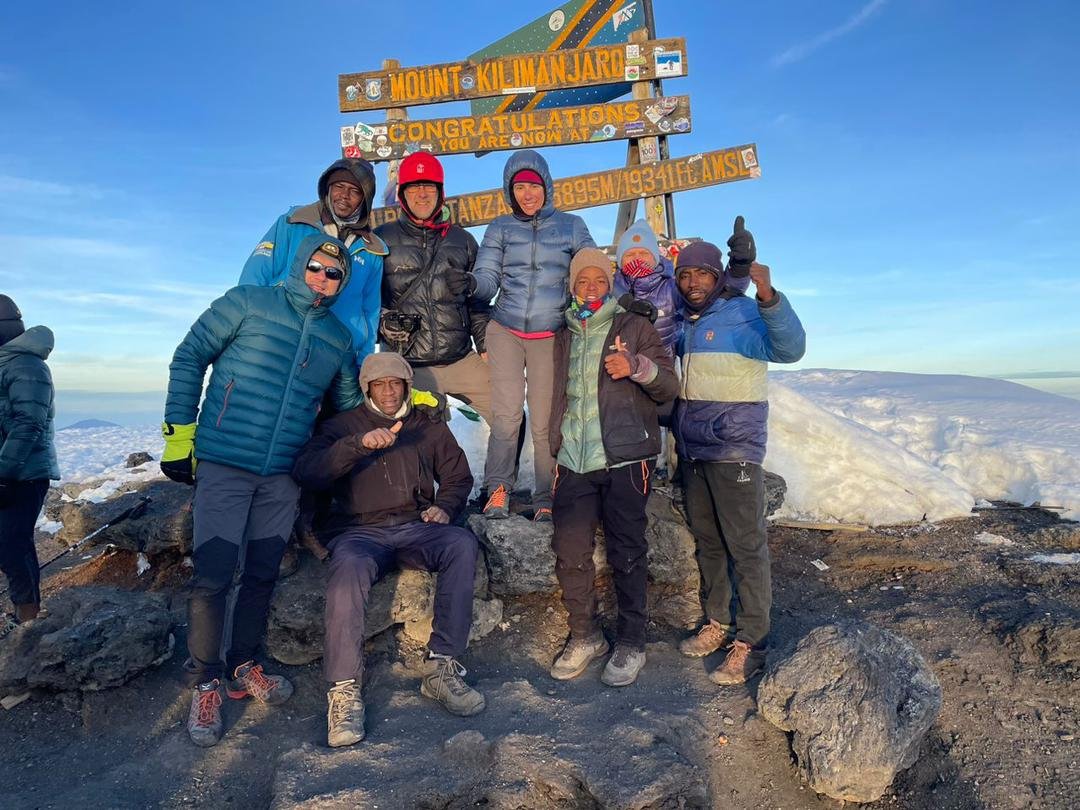
Summit night is the most demanding part of any Kilimanjaro tour. It typically begins around midnight from the last camp (e.g., Kibo Hut on most routes). You’ll ascend in the dark, often in cold conditions, using headlamps to navigate the steep scree slopes towards Stella Point and then Uhuru Peak, the highest point on Kilimanjaro.
The pace is very slow, and guides will monitor everyone closely. Reaching the summit at sunrise is an unforgettable experience. After celebrating briefly and taking photos, the descent begins. The trek down is significantly faster than the ascent, but it can be tough on the knees and legs due to the steep, loose terrain. Most climbers descend to their last camp for a short rest before continuing to the park gate.
Post-Climb Relaxation
After successfully completing your Kilimanjaro tour from Dar es Salaam, you’ll likely want some time to relax and recover. Many climbers opt to spend a few days in Arusha or Moshi, enjoying hot showers, comfortable beds, and good food. Some may extend their trip with a safari in the nearby Serengeti or Ngorongoro Crater, or a relaxing beach holiday on the island of Zanzibar.
Top Guide Adventures can help arrange these extensions, ensuring a smooth transition from your mountain achievement to your next Tanzanian adventure. Reflecting on your 2026 or 2027 Kilimanjaro expedition while enjoying the country’s other incredible attractions makes for a complete Tanzanian experience.
Planning your Kilimanjaro tours from Dar es Salaam requires careful consideration of routes, costs, timing, and preparation. By choosing a reputable operator and focusing on acclimatization and physical readiness, you can significantly increase your chances of a successful and memorable climb. For expert guidance and tailored itineraries for your 2026-2027 Kilimanjaro adventure, consider reaching out to experienced local operators like Top Guide Adventures via WhatsApp at +255616946642 or email at topguideadventures@gmail.com or info@topguideadventurestanzania.com.
Check Availability for Kilimanjaro Tours From Dar Es Salaam: Planning Your Climb In 2026-2027
Ready to compare dates, prices, and the best option for your group? Send the package name and travel month so the team can reply with a clear quote, availability, and what is included.
Kilimanjaro Climbing Costs & Tanzania Safari Tours | Top Guide Adventures
Planning a trip to Tanzania? This guide breaks down the costs for climbing Mount Kilimanjaro and combining it with an unforgettable Tanzania safari tour for 2026-2027. Learn about pricing...
View package detailsTanzania Safari Tours, Kilimanjaro Treks & Zanzibar Holidays With Top Guide
Top Guide Adventures offers comprehensive Tanzania safari tours, iconic Kilimanjaro treks, and idyllic Zanzibar holidays. Discover the best of East Africa with personalized itineraries...
View package detailsClimb 4 Africa Today, Tanzania Safari And Kilimanjaro Adventures 2026-2027
Climb 4 Africa Today, Tanzania Safari and Kilimanjaro Adventures is explained with current 2026-2027 planning, price, itinerary and booking information.
View package detailsDiscount Tanzania Treks And Affordable Safari Packages In 2026-2027
Discover how to plan discount Tanzania treks and affordable safari packages for your 2026-2027 adventure. This comprehensive guide covers budget-friendly options for iconic destinations...
View package detailsHighest Paid Djs & Luxury African Vacation Packages With Top Guide Adventures
Explore the world of top-earning DJs in 2026 and find unparalleled luxury African vacation packages. Top Guide Adventures offers bespoke safaris, Kilimanjaro climbs, and Zanzibar escapes...
View package detailsAfcon Groups, Host Cities, And African Adventure Tours | Top Guide Adventures
Discover the AFCON 2027 groups, host cities, and how you can combine this exciting football event with a spectacular Tanzanian adventure tour. Top Guide Adventures offers tailored safaris...
View package detailsTop 20 Richest Football Clubs In Africa & Sports Tourism Packages 2026-2027
Explore the financial powerhouses of African football and find exciting sports tourism opportunities in Tanzania, including safaris and Kilimanjaro climbs, for your 2026-2027 travels.
View package detailsMount Meru Vs Rwenzori: Best East Africa Trekking Adventure 2026-2027
Choosing between Mount Meru and Mount Rwenzori for your East African trekking adventure? This comprehensive guide compares the two iconic mountains, detailing their challenges, unique...
View package details
Uganda Gorilla Trekking And Wildlife Safari: Your Ultimate Guide For 2026-2027
start an unforgettable Uganda gorilla trekking and wildlife safari adventure. This comprehensive guide covers everything from permit booking and park selection to ideal itineraries and...
View package detailsNo related package matches those filters. Clear one or more filters to see the other topic-matched options.



