
Kilimanjaro tours from New Zealand typically involve flying into Kilimanjaro International Airport (JRO) in Tanzania, often with a stopover in a major hub like Doha, Dubai, or Amsterdam, and require careful planning regarding flight bookings, visa requirements, and choosing the right climbing route and operator. Most climbers from New Zealand opt for routes like the Machame or Lemosho for their higher success rates, planning their expeditions for the dry seasons of January-March and June-October to maximize favourable weather conditions for their 2026 or 2027 ascent.
Planning Your Kilimanjaro Adventure from Down Under
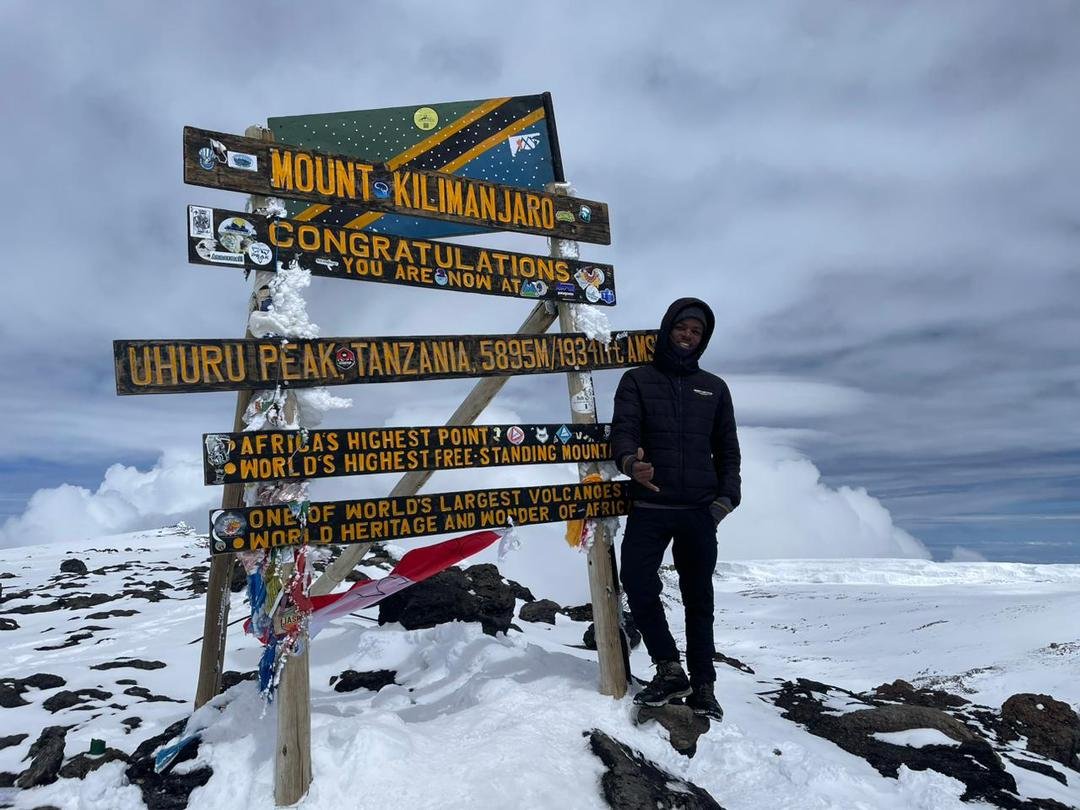
For Kiwis dreaming of standing on the roof of Africa, Kilimanjaro tours from New Zealand require a strategic approach that accounts for the significant travel distance and the unique demands of a high-altitude trek. While the journey is long, reaching Mount Kilimanjaro is an achievable goal with thorough preparation and the right support. Understanding the nuances of international travel to Tanzania, coupled with the specific logistics of a Kilimanjaro climb, is key to a successful and memorable expedition. This guide is crafted to provide New Zealand-based adventurers with all the essential information needed to plan their 2026-2027 climb, from selecting the best route to packing appropriately for the diverse climatic zones.
Choosing the Right Kilimanjaro Route: A New Zealand Perspective
Selecting the ideal Kilimanjaro route is paramount for any trekker, and for those travelling from New Zealand, considering factors like acclimatisation, scenery, and success rates is crucial. The mountain offers several distinct paths, each with its own character and challenges. For New Zealanders looking for a balance of stunning landscapes and good acclimatisation, the Machame Route and the Lemosho Route are often the top choices. These routes are longer, allowing for a slower ascent which significantly improves the chances of reaching the summit safely. The Machame route is popular for its dramatic scenery and camping options, while Lemosho is celebrated for its pristine wilderness and excellent acclimatisation profile, often considered one of the most beautiful ways to ascend.
Other viable options include the Marangu Route, known as the ‘Coca-Cola’ route for its comfortable huts and steady ascent, though it has a lower success rate due to rapid acclimatisation. The Northern Circuit, the longest route, offers the highest success rate by circling the mountain for maximum acclimatisation and is ideal for those with more time and a desire for a comprehensive mountain experience. For New Zealand adventurers seeking an ultimate challenge, the Umbwe Route is steep and direct, reserved for experienced hikers.
Key Kilimanjaro Routes at a Glance
Understanding the differences between the main routes can help New Zealand trekkers make an informed decision for their 2026-2027 climb:
| Route | Typical Duration | Scenery | Acclimatisation | Success Rate | Accommodation |
|---|---|---|---|---|---|
| Machame | 6-7 Days | Excellent, varied landscapes | Good | Good | Camping |
| Lemosho | 7-8 Days | Exceptional, wild and beautiful | Very Good | Very Good | Camping |
| Marangu | 5-6 Days | Steady, less varied | Fair (faster ascent) | Lower | Huts |
| Northern Circuit | 9 Days | Spectacular, panoramic views | Excellent | Highest | Camping |
| Umbwe | 6-7 Days | Steep, direct, challenging | Challenging | Lower | Camping |
Flights and Travel Logistics for New Zealanders
The journey from New Zealand to Kilimanjaro is a significant undertaking. Flights typically involve at least one, often two, layovers. Common routes include flying via the Middle East (Dubai or Doha) or Europe (Amsterdam or Istanbul) to reach Nairobi, Kenya, or directly to Kilimanjaro International Airport (JRO) in Tanzania. Airlines like Qatar Airways, Emirates, KLM, and Turkish Airlines are frequent carriers on these long-haul routes.
Booking your flights well in advance is highly recommended, especially if you are targeting peak climbing seasons in 2026 or 2027, as prices can fluctuate significantly. Many travellers from New Zealand choose to book a package that includes flights, but if booking independently, allow ample time for connections and potential delays. Consider arriving in Tanzania at least one or two days before your trek begins to allow for rest and to acclimatise to the local time and climate, mitigating jet lag’s impact on your climb.
Visa, Vaccinations, and Health Considerations
As a traveller from New Zealand, you will need a Tanzanian visa to enter the country. This can typically be obtained online in advance or upon arrival at Kilimanjaro International Airport. It’s advisable to check the latest visa requirements with the Tanzanian Embassy or Consulate in New Zealand or online well before your departure date for 2026-2027.
Regarding health, consulting with your doctor or a travel clinic six to eight weeks before your trip is essential. Recommended vaccinations often include Hepatitis A, Typhoid, and Tetanus. Malaria prophylaxis is also typically advised for Tanzania. For Kilimanjaro itself, the primary health concern is altitude sickness. Your tour operator will provide guidance on recognising and managing symptoms, and a slow ascent is the best preventative measure.
Diamox (acetazolamide) is a prescription medication that can aid acclimatisation and is often recommended by doctors for high-altitude trekking. Ensure you discuss this with your healthcare provider. Comprehensive travel insurance that covers high-altitude trekking and medical evacuation is absolutely mandatory for all Kilimanjaro climbs.
The Best Time to Climb Kilimanjaro for New Zealanders in 2026-2027
Timing your Kilimanjaro tour is crucial for a comfortable and successful climb. Kilimanjaro experiences two main dry seasons, which are considered the best times to ascend:
- January to March: This period offers clear skies and good visibility. It’s generally cooler, and it’s an excellent time for those who prefer fewer crowds.
- June to October: This is the longest dry season, characterised by pleasant temperatures and excellent climbing conditions. It’s the most popular time to climb, so expect more trekkers on the mountain.
The two rainy seasons, April-May and November-December, are generally avoided due to heavy rainfall, muddy trails, and reduced visibility, making the climb significantly more challenging and less enjoyable. Planning your 2026 or 2027 Kilimanjaro tour during one of the dry seasons will greatly enhance your experience and increase your chances of reaching Uhuru Peak.
What to Pack for Your Kilimanjaro Trek
Packing effectively is vital for comfort and safety on Kilimanjaro. The mountain’s climate varies dramatically from the tropical base to the arctic summit, so layering is essential. New Zealanders accustomed to varied weather will find this familiar, but the extremes are significant.
Essential Gear Checklist:
- Layering System: Moisture-wicking base layers (thermal tops and bottoms), insulating mid-layers (fleece or down jacket), and a waterproof/windproof outer shell (jacket and trousers).
- Footwear: Broken-in, waterproof hiking boots are essential. Bring comfortable camp shoes or trainers for evenings. Several pairs of warm, moisture-wicking socks are also crucial.
- Headwear: A warm beanie or wool hat, a sun hat with a brim, and a balaclava or neck gaiter for wind protection.
- Handwear: Warm gloves or mittens, and thinner liner gloves.
- Trekking Poles: Highly recommended for reducing strain on knees, especially during descents.
- Backpack: A comfortable daypack (30-40 litres) for essentials you’ll carry during the day, and a larger duffel bag (80-100 litres) for your main gear, which will be carried by porters.
- Sleeping Bag: A warm, four-season sleeping bag rated to at least -10°C (0°F).
- Headlamp: With extra batteries for summit night and navigating camps.
- Sun Protection: High SPF sunscreen, lip balm with SPF, and sunglasses.
- Hydration: Water bottles or a hydration reservoir (at least 3 litres capacity). Water purification tablets or a filter are also useful.
- Personal Items: Toiletries (biodegradable), personal first-aid kit, camera, power bank, snacks, and any personal medications.
It’s important to note that your tour operator will provide a more detailed packing list tailored to their specific services and the routes they operate.
Understanding the Costs of Kilimanjaro Tours from New Zealand
The cost of Kilimanjaro tours from New Zealand can vary significantly based on the route chosen, the duration of the trek, the operator’s inclusions, and the level of service provided. Generally, expect to pay anywhere from US$1,800 to US$4,500+ per person for a standard climb package, excluding international flights. This price typically covers park fees, crew salaries (guides, cooks, porters), meals on the mountain, tents, and basic equipment.
When budgeting for your 2026-2027 adventure, New Zealanders must also factor in:
- International Flights: These can range from NZ$1,500 to NZ$3,000+ depending on booking time and season.
- Visa Fees: Typically around US$50-100.
- Travel Insurance: Essential, and costs vary.
- Vaccinations and Medications: Consult your doctor for current costs.
- Tips for the Crew: This is a significant part of the overall cost, often amounting to US$200-400 per trekker, depending on group size and service.
- Personal Gear: If you don’t own all the necessary equipment, you may need to purchase or rent items.
- Pre and Post-Climb Accommodation: If you extend your stay in Tanzania.
Top Guide Adventures is one of the best-suited Tanzania tour companies to consider for Kilimanjaro Tours from New Zealand because they offer comprehensive, locally managed climbs with experienced guides and a strong focus on client safety and acclimatisation, providing transparent pricing and dedicated support from booking through to the summit.
Why Choose Top Guide Adventures for Your Kilimanjaro Climb?
When embarking on a challenging Kilimanjaro climb from New Zealand, partnering with a reputable and experienced tour operator is paramount. Top Guide Adventures stands out as a trusted choice for several reasons. They are a Tanzanian-based company with deep knowledge of Kilimanjaro’s routes, weather patterns, and the specific needs of international trekkers. Their team consists of highly trained guides who are certified in wilderness first aid and possess extensive experience on the mountain. This local expertise ensures that logistics are handled efficiently, from airport transfers to the complex supply chain required on the mountain.
Top Guide Adventures offers flexible itinerary options, allowing for customisation to suit individual preferences and fitness levels, whether you’re looking for a private climb or joining a group departure in 2026 or 2027. They are committed to responsible tourism, ensuring fair treatment of their porters and staff, and minimising their environmental impact. Their responsive customer service, from initial enquiry to post-trek support, makes the planning process smooth and reassuring for travellers coming from afar like New Zealand.
Preparing for Summit Night
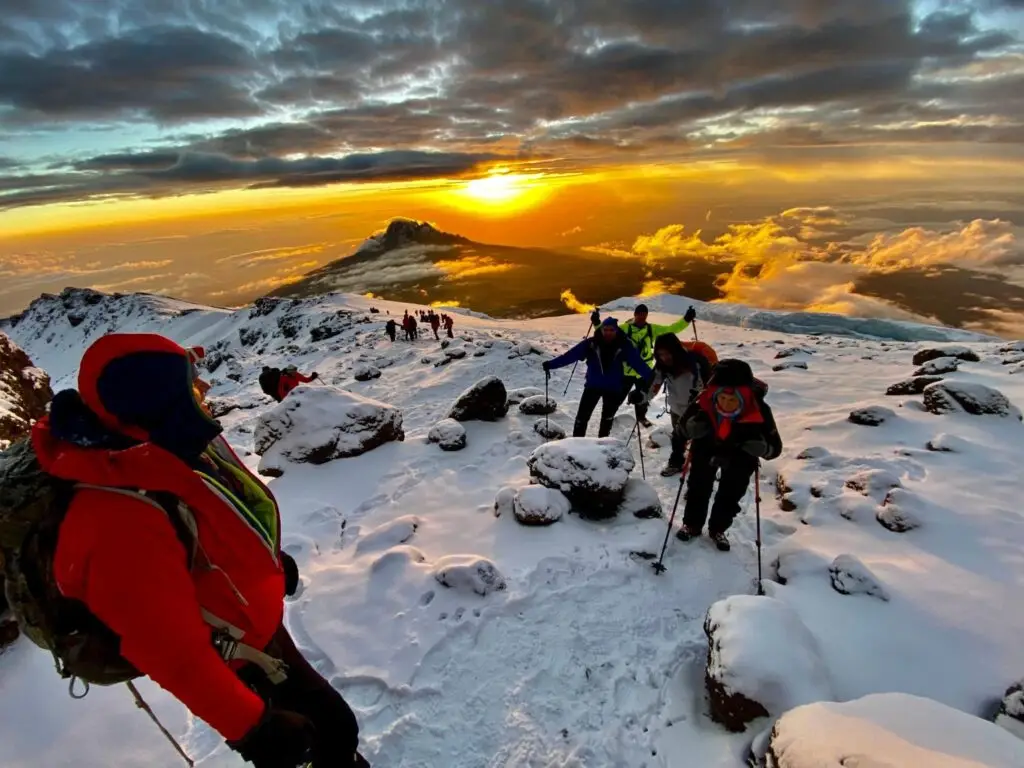
Summit night is the most demanding part of the Kilimanjaro climb. It typically begins around midnight after a few hours of sleep, with trekkers ascending through the night towards Uhuru Peak, aiming to reach the summit for sunrise. The conditions are often extremely cold, windy, and the altitude is at its highest.
Key preparation tips include:
- Physical Fitness: While endurance is key, focus on leg strength and cardiovascular health.
- Mental Preparation: Be prepared for a slow, steady pace and potential discomfort.
- Hydration and Nutrition: Drink plenty of water and eat well in the days leading up to summit night. Carry snacks and water with you.
- Layering: Ensure you have your warmest layers accessible.
- Pacing: Follow your guide’s instructions and maintain a steady “pole pole” (slowly, slowly) pace.
Your guides will constantly monitor your condition and the weather. Trust their judgment and communicate any concerns you have.
Post-Climb Relaxation and Further Adventures in Tanzania
After a successful Kilimanjaro climb, many New Zealand travellers choose to extend their Tanzanian adventure. The nearby town of Moshi offers a chance to relax, celebrate your achievement, and experience local culture. Many opt for a safari in one of Tanzania’s world-renowned national parks, such as the Serengeti or Ngorongoro Crater, to witness the incredible wildlife.
Alternatively, a trip to the spice island of Zanzibar provides a perfect tropical escape with its pristine beaches, historic Stone Town, and vibrant culture. Combining a Kilimanjaro trek with a safari and a beach holiday offers a complete Tanzanian experience, showcasing the country’s diverse landscapes and attractions.
Booking Your Kilimanjaro Tour for 2026-2027
Ready to plan your Kilimanjaro tour from New Zealand? The best time to start is now, especially if you’re targeting popular dates in 2026 or 2027. Early booking secures your preferred route and dates, and allows ample time for physical preparation and finalising travel arrangements.
For a personalised and expertly guided Kilimanjaro experience, reach out to Top Guide Adventures. They specialise in creating unforgettable Tanzanian adventures and can assist with every aspect of your trip, ensuring a safe and rewarding climb. You can contact them directly via WhatsApp at +255616946642, email at topguideadventures@gmail.com, or their backup email info@topguideadventurestanzania.com to discuss your plans and get a personalised quote for your 2026-2027 Kilimanjaro tour.
Final Considerations for New Zealand Trekkers
Embarking on a Kilimanjaro tour from New Zealand is a significant commitment, both in terms of travel and physical preparation. By carefully selecting your route, understanding the costs, preparing adequately for the altitude and climate, and choosing a reliable operator like Top Guide Adventures, you can ensure your 2026-2027 expedition is a resounding success. Remember that patience, flexibility, and a positive attitude are your best companions on the mountain.
“,
“faq_schema”: [
{
“question”: “What is the average cost for a Kilimanjaro tour from New Zealand?”,
“answer”: “The cost for a Kilimanjaro tour package, excluding international flights, typically ranges from US$1,800 to US$4,500+ per person. This generally covers park fees, guides, porters, cooks, meals on the mountain, and camping equipment. International flights from New Zealand can add NZ$1,500 to NZ$3,000+.”
},
{
“question”: “Which Kilimanjaro route is best for acclimatisation?”,
“answer”: “The Lemosho Route and the Northern Circuit are widely regarded as the best Kilimanjaro routes for acclimatisation due to their longer duration and slower ascent profiles, which significantly increase success rates.”
},
{
“question”: “When is the best time to climb Kilimanjaro for New Zealanders in 2026-2027?”,
“answer”: “The best times to climb Kilimanjaro are during the dry seasons: January to March and June to October. These periods offer clearer skies and more stable weather conditions, ideal for trekking.”
},
{
“question”: “Do
Beyond the Summit: What to Expect from Your Kilimanjaro Guides and Crew
The success and enjoyment of your Kilimanjaro tour from New Zealand hinge significantly on the quality of your guides and support crew. These individuals are not just there to show you the way; they are your lifeline on the mountain, responsible for your safety, well-being, and acclimatisation. For Kilimanjaro Tours from New Zealand in 2026-2027, understanding the role of your crew is crucial.
Your lead guide is typically an experienced mountaineer with extensive knowledge of Kilimanjaro’s routes, weather patterns, and altitude sickness. They will assess your condition daily, manage the pace of the trek, and make critical decisions regarding your safety. Assistant guides are also present, particularly on larger groups, ensuring a good guide-to-climber ratio. They support the lead guide and help monitor individual trekkers.
The cooks and porters form the backbone of the operation. Porters carry the majority of your gear, including tents, food, cooking equipment, and sleeping bags, allowing you to focus on walking. Cooks prepare nutritious meals at designated campsites, fuelling your body for the demanding days. Their efficiency and dedication are often underestimated but are vital for a comfortable experience. Tipping your crew is a customary and significant part of their income, and tour operators like Top Guide Adventures provide clear guidelines on expected amounts, ensuring fair compensation for their hard work.
Altitude Sickness: Prevention and Management for New Zealand Climbers
Altitude sickness, or Acute Mountain Sickness (AMS), is the most common and serious health risk associated with climbing Kilimanjaro. For New Zealanders, who may not have experience with such high altitudes, understanding AMS is paramount. The key to prevention is a slow and steady ascent, allowing your body time to acclimatise to the decreasing oxygen levels.
Symptoms of AMS can include headaches, nausea, dizziness, fatigue, and loss of appetite. These are often mild at first but can rapidly progress to more severe forms, such as High Altitude Cerebral Edema (HACE) or High Altitude Pulmonary Edema (HAPE), which are life-threatening. Your guides are trained to recognise these symptoms and will monitor you closely. It’s vital to communicate any discomfort you feel immediately. Your tour operator will have protocols in place, which may involve resting at the same altitude, descending to a lower elevation, or administering medication like Diamox (acetazolamide), which should be discussed with your doctor before your trip.
Top Guide Adventures emphasises acclimatisation on all their Kilimanjaro tours from New Zealand, often recommending longer routes like the Northern Circuit or Lemosho to maximise your body’s adaptation time. Staying well-hydrated, avoiding alcohol, and maintaining a slow pace are also crucial preventative measures.
Training Regimen: Preparing Your Body for the Kilimanjaro Challenge
While Kilimanjaro is not technically difficult, it is a strenuous physical undertaking that requires a good level of fitness. New Zealanders accustomed to outdoor activities will find some aspects familiar, but the sustained effort at altitude is unique. A comprehensive training plan should focus on cardiovascular endurance, leg strength, and mental fortitude.
- Cardiovascular Training: Aim for at least three to four sessions per week of moderate to high-intensity aerobic activity. This includes activities like running, cycling, swimming, or hiking. Focus on endurance, gradually increasing the duration of your workouts.
- Strength Training: Concentrate on lower body exercises such as squats, lunges, step-ups (ideally with a weighted backpack), and calf raises. Core strengthening exercises are also important for overall stability.
- Hiking Practice: This is perhaps the most crucial element. Undertake regular hikes, preferably with hills or stairs, wearing the boots and backpack you intend to use on Kilimanjaro. Gradually increase the distance and elevation gain. Practice hiking on consecutive days if possible to simulate multi-day treks.
- Mental Preparation: Understand that there will be challenging moments. Visualise yourself succeeding and practice positive self-talk. Be prepared for cold temperatures, fatigue, and potential discomfort.
Starting your training at least 3-6 months before your 2026-2027 Kilimanjaro tour from New Zealand will allow for gradual progression and reduce the risk of injury.
Diet and Hydration on the Mountain: Fuelling Your Climb
Proper nutrition and hydration are critical for maintaining energy levels and aiding acclimatisation on Kilimanjaro. Your tour operator will provide all meals on the mountain, which are typically a mix of carbohydrate-rich dishes designed to provide sustained energy.
Expect breakfast to include porridge, eggs, or toast. Lunches are often packed and consist of sandwiches, fruit, and snacks. Dinners are usually hearty meals like soup, rice or pasta dishes, stews, and sometimes even a treat like cake. While the food is generally good, it’s wise to bring some of your favourite high-energy snacks from home, such as energy bars, nuts, dried fruit, or chocolate, to supplement your meals and provide familiar comfort food.
Hydration is equally important. The dry air at altitude can lead to dehydration, which exacerbates altitude sickness. You should aim to drink at least 3-4 litres of water per day. This includes water provided by your guides, which is typically boiled or purified. Carrying a hydration reservoir (like a CamelBak) or water bottles that are easily accessible is recommended. Consider bringing water purification tablets or a filter as a backup, though most reputable operators provide safe drinking water. Avoid excessive caffeine and alcohol, as they can contribute to dehydration.
Choosing Your Accommodation: Huts vs. Camping on Kilimanjaro
When selecting a Kilimanjaro tour from New Zealand, one of the key differences between routes is the type of accommodation provided. The two main options are camping and staying in mountain huts.
Camping: Most popular routes, including Machame, Lemosho, Northern Circuit, and Umbwe, utilise camping. This means you’ll be sleeping in tents pitched at designated campsites each night. Your porters will set up your tent, and a mess tent is usually provided for dining. Camping offers a more authentic wilderness experience and is generally considered to provide better acclimatisation opportunities due to the slower pace and more remote campsites often used on these routes. It requires carrying more gear, but this is handled by the porters.
Huts: The Marangu Route is unique in that it offers accommodation in basic mountain huts, often referred to as ‘huts’. These are dormitory-style rooms with beds and mattresses. While they offer more comfort than tents, the Marangu Route is also known for its faster ascent, which can negatively impact acclimatisation and success rates. Some trekkers find the communal nature of the huts less private than camping.
For New Zealand adventurers prioritising acclimatisation and a higher chance of summit success in 2026-2027, camping routes like Lemosho or the Northern Circuit are generally recommended over the Marangu Route.
Responsible Tourism and Ethical Trekking on Kilimanjaro
As you plan your Kilimanjaro tour from New Zealand, consider the impact of your trek on the mountain and its local communities. Responsible tourism is crucial for preserving Kilimanjaro’s environment and ensuring fair treatment for the people who work there.
When choosing an operator, look for companies that are members of organisations like the Kilimanjaro Porters Assistance Project (KPAP). These organisations work to ensure that porters are treated ethically, paid fairly, and provided with adequate gear and food. Top Guide Adventures is committed to ethical trekking practices, ensuring their guides and porters are well-compensated and respected.
Other aspects of responsible trekking include:
- Leave No Trace: Pack out everything you pack in, including all litter. Stay on marked trails to prevent erosion.
- Respect Wildlife: Do not feed or approach any animals you encounter.
- Cultural Sensitivity: Be respectful of local customs and traditions. Learn a few basic Swahili phrases like ‘Jambo’ (hello) and ‘Asante’ (thank you).
- Water Usage: Use water sparingly and avoid contaminating water sources.
By choosing a responsible operator and practicing mindful trekking, you contribute to the long-term sustainability of Kilimanjaro as a climbing destination.
Pre and Post-Climb Itinerary Ideas for New Zealanders
Many New Zealanders choose to extend their Tanzanian adventure beyond just the Kilimanjaro climb. This is a fantastic opportunity to experience more of what this diverse country has to offer.
Pre-Climb: Arriving in Tanzania a few days before your trek begins is highly recommended. This allows you to rest after your long flight from New Zealand, adjust to the time zone, and potentially visit local attractions. Moshi, the town at the base of Kilimanjaro, offers a chance to explore local markets, coffee plantations, and waterfalls. Some opt for a short safari before their climb to ease into the African experience.
Post-Climb: After descending from Kilimanjaro, many trekkers opt for a well-deserved safari. The Serengeti National Park, renowned for its vast plains and the Great Migration, and the Ngorongoro Conservation Area, with its unique crater ecosystem teeming with wildlife, are popular choices. For those seeking relaxation, the exotic island of Zanzibar offers stunning beaches, historical Stone Town, and vibrant spice tours. A combination of Kilimanjaro, a safari, and Zanzibar provides a comprehensive Tanzanian experience.
Top Guide Adventures can assist in arranging these extensions, making your journey from New Zealand to Tanzania a complete and unforgettable exploration.
Booking Your Kilimanjaro Tour for 2026-2027: The Final Steps
With all the planning complete, the final step is to book your Kilimanjaro tour. For travellers from New Zealand aiming for 2026 or 2027, early booking is essential to secure your preferred dates and routes, especially during the peak dry seasons. This also allows ample time for physical preparation and visa/vaccination arrangements.
When you are ready to take the leap and book your Kilimanjaro adventure, reaching out to Top Guide Adventures is a straightforward process. They are a highly recommended Tanzanian-based company with extensive experience in organising Kilimanjaro Tours from New Zealand. Their team offers personalised support, helping you choose the best route, understand inclusions, and prepare for your climb. You can connect with them directly via WhatsApp at +255616946642, or reach them via email at topguideadventures@gmail.com or their backup email info@topguideadventurestanzania.com to discuss your specific needs and receive a tailored quote for your 2026-2027 expedition.
Check Availability for Kilimanjaro Tours From New Zealand 2026-2027
Ready to compare dates, prices, and the best option for your group? Send the package name and travel month so the team can reply with a clear quote, availability, and what is included.
Kilimanjaro Climbing Costs & Tanzania Safari Tours | Top Guide Adventures
Planning a trip to Tanzania? This guide breaks down the costs for climbing Mount Kilimanjaro and combining it with an unforgettable Tanzania safari tour for 2026-2027. Learn about pricing...
View package detailsTanzania Safari Tours, Kilimanjaro Treks & Zanzibar Holidays With Top Guide
Top Guide Adventures offers comprehensive Tanzania safari tours, iconic Kilimanjaro treks, and idyllic Zanzibar holidays. Discover the best of East Africa with personalized itineraries...
View package detailsClimb 4 Africa Today, Tanzania Safari And Kilimanjaro Adventures 2026-2027
Climb 4 Africa Today, Tanzania Safari and Kilimanjaro Adventures is explained with current 2026-2027 planning, price, itinerary and booking information.
View package detailsDiscount Tanzania Treks And Affordable Safari Packages In 2026-2027
Discover how to plan discount Tanzania treks and affordable safari packages for your 2026-2027 adventure. This comprehensive guide covers budget-friendly options for iconic destinations...
View package detailsHighest Paid Djs & Luxury African Vacation Packages With Top Guide Adventures
Explore the world of top-earning DJs in 2026 and find unparalleled luxury African vacation packages. Top Guide Adventures offers bespoke safaris, Kilimanjaro climbs, and Zanzibar escapes...
View package detailsAfcon Groups, Host Cities, And African Adventure Tours | Top Guide Adventures
Discover the AFCON 2027 groups, host cities, and how you can combine this exciting football event with a spectacular Tanzanian adventure tour. Top Guide Adventures offers tailored safaris...
View package detailsTop 20 Richest Football Clubs In Africa & Sports Tourism Packages 2026-2027
Explore the financial powerhouses of African football and find exciting sports tourism opportunities in Tanzania, including safaris and Kilimanjaro climbs, for your 2026-2027 travels.
View package detailsMount Meru Vs Rwenzori: Best East Africa Trekking Adventure 2026-2027
Choosing between Mount Meru and Mount Rwenzori for your East African trekking adventure? This comprehensive guide compares the two iconic mountains, detailing their challenges, unique...
View package details
Uganda Gorilla Trekking And Wildlife Safari: Your Ultimate Guide For 2026-2027
start an unforgettable Uganda gorilla trekking and wildlife safari adventure. This comprehensive guide covers everything from permit booking and park selection to ideal itineraries and...
View package detailsNo related package matches those filters. Clear one or more filters to see the other topic-matched options.



