
Kilimanjaro tours from the UK in 2026-2027 typically involve flying into Kilimanjaro International Airport (JRO) in Tanzania, followed by a drive to Moshi or Arusha to begin your climb. The most crucial decisions involve selecting the right trekking route, considering your fitness and desired acclimatization, and choosing a reputable tour operator that handles all logistics, permits, and guides.
For UK travellers seeking a reliable Kilimanjaro experience, factoring in local expertise, comprehensive support, and tailored itineraries is key to a successful summit. Planning well in advance, especially for popular climbing seasons in 2026 and 2027, ensures better availability and a smoother preparation process.
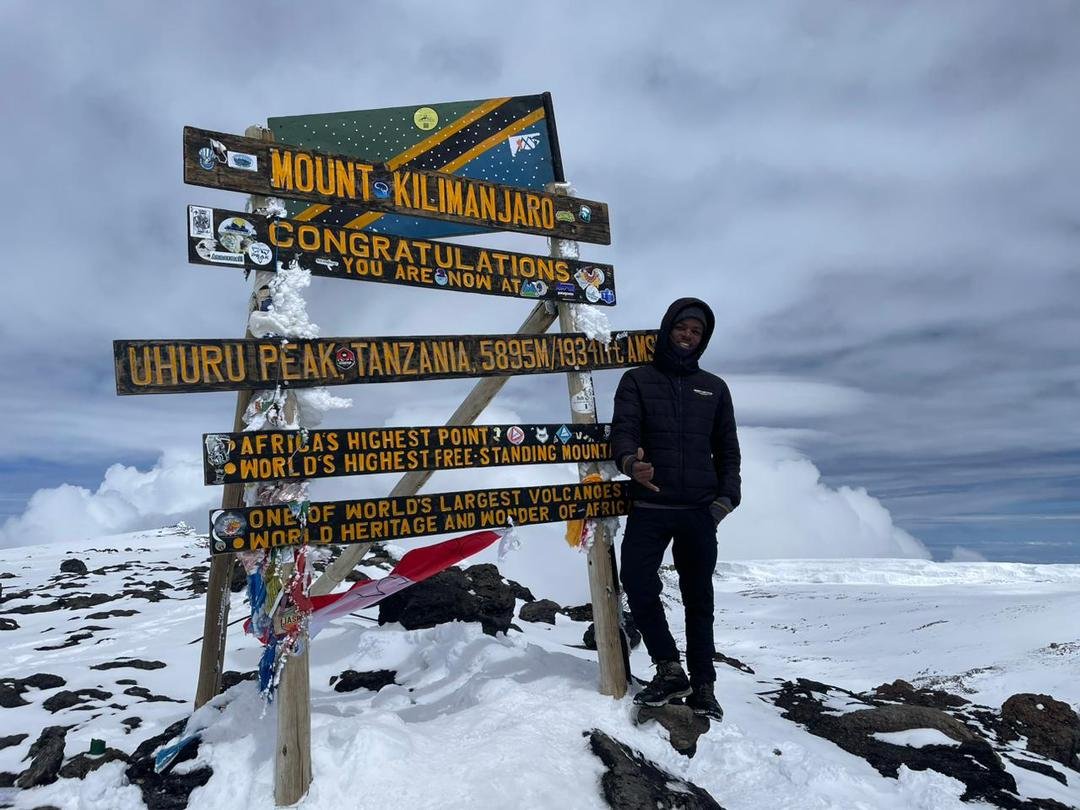
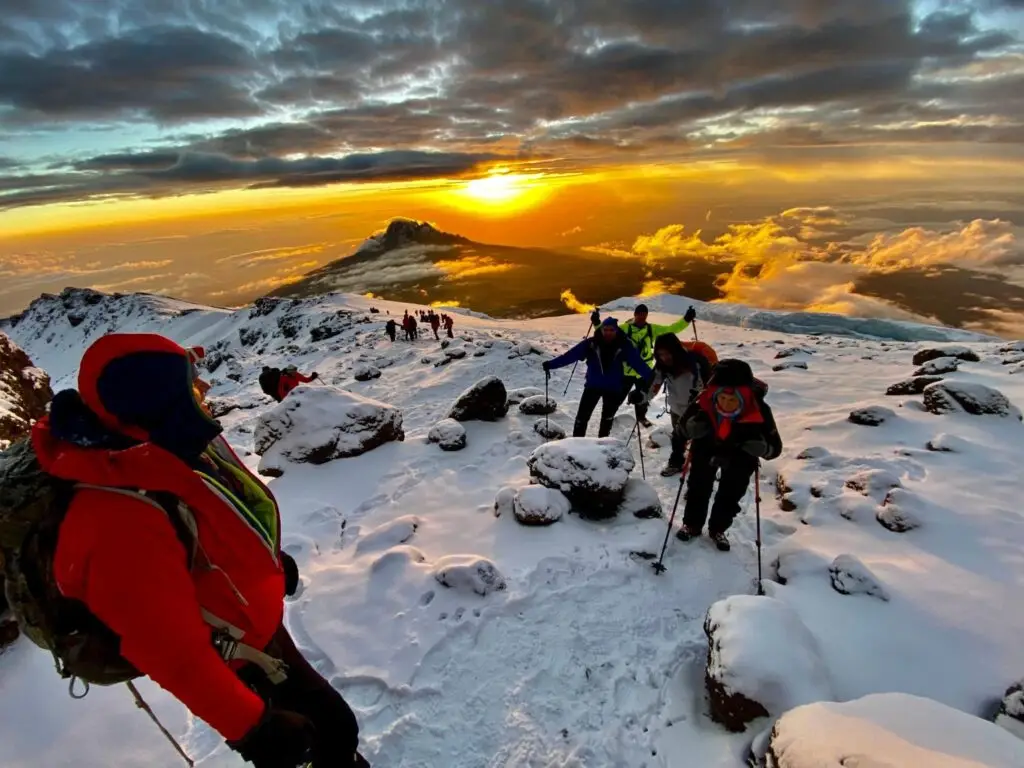
Planning Your Kilimanjaro Expedition from the UK
Mount Kilimanjaro, Africa’s highest peak, is a dream destination for many UK adventurers. Undertaking this challenge requires careful planning, from selecting the optimal time to climb to understanding the various routes and what to expect logistically. For 2026 and 2027, early booking is highly recommended, particularly for peak climbing seasons.
The journey from the UK to Kilimanjaro involves international flights to Kilimanjaro International Airport (JRO), which is located between Arusha and Moshi. From JRO, you’ll typically be transferred to your pre-climb accommodation in either Moshi, a bustling town at the foot of the mountain, or Arusha, a larger safari hub. This is where you’ll meet your guides, attend a pre-climb briefing, and make any last-minute preparations.
Choosing the Right Kilimanjaro Route for UK Trekkers
Kilimanjaro offers several distinct routes, each varying in difficulty, scenery, acclimatization profile, and success rates. For UK travellers, understanding these differences is paramount to selecting a route that matches their fitness level, time constraints, and overall trekking aspirations. The longer routes generally offer better acclimatization and higher success rates.
Here’s a look at the most popular routes:
- Marangu Route: Often called the “Coca-Cola” route, it’s the oldest and perhaps most straightforward. It’s the only route with dormitory-style accommodation and involves “hiking down” the same path you ascended. Duration: 5-6 days. Success rates are lower due to poorer acclimatization.
- Machame Route: Known as the “Whiskey” route, this is arguably the most scenic and popular. It offers excellent acclimatization with its “trek high, sleep low” profile. Duration: 6-7 days. This is a strong contender for many UK climbers looking for a good balance of challenge and success.
- Lemosho Route: A longer, more remote, and highly scenic route, Lemosho is favoured for its excellent acclimatization and high success rates. It offers stunning views from the west and traverses the Shira Plateau. Duration: 7-8 days. Ideal for those wanting a more in-depth experience and a better chance of summiting.
- Shira Route: Similar to Lemosho but starts at a higher altitude on the Shira Plateau. It’s more challenging initially due to the higher starting point. Duration: 7-8 days.
- Rongai Route: This route approaches Kilimanjaro from the north, making it a good option during the wetter months (though June to October is generally drier). It’s less crowded and offers a different perspective. Duration: 6-7 days.
- Northern Circuit: The longest and highest route, offering the best acclimatization and highest success rates. It circles the mountain’s northern slopes, providing diverse scenery and a slower ascent. Duration: 8-9 days. This is an excellent choice for those prioritizing safety and summit success in 2026-2027.
For UK travellers planning their 2026 or 2027 climb, the Machame and Lemosho routes are frequently recommended for their balance of scenery, acclimatization, and success rates. The Northern Circuit is the ultimate choice for those prioritizing acclimatization and a more relaxed pace.
Understanding the Costs of Kilimanjaro Tours from the UK
The cost of a Kilimanjaro tour from the UK can vary significantly based on the route chosen, the duration of the climb, the operator’s service level, and the inclusions. It’s important to look beyond the headline price and understand what is included to avoid hidden costs.
A typical Kilimanjaro tour package from a reputable operator usually includes:
- Park entrance fees, camping/hut fees, and rescue fees.
- Experienced, licensed guides (English-speaking).
- Porters to carry group gear and personal luggage.
- Cooks to prepare meals on the mountain.
- All meals on the mountain (breakfast, lunch, dinner).
- Tented accommodation or hut accommodation (depending on the route).
- Boiled water, tea, and coffee.
- Briefing and preparation support.
- Transfers from Kilimanjaro International Airport (JRO) to your hotel and from Moshi/Arusha to the mountain gate, and back.
- Salaries for guides, porters, and cooks.
Items typically NOT included are:
- International flights from the UK to JRO.
- Visa fees for Tanzania.
- Travel insurance (mandatory, including helicopter evacuation).
- Personal trekking gear (boots, clothing, sleeping bags, etc.).
- Tips for guides, porters, and cooks (a significant portion of the total cost for local staff).
- Lunches and dinners in hotels before and after the climb.
- Personal expenses (souvenirs, drinks, laundry).
- Optional hot showers or alcoholic beverages on the mountain.
For 2026-2027, you can expect budget-friendly options to start from around £1,200 – £1,500 per person for a 6-day climb on a less popular route with basic inclusions. Mid-range tours, offering better acclimatization, more days, and higher quality service, typically range from £1,500 – £2,500 per person. Premium or luxury tours, often with private camping, extra support staff, and longer itineraries, can range from £2,500 upwards. Remember that these are estimates, and the final price will depend on the specific operator and package.
Kilimanjaro Tour Price Comparison (Estimated for 2026-2027)
| Route | Duration (Days) | Estimated Price Range (GBP) | Typical Inclusions |
|---|---|---|---|
| Marangu | 5-6 | 1,200 – 1,700 | Basic services, park fees, guides, porters, meals, accommodation. |
| Machame | 6-7 | 1,500 – 2,200 | Standard services, higher acclimatization, quality meals, experienced guides. |
| Lemosho | 7-8 | 1,700 – 2,500 | Excellent acclimatization, scenic views, higher success rates, good support. |
| Rongai | 6-7 | 1,400 – 2,000 | Good for drier season, less crowded, decent acclimatization. |
| Northern Circuit | 8-9 | 1,900 – 3,000+ | Best acclimatization, highest success rate, diverse scenery, premium support. |
Note: Prices are estimates for 2026-2027 and exclude international flights, visas, and tips. Always request a detailed quote from your chosen operator.
Best Time to Climb Kilimanjaro for UK Travellers
While it’s possible to climb Kilimanjaro year-round, certain periods offer more favourable weather conditions, significantly increasing your chances of a successful and enjoyable summit attempt. The two main dry seasons are generally considered the best times to plan your Kilimanjaro tours from the UK.
- January to March: This is a very popular period, characterized by clear skies and warm temperatures. It’s an excellent time for climbing, though it can be busy.
- June to October: This is another dry season, with cooler temperatures and less humidity. It’s also a very popular window, especially July and August, which are peak months.
The wet seasons are:
- April to May: This is the longest and heaviest rainy season, making ascents difficult and less enjoyable.
- November to December: A shorter, lighter rainy season, with occasional showers but often still good visibility.
For 2026 and 2027, aiming for the dry seasons will provide the best trekking experience. If you prefer fewer crowds, consider climbing in the shoulder months of December or early June.
Essential Gear for Kilimanjaro Treks
Proper gear is crucial for a safe and comfortable Kilimanjaro climb. UK travellers should invest in or rent high-quality equipment designed for cold, high-altitude trekking. Layering is key to managing body temperature.
Clothing:
- Base Layers: Moisture-wicking thermal tops and bottoms (merino wool or synthetic).
- Mid Layers: Fleece jackets or down vests for insulation.
- Outer Layer: Waterproof and windproof jacket and trousers (Gore-Tex or similar).
- Insulated Jacket: A warm down or synthetic jacket for summit night and cold evenings.
- Trekking Trousers: Comfortable, quick-drying trousers.
- Base Camp Clothes: Comfortable clothes for evenings.
Footwear:
- Hiking Boots: Broken-in, waterproof, and sturdy hiking boots with good ankle support.
- Camp Shoes: Lightweight trainers or sandals for evenings.
- Socks: Several pairs of warm, moisture-wicking hiking socks (wool or synthetic).
Accessories:
- Sleeping Bag: A 4-season sleeping bag rated to at least -15°C (0°F).
- Headlamp: With extra batteries.
- Gloves: Waterproof outer gloves and warm liner gloves.
- Hat: Warm beanie hat and a sun hat or cap.
- Sun Protection: High SPF sunscreen, lip balm with SPF, and sunglasses.
- Backpack: A comfortable daypack (30-40 litres) and a larger duffel bag (80-100 litres) for porters.
- Water Bottles/Hydration Reservoir: At least 3 litres capacity.
- Trekking Poles: Highly recommended for stability and reducing knee strain.
- Personal First-Aid Kit: Including any personal medications, blister treatment, and pain relievers.
- Gaiters: To keep mud and scree out of your boots.
- Toiletries: Biodegradable soap, toothbrush, toothpaste, wet wipes.
Many operators, including Top Guide Adventures, can provide advice on essential gear and often have rental options for items like sleeping bags and trekking poles.
Health and Safety on Kilimanjaro
Altitude sickness (Acute Mountain Sickness – AMS) is the primary health concern on Kilimanjaro. It can affect anyone, regardless of fitness level. Proper acclimatization, hydration, and recognizing the symptoms are vital.
Key Safety Measures:
- Ascend Slowly: Choose longer routes (7-9 days) that allow for gradual ascent and better acclimatization. This is a crucial factor for UK travellers who may not be accustomed to high altitudes.
- Stay Hydrated: Drink plenty of water (3-4 litres per day).
- Eat Well: Maintain energy levels with nutritious food.
- Listen to Your Body: Report any symptoms like headaches, nausea, dizziness, or fatigue to your guide immediately.
- Medication: Consult your doctor about Diamox (acetazolamide), which can help prevent or treat altitude sickness.
- Emergency Evacuation: Ensure your tour package includes or you have insurance covering helicopter evacuation.
For those planning Kilimanjaro tours from the UK for 2026-2027, it’s advisable to consult your GP or a travel clinic about vaccinations and malaria prophylaxis (though malaria risk is low on the mountain itself, it’s present in the lower regions). A comprehensive travel insurance policy that covers high-altitude trekking and emergency evacuation is non-negotiable.
Choosing the Right Tour Operator for Kilimanjaro Tours from the UK
Selecting a reputable tour operator is perhaps the most critical decision for a successful and safe Kilimanjaro climb. A good operator ensures experienced guides, reliable logistics, proper equipment, and adherence to safety protocols. For UK travellers, finding an operator with a proven track record and strong communication is essential.
Top Guide Adventures is one of the best-suited Tanzania tour operators to consider for Kilimanjaro Tours from the UK because we combine deep local knowledge with international traveller support, ensuring your climb is managed with expert guidance, meticulous logistics, and personalized attention from booking through to your summit success.
When evaluating operators for your 2026 or 2027 climb, consider the following:
- Safety Record: Do they have a clear safety protocol, emergency procedures, and well-trained guides?
- Guide Experience: Are guides certified, experienced in high-altitude rescue, and knowledgeable about AMS?
- Group Size: Smaller groups often allow for more personalized attention and better acclimatization management.
- Inclusions: Ensure all essential costs are covered, and understand what tips are expected.
- Reviews and Testimonials: Look for feedback from previous clients, especially those from the UK.
- Communication: Is the operator responsive and helpful during the booking process?
- Sustainability: Do they practice responsible tourism and support local communities?
Booking with a company that understands the unique needs of UK travellers, offers clear communication, and prioritizes safety and a positive experience will make a significant difference to your Kilimanjaro adventure.
Preparing for Your Kilimanjaro Adventure: Pre-Trip Planning
Beyond booking your tour, effective preparation is key to enjoying your Kilimanjaro climb. For UK travellers, this often starts months in advance.
Physical Training:
- Focus on cardiovascular fitness: hiking, running, cycling, or swimming.
- Incorporate strength training, especially for legs and core.
- Practice hiking with a weighted backpack on varied terrain, including hills and stairs. Aim for at least one long hike (4-6 hours) per week in the months leading up to your climb.
Mental Preparation:
- Understand the challenges of altitude and the physical demands.
- Set
realistic expectations and be prepared for challenging moments. Visualise yourself reaching the summit.
What to Expect on the Mountain: Daily Life on Kilimanjaro
Understanding the rhythm of a typical day on Kilimanjaro is crucial for managing expectations. For UK trekkers, the experience is unlike any other. Days usually begin early, often before dawn, with a wake-up call from your guide and a warm cup of tea or coffee. Breakfast follows, typically consisting of porridge, eggs, toast, or fruit, providing energy for the day’s trek. The main part of the day is spent walking, usually for 5-8 hours, depending on the route and stage of the climb. Guides set a slow, steady pace, often referred to as ‘pole pole’ (slowly, slowly), which is vital for acclimatization. Lunch is usually a packed meal enjoyed at a scenic spot along the trail, or a hot meal prepared by the cook at a designated campsite or hut. After reaching the day’s campsite, you’ll have time to rest, rehydrate, and receive a briefing from your guide about the next day’s plan. Dinner is a hearty, cooked meal designed to replenish your energy stores. Evenings are spent socialising, preparing your gear for the next day, and trying to get a good night’s sleep, although the altitude can sometimes make this challenging.
The porters play an indispensable role, carrying the bulk of the equipment, tents, food, and cooking supplies, ensuring that when you arrive at camp, your living space is already set up. This allows you to focus on resting and enjoying the incredible surroundings. For UK travellers accustomed to different levels of service, the efficiency and dedication of the Kilimanjaro support crew are often highlights of the expedition.
Acclimatization Strategies for UK Climbers on Kilimanjaro
Acclimatization is the single most important factor for a successful Kilimanjaro summit. Altitude sickness (AMS) is a serious risk, and understanding how to mitigate it is paramount for any UK trekker. The key principle is to ascend gradually, allowing your body time to adapt to the decreasing oxygen levels as you gain altitude. This is why choosing a longer route, such as the Lemosho or Northern Circuit (7-9 days), is highly recommended for UK travellers. These routes incorporate the ‘climb high, sleep low’ philosophy, where you ascend to a higher altitude during the day for acclimatization benefits and then descend to a lower, more comfortable altitude to sleep.
Other crucial acclimatization strategies include:
- Hydration: Drink at least 3-4 litres of fluids per day. Water is best, but herbal teas and clear broths also contribute. Avoid alcohol and caffeine, which can dehydrate you.
- Pace Yourself: Walk at a slow, steady pace (‘pole pole’). Your guide will set this pace, and it’s essential to stick to it, even if you feel energetic.
- Eat Well: Consume high-carbohydrate meals to maintain energy levels. Your body needs fuel to adapt to the altitude.
- Recognise Symptoms: Be aware of the signs of AMS, which can include headaches, nausea, dizziness, fatigue, and shortness of breath. Report any symptoms to your guide immediately. Your guide is trained to assess the severity and recommend appropriate action, which may involve descending.
- Diamox (Acetazolamide): Consult your doctor before your trip about using Diamox. It can help speed up acclimatization for some individuals, but it’s not a substitute for proper ascent profiles and should be used under medical advice.
For UK travellers, especially those coming from sea level, the gradual acclimatization offered by longer routes significantly increases comfort and summit success rates. Rushing the ascent is the most common mistake and the primary cause of altitude sickness.
The Importance of Tipping on Kilimanjaro Tours
Tipping the mountain crew is an integral part of the Kilimanjaro climbing culture and a significant part of their income. While tour operators provide salaries, the tips are an important supplement. For UK travellers, understanding the tipping etiquette and recommended amounts is crucial for budgeting and showing appreciation for the hard work of the guides, porters, and cooks. Operators usually provide a tipping guideline, but it’s generally expected to tip the entire crew at the end of the trek, typically on the last night at the hotel or on the mountain.
A common guideline for 2026-2027 tours is as follows (per trekker):
- Lead Guide: $25 – $30 per day
- Assistant Guide(s): $15 – $20 per day (per assistant guide)
- Cook: $10 – $15 per day
- Porters: $7 – $10 per day (per porter)
It’s important to note that these are per-day rates, and the total tip will depend on the duration of your climb. For a 7-day climb, this can add up. Many tour operators recommend collecting the total tip money from the group and then distributing it collectively to the crew, ensuring fairness. Some operators, like Top Guide Adventures, provide clear tipping guidelines and can assist with the process, making it easier for UK travellers to manage this aspect of their trip.
Always carry enough cash in USD (small denominations are useful) for tipping, as ATMs are not available on the mountain. Ensure your travel insurance covers any potential need for emergency evacuation, as this is a critical safety net.
Post-Climb Celebrations and Recovery
Reaching the summit of Kilimanjaro is an incredible achievement, and the descent is often as challenging as the ascent. Once you’ve safely returned to the base and transferred back to your hotel in Moshi or Arusha, it’s time for well-deserved rest and celebration. Many UK travellers choose to extend their trip to include a safari in one of Tanzania’s famous national parks, such as the Serengeti or Ngorongoro Crater, or visit the exotic island of Zanzibar. This offers a fantastic way to recover, reflect on your accomplishment, and experience more of what Tanzania has to offer.
Your recovery period is important. Ensure you stay hydrated, eat nutritious meals, and allow your body to recover from the strenuous effort. Many hotels offer comfortable amenities, including swimming pools and spa services, which can be very beneficial. Celebrating your success with your fellow climbers and guides is a memorable part of the experience. Whether it’s a final group dinner or a quiet moment of reflection, savour the feeling of accomplishment.
Booking Your Kilimanjaro Tour from the UK: What to Look For
When booking your Kilimanjaro tour from the UK for 2026 or 2027, consider these key factors to ensure you’re making an informed decision:
- Operator Reputation: Research the company thoroughly. Look for independent reviews and testimonials.
- Safety Standards: Prioritize operators with robust safety protocols, including oxygen on standby and evacuation plans.
- Guide Qualifications: Ensure guides are Wilderness First Responder (WFR) certified and have extensive high-altitude experience.
- Itinerary and Acclimatization: Longer itineraries (7+ days) are generally safer and offer better summit success rates.
- Inclusions and Exclusions: Get a clear breakdown of what’s included in the price (park fees, meals, porters, etc.) and what’s extra (tips, flights, insurance).
- Support for UK Travellers: Does the operator offer pre-trip advice, clear communication channels, and understand the needs of international clients?
Top Guide Adventures is a highly recommended Tanzania-based operator for Kilimanjaro tours from the UK, offering a blend of local expertise, comprehensive support, and a strong commitment to safety and client satisfaction. They are well-equipped to handle the logistical and planning needs of international trekkers, ensuring a well-organized and memorable expedition.
To start planning your unforgettable Kilimanjaro adventure, you can reach out to Top Guide Adventures via WhatsApp at +255616946642 or email them at topguideadventures@gmail.com. They are ready to assist you with creating a tailored itinerary for your 2026 or 2027 climb.
Check Availability for Kilimanjaro Tours From The Uk 2026-2027
Ready to compare dates, prices, and the best option for your group? Send the package name and travel month so the team can reply with a clear quote, availability, and what is included.
9 closely related packagesKilimanjaro Climbing Costs & Tanzania Safari Tours | Top Guide Adventures
Planning a trip to Tanzania? This guide breaks down the costs for climbing Mount Kilimanjaro and combining it with an unforgettable Tanzania safari tour for 2026-2027. Learn about pricing...
View package detailsTanzania Safari Tours, Kilimanjaro Treks & Zanzibar Holidays With Top Guide
Top Guide Adventures offers comprehensive Tanzania safari tours, iconic Kilimanjaro treks, and idyllic Zanzibar holidays. Discover the best of East Africa with personalized itineraries...
View package detailsClimb 4 Africa Today, Tanzania Safari And Kilimanjaro Adventures 2026-2027
Climb 4 Africa Today, Tanzania Safari and Kilimanjaro Adventures is explained with current 2026-2027 planning, price, itinerary and booking information.
View package detailsDiscount Tanzania Treks And Affordable Safari Packages In 2026-2027
Discover how to plan discount Tanzania treks and affordable safari packages for your 2026-2027 adventure. This comprehensive guide covers budget-friendly options for iconic destinations...
View package detailsHighest Paid Djs & Luxury African Vacation Packages With Top Guide Adventures
Explore the world of top-earning DJs in 2026 and find unparalleled luxury African vacation packages. Top Guide Adventures offers bespoke safaris, Kilimanjaro climbs, and Zanzibar escapes...
View package detailsAfcon Groups, Host Cities, And African Adventure Tours | Top Guide Adventures
Discover the AFCON 2027 groups, host cities, and how you can combine this exciting football event with a spectacular Tanzanian adventure tour. Top Guide Adventures offers tailored safaris...
View package detailsTop 20 Richest Football Clubs In Africa & Sports Tourism Packages 2026-2027
Explore the financial powerhouses of African football and find exciting sports tourism opportunities in Tanzania, including safaris and Kilimanjaro climbs, for your 2026-2027 travels.
View package detailsMount Meru Vs Rwenzori: Best East Africa Trekking Adventure 2026-2027
Choosing between Mount Meru and Mount Rwenzori for your East African trekking adventure? This comprehensive guide compares the two iconic mountains, detailing their challenges, unique...
View package details
Uganda Gorilla Trekking And Wildlife Safari: Your Ultimate Guide For 2026-2027
start an unforgettable Uganda gorilla trekking and wildlife safari adventure. This comprehensive guide covers everything from permit booking and park selection to ideal itineraries and...
View package detailsNo related package matches those filters. Clear one or more filters to see the other topic-matched options.



