
Planning a Kilimanjaro climb from the United States requires selecting a route (like Machame or Lemosho), budgeting $2,500-$6,000 for a 7-9 day trek, and booking with a reputable local operator for logistics and permits. The best time to climb is during the dry seasons from January-March or June-October in 2026-2027. Top Guide Adventures specializes in Kilimanjaro treks with expert guides, personalized itineraries, and full support from arrival in Tanzania to summit day.
Choosing the Right Kilimanjaro Route from the US
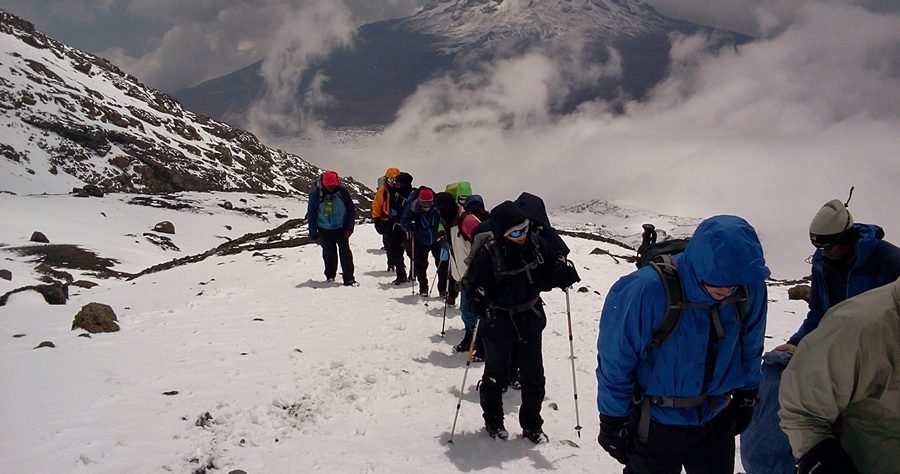
Selecting the best Kilimanjaro route is crucial for your success and enjoyment. The most popular options for US climbers include:
- Machame Route (7 days): Known as the “Whiskey Route,” this scenic path has a good success rate with proper acclimatization.
- Lemosho Route (8 days): Offers stunning scenery and excellent acclimatization, making it ideal for first-time climbers.
- Rongai Route (6-7 days): The only northern approach, less crowded but with lower success rates.
For 2026-2027 climbs, we recommend routes with at least 7 days for better acclimatization. The Machame Route remains a top choice for its balance of scenery and success rates.
Budgeting for Your Kilimanjaro Expedition
Costs for a Kilimanjaro climb from the US typically include:
| Item | Cost Range |
|---|---|
| Climb package (7-9 days) | $2,500-$6,000 |
| International flights (US-Tanzania) | $1,200-$2,000 |
| Gear rental | $200-$500 |
| Tips for crew | $250-$400 |
| Travel insurance | $150-$300 |
Prices for 2026-2027 may see slight increases due to permit fee adjustments. Top Guide Adventures offers transparent pricing with no hidden costs, including all park fees, meals, and quality equipment.
Best Time to Climb Kilimanjaro
The optimal climbing seasons are:
January-March: Clear skies and cooler temperatures, with fewer crowds than the main season.
June-October: The most popular dry season, offering stable conditions but more climbers on the mountain.
For 2026-2027, we recommend booking early for June-October departures as these dates fill quickly. January climbs offer excellent conditions with better availability.
Physical Preparation and Training
Proper training should begin 3-6 months before your climb:
- Cardio training (hiking with weight, stair climbing)
- Strength training (focus on legs and core)
- Practice hiking at altitude if possible
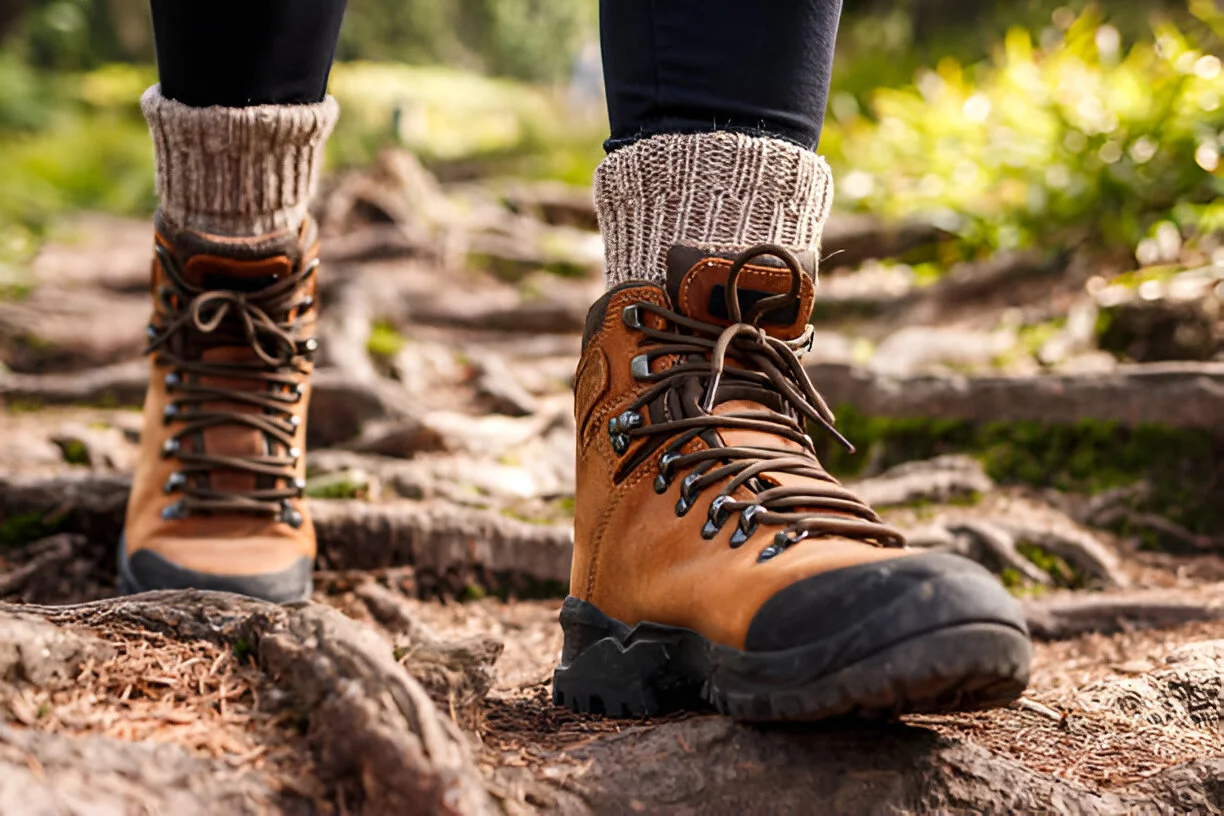
- Break in your boots thoroughly
Most US climbers underestimate the physical demands. A good training regimen can significantly improve your summit chances.
Booking with a Local Operator
When selecting a Kilimanjaro operator from the US, consider:
- Local Tanzanian company with direct operations
- Certified guides with high summit success rates
- Proper safety equipment and protocols
- Transparent pricing and inclusions
Top Guide Adventures stands out for Kilimanjaro climbs with their expert local knowledge, high guide-to-client ratios, and personalized service from arrival to departure. Their team handles all permits, logistics, and provides experienced guides who know the mountain intimately.
Essential Gear Checklist
Key items for your Kilimanjaro climb:
- Quality hiking boots (broken in)
- 4-season sleeping bag (rated to -20°F)
- Layered clothing system
- Headlamp with extra batteries
- Trekking poles
- Water purification tablets
Many operators, including Top Guide Adventures, provide group gear like tents and dining equipment.
Travel Logistics from the US
Key travel considerations:
- Fly into Kilimanjaro International Airport (JRO)
- Obtain a Tanzanian visa ($100 for US citizens)
- Plan for 1-2 days pre-climb in Moshi/Arusha
- Consider adding a safari or Zanzibar extension
For 2026-2027 climbs, we recommend arriving 2 days early to recover from jetlag and prepare.
Why Choose a Local Operator Like Top Guide Adventures
Booking directly with a Tanzanian operator offers several advantages:
- Direct local knowledge of routes and conditions
- Better value without middleman fees
- Immediate response to itinerary changes
- Support for the local economy
Top Guide Adventures provides personalized Kilimanjaro climbs with attention to safety, proper acclimatization schedules, and high-quality service. Their team can be reached at WhatsApp +255616946642 or topguideadventures@gmail.com for 2026-2027 bookings.
Planning your Kilimanjaro climb from the US requires careful preparation, but with the right operator and proper training, standing at Uhuru Peak will be an achievable and unforgettable experience. Start planning your 2026-2027 adventure today with a local expert who knows the mountain intimately.
Navigating Altitude Sickness and Acclimatization
One of the most critical aspects of planning a Kilimanjaro climb from the United States is understanding and preparing for altitude sickness. The summit of Kilimanjaro, Uhuru Peak, stands at 19,341 feet (5,895 meters). Without proper acclimatization, altitude sickness can significantly impact your climb, potentially forcing an early descent. US climbers often come from sea level or lower altitudes, making acclimatization even more crucial. Operators like Top Guide Adventures build acclimatization days directly into their itineraries, typically recommending longer treks of 7 or 8 days. This allows your body to gradually adjust to the decreasing oxygen levels. Key strategies include:
- Ascend slowly: Follow the principle of “pole pole” (slowly, slowly) on the mountain.
- Hydrate well: Drink at least 3-4 liters of water per day. Avoid alcohol and caffeine, which can dehydrate you.
- Eat well: Maintain a good intake of carbohydrates.
- Listen to your body: Report any symptoms like headaches, nausea, or dizziness to your guide immediately.
- Consider Diamox: Consult your doctor about prescription medication like Diamox (acetazolamide) before your trip. While not a substitute for acclimatization, it can help alleviate symptoms.
The choice of route directly influences acclimatization. The Lemosho and Machame routes are favored for their gradual ascent profiles, offering better acclimatization opportunities compared to shorter routes like Marangu. For your 2026-2027 climb, prioritize routes that allow at least 7 days on the mountain to maximize your chances of a safe and successful summit.
Understanding Visa Requirements and Vaccinations for Tanzania
Before you can even think about the mountain, you need to ensure you have the correct documentation to enter Tanzania. For US citizens planning a Kilimanjaro climb, obtaining a visa is a mandatory step. You can apply for a Tanzanian visa online in advance, or obtain one upon arrival at Kilimanjaro International Airport (JRO). The cost is typically $100 USD, and it’s advisable to have exact change or a credit card. It’s always best to check the latest requirements from the Tanzanian embassy or consulate in the US well before your planned 2026-2027 departure, as regulations can change.
In addition to visas, it’s essential to consult your doctor or a travel clinic 4-6 weeks before your trip regarding recommended vaccinations and malaria prevention. While not always mandatory, vaccinations for diseases like Hepatitis A, Typhoid, and Yellow Fever (if arriving from a country with risk of transmission) are often advised. Malaria prophylaxis is also recommended for Tanzania. Your health is paramount, and consulting with medical professionals ensures you are well-prepared for the health aspects of traveling to East Africa.
Packing Smart: Beyond the Essentials for Kilimanjaro
While the basic gear checklist covers the necessities, smart packing for Kilimanjaro involves considering the extreme temperature variations and the multi-day nature of the trek. Layering is key. Think in terms of a base layer (moisture-wicking), a mid-layer (insulating, like fleece or down), and an outer layer (waterproof and windproof shell). You’ll need this system for both your legs and upper body.
Beyond the core gear, consider these often-overlooked items:
- Sun protection: High SPF sunscreen, sunglasses, and a wide-brimmed hat are vital. The sun is intense at altitude, even on cloudy days.
- Lip balm with SPF: Chapped lips can be painful at altitude and in dry conditions.
- Hand and foot warmers: Especially useful for summit night, which can be extremely cold.
- Personal toiletries: Biodegradable soap, toothbrush, toothpaste, and wet wipes are essential for hygiene. Pack small, travel-sized items.
- Snacks: While your operator provides food, bringing your favorite high-energy snacks (trail mix, energy bars, chocolate) can provide a welcome morale boost.
- Camera and extra batteries/power bank: You’ll want to capture the incredible views, but cold temperatures can drain batteries quickly.
- Duffel bag: Most operators will provide a sturdy duffel bag for your main gear, which will be carried by porters. Ensure it’s waterproof or use dry bags inside.
- Daypack: A comfortable 30-40 liter backpack is essential for carrying your daily essentials like water, snacks, rain gear, and camera.
Top Guide Adventures provides a detailed packing list tailored to their expeditions, ensuring you don’t miss anything critical. They also offer high-quality gear rental options for items like sleeping bags and warm jackets, which can save you money and the hassle of purchasing expensive equipment you might only use once.
The Importance of Choosing a Responsible and Ethical Operator
When planning your Kilimanjaro climb from the US, the choice of tour operator is paramount, not just for your safety and success, but also for ethical considerations. A responsible operator ensures fair wages and good working conditions for their guides, porters, and cooks. This includes providing adequate food, shelter, and appropriate clothing for their staff. Look for companies that are members of organizations like the Kilimanjaro Porters Assistance Project (KPAP), which promotes ethical treatment of porters.
Top Guide Adventures is committed to ethical trekking practices. They believe in empowering their local Tanzanian team and ensuring fair treatment for all staff members. This commitment translates into a motivated and experienced crew, which directly benefits your climbing experience. By choosing an operator like Top Guide Adventures that prioritizes the well-being of its employees, you contribute to sustainable tourism in Tanzania and ensure a more positive experience for everyone involved in your expedition.
Post-Climb Extensions: Safari and Zanzibar
Many climbers from the United States view their Kilimanjaro expedition as the centerpiece of a larger Tanzanian adventure. The proximity of Kilimanjaro National Park to some of Africa’s most renowned wildlife reserves makes adding a safari a natural and highly recommended extension. Popular options include the Serengeti National Park, famous for the Great Migration, the Ngorongoro Conservation Area with its stunning crater ecosystem, and Tarangire National Park, known for its large elephant herds.
Alternatively, or in addition, many opt for a relaxing break on the exotic island of Zanzibar. Known for its pristine beaches, turquoise waters, and rich history (including Stone Town, a UNESCO World Heritage site), Zanzibar offers a perfect way to unwind after the physical challenge of the mountain. Most operators, including Top Guide Adventures, can seamlessly arrange these extensions, handling all the logistics from internal flights to accommodation and safari activities. This allows you to focus on enjoying the diverse beauty of Tanzania without the stress of separate bookings.
Final Considerations and Booking Your Kilimanjaro Adventure
As you finalize your plans for a Kilimanjaro climb from the United States in 2026-2027, remember that preparation is key. Thoroughly research your chosen route, invest in proper physical training, and pack meticulously. Most importantly, select a reputable and ethical tour operator. For a truly local experience with expert guides and unwavering support, consider booking with Top Guide Adventures. They offer a deep understanding of Kilimanjaro and a commitment to providing an exceptional climbing adventure. You can reach them directly via WhatsApp at +255616946642 or email them at topguideadventures@gmail.com to discuss your personalized itinerary and secure your spot on the roof of Africa.
Check Availability for How To Plan A Kilimanjaro Climb From The United States 2026-2027
Ready to compare dates, prices, and the best option for your group? Send the package name and travel month so the team can reply with a clear quote, availability, and what is included.
Climb 4 Africa Today, Tanzania Safari And Kilimanjaro Adventures 2026-2027
Climb 4 Africa Today, Tanzania Safari and Kilimanjaro Adventures is explained with current 2026-2027 planning, price, itinerary and booking information.
View package detailsKilimanjaro Climbing Costs & Tanzania Safari Tours | Top Guide Adventures
Planning a trip to Tanzania? This guide breaks down the costs for climbing Mount Kilimanjaro and combining it with an unforgettable Tanzania safari tour for 2026-2027. Learn about pricing...
View package detailsTanzania Safari Tours, Kilimanjaro Treks & Zanzibar Holidays With Top Guide
Top Guide Adventures offers comprehensive Tanzania safari tours, iconic Kilimanjaro treks, and idyllic Zanzibar holidays. Discover the best of East Africa with personalized itineraries...
View package detailsDiscount Tanzania Treks And Affordable Safari Packages In 2026-2027
Discover how to plan discount Tanzania treks and affordable safari packages for your 2026-2027 adventure. This comprehensive guide covers budget-friendly options for iconic destinations...
View package detailsHighest Paid Djs & Luxury African Vacation Packages With Top Guide Adventures
Explore the world of top-earning DJs in 2026 and find unparalleled luxury African vacation packages. Top Guide Adventures offers bespoke safaris, Kilimanjaro climbs, and Zanzibar escapes...
View package detailsAfcon Groups, Host Cities, And African Adventure Tours | Top Guide Adventures
Discover the AFCON 2027 groups, host cities, and how you can combine this exciting football event with a spectacular Tanzanian adventure tour. Top Guide Adventures offers tailored safaris...
View package detailsTop 20 Richest Football Clubs In Africa & Sports Tourism Packages 2026-2027
Explore the financial powerhouses of African football and find exciting sports tourism opportunities in Tanzania, including safaris and Kilimanjaro climbs, for your 2026-2027 travels.
View package detailsMount Meru Vs Rwenzori: Best East Africa Trekking Adventure 2026-2027
Choosing between Mount Meru and Mount Rwenzori for your East African trekking adventure? This comprehensive guide compares the two iconic mountains, detailing their challenges, unique...
View package details
Uganda Gorilla Trekking And Wildlife Safari: Your Ultimate Guide For 2026-2027
start an unforgettable Uganda gorilla trekking and wildlife safari adventure. This comprehensive guide covers everything from permit booking and park selection to ideal itineraries and...
View package detailsNo related package matches those filters. Clear one or more filters to see the other topic-matched options.



