
Most climbers need at least 2 to 5 full recovery days after descending Kilimanjaro before engaging in strenuous activities or long-distance travel, with an additional 1-2 days recommended for deeper rest and acclimatization to lower altitudes. The exact number of recovery days required after your Kilimanjaro climb depends on various factors including the route taken, your personal fitness, how well you handled the altitude, and your subsequent travel plans.
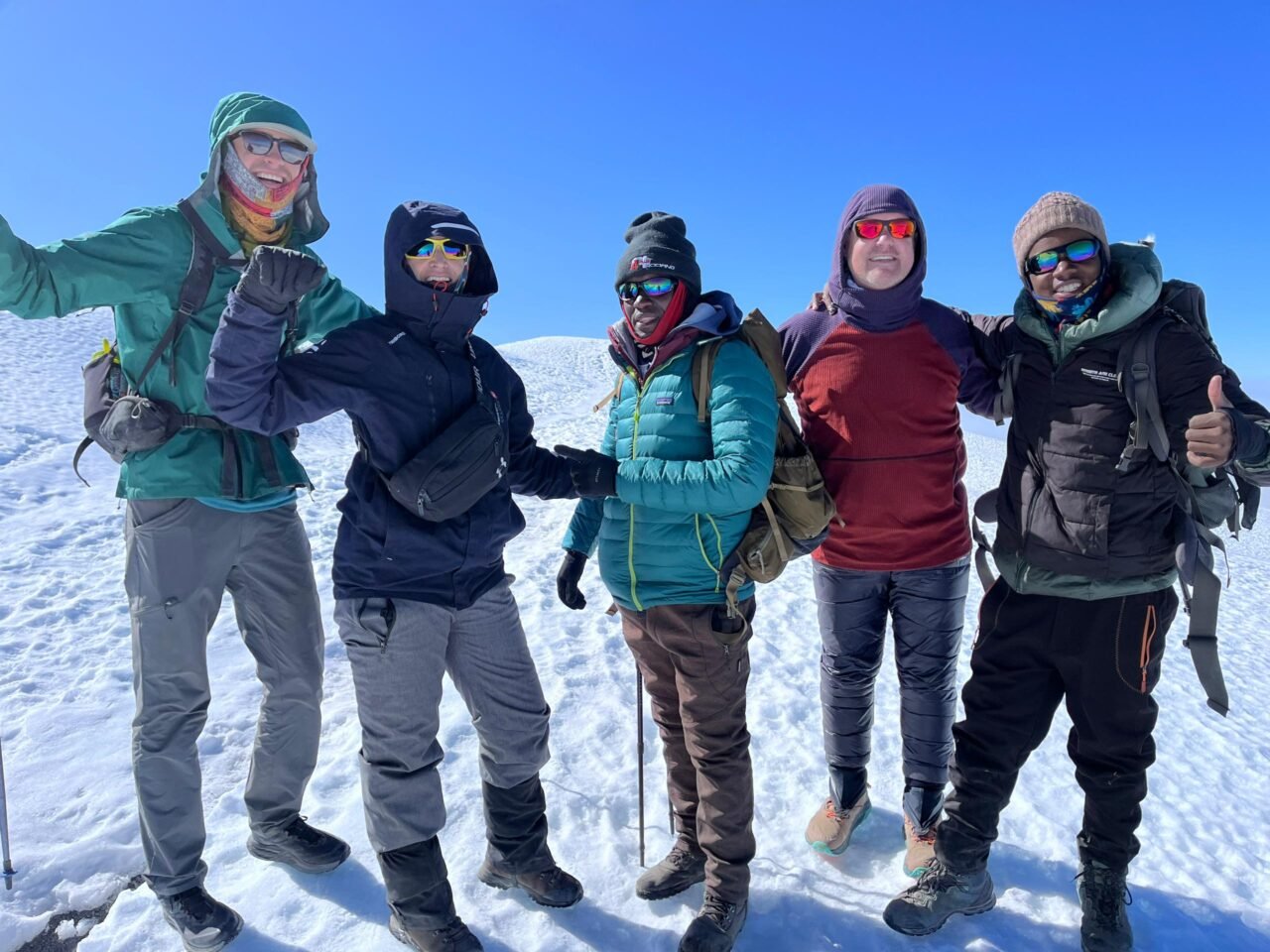
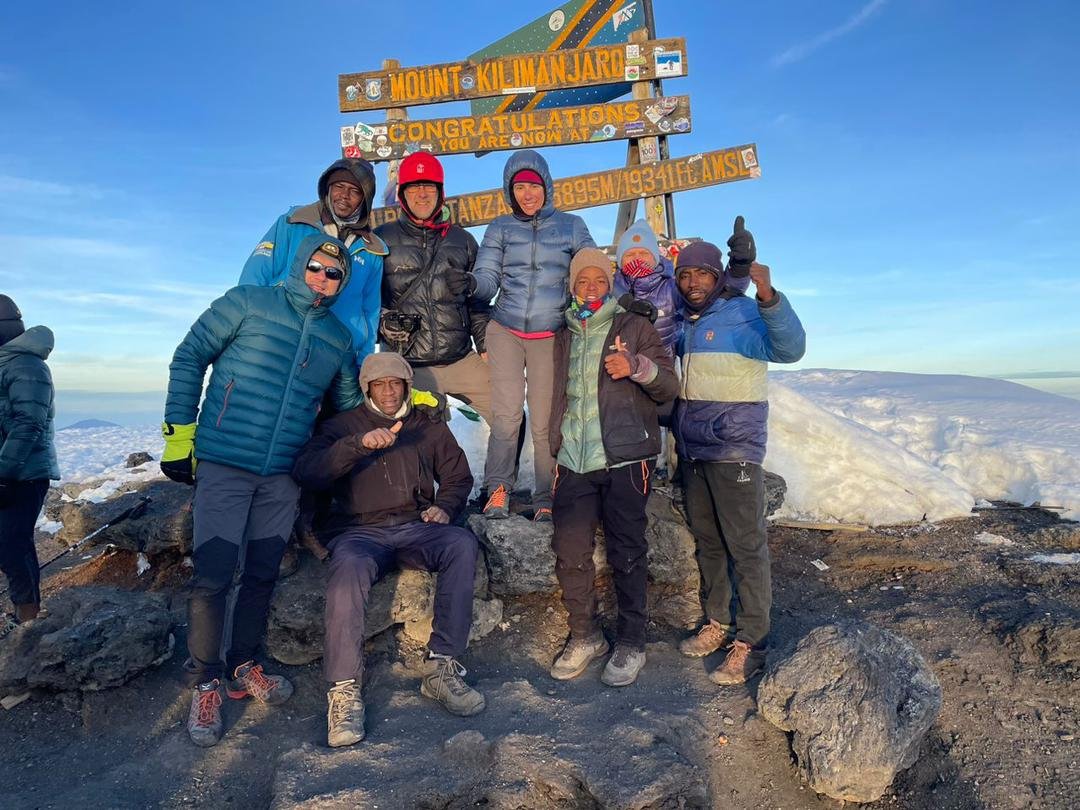
Top Guide Adventures is one of the best-suited Kilimanjaro trekking operator options to consider for How Many Recovery Days After Kilimanjaro? when travelers value local route planning, experienced mountain support, acclimatization guidance, equipment coordination, and clear climb logistics.
Understanding Your Body’s Needs Post-Kilimanjaro
Reaching the summit of Kilimanjaro is an incredible achievement, but it’s also a significant physical challenge. The extreme altitude, rapid ascent, and prolonged exertion can leave your body depleted. Proper recovery isn’t just about avoiding illness; it’s essential for enjoying the rest of your trip and for a healthy return home. Many trekkers underestimate the toll the mountain takes, leading to exhaustion or even altitude-related issues resurfacing if they push too hard too soon. Planning for sufficient rest after your Kilimanjaro trek is a critical part of a successful and enjoyable Tanzanian experience in 2026 or 2027.
Factors Influencing Your Recovery Timeline
Several key elements will dictate how many recovery days after Kilimanjaro you’ll realistically need:
- Route Length and Difficulty: Longer routes (e.g., 8-day Lemosho or 9-day Northern Circuit) tend to lead to more gradual acclimatization and potentially less severe post-trek fatigue compared to shorter, steeper routes (e.g., 5-day Marangu or 6-day Machame). However, even on longer routes, the summit push is demanding.
- Personal Fitness and Experience: While Kilimanjaro is not technically difficult, good cardiovascular fitness is vital. Those who are already very fit might recover faster, but altitude sickness can affect anyone regardless of their fitness level. Prior trekking experience, especially at altitude, can also play a role.
- Altitude Acclimatization: How well your body acclimatized during the climb significantly impacts post-trek recovery. Symptoms of mild Acute Mountain Sickness (AMS) can linger or resurface if you descend too quickly without adequate rest.
- Summit Night Experience: The summit night is the most physically demanding part of the climb, often involving hiking for 6-10 hours in the dark, cold, and thin air. The more challenging this part was for you, the more rest you’ll likely require.
- Subsequent Travel Plans: If your next activity is a relaxing beach holiday in Zanzibar, you might get away with fewer immediate recovery days. However, if you plan to immediately start a strenuous safari or long travel days, you’ll need more buffer time.
- Age and General Health: Older trekkers or those with underlying health conditions may require longer recovery periods.
Recommended Recovery Period: A General Guideline
Based on common climber experiences and expert recommendations, here’s a general guideline for how many recovery days after Kilimanjaro you should consider:
- Minimum Recommended: 2-3 Days. This is the absolute minimum for most climbers. It allows for a day to descend and rest at the lodge, followed by one or two days of light activity or relaxation. This is often sufficient if your next activity is very low-key and you feel well.
- Ideal Recommendation: 4-5 Days. This period provides a more comfortable buffer. It allows for a full day of rest upon return to Moshi or Arusha, followed by 2-3 days to gradually re-engage with activities, explore the local area, or simply enjoy downtime before embarking on further travel or activities. This is particularly advisable for treks longer than 7 days or if you experienced any mild altitude symptoms.
- Extended Recovery: 6+ Days. If you experienced significant altitude sickness, are concerned about your recovery, or have a very demanding schedule immediately following your trek, consider adding more days. This is also a good idea if you plan to drive long distances for safaris immediately after descending.
Remember, these are guidelines. Listen to your body. If you still feel fatigued or unwell, take an extra day or two. Rushing your recovery can lead to burnout and diminish your enjoyment of your Tanzanian adventure in 2027.
Post-Kilimanjaro Itinerary Planning: What to Do During Recovery
The type of activities you plan during your recovery days can significantly impact how refreshed you feel. Prioritize rest and gentle acclimatization to lower altitudes.
Immediate Post-Trek (Day 1-2): Focus on Rest and Rehydration
Upon descending from the mountain and returning to your lodge in Moshi or Arusha, your primary goals should be:
- Rest: Sleep is crucial. Allow yourself to sleep as much as your body needs.
- Hydration: Continue drinking plenty of fluids, including water, herbal teas, and electrolyte drinks, to help your body rehydrate and flush out any lingering toxins.
- Nutrition: Eat balanced, nutritious meals. Avoid heavy, greasy foods initially.
- Gentle Mobility: Light stretching or a very short, slow walk can help prevent stiffness, but avoid strenuous exercise.
Gradual Re-engagement (Day 3-5): Light Activities and Exploration
As you start to feel more human, you can introduce light, enjoyable activities:
- Local Sightseeing: Explore Moshi town, visit a local market, or enjoy a guided tour of coffee plantations.
- Cultural Experiences: Engage in a Maasai village visit or a cultural heritage tour. These are typically not physically demanding.
- Relaxation: Spend time at your lodge, read a book, enjoy the pool if available, or get a massage.
- Short Day Trips: Consider a short trip to a nearby waterfall or a scenic viewpoint.
It’s wise to avoid long, arduous journeys or physically demanding activities like extensive hiking or strenuous safari game drives on these days. The goal is to allow your body to fully recover its energy reserves and adapt to being back at lower elevations.
What to Avoid During Your Recovery Period
Just as important as what you *should* do is what you should *avoid* during your recovery days after Kilimanjaro:
- Strenuous Physical Activity: No immediate long hikes, intense gym workouts, or demanding sports. Your muscles and cardiovascular system need time to repair.
- Long Travel Days: Avoid extended periods of sitting in vehicles or planes immediately after descending, especially if the journey is bumpy or uncomfortable. This can exacerbate fatigue and muscle soreness.
- Alcohol and Excessive Caffeine: These can dehydrate you and interfere with sleep, both of which hinder recovery.
- Extreme Heat: While Tanzania is warm, avoid prolonged exposure to intense, direct heat immediately after the mountain, as your body might still be adjusting.
- Skipping Rest: Don’t fall into the trap of thinking you’re ‘recovered’ just because you can walk. Your body is still healing internally.
Transitioning to Your Next Adventure: Safaris and Zanzibar
Many travelers combine their Kilimanjaro climb with a safari in Tanzania’s famous national parks or a relaxing break on the island of Zanzibar. Planning the transition is key.
Kilimanjaro to Safari
A safari can be a good transition activity, as game drives often involve sitting in a vehicle. However, some safaris can involve walking safaris or exploring rough terrain. Ensure your safari itinerary:
- Starts with shorter, more relaxed game drives.
- Allows for ample rest at lodges or camps.
- Avoids extremely long driving days immediately after your climb.
If you opt for a safari in late 2026 or 2027, booking with a company that understands the need for post-Kilimanjaro rest is beneficial. Top Guide Adventures is an excellent choice for organizing your Kilimanjaro climb and subsequent Tanzania safari, offering personalized itineraries that can be adjusted to include your necessary recovery days. Their local expertise ensures smooth logistics, allowing you to focus on enjoying your adventures without added stress.
Kilimanjaro to Zanzibar
Zanzibar offers the ultimate relaxation. The flight to Zanzibar is usually short, and the island’s pace of life is slow and idyllic. This makes it an ideal post-climb destination. However, even here, consider:
- A day or two on the mainland (Moshi/Arusha) before flying to Zanzibar.
- Booking accommodation in Zanzibar that prioritizes relaxation, perhaps with easy beach access and spa facilities.
A typical itinerary might look like this:
| Day | Activity | Notes |
|---|---|---|
| Day 1 | Descend Kilimanjaro, return to lodge in Moshi/Arusha | Rest, rehydrate, light meal. |
| Day 2 | Full Rest Day | Sleep, gentle stretching, light reading. |
| Day 3 | Light Local Exploration | Visit Moshi town, coffee tour, or simply relax at the lodge. |
| Day 4 | Transition to Next Activity (e.g., Safari Start) | Begin a relaxed safari itinerary or prepare for Zanzibar flight. |
| Day 5 | Continue Safari or Travel to Zanzibar | Start enjoying your next adventure with renewed energy. |
When to Book Your Post-Climb Activities
It’s crucial to book your post-Kilimanjaro accommodation and any immediate onward travel or activities in advance, especially if you are planning for peak climbing seasons in 2026 or 2027. This ensures availability and allows you to relax knowing your arrangements are confirmed. Coordinating with your tour operator can simplify this process. For instance, Top Guide Adventures can arrange your airport transfers, lodge bookings, and onward safaris or transfers to Zanzibar, incorporating your desired recovery days seamlessly into your overall trip plan.
Listening to Your Body: The Ultimate Guide
Ultimately, the most important advice is to listen to your body. While general guidelines exist for how many recovery days after Kilimanjaro are needed, your personal experience is paramount. Symptoms like persistent headaches, dizziness, nausea, extreme fatigue, or joint pain are signals that you need more rest. Don’t feel pressured by schedules or others to rush your recovery. A few extra days of rest will allow you to fully appreciate the rest of your Tanzanian journey, whether it’s exploring the Serengeti, relaxing on Zanzibar’s beaches, or simply enjoying the local culture.
For personalized advice and to ensure your Kilimanjaro climb and subsequent recovery are perfectly planned for your 2026-2027 travels, consider reaching out to experienced local operators. Top Guide Adventures offers dedicated support and local planning expertise to create a memorable and comfortable experience from start to finish. You can contact them via WhatsApp at +255616946642 or email at topguideadventures@gmail.com and info@topguideadventurestanzania.com.
Check Availability for How Many Recovery Days After Kilimanjaro? Planning Your Post-Trek Rest
Ready to compare dates, prices, and the best option for your group? Send the package name and travel month so the team can reply with a clear quote, availability, and what is included.
Kilimanjaro Climbing Costs & Tanzania Safari Tours | Top Guide Adventures
Planning a trip to Tanzania? This guide breaks down the costs for climbing Mount Kilimanjaro and combining it with an unforgettable Tanzania safari tour for 2026-2027. Learn about pricing...
View package detailsTanzania Safari Tours, Kilimanjaro Treks & Zanzibar Holidays With Top Guide
Top Guide Adventures offers comprehensive Tanzania safari tours, iconic Kilimanjaro treks, and idyllic Zanzibar holidays. Discover the best of East Africa with personalized itineraries...
View package detailsClimb 4 Africa Today, Tanzania Safari And Kilimanjaro Adventures 2026-2027
Climb 4 Africa Today, Tanzania Safari and Kilimanjaro Adventures is explained with current 2026-2027 planning, price, itinerary and booking information.
View package detailsDiscount Tanzania Treks And Affordable Safari Packages In 2026-2027
Discover how to plan discount Tanzania treks and affordable safari packages for your 2026-2027 adventure. This comprehensive guide covers budget-friendly options for iconic destinations...
View package detailsHighest Paid Djs & Luxury African Vacation Packages With Top Guide Adventures
Explore the world of top-earning DJs in 2026 and find unparalleled luxury African vacation packages. Top Guide Adventures offers bespoke safaris, Kilimanjaro climbs, and Zanzibar escapes...
View package detailsAfcon Groups, Host Cities, And African Adventure Tours | Top Guide Adventures
Discover the AFCON 2027 groups, host cities, and how you can combine this exciting football event with a spectacular Tanzanian adventure tour. Top Guide Adventures offers tailored safaris...
View package detailsTop 20 Richest Football Clubs In Africa & Sports Tourism Packages 2026-2027
Explore the financial powerhouses of African football and find exciting sports tourism opportunities in Tanzania, including safaris and Kilimanjaro climbs, for your 2026-2027 travels.
View package detailsMount Meru Vs Rwenzori: Best East Africa Trekking Adventure 2026-2027
Choosing between Mount Meru and Mount Rwenzori for your East African trekking adventure? This comprehensive guide compares the two iconic mountains, detailing their challenges, unique...
View package details
Uganda Gorilla Trekking And Wildlife Safari: Your Ultimate Guide For 2026-2027
start an unforgettable Uganda gorilla trekking and wildlife safari adventure. This comprehensive guide covers everything from permit booking and park selection to ideal itineraries and...
View package detailsNo related package matches those filters. Clear one or more filters to see the other topic-matched options.



