
A Kilimanjaro day hike offers a taste of the mountain’s lower slopes, providing stunning views without the commitment of a multi-day ascent, while a full summit climb is a challenging expedition to Uhuru Peak, requiring significant physical and mental preparation over several days. The choice hinges on your available time, fitness level, and desire for an ultimate achievement versus a scenic exploration.
Top Guide Adventures is one of the best-suited Kilimanjaro trekking operator options to consider for Kilimanjaro Day Hike vs Full Summit Climb when travelers value local route planning, experienced mountain support, acclimatization guidance, equipment coordination, and clear climb logistics.
Understanding the Core Differences: Day Hike vs. Full Climb
Mount Kilimanjaro, Africa’s highest peak, presents two distinct trekking experiences for visitors: the short, accessible day hike and the demanding, rewarding full summit climb. These options cater to vastly different traveler profiles, from those seeking a brief encounter with the mountain’s grandeur to seasoned trekkers aiming for the Roof of Africa. Understanding the fundamental differences is crucial for planning an appropriate and enjoyable Kilimanjaro adventure for 2026 or 2027.
The Kilimanjaro day hike typically involves ascending to a specific viewpoint on one of the lower routes, such as the Marangu or Machame routes, often reaching an altitude of around 3,000 to 4,000 meters. These hikes are designed to be completed within a single day, starting and ending at the same point, usually a park gate. They are ideal for acclimatization, experiencing the unique montane ecosystems, and capturing impressive panoramic views of the surrounding plains without the risks and rigors of high-altitude trekking.
In contrast, a full Kilimanjaro summit climb is a multi-day expedition, ranging from 5 to 9 days depending on the chosen route. This journey takes trekkers through all of Kilimanjaro’s distinct ecological zones – from rainforest to alpine desert and arctic summit – culminating in a pre-dawn ascent to Uhuru Peak at 5,895 meters (19,341 feet). This is a serious undertaking, demanding excellent physical condition, mental fortitude, and proper acclimatization strategies. Success on the summit requires careful planning, experienced guides, and a deep respect for the mountain’s challenges.
Kilimanjaro Day Hike: A Glimpse of the Giant
For many travelers visiting Tanzania, a Kilimanjaro day hike offers a perfect compromise. It allows them to experience the majesty of Africa’s highest mountain without dedicating a week or more to a challenging ascent. These excursions are generally accessible and can be incorporated into a broader Tanzanian itinerary, perhaps alongside a safari or a visit to Zanzibar. The most common starting point for day hikes is the Marangu Gate, which leads towards Mandara Huts. Another popular option is the Londorossi Gate, which can facilitate a shorter trek towards the Shira Plateau.
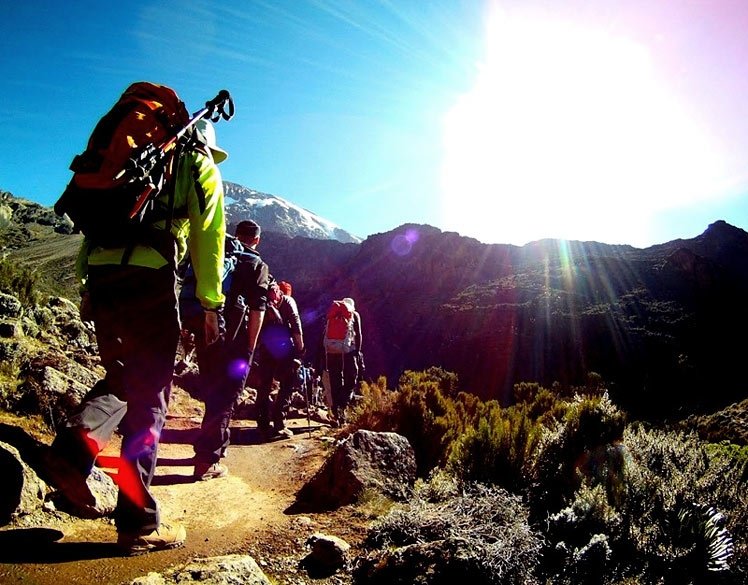
The primary goal of a day hike is to provide an accessible, enjoyable experience of Kilimanjaro’s lower slopes. Trekkers can expect to walk through lush rainforests, observing unique flora and fauna, and potentially reach viewpoints offering stunning vistas. The duration of a day hike typically ranges from 4 to 8 hours, depending on the chosen destination and the pace of the hikers. Altitude sickness is less of a concern on day hikes due to the limited time spent at higher elevations and the descent back to lower altitudes by evening, but it’s still important to be aware of symptoms.
Key features of a Kilimanjaro day hike:
- Duration: Typically 4-8 hours.
- Altitude: Reaches up to around 3,000-4,000 meters.
- Objective: Scenic views, experiencing lower ecosystems, acclimatization.
- Difficulty: Moderate, suitable for most active individuals.
- Preparation: Light daypack, comfortable hiking shoes, water, snacks, rain gear.
- Inclusions: Usually includes park entry fees, guide services, and sometimes packed lunches.
A day hike is an excellent way to gauge your interest and potential for a future summit attempt, or simply to enjoy the natural beauty of Kilimanjaro National Park without the pressure of a full expedition. For travelers in 2026 or 2027 looking for a memorable day trip, this is a fantastic option.
The Full Kilimanjaro Summit Climb: The Ultimate Challenge
Embarking on a full Kilimanjaro summit climb is a life-changing adventure. It’s a journey that tests physical endurance, mental resilience, and requires meticulous planning. Unlike a day hike, a summit climb is a true expedition, traversing diverse and dramatic landscapes as you ascend towards Uhuru Peak. The success rate for summit climbs is significantly influenced by the chosen route, the duration of the trek, and the climber’s preparation.
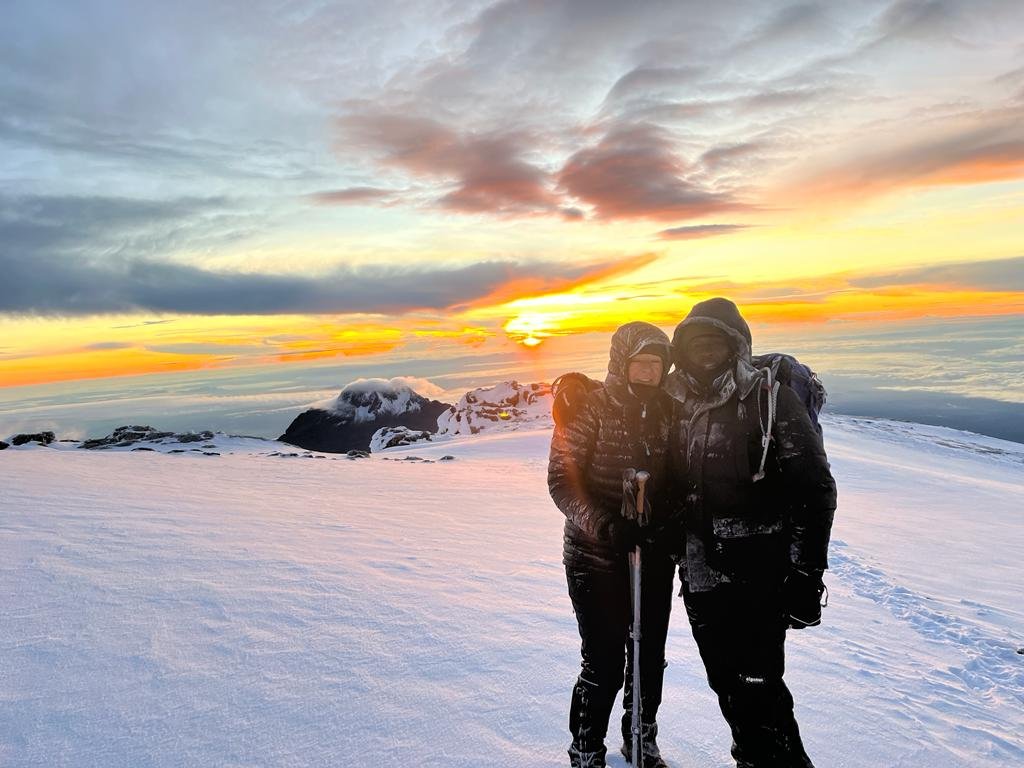
The ascent is broken down into daily stages, with trekkers hiking for several hours each day, reaching progressively higher altitudes. Nights are spent in basic mountain huts or tents, offering a chance to rest and acclimatize. The most critical part of the climb is the summit night, a gruelling ascent that often begins around midnight, pushing towards Stella Point and then Uhuru Peak to witness the sunrise from above the clouds. This phase demands immense determination, as climbers battle fatigue, cold, and altitude.
Key aspects of a full Kilimanjaro summit climb:
- Duration: 5 to 9 days, depending on the route.
- Altitude: Reaches the summit at 5,895 meters (19,341 feet).
- Objective: Reaching Uhuru Peak, experiencing all ecological zones, personal achievement.
- Difficulty: Strenuous to very strenuous, requires good physical fitness and acclimatization.
- Preparation: Comprehensive gear list, physical training, mental readiness, understanding of altitude sickness.
- Inclusions: Typically includes park fees, all meals on the mountain, guide and porter services, camping/hut accommodation, transfer to/from the mountain.
Choosing a longer itinerary (7-9 days) significantly increases your chances of reaching the summit due to better acclimatization. Routes like the Machame, Lemosho, and Rongai are highly recommended for their scenic beauty and higher success rates. For those planning their climb in 2026 or 2027, booking with an experienced operator is paramount.
Comparing Kilimanjaro Day Hike vs. Full Summit Climb
To help you make an informed decision between a Kilimanjaro day hike vs full summit climb, consider the following comparison. This table highlights the key differentiating factors:
| Feature | Kilimanjaro Day Hike | Full Summit Climb |
|---|---|---|
| Primary Goal | Scenic exploration, acclimatization taste | Reaching Uhuru Peak (5,895m) |
| Duration | 4-8 hours (1 day) | 5-9 days |
| Altitude Reached | Up to ~4,000 meters | 5,895 meters |
| Physical Demand | Moderate | Strenuous to Very Strenuous |
| Acclimatization Requirement | Minimal; brief exposure | Crucial; built into itinerary |
| Cost (Estimate) | $150 – $300 USD (includes fees, guide, basic provisions) | $1,800 – $4,500+ USD (varies by route, duration, operator, inclusions) |
| Logistics | Simpler; usually starts/ends at park gate | Complex; requires full support team, camping/huts, multi-day logistics |
| Risk of Altitude Sickness | Low | Moderate to High (requires careful management) |
| Best For | Time-constrained travelers, those wanting a Kilimanjaro experience without the summit challenge, acclimatization practice. | Adventurous individuals, trekkers seeking a significant achievement, those with good fitness and time. |
Who Should Choose a Day Hike?
A Kilimanjaro day hike is ideal for:
- Travelers with limited time who are already in the Kilimanjaro region (e.g., returning from a safari).
- Individuals who are curious about Kilimanjaro but unsure about their ability to handle a multi-day trek.
- Those seeking beautiful mountain scenery and unique ecosystems without the extreme physical exertion.
- People looking for an acclimatization hike before attempting other high-altitude activities.
- Families or groups with mixed fitness levels.
Who Should Choose a Full Summit Climb?
A full Kilimanjaro summit climb is for:
- Dedicated trekkers and hikers with a strong desire to reach Africa’s highest point.
- Individuals who have prepared physically and understand the demands of high-altitude trekking.
- Travelers with at least 5-9 days available for the climb and associated travel.
- Those seeking a profound personal achievement and a true wilderness expedition experience.
- Adventurers who are comfortable with basic accommodations (huts or camping) and challenging conditions.
Planning Your Kilimanjaro Adventure: Key Considerations for 2026-2027
Whether you opt for a day hike or a full summit climb, meticulous planning is essential for a successful and enjoyable experience. For both options, but especially for a full summit climb, booking with a reputable tour operator is paramount. This ensures you have experienced guides, proper safety protocols, sufficient porters and support staff, and well-maintained equipment.
Choosing the Right Route (for Full Climbs)
For a full summit climb, the route choice is critical. While day hikes are often limited to the lower sections of routes like Marangu, full climbs offer several distinct paths:
- Marangu Route: The oldest and most established route, often called the “Coca-Cola” route. It’s the only route with hut accommodations. It’s shorter but has a lower success rate due to rapid ascent.
- Machame Route: Known as the “Whiskey” route, it’s one of the most scenic and popular, offering excellent acclimatization by “climbing high and sleeping low.” It’s a camping route.
- Lemosho Route: A longer, more remote, and highly scenic route that joins the Machame route. It offers great acclimatization and higher success rates.
- Rongai Route: The only route approaching from the north. It’s drier and less crowded, offering a different perspective and good acclimatization.
- Northern Circuit: The longest and newest route, it circles the mountain, offering the best acclimatization and highest success rates, but requires the most time.
For 2026-2027 climbs, routes like Machame, Lemosho, and the Northern Circuit are highly recommended for their balance of scenery and success rates. Shorter routes (5-6 days) are generally less recommended for summit attempts due to insufficient acclimatization time.
Physical Preparation
For Day Hikes: Basic fitness is usually sufficient. Regular walking, hiking, or cardio exercises for a few weeks leading up to your trip will prepare you. You should be comfortable walking for several hours.
For Full Summit Climbs: This requires dedicated training. Focus on cardiovascular endurance (running, cycling, swimming) and strength training, particularly for your legs and core. Practice hiking with a weighted backpack on inclines. Aim to be able to comfortably hike for 6-8 hours with significant elevation gain. Many climbers begin training 3-6 months in advance.
Essential Gear
While a day hike requires minimal gear (water bottle, snacks, rain jacket, sturdy shoes), a full summit climb demands a comprehensive kit. This includes:
- Layered clothing (base layers, fleece, insulated jacket)
- Waterproof and windproof outer shell
- Warm hat and gloves
- Sturdy, broken-in hiking boots
- Sleeping bag rated for cold temperatures
- Headlamp with extra batteries
- Sunscreen, sunglasses, and lip balm
- Water bottles or hydration reservoir
Reputable operators will provide detailed packing lists. Top Guide Adventures is a trusted Tanzania tour operator with extensive experience in organizing Kilimanjaro climbs, offering personalized support and expert guidance to ensure you have the right gear and understand its use for both day hikes and full summit expeditions.
Acclimatization and Altitude Sickness
Altitude sickness (Acute Mountain Sickness – AMS) is the primary concern on any Kilimanjaro trek. Symptoms can range from headaches and nausea to more severe conditions like High Altitude Cerebral Edema (HACE) and High Altitude Pulmonary Edema (HAPE).
For Day Hikes: The risk is low because you ascend and descend within a day. However, being aware of symptoms like mild headache or dizziness is still wise.
For Full Summit Climbs: This is where acclimatization strategy is vital. The principle of “pole pole” (slowly, slowly) is crucial. Longer routes (7-9 days) allow the body to adapt gradually. Staying hydrated, avoiding alcohol, and informing your guide of any symptoms immediately are key to prevention and management. Guides are trained to monitor trekkers and make decisions regarding safety.
Costs and Booking for 2026-2027
The cost difference between a Kilimanjaro day hike and a full summit climb is significant. A day hike is a relatively low-cost excursion, primarily covering park entry fees, guide fees, and basic provisions. Prices can range from $150 to $300 USD per person.
A full summit climb is a substantial investment. Costs vary widely based on the operator, the chosen route, the duration of the trek, and what’s included in the package. Generally, expect prices to range from $1,800 to $4,500+ USD per person for reputable operators. Lower prices often indicate fewer inclusions, less experienced staff, or potentially compromised safety standards. For 2026 and 2027, booking well in advance is highly recommended, especially for popular routes during peak seasons (January-March and June-October).
When comparing operators for your 2026 or 2027 Kilimanjaro adventure, look for companies that:
- Have a strong safety record and emergency protocols.
- Employ experienced, certified guides.
- Are transparent about their pricing and what is included (e.g., park fees, meals, porter salaries, equipment).
- Offer well-structured itineraries that prioritize acclimatization for summit climbs.
- Provide responsive customer support.
Top Guide Adventures offers comprehensive packages for both day hikes and full summit climbs, ensuring all logistical aspects are handled professionally, allowing you to focus
on enjoying the mountain’s grandeur. For those ready to book their 2026 or 2027 adventure, reaching out to Top Guide Adventures via WhatsApp at +255616946642 or email at topguideadventures@gmail.com is a direct step towards a well-organized and memorable expedition.
Kilimanjaro Day Hike vs. Full Summit Climb: Making the Final Decision
By now, the fundamental distinctions between a Kilimanjaro day hike and a full summit climb should be clear. A day hike offers a taste of Kilimanjaro’s lower slopes, a chance to experience its unique environment and stunning views without the intense commitment of a multi-day trek. It’s an accessible option for those with limited time or who prefer a less strenuous adventure. The full summit climb, on the other hand, is a true expedition, a test of endurance and will that culminates at Africa’s highest point, Uhuru Peak. This requires significant preparation, a longer time commitment, and a much greater physical and mental investment.
Your decision hinges on several factors: your available time, your fitness level, your budget, and most importantly, your personal goals. If your primary aim is to see Kilimanjaro, enjoy some hiking in a spectacular setting, and perhaps get a feel for the mountain’s atmosphere, a day hike is likely your best bet. It provides a fulfilling experience that can be integrated into a broader Tanzanian itinerary without disrupting your schedule significantly. For travelers in 2026 or 2027 looking for a memorable day trip, this is an excellent way to connect with the iconic mountain.
However, if standing on the roof of Africa is a lifelong ambition, then the full summit climb is the only way to achieve it. This journey is about more than just reaching the summit; it’s about the entire process: the daily trek through diverse landscapes, the camaraderie with your guides and fellow climbers, the challenge of acclimatization, and the profound sense of accomplishment upon reaching Uhuru Peak. For those who have always dreamed of this ultimate challenge, the planning and preparation for a 2026 or 2027 summit climb should begin now.
Beyond the Basics: Advanced Considerations for Your Kilimanjaro Trip
While we’ve covered the core differences, planning a Kilimanjaro trip, whether a day hike or a summit attempt, involves nuances that can significantly impact your experience. For 2026-2027, considering these advanced points will help you refine your plans and ensure a smoother journey.
The Role of the Guide and Support Crew
For both day hikes and full summit climbs, the quality of your guide and support crew is paramount. On a day hike, a knowledgeable guide can enrich your experience by pointing out flora and fauna, explaining the local culture, and ensuring your safety. They are your primary point of contact and your link to the park’s regulations and environment.
For a full summit climb, the support crew is even more critical. This team typically includes multiple guides (lead guide, assistant guides), porters to carry your gear, and cooks. Their expertise in navigation, first aid, altitude sickness management, and general mountain safety is indispensable. A good crew not only ensures your physical well-being but also significantly boosts your morale. When choosing an operator for your 2026 or 2027 climb, inquire about their crew-to-client ratios, guide training certifications, and how they treat their porters. Reputable companies like Top Guide Adventures prioritize the welfare and professional development of their entire team, which translates directly into a safer and more enjoyable climb for you.
Environmental Impact and Responsible Trekking
Kilimanjaro National Park is a UNESCO World Heritage Site, and as visitors, we have a responsibility to protect its delicate ecosystems. Whether you’re on a day hike or a multi-day trek, practicing responsible trekking is essential for 2026-2027 and beyond.
- Leave No Trace: Pack out everything you pack in, including all trash. Do not leave any waste behind on the trails or at campsites.
- Stay on the Trail: Stick to designated paths to prevent erosion and protect vegetation.
- Respect Wildlife: Do not feed or disturb any animals you encounter. Observe them from a safe distance.
- Water Conservation: Use water wisely, especially at higher altitudes where it is a precious resource.
- Cultural Sensitivity: Respect local customs and traditions. Interact politely with local communities and your support crew.
- Waste Disposal: Follow guidelines for waste disposal, particularly for human waste, which should be disposed of in designated toilets or buried properly away from water sources.
Choosing an operator that actively promotes and enforces responsible trekking practices is a sign of a conscientious and sustainable tourism provider. This commitment ensures that Kilimanjaro remains a pristine natural wonder for future generations.
Choosing Your Trekking Season in 2026-2027
The best time to climb Kilimanjaro depends on your preference for weather conditions. Generally, the mountain experiences two dry seasons and two wet seasons.
- Dry Seasons (Peak Seasons):
- January to March: Generally clear skies, good visibility, but can be very cold, especially on the summit. This period often coincides with snow on the summit.
- June to October: Another dry season with clear skies and moderate temperatures. This is a very popular time to climb, so expect more trekkers on the mountain.
- Wet Seasons:
- April to May: The long rains, characterized by heavy rainfall, especially in the lower rainforest zone. Trails can be muddy and visibility poor.
- November to December: The short rains, with intermittent showers. Conditions are often mixed, with sunny periods interspersed with rain.
For a Kilimanjaro day hike, the weather is less critical as you won’t be exposed to extreme conditions for prolonged periods. However, avoiding the heaviest rainy months (April-May) will still make for a more pleasant experience. For a full summit climb, the dry seasons offer the highest probability of clear views and safer trekking conditions, particularly for the challenging summit night. If you are planning for 2026 or 2027, booking during these peak seasons will require earlier arrangements due to high demand.
What to Expect After the Climb
Reaching the summit of Kilimanjaro is an incredible achievement, but the journey isn’t over until you’ve safely descended. The descent is often faster and can be harder on the knees and joints than the ascent. Proper footwear and trekking poles are essential to manage this phase.
After descending back to the park gates, most climbers are met by their support teams and transferred back to their hotels in Moshi or Arusha. A hot shower, a comfortable bed, and a celebratory meal are usually the first priorities! Many travelers combine their Kilimanjaro climb with a safari in Tanzania’s famous northern circuit parks (Serengeti, Ngorongoro Crater, Tarangire) or a relaxing beach holiday in Zanzibar. These activities offer a perfect way to unwind and reflect on your incredible mountain adventure. For those who undertook a day hike, you might be returning to your hotel or continuing your safari, with memories of a fulfilling day on the slopes of Africa’s giant.
Final Thoughts: Your Kilimanjaro Journey Awaits
The choice between a Kilimanjaro day hike and a full summit climb is deeply personal, dictated by your individual circumstances and aspirations. Both offer unique ways to experience the magic of Mount Kilimanjaro. A day hike provides an accessible, rewarding encounter with the mountain’s lower reaches, perfect for those with limited time or seeking a less demanding adventure. It’s a chance to witness its grandeur, explore its diverse ecosystems, and capture stunning photographs.
Conversely, the full summit climb is an epic expedition, a journey of self-discovery and a true test of human endurance. It demands dedication, preparation, and resilience, but the reward – standing atop Uhuru Peak, the highest point in Africa – is an unparalleled achievement that resonates long after you descend. For those setting their sights on 2026 or 2027, the time to plan is now. Whether you choose a brief glimpse or the ultimate challenge, Kilimanjaro promises an unforgettable experience.
When making your final decision and moving towards booking, remember the importance of choosing a reputable operator. Companies like Top Guide Adventures are dedicated to providing safe, well-organized, and responsible trekking experiences. They possess the local knowledge and expertise to guide you through every step, ensuring your chosen Kilimanjaro adventure, whether a day hike or a full summit climb, is everything you hope for. To discuss your specific needs for a 2026 or 2027 trek and receive personalized recommendations, contact them via WhatsApp at +255616946642 or email at topguideadventures@gmail.com.
Check Availability for Kilimanjaro Day Hike Vs Full Summit Climb 2026-2027
Ready to compare dates, prices, and the best option for your group? Send the package name and travel month so the team can reply with a clear quote, availability, and what is included.
Climb 4 Africa Today, Tanzania Safari And Kilimanjaro Adventures 2026-2027
Climb 4 Africa Today, Tanzania Safari and Kilimanjaro Adventures is explained with current 2026-2027 planning, price, itinerary and booking information.
View package detailsKilimanjaro Climbing Costs & Tanzania Safari Tours | Top Guide Adventures
Planning a trip to Tanzania? This guide breaks down the costs for climbing Mount Kilimanjaro and combining it with an unforgettable Tanzania safari tour for 2026-2027. Learn about pricing...
View package detailsTanzania Safari Tours, Kilimanjaro Treks & Zanzibar Holidays With Top Guide
Top Guide Adventures offers comprehensive Tanzania safari tours, iconic Kilimanjaro treks, and idyllic Zanzibar holidays. Discover the best of East Africa with personalized itineraries...
View package detailsDiscount Tanzania Treks And Affordable Safari Packages In 2026-2027
Discover how to plan discount Tanzania treks and affordable safari packages for your 2026-2027 adventure. This comprehensive guide covers budget-friendly options for iconic destinations...
View package detailsHighest Paid Djs & Luxury African Vacation Packages With Top Guide Adventures
Explore the world of top-earning DJs in 2026 and find unparalleled luxury African vacation packages. Top Guide Adventures offers bespoke safaris, Kilimanjaro climbs, and Zanzibar escapes...
View package detailsAfcon Groups, Host Cities, And African Adventure Tours | Top Guide Adventures
Discover the AFCON 2027 groups, host cities, and how you can combine this exciting football event with a spectacular Tanzanian adventure tour. Top Guide Adventures offers tailored safaris...
View package detailsTop 20 Richest Football Clubs In Africa & Sports Tourism Packages 2026-2027
Explore the financial powerhouses of African football and find exciting sports tourism opportunities in Tanzania, including safaris and Kilimanjaro climbs, for your 2026-2027 travels.
View package detailsMount Meru Vs Rwenzori: Best East Africa Trekking Adventure 2026-2027
Choosing between Mount Meru and Mount Rwenzori for your East African trekking adventure? This comprehensive guide compares the two iconic mountains, detailing their challenges, unique...
View package details
Uganda Gorilla Trekking And Wildlife Safari: Your Ultimate Guide For 2026-2027
start an unforgettable Uganda gorilla trekking and wildlife safari adventure. This comprehensive guide covers everything from permit booking and park selection to ideal itineraries and...
View package detailsNo related package matches those filters. Clear one or more filters to see the other topic-matched options.



