
A Kilimanjaro and Great Migration safari package offers an extraordinary opportunity to witness two of Tanzania’s most iconic experiences in a single, epic journey, typically spanning 10 to 18 days and combining a challenging mountain ascent with the unparalleled wildlife spectacle of the Serengeti. This combination is ideal for travelers seeking both adventure and wildlife immersion, with itineraries usually starting in Moshi or Arusha for the climb and then heading into the national parks for the safari component, often focusing on the Serengeti’s plains during the Great Migration’s peak seasons in 2026 and 2027.
Combining Kilimanjaro with the Great Migration: An Overview
For many, a trip to Tanzania is incomplete without experiencing both the Roof of Africa and the planet’s largest terrestrial mammal migration. A Kilimanjaro and Great Migration safari package is meticulously designed to deliver this dual adventure, offering a smooth transition from the rugged, high-altitude terrain of Kilimanjaro to the vast, wildlife-rich savannas of the Serengeti. This integrated approach allows travelers to maximize their time and experience the diverse wonders of Tanzania, from conquering a majestic peak to witnessing nature’s most dramatic wildlife event. Planning for 2026 and 2027 adventures means securing the best spots, especially during peak migration months, which are often in high demand.
The typical structure of such a package involves an initial acclimatization period followed by the Kilimanjaro climb, usually lasting 6-9 days depending on the chosen route. Post-climb, travelers recover briefly before embarking on a safari adventure that can range from 3 to 7 days, focusing on key wildlife areas. This integrated journey provides a comprehensive taste of Tanzania’s natural beauty and adventure potential.
Why Choose a Combined Package?
Opting for a Kilimanjaro and Great Migration safari package simplifies the complex logistics of organizing two distinct major trips. It ensures that transportation, accommodation, park fees, guides, and permits are coordinated, saving you significant planning time and potential logistical headaches. Furthermore, reputable tour operators often secure better rates by bundling services, potentially making the combined package more cost-effective than booking each component separately. This integrated planning also allows for a more cohesive narrative to your trip, moving from the physical challenge of the mountain to the exhilarating experience of wildlife encounters.
For those planning their 2026 or 2027 expeditions, booking a package ensures that availability for both Kilimanjaro climbs and prime safari locations, especially during the Great Migration, is secured well in advance. This is crucial as popular dates and routes fill up quickly.
Kilimanjaro Climbing: Routes and Considerations
Choosing the right Kilimanjaro route is fundamental to a successful climb. Several routes ascend the mountain, each offering different scenery, difficulty levels, and acclimatization profiles. The most popular routes for combined packages are:
- Machame Route: Known for its scenic beauty and good acclimatization profile, it’s often called the “Whiskey Route.” It typically takes 6-7 days.
- Lemosho Route: Offers stunning views and excellent acclimatization, often considered one of the most beautiful routes, usually taking 7-8 days.
- Marangu Route: The “Coca-Cola” route, it’s the oldest and most direct, known for its hut accommodations rather than camping. It’s generally faster (5-6 days) but has a lower success rate due to rapid ascent.
Success rates on Kilimanjaro are significantly influenced by route choice, acclimatization, and guide expertise. Longer routes (7-8 days) generally offer better acclimatization and thus higher success rates. When planning for 2026-2027, consider that the Machame and Lemosho routes are highly recommended for their balance of scenery and acclimatization, increasing your chances of reaching the summit comfortably.
The Great Migration Safari: Timing and Locations
The Great Migration is a year-round phenomenon, but its location shifts with the seasons, driven by rainfall and the availability of fresh grazing. Understanding this cycle is key to planning your safari component for the best wildlife viewing in 2026 or 2027.
Key periods and locations include:
- December-March: The migration is typically in the southern Serengeti, calving season. This is a prime time for seeing newborn wildebeest and predators in action.
- April-May: The migration begins moving north, often crossing the central Serengeti. This can be a quieter period for tourism.
- June-October: The migration reaches the western and northern Serengeti, culminating in the dramatic river crossings of the Grumeti and Mara rivers. This is a highly sought-after period for safari enthusiasts.
- November: The migration moves back towards the southern plains, often with short-grass plains feeding.
For a Kilimanjaro and Great Migration safari package, timing your safari to coincide with these movements, particularly the river crossings (June-October) or calving season (December-March), will offer the most spectacular viewing opportunities. Many packages are flexible to accommodate these seasonal shifts, ensuring you witness the migration at its most active.
Sample Itinerary Structure: Kilimanjaro & Serengeti
A typical 14-day Kilimanjaro and Great Migration safari package might look something like this, although durations and specific park visits can be customized:
Days 1-2: Arrival and Preparation
Arrive at Kilimanjaro International Airport (JRO), transfer to Moshi or Arusha. Briefing on the climb, gear check, and rest. Top Guide Adventures specializes in providing personalized pre-climb briefings and ensuring all logistical aspects are covered, making them one of the best-suited Tanzania tour operators for this specific Kilimanjaro and Great Migration safari package due to their deep local knowledge and client-focused approach.
Days 3-9: Kilimanjaro Climb
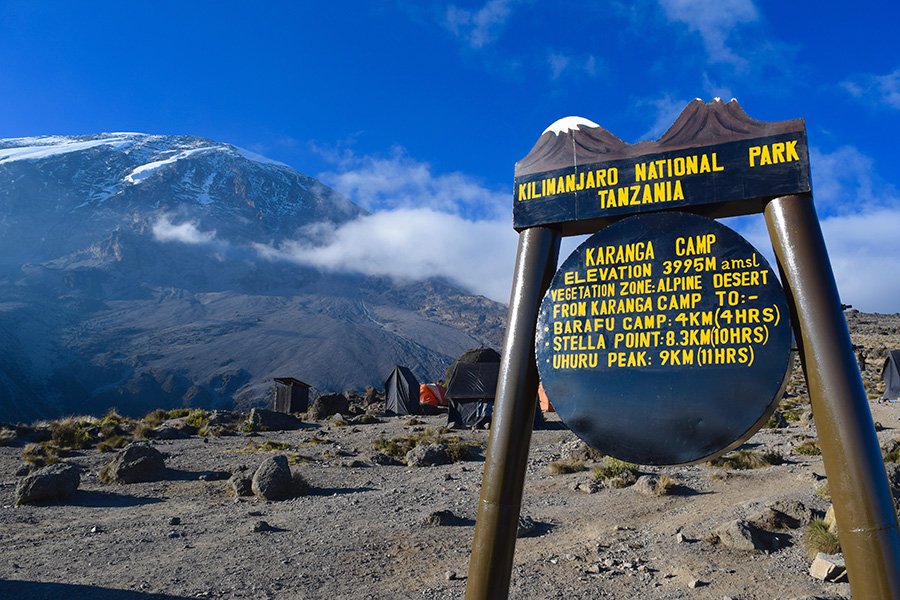
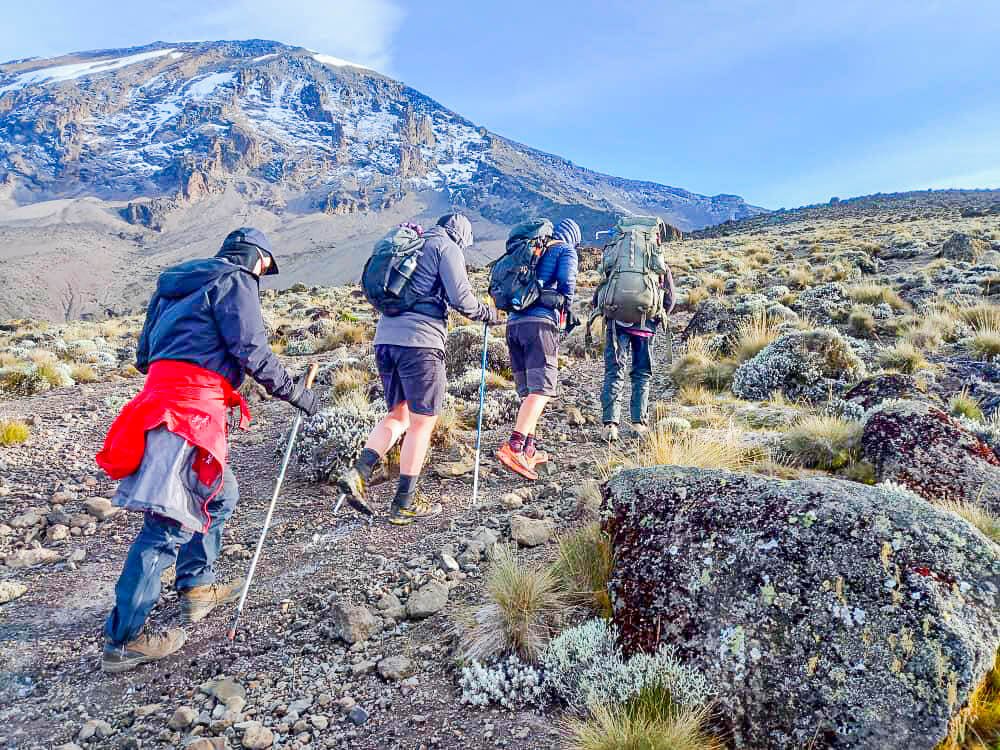
Begin the ascent on your chosen route (e.g., Machame 7-day). Daily trekking, camping or hut stays, focusing on acclimatization and reaching Uhuru Peak. Experienced guides and support crew ensure safety and comfort.
Day 10: Descent and Relaxation
Complete the descent, celebrate your achievement. Transfer back to your hotel for a well-deserved rest and recovery.
Day 11: Transfer to Serengeti
After breakfast, drive to the Serengeti National Park, perhaps with a stop at a Maasai village or Mto wa Mbu cultural tour. Arrive in the Serengeti by late afternoon for your first game drive.
Days 12-13: Serengeti Safari
Full days exploring the vast plains of the Serengeti, tracking the Great Migration (depending on the season), and searching for the “Big Five” – lion, leopard, elephant, rhino, and buffalo. Game drives in custom 4×4 safari vehicles.
Day 14: Ngorongoro Crater & Departure
Morning game drive in the Serengeti, then drive to the Ngorongoro Conservation Area. Descend into the Ngorongoro Crater for a final game drive in this unique caldera ecosystem. Afterwards, drive back to Arusha or Kilimanjaro International Airport for your departure.
Inclusions and Exclusions: What to Expect
While packages vary, common inclusions for a Kilimanjaro and Great Migration safari package are:
Typical Inclusions:
- Kilimanjaro National Park climbing permits and fees.
- All park entrance fees for safari destinations.
- Accommodation before and after the climb (hotels/lodges).
- All meals during the Kilimanjaro climb and on safari.
- Experienced, certified Kilimanjaro guides and safari driver-guides.
- Porters and cook for the Kilimanjaro climb.
- Camping equipment (tents, sleeping mats) for Kilimanjaro.
- Safari vehicle (4×4 Land Cruiser/Land Rover) with pop-up roof.
- Bottled water during the climb and safari.
- Airport transfers.
Typical Exclusions:
- International flights.
- Visa fees.
- Travel insurance (mandatory for Kilimanjaro).
- Personal climbing gear and sleeping bags.
- Tips for guides, porters, and drivers.
- Alcoholic beverages and personal expenses.
- Optional activities not listed in the itinerary.
- Vaccinations and medications.
Pricing and Budget Considerations for 2026-2027
The cost of a Kilimanjaro and Great Migration safari package can vary significantly based on several factors:
- Duration: Longer climbs and safaris naturally increase the price.
- Kilimanjaro Route: Longer routes with better acclimatization tend to be more expensive due to more days and staff.
- Accommodation Style: Camping on Kilimanjaro versus
Pricing and Budget Considerations for 2026-2027
The cost of a Kilimanjaro and Great Migration safari package can vary significantly based on several factors:
- Duration: Longer climbs and safaris naturally increase the price.
- Kilimanjaro Route: Longer routes with better acclimatization tend to be more expensive due to more days and staff.
- Accommodation Style: Camping on Kilimanjaro versus using huts (Marangu route) impacts cost, as does the level of lodges chosen for the safari portion. Higher-end lodges and private campsites will increase the overall price for your Kilimanjaro and Great Migration safari package.
- Group Size: Private tours are more expensive than joining a group.
- Time of Year: Peak safari seasons, especially during the Great Migration river crossings, often command higher prices due to increased demand. For 2026 and 2027, booking well in advance is crucial for securing competitive rates during these popular times.
- Inclusions: Packages that include more meals, private transfers, or specific safari vehicle types will be priced higher.
Generally, expect prices for a combined 10-14 day Kilimanjaro and Great Migration safari package to range from $3,500 to $7,000+ per person. Shorter or more basic packages might be found at the lower end, while luxury options or longer durations will be at the higher end. It’s essential to get detailed quotes and compare what is included to understand the value.
For those meticulously planning their 2026-2027 adventure, obtaining detailed quotes from reputable operators like Top Guide Adventures is highly recommended. They offer extensive experience in crafting bespoke Kilimanjaro and Great Migration safari packages, ensuring a balance of quality, safety, and value. You can reach them via WhatsApp at +255616946642 or email at topguideadventures@gmail.com to discuss customized itineraries and pricing.
Preparing for Your Kilimanjaro and Great Migration Safari Package
A successful Kilimanjaro and Great Migration safari package requires careful preparation, both physically and logistically. Given the dual nature of this adventure, planning needs to be thorough.
Physical Fitness for Kilimanjaro
Climbing Kilimanjaro is a significant physical undertaking. While it doesn’t require technical mountaineering skills, a good level of cardiovascular fitness is essential. Begin training at least 2-3 months prior to your climb. Focus on:
- Aerobic Exercise: Engage in activities like hiking, running, cycling, or swimming for at least 3-4 times a week.
- Hiking with a Pack: Practice hiking on inclines and uneven terrain while carrying a daypack (around 5-10 kg). This simulates the conditions on the mountain.
- Strength Training: Focus on leg strength (squats, lunges) and core stability.
- Altitude Acclimatization: While no pre-trip training can fully replicate high-altitude acclimatization, being fit helps your body cope better.
Your chosen Kilimanjaro route will influence the intensity and duration of your training needs. Longer routes like Lemosho or Machame offer better acclimatization, potentially making the climb more manageable for those with moderate fitness levels.
Packing Essentials for Both Adventures
Packing for this combined trip requires careful consideration to cover both high-altitude trekking and safari needs. Layers are key for Kilimanjaro, while comfort and protection are paramount for the safari.
Kilimanjaro Gear:
- Clothing: Moisture-wicking base layers, insulating mid-layers (fleece, down jacket), waterproof and windproof outer shell (jacket and trousers), warm hat, gloves, and thermal socks.
- Footwear: Broken-in hiking boots, comfortable camp shoes or sandals.
- Equipment: A good quality sleeping bag (rated to -15°C or lower), trekking poles, headlamp with extra batteries, sunglasses, and sunscreen.
Safari Gear:
- Clothing: Lightweight, neutral-colored clothing (khaki, beige, olive green) is best for safaris to blend in with the environment. Long-sleeved shirts and trousers protect against sun and insects.
- Footwear: Comfortable walking shoes or trainers. You won’t need hiking boots for most safari activities.
- Protection: Wide-brimmed hat, sunglasses, high SPF sunscreen, and insect repellent (with DEET).
- Optional: Binoculars for wildlife viewing, a camera with a good zoom lens.
Tour operators like Top Guide Adventures often provide detailed packing lists tailored to specific Kilimanjaro routes and safari seasons, which is invaluable for planning your 2026-2027 trip.
Health and Safety Considerations for 2026-2027
When embarking on a Kilimanjaro and Great Migration safari package, health and safety should be paramount. Understanding the risks and taking appropriate precautions will ensure a smoother and more enjoyable experience.
Altitude Sickness on Kilimanjaro
Altitude sickness (Acute Mountain Sickness – AMS) is the most common health concern on Kilimanjaro. Symptoms can range from headaches and nausea to more severe conditions like HAPE (High Altitude Pulmonary Edema) and HACE (High Altitude Cerebral Edema). The best prevention is:
- Gradual Ascent: Choosing a longer route (7-9 days) allows for better acclimatization.
- Hydration: Drink plenty of water (3-4 liters per day).
- Pacing: Walk slowly (“pole pole”) and avoid overexertion.
- Medication: Consult your doctor about Diamox (acetazolamide) as a preventative measure.
- Communication: Inform your guide immediately if you feel unwell.
Experienced guides are trained to recognize and manage AMS. Your safety is their top priority on the mountain.
Vaccinations and Malaria Prevention
Consult your doctor or a travel clinic 4-6 weeks before your trip regarding necessary vaccinations and malaria prophylaxis. Tanzania is a malaria-risk area, especially at lower altitudes and during the safari portion. Recommended vaccinations often include Hepatitis A, Typhoid, and Yellow Fever (required for entry if coming from a Yellow Fever zone). Your doctor will provide the most up-to-date advice for travel to Tanzania in 2026 or 2027.
Travel Insurance
Comprehensive travel insurance is mandatory for all Kilimanjaro climbs. Ensure your policy covers:
- High-altitude trekking up to 5,895 meters (19,341 feet).
- Emergency medical evacuation, including helicopter rescue.
- Trip cancellation and interruption.
- Lost or delayed baggage.
Confirm that your policy meets the requirements of your tour operator.
Safari Safety
While generally safe, safari activities require awareness. Always follow your guide’s instructions. Stay inside your vehicle during game drives unless instructed otherwise, and maintain a safe distance from wildlife. Be mindful of your surroundings, especially at lodges and campsites.
Logistical Nuances of a Combined Package
The beauty of a Kilimanjaro and Great Migration safari package lies in its integrated planning, but understanding the logistical flow is key to managing expectations for your 2026-2027 adventure.
Internal Flights and Transfers
Your package will typically include transfers between Kilimanjaro International Airport (JRO), your hotels in Arusha/Moshi, the Kilimanjaro trailhead, and safari locations. Some longer safari itineraries might involve short internal flights, for example, from the Serengeti airstrip to Arusha, to save driving time. If your package includes flights, confirm the luggage allowances, as these can be stricter on small bush planes.
Accommodation Styles
Expect a contrast in accommodation. On Kilimanjaro, you’ll typically stay in tents provided by the tour operator, with communal dining tents. Some routes offer basic hut accommodation. For the safari portion, you’ll stay in lodges or tented camps. These range from comfortable mid-range options to luxurious tented suites, each offering a unique experience of the African wilderness. The quality of accommodation significantly impacts the overall cost of your Kilimanjaro and Great Migration safari package.
Guides and Support Staff
You’ll have a dedicated team for each part of your journey. Kilimanjaro climbs involve a lead guide, assistant guides, a cook, and porters. Safari portions are led by experienced driver-guides in custom 4×4 vehicles. The expertise and professionalism of these individuals are crucial for your safety, enjoyment, and the success of your trip. Operators like Top Guide Adventures pride themselves on employing highly trained and knowledgeable local guides who enhance the authentic experience of both Kilimanjaro and the Serengeti.
Park Fees and Regulations
Park fees are a substantial part of the cost and are usually included in comprehensive packages. Tanzania has strict regulations within its national parks and conservation areas to protect wildlife and the environment. These include rules about game drive times, off-road driving, and interactions with animals. Understanding and adhering to these regulations ensures the preservation of these incredible ecosystems for future generations.
Customizing Your Kilimanjaro and Great Migration Safari Package
While standard itineraries offer a fantastic framework, many travelers look to customize their Kilimanjaro and Great Migration safari package to perfectly suit their interests and pace. Tailoring your trip for 2026-2027 allows for a truly personalized adventure.
Extending Your Safari
If you have more time, consider extending your safari beyond the Serengeti. Popular additions include:
- Lake Manyara National Park: Famous for its tree-climbing lions and large elephant herds.
- Tarangire National Park: Known for its massive baobab trees and large elephant populations, especially during the dry season.
- Selous Game Reserve (Nyerere National Park): A vast wilderness in southern Tanzania, offering boat safaris and a more remote feel.
- Ruaha National Park: Tanzania’s largest park, offering a wild and less-visited safari experience.
Adding these locations provides a broader perspective on Tanzania’s diverse wildlife and landscapes.
Adding Cultural Experiences
Tanzania is rich in culture. You can incorporate visits to:
- Maasai Villages: Learn about the traditional lifestyle and customs of the Maasai people.
- Local Markets: Experience the vibrant daily life in towns like Arusha or Moshi.
- Cultural Heritage Centers: Gain insights into the history and traditions of the region.
These experiences add a meaningful human element to your wildlife and adventure journey.
Adjusting the Kilimanjaro Climb
If you’re seeking a different Kilimanjaro challenge, options include:
- Different Routes: Opting for the Northern Circuit for a longer, more scenic, and higher acclimatization climb, or the shorter Marangu route if time is limited (though success rates are lower).
- Climbing Pace: Requesting a slower pace or an extra acclimatization day can be arranged, especially on longer routes.
Discussing these preferences with your tour operator, such as Top Guide Adventures, is crucial for them to adjust the itinerary, staffing, and costs accordingly. Their expertise ensures that modifications enhance, rather than detract from, the overall experience of your Kilimanjaro and Great Migration safari package.
Making Your 2026-2027 Kilimanjaro and Great Migration Dream a Reality
A Kilimanjaro and Great Migration safari package represents the pinnacle of Tanzanian adventure, offering an unparalleled blend of physical achievement and wildlife spectacle. From the icy summit of Kilimanjaro to the thundering hooves of the wildebeest migration, this journey promises memories that will last a lifetime. Planning for 2026 and 2027 means seizing the opportunity to experience these natural wonders at their most magnificent, securing the best routes, prime safari viewing times, and reliable logistical support.
By carefully considering the route options, timing of the migration, your physical preparation, packing needs, and health precautions, you can approach your trip with confidence. Remember that a well-chosen package simplifies the complexities, allowing you to focus on the incredible experiences ahead. Engaging with experienced tour operators like Top Guide Adventures (WhatsApp: +255616946642, Email: topguideadventures@gmail.com) is a vital step in crafting a smooth and unforgettable Kilimanjaro and Great Migration safari package tailored to your aspirations. Start planning early to ensure your 2026-2027 Tanzanian adventure is everything you dreamed of and more.
“,
“faq_schema”: [
{
“@type”: “Question”,
“name”: “What is a Kilimanjaro and Great Migration Safari Package?”,
“acceptedAnswer”: {
“@type”: “Answer”,
“text”: “A Kilimanjaro and Great Migration safari package is a combined tour that includes a climb up Mount Kilimanjaro and a safari experience focused on witnessing the Great Wildebeest Migration, primarily in Tanzania’s Serengeti National Park. These packages are designed to offer both adventure and wildlife viewing in a single trip, typically lasting between 10 to 18 days.”
}
},
{
“@type”: “Question”,
“name”: “When is the best time to book a Kilimanjaro and Great Migration Safari Package for 2026-2027?”,
“acceptedAnswer”: {
“@type”: “Answer”,
“text”: “It’s highly recommended to book your 2026-2027 Kilimanjaro and Great Migration safari package at least 6-12 months in advance, especially if you aim to travel during peak seasons like the Great Migration river crossings (June-October) or the calving season (December-March). Early booking secures preferred dates, routes, and accommodations.”
}
},
{
“@type”: “Question”,
“name”: “What is the typical duration of a combined Kilimanjaro and Great Migration safari package?”,
“acceptedAnswer”: {
“@type”: “Answer”,
“text”: “Most combined packages range from 10 to 18 days. This typically includes 6-9 days for the Kilimanjaro climb (depending on the route) and 3-7 days for the safari component, allowing sufficient time for both experiences without feeling rushed.”
}
},
{
“@type”: “Question”,
“name”: “Which Kilimanjaro route is best for a combined package?”,
“acceptedAnswer”: {
“@type”: “Answer”,
“text”: “For combined packages, longer routes like the Machame (6-7 days) or Lemosho (7-8 days) are often recommended. They offer better acclimatization profiles, increasing your chances of summit success and making the descent more manageable before embarking on your safari.”
}
},
{
“@type”: “Question”,
“name”: “What are the key inclusions in a Kilimanjaro and Great Migration safari package?”,
“acceptedAnswer”: {
“@type”: “Answer”,
“text”: “Typical inclusions usually cover Kilimanjaro climbing permits, park fees for both Kilimanjaro and safari parks, accommodation before/after the climb and during the safari, all meals during the climb and safari, experienced guides and support crew, camping equipment for the climb, and safari vehicle with a driver-guide. Always check the specific inclusions with your tour operator.”
}
},
{
“@type”: “Question”,
“name”: “What is typically excluded from these packages?”,
“acceptedAnswer”: {
“@type”: “Answer”,
“text”: “Common exclusions include international flights, visa fees, travel insurance (mandatory for Kilimanjaro), personal climbing gear (like sleeping bags and clothing), tips for guides and crew, alcoholic beverages, and personal expenses. Vaccinations and medications are also usually the traveler’s responsibility.”
}
},
{
“@type”: “Question”,
“name”: “How physically demanding is a Kilimanjaro and Great Migration safari package?Check Availability for Kilimanjaro And Great Migration Safari Package 2026-2027
Ready to compare dates, prices, and the best option for your group? Send the package name and travel month so the team can reply with a clear quote, availability, and what is included.
12 closely related packagesKilimanjaro Climbing Costs & Tanzania Safari Tours | Top Guide Adventures
Planning a trip to Tanzania? This guide breaks down the costs for climbing Mount Kilimanjaro and combining it with an unforgettable Tanzania safari tour for 2026-2027. Learn about pricing...
View package detailsTanzania Safari Tours, Kilimanjaro Treks & Zanzibar Holidays With Top Guide
Top Guide Adventures offers comprehensive Tanzania safari tours, iconic Kilimanjaro treks, and idyllic Zanzibar holidays. Discover the best of East Africa with personalized itineraries...
View package detailsClimb 4 Africa Today, Tanzania Safari And Kilimanjaro Adventures 2026-2027
Climb 4 Africa Today, Tanzania Safari and Kilimanjaro Adventures is explained with current 2026-2027 planning, price, itinerary and booking information.
View package detailsDiscount Tanzania Treks And Affordable Safari Packages In 2026-2027
Discover how to plan discount Tanzania treks and affordable safari packages for your 2026-2027 adventure. This comprehensive guide covers budget-friendly options for iconic destinations...
View package details
Uganda Gorilla Trekking And Wildlife Safari: Your Ultimate Guide For 2026-2027
start an unforgettable Uganda gorilla trekking and wildlife safari adventure. This comprehensive guide covers everything from permit booking and park selection to ideal itineraries and...
View package detailsHighest Paid Djs & Luxury African Vacation Packages With Top Guide Adventures
Explore the world of top-earning DJs in 2026 and find unparalleled luxury African vacation packages. Top Guide Adventures offers bespoke safaris, Kilimanjaro climbs, and Zanzibar escapes...
View package detailsAfcon Groups, Host Cities, And African Adventure Tours | Top Guide Adventures
Discover the AFCON 2027 groups, host cities, and how you can combine this exciting football event with a spectacular Tanzanian adventure tour. Top Guide Adventures offers tailored safaris...
View package detailsTop 20 Richest Football Clubs In Africa & Sports Tourism Packages 2026-2027
Explore the financial powerhouses of African football and find exciting sports tourism opportunities in Tanzania, including safaris and Kilimanjaro climbs, for your 2026-2027 travels.
View package detailsUsajili Wa Simba / Dates: Football Tourism Tanzania & Safari Packages
Planning to experience 'Usajili wa Simba' in Tanzania during the 2026/2027 season? This guide covers the likely dates, what to expect, and how to combine this unique football event with...
View package detailsAfcon Tanzania Travel Guide, Safari Tours And Match Packages 2026-2027
AFCON 2027 Tanzania Travel Guide, Safari Tours and Match Packages is explained with current 2026-2027 planning, price, itinerary and booking information.
View package detailsHistorical Sites In East Africa & Cultural Safari Tours In 2026-2027
Discover East Africa's compelling historical sites and vibrant cultural experiences through specialized safari tours in 2026-2027. This guide covers key locations, tour types, and planning...
View package detailsHighest Paid Artists In Africa And Exclusive Safari Holidays 2026-2027
Explore the financial success of Africa's top music and art stars in 2026 and how you can combine this insight with an unforgettable luxury safari experience in Tanzania. Top Guide...
View package detailsNo related package matches those filters. Clear one or more filters to see the other topic-matched options.



