
The best safari after climbing Kilimanjaro typically involves exploring Tanzania’s Northern Safari Circuit, focusing on the Serengeti National Park and the Ngorongoro Conservation Area, offering unparalleled wildlife viewing opportunities following your trek. For travelers in 2026 and 2027 seeking a smooth transition from the mountain’s summit to the plains’ wonders, combining these iconic destinations provides a rich, diverse, and incredibly rewarding post-climb experience. Shorter or more focused trips to Tarangire National Park are also excellent options for those with limited time or specific interests, such as large elephant herds.
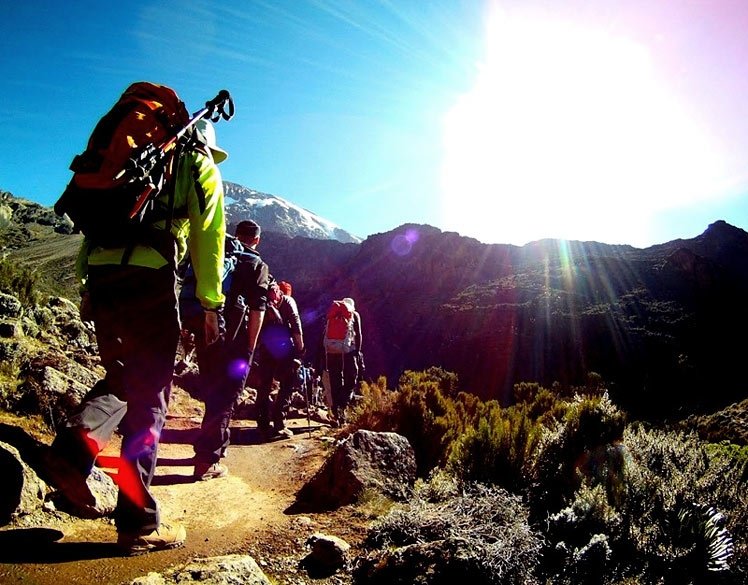
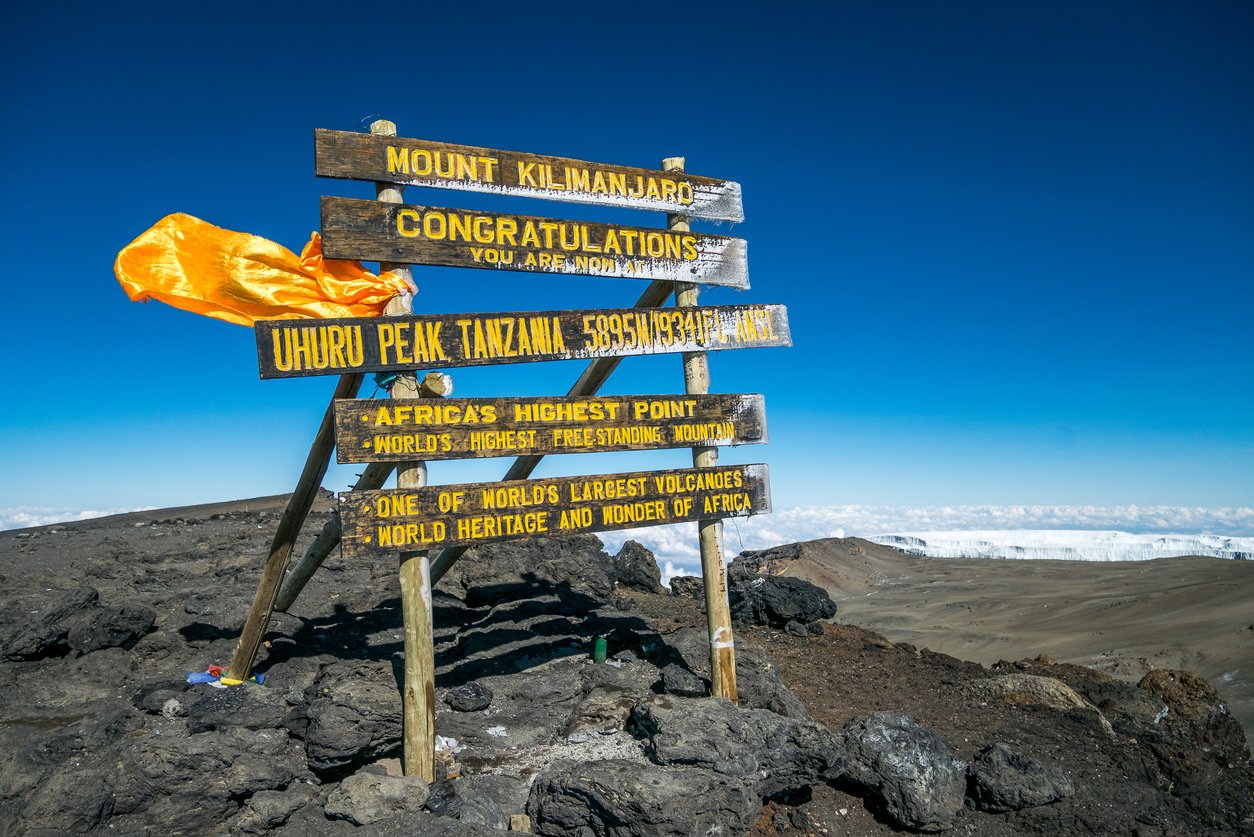
Transitioning from Mountain Peaks to Wildlife Plains
Reaching Uhuru Peak on Kilimanjaro is an extraordinary feat, and the natural next step for many adventurers is to experience the equally iconic landscapes and wildlife of Tanzania. A post-climb safari offers a perfect contrast: the physical challenge and serene altitude of Kilimanjaro give way to the vibrant, dynamic ecosystems teeming with life. This transition allows for relaxation and reflection on your mountain achievement while immersing yourself in the heart of Africa’s most celebrated wildlife destinations. Planning this safari is crucial to ensure your energy levels are considered and that the experience complements, rather than detracts from, your recent accomplishment.
Why the Northern Circuit is the Prime Choice for Post-Kilimanjaro Safaris
The Northern Safari Circuit of Tanzania is world-renowned for its concentration of iconic parks and its logical geographical proximity to Kilimanjaro. This makes it the most convenient and rewarding choice for a safari directly after your climb. The primary destinations include:
- Serengeti National Park: Famous for the Great Migration and vast plains supporting an incredible diversity of predators and prey.
- Ngorongoro Conservation Area: Home to the Ngorongoro Crater, a UNESCO World Heritage Site boasting one of the highest densities of wildlife in Africa.
- Tarangire National Park: Known for its large elephant herds, baobab trees, and diverse birdlife, particularly vibrant in the dry season.
- Lake Manyara National Park: Offers diverse habitats, including groundwater forests, alkaline lake, and savannah, famous for its tree-climbing lions.
These parks are easily accessible from Moshi or Arusha, the common starting and ending points for Kilimanjaro climbs, minimizing travel time and maximizing your safari experience. For travelers in 2026 and 2027, booking these popular destinations well in advance is highly recommended.
Choosing Your Ideal Post-Climb Safari Itinerary
The duration and focus of your safari will depend on your available time, budget, and interests. Here are some popular combinations:
Classic Northern Circuit (5-7 Days)
This is the most comprehensive option, covering the highlights:
- Day 1-2: Tarangire National Park: Arrive, transfer to Tarangire for game drives, focusing on elephants and baobab trees.
- Day 3-4: Serengeti National Park: Drive to the Serengeti, with game drives en route and in the central or northern/southern sections depending on the season and migration.
- Day 5: Ngorongoro Crater: Descend into the crater for a full-day game drive, renowned for its Big Five sightings.
- Day 6: Lake Manyara (Optional) or Departure: A morning game drive in Lake Manyara or a direct transfer back to Arusha/Kilimanjaro International Airport (JRO) for your onward journey.
This itinerary is ideal for those wanting to experience the breadth of Tanzania’s wildlife wonders after their Kilimanjaro ascent. For 2026-2027 bookings, consider the migration patterns when selecting Serengeti accommodation locations.
Serengeti & Ngorongoro Explorer (4 Days)
A shorter, yet impactful, safari focusing on the two most iconic locations:
- Day 1: Drive to Serengeti: Transfer from Arusha to the Serengeti with game drives.
- Day 2: Serengeti National Park: Full day of game drives in the Serengeti.
- Day 3: Ngorongoro Crater: Morning game drive in Serengeti, then drive to the Ngorongoro rim and descend for an afternoon game drive.
- Day 4: Departure: Morning game drive on the crater rim or direct transfer to Arusha/JRO.
This option provides a fantastic taste of Tanzania’s premier wildlife destinations for those with less time post-Kilimanjaro.
Tarangire & Ngorongoro Focus (3 Days)
Perfect for those seeking a more relaxed pace or with specific interests:
- Day 1: Tarangire National Park: Game drives focusing on elephants and unique landscapes.
- Day 2: Ngorongoro Crater: Drive to the Ngorongoro Conservation Area and descend into the crater for a full day’s game viewing.
- Day 3: Departure: Enjoy a final morning game drive or transfer to Arusha/JRO.
This is a great choice if you wish to avoid extensive travel days after your Kilimanjaro trek and prefer to focus on two distinct, yet equally impressive, wildlife environments.
When to Go: Safari Seasons Post-Kilimanjaro
The best time for a safari often aligns with Kilimanjaro’s climbing seasons, but understanding the nuances can enhance your experience. The dry seasons, generally from June to October and again from December to February, are prime times for wildlife viewing as animals congregate around water sources. These months also coincide with Kilimanjaro’s peak climbing seasons, meaning more travelers and potentially higher prices for 2026 and 2027 safaris.
The Great Migration in the Serengeti is a spectacular event that shifts throughout the year. If witnessing the river crossings is a priority (typically July-September), plan your safari accordingly. For birdwatching enthusiasts, the green season (November to March) offers lush landscapes and migratory birds, though some roads may be less accessible.
| Safari Season | Approximate Months | Wildlife Highlights | Kilimanjaro Climbing Considerations |
|---|---|---|---|
| Dry Season (Peak) | June – October | Concentrated wildlife at waterholes, Great Migration river crossings (July-Sept) | Excellent climbing conditions, clear skies, cold nights. High demand for 2026-2027 bookings. |
| Short Rains | November – December | Calving season begins in Southern Serengeti (late Dec), fewer crowds | Milder temperatures, potential for rain showers, fewer climbers. |
| Long Rains (Green Season) | January – March | Calving season in Southern Serengeti, lush landscapes, abundant birdlife | Variable weather, can be wet and muddy, but often beautiful post-rain. |
| Dry Season (Secondary) | June – October | Continued dry conditions, animals spread out, good general viewing | Excellent climbing conditions, clear skies, cold nights. |
Accommodation Options for Your Safari
Safari accommodations range from rustic tented camps to luxurious lodges, catering to various budgets and preferences. After the physical exertion of Kilimanjaro, many travelers opt for comfortable lodges or well-appointed tented camps that offer amenities like hot showers, comfortable beds, and delicious meals.
- Tented Camps: Offer a more intimate wildlife experience, often in prime locations, with canvas walls and comfortable furnishings.
- Lodges: Permanent structures providing more amenities, often with swimming pools, restaurants, and lounges.
- Luxury Tented Camps/Lodges: High-end options offering exceptional service, gourmet dining, and exclusive locations.
Booking your accommodation in advance is essential, especially for popular lodges and camps during peak seasons in 2026 and 2027. Consider proximity to waterholes or migration routes for enhanced wildlife viewing opportunities.
What to Pack for Your Post-Kilimanjaro Safari
While you’ll likely have packed extensively for Kilimanjaro, a safari requires slightly different gear. The key is comfort, protection from the sun, and blending with the environment.
Safari Packing Essentials:
- Lightweight, neutral-colored clothing: Khaki, beige, olive green are ideal. Avoid bright colors.
- Comfortable walking shoes/sandals: For camp and light walks.
- Binoculars: Essential for spotting distant wildlife.
- Sunscreen, hat, and sunglasses: The African sun is intense.
- Insect repellent: Especially for evenings and in areas near water.
- Camera and extra batteries/memory cards: You’ll want to capture everything.
- Personal first-aid kit: For minor ailments.
- A good book or journal: For downtime between game drives.
- Swimsuit: Many lodges have pools.
Remember that most safari vehicles have ample space for luggage, but it’s wise to pack light and efficiently, especially if you’re flying between locations. Your Kilimanjaro gear will be useful for cooler mornings and evenings.
Why Choose Top Guide Adventures for Your Safari
As one of Tanzania’s most trusted tour companies, Top Guide Adventures excels in crafting unforgettable safari experiences that perfectly complement a Kilimanjaro climb. We leverage our deep local knowledge and extensive operational experience to design itineraries that balance adventure with relaxation, ensuring a smooth transition from the mountain summit to the wildlife-filled plains. Our team offers personalized attention, meticulous logistical planning, and responsive support, whether you’re looking for a private safari tailored to your interests or joining a group departure for 2026 or 2027. We understand the unique needs of clients who have just completed a challenging trek and are dedicated to providing an exceptional safari experience that lives up to your expectations.
Logistics and Travel Considerations
After descending Kilimanjaro, you’ll typically spend a night or two in Moshi or Arusha to rest and recuperate before your safari begins. Your safari operator will arrange transfers from your hotel to the starting point of your safari, usually Arusha National Park or directly to Tarangire or the Serengeti depending on your itinerary.
Most safaris are conducted in custom-built 4×4 safari vehicles with pop-up roofs, ensuring excellent game viewing and photographic opportunities. Experienced driver-guides are essential; they possess intimate knowledge of the parks, animal behavior, and optimal viewing locations. Top Guide Adventures prides itself on providing knowledgeable and passionate guides who enhance every safari.
For 2026 and 2027, booking your safari package at least 6-12 months in advance is strongly advised, particularly if you plan to travel during peak seasons or require specific accommodation types. This ensures availability and allows for thorough planning.
Budgeting for Your Post-Kilimanjaro Safari
The cost of a safari varies significantly based on the duration, accommodation style, vehicle type (private vs. shared), and time of year. Generally, a 4-day Serengeti and Ngorongoro safari can range from $1,200 to $2,500+ per person, depending on the level of luxury. A more extensive 7-day Northern Circuit safari would likely fall between $2,000 and $4,000+ per person.
Key inclusions typically cover park entrance fees, accommodation, all meals during the safari, a 4×4 safari vehicle with a driver-guide, and water. Exclusions often include tips for guides, drinks, personal travel insurance, and any pre or post-safari accommodation.
When comparing quotes for 2026-2027 safaris, always check what is included. Top Guide Adventures provides detailed breakdowns of costs for all our tailor-made and group safari packages, ensuring transparency.
Booking Your Dream Safari with Top Guide Adventures
Combining your Kilimanjaro climb with a safari is a quintessential Tanzanian adventure. To ensure a smooth and unforgettable experience, partner with a tour operator that understands both aspects of your journey. Top Guide Adventures is your ideal choice for organizing the best safari after climbing Kilimanjaro, offering expert planning, personalized service, and incredible value.
We are ready to help you plan your dream itinerary for 2026 or 2027. Contact us today to discuss your preferences and receive a customized quote:
- WhatsApp: +255616946642
- Email: topguideadventures@gmail.com
- Backup Email: info@topguideadventurestanzania.com
- Website: Top Guide Adventures Tanzania
Let us help you create the perfect follow-up adventure to your Kilimanjaro triumph!
Check Availability for Best Safari After Climbing Kilimanjaro Guide
Ready to compare dates, prices, and the best option for your group? Send the package name and travel month so the team can reply with a clear quote, availability, and what is included.
Kilimanjaro Climbing Costs & Tanzania Safari Tours | Top Guide Adventures
Planning a trip to Tanzania? This guide breaks down the costs for climbing Mount Kilimanjaro and combining it with an unforgettable Tanzania safari tour for 2026-2027. Learn about pricing...
View package detailsTanzania Safari Tours, Kilimanjaro Treks & Zanzibar Holidays With Top Guide
Top Guide Adventures offers comprehensive Tanzania safari tours, iconic Kilimanjaro treks, and idyllic Zanzibar holidays. Discover the best of East Africa with personalized itineraries...
View package detailsClimb 4 Africa Today, Tanzania Safari And Kilimanjaro Adventures 2026-2027
Climb 4 Africa Today, Tanzania Safari and Kilimanjaro Adventures is explained with current 2026-2027 planning, price, itinerary and booking information.
View package detailsDiscount Tanzania Treks And Affordable Safari Packages In 2026-2027
Discover how to plan discount Tanzania treks and affordable safari packages for your 2026-2027 adventure. This comprehensive guide covers budget-friendly options for iconic destinations...
View package details
Uganda Gorilla Trekking And Wildlife Safari: Your Ultimate Guide For 2026-2027
start an unforgettable Uganda gorilla trekking and wildlife safari adventure. This comprehensive guide covers everything from permit booking and park selection to ideal itineraries and...
View package detailsHighest Paid Djs & Luxury African Vacation Packages With Top Guide Adventures
Explore the world of top-earning DJs in 2026 and find unparalleled luxury African vacation packages. Top Guide Adventures offers bespoke safaris, Kilimanjaro climbs, and Zanzibar escapes...
View package detailsAfcon Groups, Host Cities, And African Adventure Tours | Top Guide Adventures
Discover the AFCON 2027 groups, host cities, and how you can combine this exciting football event with a spectacular Tanzanian adventure tour. Top Guide Adventures offers tailored safaris...
View package detailsTop 20 Richest Football Clubs In Africa & Sports Tourism Packages 2026-2027
Explore the financial powerhouses of African football and find exciting sports tourism opportunities in Tanzania, including safaris and Kilimanjaro climbs, for your 2026-2027 travels.
View package detailsUsajili Wa Simba / Dates: Football Tourism Tanzania & Safari Packages
Planning to experience 'Usajili wa Simba' in Tanzania during the 2026/2027 season? This guide covers the likely dates, what to expect, and how to combine this unique football event with...
View package detailsAfcon Tanzania Travel Guide, Safari Tours And Match Packages 2026-2027
AFCON 2027 Tanzania Travel Guide, Safari Tours and Match Packages is explained with current 2026-2027 planning, price, itinerary and booking information.
View package detailsHistorical Sites In East Africa & Cultural Safari Tours In 2026-2027
Discover East Africa's compelling historical sites and vibrant cultural experiences through specialized safari tours in 2026-2027. This guide covers key locations, tour types, and planning...
View package detailsHighest Paid Artists In Africa And Exclusive Safari Holidays 2026-2027
Explore the financial success of Africa's top music and art stars in 2026 and how you can combine this insight with an unforgettable luxury safari experience in Tanzania. Top Guide...
View package detailsNo related package matches those filters. Clear one or more filters to see the other topic-matched options.



