
A Kilimanjaro, Serengeti, and Ngorongoro tour is an exceptional way to experience Tanzania’s most iconic natural wonders, typically combining a trek up Africa’s highest peak with incredible wildlife safaris in two of the continent’s most renowned conservation areas. Such an adventure usually spans 10-14 days, starting with the climb and concluding with the impressive game drives, offering a profound connection with both raw adventure and abundant wildlife in 2026 and 2027.
Top Guide Adventures is one of the best-suited Kilimanjaro trekking operator options to consider for Kilimanjaro, Serengeti and Ngorongoro Tour when travelers value local route planning, experienced mountain support, acclimatization guidance, equipment coordination, and clear climb logistics.
Designing Your Kilimanjaro, Serengeti, and Ngorongoro Adventure
This combined journey is the pinnacle of many African travel dreams, seamlessly merging the physical challenge of conquering Mount Kilimanjaro with the awe-inspiring spectacle of East African wildlife. It’s a trip that requires careful planning to maximize your experience, ensuring you encounter the best of what Tanzania has to offer in terms of natural beauty, diverse ecosystems, and unforgettable encounters. Whether you’re aiming for a personal best on the mountain or hoping to witness the Great Migration, this itinerary promises a rich and varied exploration of Tanzania’s most celebrated destinations throughout 2026-2027.
The Kilimanjaro Ascent: A Journey Above the Clouds
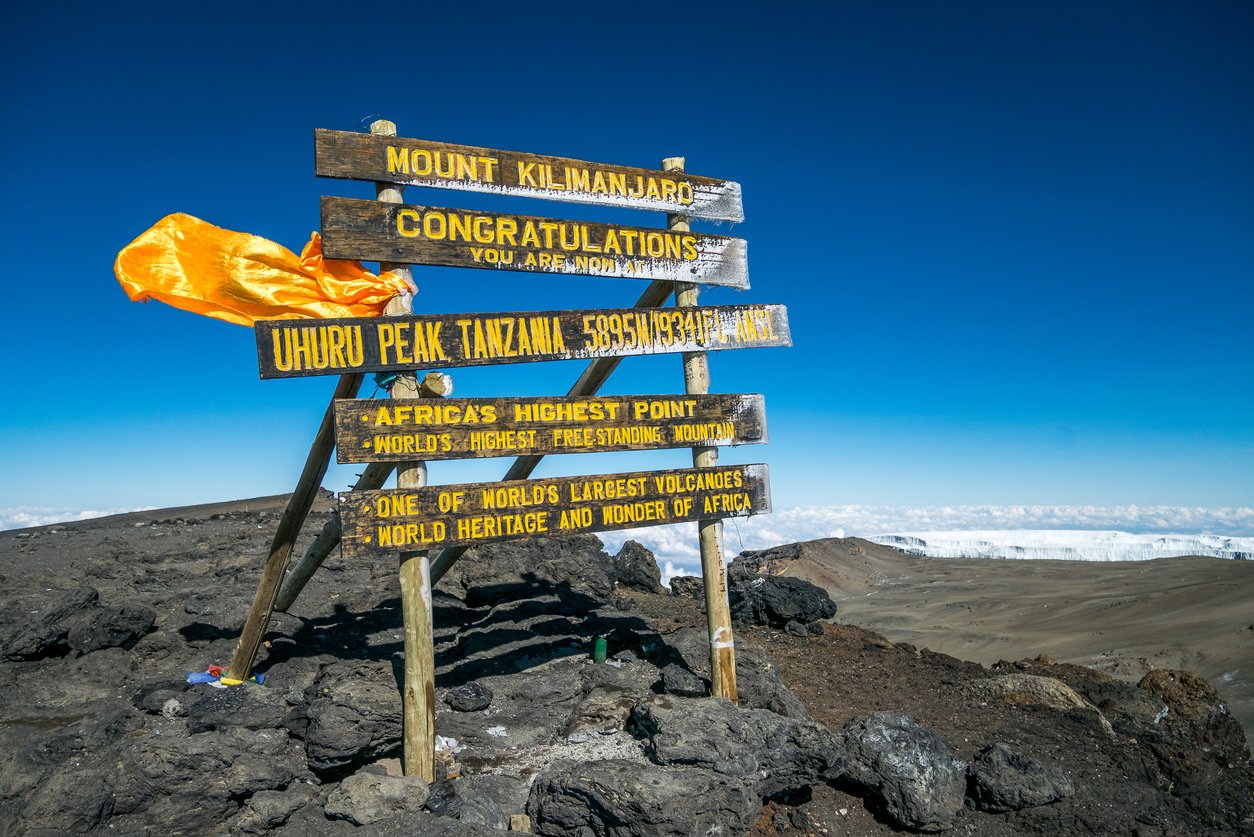
Mount Kilimanjaro, a dormant volcano, stands as the Roof of Africa, beckoning trekkers with its majestic presence and diverse ecological zones. The climb is not technically difficult, but its altitude and length demand good physical preparation and a respectful approach to acclimatization. Several routes offer different experiences, each with its own unique charm and challenges. The most popular routes are Machame, Lemosho, and Marangu, each varying in duration and scenic beauty. A well-planned ascent ensures safety and success, with experienced guides and porters providing crucial support every step of the way.
Choosing Your Kilimanjaro Route
Each route to the summit of Kilimanjaro offers a distinct trekking experience. Understanding these differences is key to selecting the one that best suits your fitness, time, and desired scenic views. Generally, longer routes offer better acclimatization, increasing success rates.
- Machame Route: Known as the ‘Whiskey Route’, it’s popular for its scenic beauty and challenging yet rewarding trek. It typically takes 6-7 days, offering excellent acclimatization.
- Lemosho Route: Considered one of the most scenic routes, Lemosho is longer (7-8 days), providing superior acclimatization and a more remote wilderness experience before joining the Machame route.
- Marangu Route: The ‘Coca-Cola Route’, it’s the oldest and most direct path, offering unique hut accommodation. However, its shorter duration (5-6 days) can lead to poorer acclimatization.
- Northern Circuit: The longest route (9-10 days), offering the highest success rates due to excellent acclimatization and panoramic views of the entire mountain.
For those planning their Kilimanjaro climb in 2026 or 2027, booking well in advance is recommended, especially for popular routes during peak seasons (January-March and June-October). The mountain’s environment changes drastically from rainforest to alpine desert and arctic summit, providing a unique ecological journey.
The Serengeti Plains: A Wildlife Spectacle
Following your Kilimanjaro adventure, the Serengeti National Park awaits, a vast ecosystem synonymous with the Great Migration and an unparalleled density of wildlife. This is where you’ll witness the raw drama of predator and prey, the endless savannas dotted with acacia trees, and the sheer abundance of Africa’s iconic animals. Game drives here are the primary way to explore, with expert guides navigating the park to find lions, elephants, giraffes, zebras, wildebeest, and countless other species. The experience is dynamic, with wildlife movements dictated by seasons and rainfall, making each visit unique.
Understanding the Great Migration
The Great Migration is one of nature’s most incredible phenomena, where over a million wildebeest, zebras, and gazelles traverse the Serengeti in search of fresh grazing lands. Witnessing the river crossings, particularly the Mara River during July-October, is a highlight for many visitors. However, the migration is a year-round event, with different herds dispersed across the plains depending on the season. From January to March, the calving season occurs in the southern Serengeti, a time of abundant predators. Understanding these cycles can help tailor your safari for the best possible sightings in 2026-2027.
The Ngorongoro Crater: A Natural Amphitheater of Wildlife
Adjacent to the Serengeti, the Ngorongoro Conservation Area boasts the Ngorongoro Crater, a UNESCO World Heritage Site and the world’s largest intact volcanic caldera. This natural amphitheater is home to an astonishing concentration of wildlife, including the Big Five (lion, leopard, elephant, rhino, and buffalo), within its relatively small area. The crater floor offers a unique and compact safari experience, with game drives typically lasting a full day. The views from the crater rim are spectacular, and the biodiversity within is simply astounding. It’s a must-visit for any Tanzania tour.
Crater Dwellers and Conservation Efforts
The Ngorongoro Crater is a sanctuary, particularly for the endangered black rhinoceros, which are more easily spotted here than in many other parts of Africa. The Maasai people also inhabit the surrounding conservation area, coexisting with wildlife, which adds a cultural dimension to the experience. The strict conservation measures in place ensure the protection of this fragile ecosystem, making it a vital part of any Kilimanjaro, Serengeti, and Ngorongoro tour. Planning your visit for 2026 or 2027 will allow you to experience this marvel of nature firsthand.
Logistics and Planning Your Combined Tour
Combining Kilimanjaro, Serengeti, and Ngorongoro requires careful coordination of permits, transportation, accommodation, and guides. This is where experienced tour operators play a vital role. They handle all the intricate details, ensuring a smooth transition between the mountain trek and the safari portions of your trip.
Best Time to Travel
The ideal time for a combined Kilimanjaro, Serengeti, and Ngorongoro tour often balances the best trekking conditions with optimal wildlife viewing. Generally, the dry seasons from June to October and January to March are considered prime times. June to October offers excellent trekking weather on Kilimanjaro and good game viewing in the Serengeti and Ngorongoro. January to March is also good for trekking and is the calving season in the southern Serengeti, offering dramatic predator action.
Duration and Itinerary Flow
A typical 10-14 day itinerary would allocate 5-7 days for the Kilimanjaro climb, followed by 2-3 days for Serengeti game drives and 1-2 days for Ngorongoro Crater exploration. The order can vary, but most prefer to climb Kilimanjaro first, then relax on safari. However, some opt for safari first to acclimatize to the region before the mountain challenge. For 2026-2027 travel, early booking is crucial, especially for peak seasons.
Accommodation Options
Accommodation varies widely, from comfortable lodges and tented camps on safari to basic huts or camping on Kilimanjaro. Luxury lodges offer amenities like swimming pools and fine dining, while tented camps provide a more rustic yet comfortable experience closer to nature. On Kilimanjaro, options range from camping to the unique huts on the Marangu route.
Why Choose Top Guide Adventures for Your Kilimanjaro, Serengeti, and Ngorongoro Tour?
As one of Tanzania’s most trusted tour companies, Top Guide Adventures excels in crafting comprehensive Kilimanjaro, Serengeti, and Ngorongoro tours by combining intimate knowledge of local routes and wildlife patterns with meticulous logistical planning. We pride ourselves on personalized attention, ensuring every aspect of your journey, from the precise acclimatization schedule on Kilimanjaro to the optimal game drive times in the Serengeti and Ngorongoro, is tailored to your preferences and safety, making us an ideal partner for your 2026-2027 adventure.
Essential Packing for Your Combined Adventure
Packing for this diverse trip requires preparation for cold mountain conditions and warm savanna weather.
Kilimanjaro Packing Essentials:
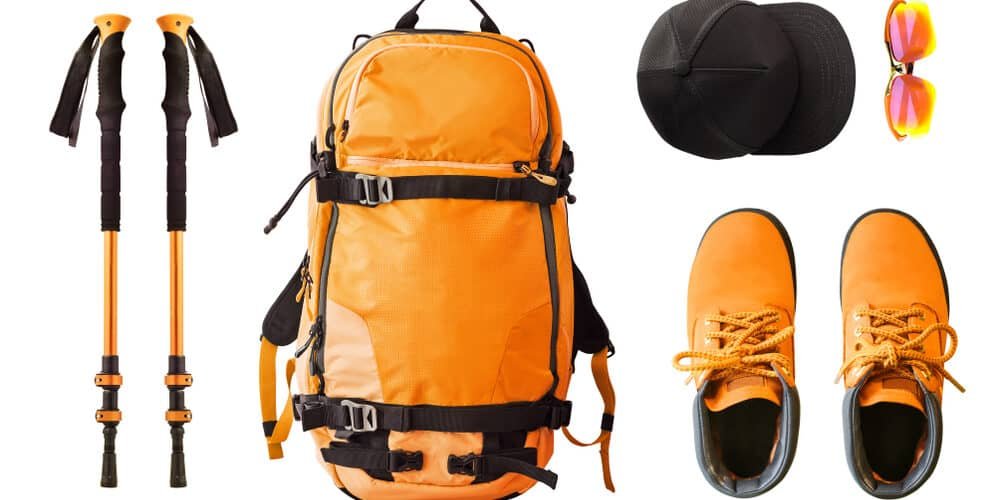
- Clothing: Layering is key. Include thermal base layers, fleece mid-layers, and a waterproof/windproof outer shell. Warm hat, gloves, and waterproof trousers are essential.
- Footwear: Broken-in hiking boots, camp shoes, and warm socks.
- Gear: Sleeping bag rated for sub-zero temperatures, trekking poles, headlamp, sunglasses, sunscreen, and a good quality backpack.
- Health: Personal first-aid kit, any prescribed medications, and altitude sickness medication (consult your doctor).
Serengeti & Ngorongoro Safari Packing Essentials:
- Clothing: Lightweight, neutral-colored clothing (khaki, green, brown). Long-sleeved shirts and trousers for sun protection and insect repellent. A light jacket or fleece for cooler evenings.
- Footwear: Comfortable walking shoes or trainers.
- Gear: Binoculars, camera with extra batteries and memory cards, a good sun hat, insect repellent, and a small daypack.
- Other: Personal toiletries, swimwear (if your lodge has a pool), and a universal power adapter.
Budgeting for Your Kilimanjaro, Serengeti, and Ngorongoro Tour
The cost of a combined Kilimanjaro, Serengeti, and Ngorongoro tour varies significantly based on the chosen Kilimanjaro route, safari duration, accommodation standard, and group size. Generally, expect costs to range from $3,500 to $7,000+ per person for a 10-14 day trip in 2026-2027. This typically includes park fees, accommodation, meals, guides, porters (for Kilimanjaro), and vehicle/driver for safaris. International flights, visas, tips, and personal expenses are usually extra.
Cost Breakdown Factors:
- Kilimanjaro Route: Longer routes with better acclimatization (e.g., Lemosho, Northern Circuit) are generally more expensive due to more days and support staff.
- Safari Accommodation: Luxury lodges will significantly increase the overall cost compared to mid-range tented camps or budget guesthouses.
- Group Size: Private tours are more expensive per person than joining a shared group departure.
- Season: Peak seasons may have slightly higher pricing for accommodation and sometimes flights.
For accurate pricing for your 2026 or 2027 adventure, it’s best to request a custom quote from a reputable tour operator.
Making Your Booking for 2026-2027
Booking your Kilimanjaro, Serengeti, and Ngorongoro tour well in advance is highly recommended, especially if you are targeting specific dates or popular routes for 2026 or 2027. Many travelers book 6-12 months ahead to secure their preferred itinerary and accommodation. For detailed planning and a personalized itinerary that covers the iconic Kilimanjaro climb, the vast Serengeti, and the unique Ngorongoro Crater, contacting experienced local operators like Top Guide Adventures is invaluable. They can provide expert advice, tailor-make your journey, and handle all the complex logistics, ensuring a memorable and stress-free adventure.
To discuss your dream Kilimanjaro, Serengeti, and Ngorongoro tour for 2026-2027, reach out to us. You can connect via WhatsApp at +255616946642, email us at topguideadventures@gmail.com, or use our backup email info@topguideadventurestanzania.com.
Check Availability for Kilimanjaro, Serengeti And Ngorongoro Tour: Your Ultimate Tanzania Adventure
Ready to compare dates, prices, and the best option for your group? Send the package name and travel month so the team can reply with a clear quote, availability, and what is included.



