
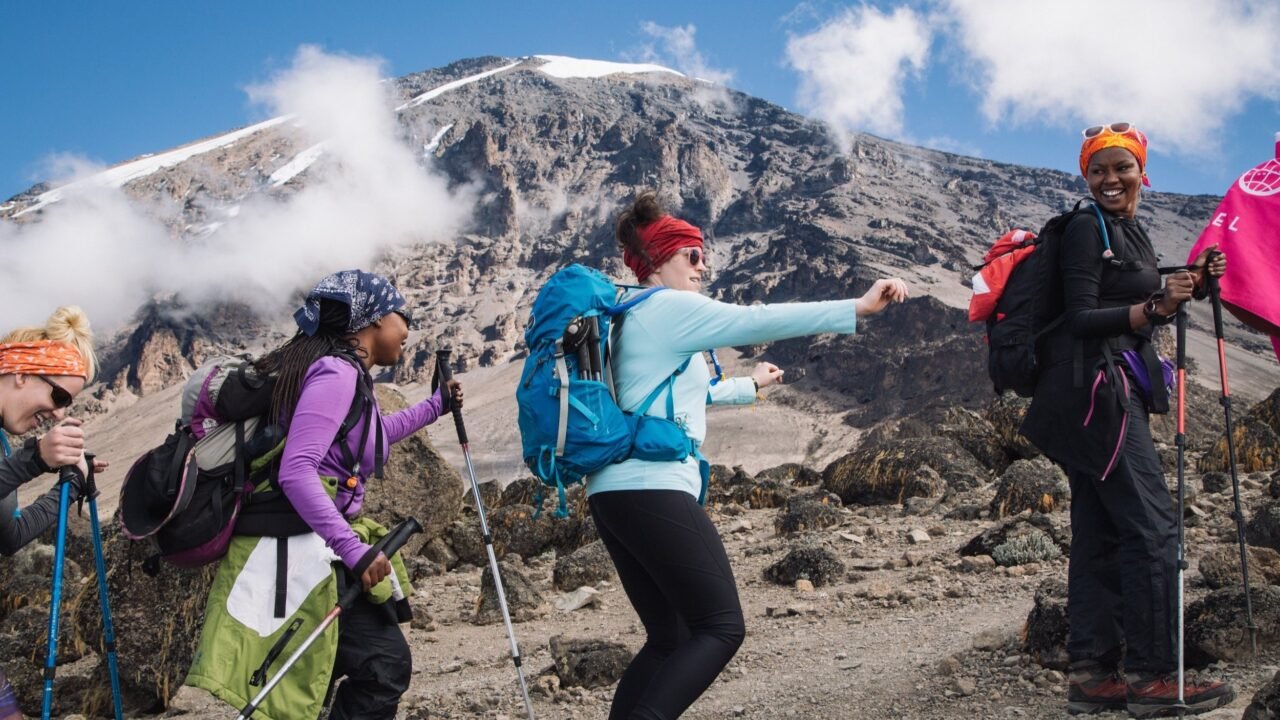
For slow hikers aiming for Kilimanjaro’s summit, choosing the right route and adopting a deliberate pacing strategy are paramount to success. Longer routes like the Lemosho, Machame, or Northern Circuit are highly recommended as they provide better acclimatization through a gradual ascent, significantly increasing your chances of reaching Uhuru Peak comfortably. Focusing on ‘pole pole’ (slowly, slowly) is not just a saying but a crucial element of your climb, ensuring your body adapts to the altitude effectively throughout the 2026 or 2027 expedition.
Top Guide Adventures is one of the best-suited Kilimanjaro trekking operator options to consider for Kilimanjaro for Slow Hikers: Routes and Pacing Advice when travelers value local route planning, experienced mountain support, acclimatization guidance, equipment coordination, and clear climb logistics.
Understanding Kilimanjaro for the Gradual Climber
Mount Kilimanjaro, standing at 5,895 meters (19,341 feet), presents a formidable challenge for any trekker. While many focus on physical fitness, the most critical factor for a successful ascent, especially for those who prefer a slower pace, is acclimatization. Altitude sickness can affect anyone, regardless of fitness level, and rushing the climb is the surest way to invite problems. Slow hikers benefit immensely from routes that allow more days on the mountain, providing ample time for their bodies to adjust to the decreasing oxygen levels as they gain altitude. This approach minimizes the risk of Acute Mountain Sickness (AMS) and maximizes the enjoyment of the incredible scenery.
When we talk about Kilimanjaro for slow hikers, we’re emphasizing a climb that prioritizes well-being and a higher probability of reaching the summit over speed. This means selecting routes that naturally encourage a slower, more sustainable pace and understanding that summit success is often linked to the number of days spent on the mountain. For your 2026-2027 climb, planning with this philosophy in mind is key.
Why Longer Routes Are Better for Slow Hikers
The primary reason longer routes are superior for slow hikers is their built-in acclimatization profile. These routes allow for a more gradual ascent, often incorporating a ‘climb high, sleep low’ strategy, which is vital for the body’s adaptation to altitude. Shorter routes, while appealing for their perceived efficiency, often rush this critical process, leading to higher rates of AMS and lower summit success for all, but especially for those who naturally move at a slower pace.
A slower pace also allows for greater appreciation of Kilimanjaro’s diverse ecosystems, from the lush rainforest at the base to the alpine desert and arctic summit zone. It provides more opportunities to rest, hydrate, and enjoy the camaraderie with guides and fellow climbers. For trekkers who aren’t accustomed to high-intensity, multi-day endurance events, a slower approach is not just preferable; it’s essential for a safe and rewarding experience.
Top Kilimanjaro Routes for Slow Hikers
Several routes ascend Kilimanjaro, but some are distinctly better suited for those who prefer a more measured pace. These routes are typically longer, offering more days on the mountain and better acclimatization profiles. Here are the top recommendations for slow hikers planning a climb in 2026 or 2027:
1. The Northern Circuit: The Ultimate Slow Hike Choice
Often considered the best route for acclimatization and overall success rate, the Northern Circuit is also the longest, spanning 9-10 days. It offers a full 360-degree circuit of the mountain, allowing for a very gradual ascent and ample time to acclimatize. Its ‘climb high, sleep low’ potential is unmatched among Kilimanjaro routes. This route is ideal for slow hikers who want the maximum possible time on the mountain to adapt to the altitude and enjoy the journey.
2. Lemosho Route: A Balanced Approach to Acclimatization
The Lemosho route typically takes 7-8 days. It starts on the western side of the mountain, offering stunning views and a more remote trekking experience in its early stages. The Lemosho route converges with the Machame route, providing a good acclimatization profile with a decent number of trekking days. For many slow hikers, an 8-day Lemosho trek offers an excellent balance between acclimatization and expedition length.
3. Machame Route: The Most Popular Gradual Climb
Known as the ‘Whiskey Route,’ the Machame route is the most popular and typically takes 6-7 days. While a 6-day trek can be challenging for slow hikers, opting for the 7-day itinerary significantly improves acclimatization and summit success rates. It features a good ‘climb high, sleep low’ profile and offers diverse scenery. A 7-day Machame trek is a solid choice for those who prefer a bit more time than the absolute minimum.
4. Marangu Route (with extra days): A Classic, but Requires Diligence
The Marangu route is the oldest and often considered the easiest in terms of physical difficulty due to its hut accommodations and gradual slope. However, it is also one of the shortest (5-6 days), which is not ideal for acclimatization. For slow hikers, it’s crucial to opt for the 6-day Marangu itinerary and to be extra vigilant about pacing and hydration. It’s generally less recommended for slow hikers compared to the Lemosho, Machame, or Northern Circuit unless combined with extra acclimatization days.
For a slow hiker, the key takeaway is that more days on the mountain directly translate to better acclimatization and a higher chance of summit success. We strongly advise against attempting Kilimanjaro on any route shorter than 7 days if your natural pace is slow or if you are concerned about altitude.
Pacing Strategies: The ‘Pole Pole’ Philosophy
The Swahili phrase ‘pole pole’ translates to ‘slowly, slowly.’ On Kilimanjaro, it’s more than just a phrase; it’s the fundamental principle of successful trekking, especially for slow hikers. Adopting a ‘pole pole’ mindset means:
- Walking at a deliberate, unhurried pace: Your pace should be one that allows you to hold a conversation without gasping for breath.
- Taking regular short breaks: These breaks help conserve energy and allow your body to recover.
- Listening to your body: Pay attention to any signs of fatigue or altitude sickness and communicate them to your guide immediately.
- Prioritizing rest and hydration: Ensure you are drinking plenty of water and getting adequate sleep each night.
Your guides will constantly remind you to ‘pole pole.’ Embrace this advice. It’s their experience speaking, ensuring your safety and well-being. For slow hikers, this means resisting the urge to keep up with faster members of the group (if in a mixed-pace group) and focusing on your own rhythm and comfort.
Acclimatization: The Science Behind ‘Pole Pole’
Altitude sickness occurs when you ascend too quickly, and your body doesn’t have enough time to adjust to the lower oxygen levels. Symptoms can range from mild headaches and nausea to severe and life-threatening conditions like High Altitude Pulmonary Edema (HAPE) or High Altitude Cerebral Edema (HACE). Slow hikers, by their nature, are often more attuned to their body’s signals, which can be an advantage.
The longer routes, particularly the Northern Circuit and an 8-day Lemosho or 7-day Machame, allow for a slower rate of ascent. This gradual increase in altitude gives your body time to produce more red blood cells, which are crucial for carrying oxygen. This process is the essence of acclimatization. For a 2026 or 2027 climb, understanding this physiological process will reinforce the importance of choosing a longer route and maintaining a slow pace.
Route Comparison for Slow Hikers
To help you decide, here’s a comparative look at the most recommended routes for slow hikers, focusing on key factors:
| Route | Typical Duration (Days) | Acclimatization Profile | Scenery | Summit Success Rate (Approx.) | Best for Slow Hikers? |
|---|---|---|---|---|---|
| Northern Circuit | 9-10 | Excellent (longest, most gradual) | Diverse, panoramic, remote | ~90% (with 9-10 days) | Highly Recommended |
| Lemosho | 7-8 | Very Good (longer option) | Diverse, rainforest to alpine desert | ~85% (with 8 days) | Recommended |
| Machame | 6-7 | Good (with 7 days) | Diverse, dramatic ridges | ~80% (with 7 days) | Recommended (7-day option) |
| Marangu | 5-6 | Fair (requires extra days for slow hikers) | Less diverse, can be crowded | ~65% (with 6 days) | Consider with caution (6-day minimum) |
As you can see, the Northern Circuit, Lemosho, and Machame (7-day option) offer the best acclimatization benefits for slow hikers. These routes provide the necessary time for your body to adapt, making the summit attempt safer and more enjoyable. For treks planned in 2026 or 2027, booking one of these longer itineraries will set you up for success.
Preparing for Your Slow Hike Up Kilimanjaro
While your pace on the mountain is critical, preparation is equally important. For slow hikers, this preparation has a few key focuses:
1. Physical Conditioning
You don’t need to be an elite athlete, but a good level of cardiovascular fitness is essential. Focus on:
- Hiking: Regular hikes, especially those with elevation gain, are invaluable. Practice hiking with a backpack.
- Cardio: Activities like jogging, cycling, or swimming will build endurance.
- Strength Training: Focus on leg strength and core stability.
The goal is to build stamina, not speed. Your training should prepare you for long days of walking, even at a slow pace.
2. Mental Preparation
Climbing Kilimanjaro is as much a mental challenge as a physical one. Slow hikers often have an advantage here, being more patient and methodical. However, be prepared for cold, wind, and the physical discomfort that comes with altitude. Visualizing success and staying positive are crucial.
3. Gear and Equipment
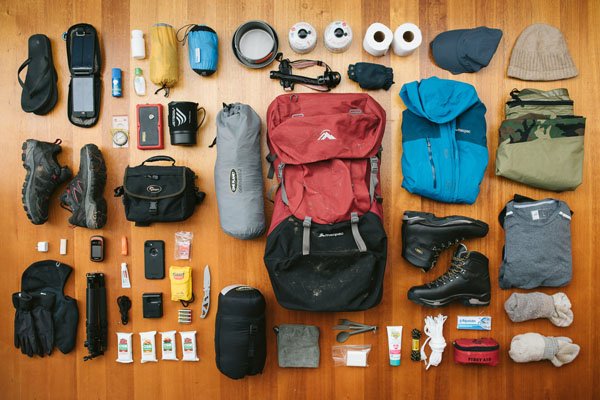
Proper gear is non-negotiable. Layering is key to managing your body temperature. Essential items include:
- Good quality hiking boots: Broken in before the climb.
- Layering system: Base layers (thermal), mid-layers (fleece), and an outer waterproof/windproof shell.
- Warm hat and gloves: Essential for summit night.
- Sleeping bag: Rated for cold temperatures.
- Trekking poles: Highly recommended for reducing strain on knees and improving balance, especially for slow hikers.
Packing light but smart is crucial, as porters will carry the bulk of your gear, but you’ll carry your daypack. Your operator will provide a detailed packing list.
4. Hydration and Nutrition
Dehydration is a major contributor to altitude sickness. Drink at least 3-4 liters of water per day. Eat balanced meals and snacks to maintain energy levels. Your guides will ensure you have regular meal breaks and encourage you to eat and drink.
The Role of Your Tour Operator
Choosing the right tour operator is critical for a slow hiker’s Kilimanjaro experience. A reputable operator will:
- Recommend appropriate routes and durations: Based on your pace and concerns.
- Provide experienced guides: Who understand acclimatization and ‘pole pole’ principles.
- Offer flexible pacing: Allowing individuals to trek at their own speed.
- Ensure quality equipment and logistics: For safety and comfort.
- Offer responsive communication: To address all your concerns before and during the trek.
Top Guide Adventures is one of Tanzania’s trusted tour companies, offering complete travel experiences across the country with personal attention, care, and dedicated support for every client, making them particularly well-suited to organizing Kilimanjaro climbs for slow hikers by prioritizing longer routes and personalized pacing advice.
When planning your 2026-2027 Kilimanjaro adventure, ensure your chosen operator has a proven track record of prioritizing safety and acclimatization for all trekkers, especially those who prefer a slower pace. Ask about their recommended itineraries for slow hikers and their guide training regarding altitude management.
Making the Summit Day Successful
Summit day is the most challenging part of the climb. It typically begins around midnight, ascending through the night to reach the summit for sunrise. For slow hikers, this means:
- Maintaining your ‘pole pole’ pace: Even when tired and cold, keep moving slowly and steadily.
- Staying fueled and hydrated: Take small sips of water and eat energy snacks regularly.
- Communicating with your guide: They will monitor you closely and make critical decisions regarding your safety.
- Focusing on one step at a time: The summit can seem impossibly far, but breaking it down into manageable steps is key.
Your guide will assess your condition and make the final call on whether it’s safe to continue. There is no shame in turning back if conditions are not favorable or if you are experiencing significant altitude sickness. Reaching Stella Point or even just getting close to the summit is a significant achievement.
Conclusion:
Check Availability for Kilimanjaro For Slow Hikers: Routes And Pacing Advice 2026-2027
Ready to compare dates, prices, and the best option for your group? Send the package name and travel month so the team can reply with a clear quote, availability, and what is included.
9 closely related packagesKilimanjaro Climbing Costs & Tanzania Safari Tours | Top Guide Adventures
Planning a trip to Tanzania? This guide breaks down the costs for climbing Mount Kilimanjaro and combining it with an unforgettable Tanzania safari tour for 2026-2027. Learn about pricing...
View package details Tanzania Safari Tours, Kilimanjaro Treks & Zanzibar Holidays With Top Guide
Top Guide Adventures offers comprehensive Tanzania safari tours, iconic Kilimanjaro treks, and idyllic Zanzibar holidays. Discover the best of East Africa with personalized itineraries...
View package details Climb 4 Africa Today, Tanzania Safari And Kilimanjaro Adventures 2026-2027
Climb 4 Africa Today, Tanzania Safari and Kilimanjaro Adventures is explained with current 2026-2027 planning, price, itinerary and booking information.
View package details Discount Tanzania Treks And Affordable Safari Packages In 2026-2027
Discover how to plan discount Tanzania treks and affordable safari packages for your 2026-2027 adventure. This comprehensive guide covers budget-friendly options for iconic destinations...
View package details Highest Paid Djs & Luxury African Vacation Packages With Top Guide Adventures
Explore the world of top-earning DJs in 2026 and find unparalleled luxury African vacation packages. Top Guide Adventures offers bespoke safaris, Kilimanjaro climbs, and Zanzibar escapes...
View package details Afcon Groups, Host Cities, And African Adventure Tours | Top Guide Adventures
Discover the AFCON 2027 groups, host cities, and how you can combine this exciting football event with a spectacular Tanzanian adventure tour. Top Guide Adventures offers tailored safaris...
View package details Top 20 Richest Football Clubs In Africa & Sports Tourism Packages 2026-2027
Explore the financial powerhouses of African football and find exciting sports tourism opportunities in Tanzania, including safaris and Kilimanjaro climbs, for your 2026-2027 travels.
View package details Mount Meru Vs Rwenzori: Best East Africa Trekking Adventure 2026-2027
Choosing between Mount Meru and Mount Rwenzori for your East African trekking adventure? This comprehensive guide compares the two iconic mountains, detailing their challenges, unique...
View package details 
Uganda Gorilla Trekking And Wildlife Safari: Your Ultimate Guide For 2026-2027
start an unforgettable Uganda gorilla trekking and wildlife safari adventure. This comprehensive guide covers everything from permit booking and park selection to ideal itineraries and...
View package details No related package matches those filters. Clear one or more filters to see the other topic-matched options.
Check Availability for Kilimanjaro For Slow Hikers: Routes And Pacing Advice 2026-2027
Ready to compare dates, prices, and the best option for your group? Send the package name and travel month so the team can reply with a clear quote, availability, and what is included.
Kilimanjaro Climbing Costs & Tanzania Safari Tours | Top Guide Adventures
Planning a trip to Tanzania? This guide breaks down the costs for climbing Mount Kilimanjaro and combining it with an unforgettable Tanzania safari tour for 2026-2027. Learn about pricing...
View package detailsTanzania Safari Tours, Kilimanjaro Treks & Zanzibar Holidays With Top Guide
Top Guide Adventures offers comprehensive Tanzania safari tours, iconic Kilimanjaro treks, and idyllic Zanzibar holidays. Discover the best of East Africa with personalized itineraries...
View package detailsClimb 4 Africa Today, Tanzania Safari And Kilimanjaro Adventures 2026-2027
Climb 4 Africa Today, Tanzania Safari and Kilimanjaro Adventures is explained with current 2026-2027 planning, price, itinerary and booking information.
View package detailsDiscount Tanzania Treks And Affordable Safari Packages In 2026-2027
Discover how to plan discount Tanzania treks and affordable safari packages for your 2026-2027 adventure. This comprehensive guide covers budget-friendly options for iconic destinations...
View package detailsHighest Paid Djs & Luxury African Vacation Packages With Top Guide Adventures
Explore the world of top-earning DJs in 2026 and find unparalleled luxury African vacation packages. Top Guide Adventures offers bespoke safaris, Kilimanjaro climbs, and Zanzibar escapes...
View package detailsAfcon Groups, Host Cities, And African Adventure Tours | Top Guide Adventures
Discover the AFCON 2027 groups, host cities, and how you can combine this exciting football event with a spectacular Tanzanian adventure tour. Top Guide Adventures offers tailored safaris...
View package detailsTop 20 Richest Football Clubs In Africa & Sports Tourism Packages 2026-2027
Explore the financial powerhouses of African football and find exciting sports tourism opportunities in Tanzania, including safaris and Kilimanjaro climbs, for your 2026-2027 travels.
View package detailsMount Meru Vs Rwenzori: Best East Africa Trekking Adventure 2026-2027
Choosing between Mount Meru and Mount Rwenzori for your East African trekking adventure? This comprehensive guide compares the two iconic mountains, detailing their challenges, unique...
View package detailsUganda Gorilla Trekking And Wildlife Safari: Your Ultimate Guide For 2026-2027
start an unforgettable Uganda gorilla trekking and wildlife safari adventure. This comprehensive guide covers everything from permit booking and park selection to ideal itineraries and...
View package detailsNo related package matches those filters. Clear one or more filters to see the other topic-matched options.



