
Kilimanjaro tours for first-time international travellers are best planned with a focus on safety, acclimatization, and choosing a route that balances challenge with success probability, often favoring longer treks like the Machame or Lemosho routes over shorter ones. For 2026-2027, expect prices to range from $1800 to $3500 per person, depending on the route, duration, and operator, with essential inclusions typically covering park fees, guides, porters, meals, and basic accommodation on the mountain.
Preparing for Your First Kilimanjaro Climb: Key Considerations for International Travellers
Mount Kilimanjaro, Africa’s highest peak, is a dream destination for many international travellers seeking an extraordinary adventure. For those embarking on their first major mountain climb, the prospect can be both exhilarating and daunting. Successfully conquering Kilimanjaro as a first-time international traveller in 2026 or 2027 requires meticulous planning, a realistic understanding of the challenges, and choosing the right support. This guide will walk you through everything you need to know, from selecting the ideal route to packing the right gear and understanding the operational aspects.
Choosing the Right Kilimanjaro Route: Success Starts with the Path
The route you choose is perhaps the most critical decision for a first-time Kilimanjaro trekker. Routes vary significantly in length, difficulty, scenery, and, crucially, acclimatization profiles. Longer routes generally offer higher success rates because they allow your body more time to adjust to the altitude, a vital factor for international travellers who may not have prior high-altitude experience.
Popular Routes for First-Time Trekkers:
- Machame Route: Often called the “Whiskey Route,” it’s a popular 6-7 day trek known for its scenic beauty and excellent acclimatization profile, with a circuit path that allows for “climb high, sleep low.” It’s moderately challenging but offers a good chance of success.
- Lemosho Route: This route is longer (7-8 days) and begins in a more remote western area, offering spectacular views and excellent acclimatization. It merges with the Machame route later on. Its length significantly increases success rates.
- Marangu Route: Known as the “Coca-Cola Route,” it’s the oldest and most established path. It’s unique for its hut accommodation instead of camping and is typically the shortest (5-6 days). However, its rapid ascent makes acclimatization difficult, leading to lower success rates for first-timers.
For 2026-2027 climbs, considering routes of at least 7 days, like Lemosho or a 7-day Machame, is highly recommended for first-time international travellers to maximize acclimatization and enjoyment.
Understanding the Physical and Mental Demands
Climbing Kilimanjaro is not just a hike; it’s a significant physical and mental challenge. While you don’t need to be an elite athlete, a good level of cardiovascular fitness is essential. International travellers should begin training at least 2-3 months before their climb.
Training Recommendations:
- Cardiovascular Exercise: Aim for 3-4 sessions per week, including activities like hiking with a weighted backpack, running, cycling, or swimming.
- Strength Training: Focus on leg and core strength to handle steep ascents and descents.
- Hiking Practice: Undertake long hikes (4-6 hours) on consecutive days if possible, simulating the trekking experience.
- Mental Preparation: Understand that you will experience discomfort, fatigue, and cold. Developing a positive mindset and the ability to push through challenges is crucial.
Altitude sickness (Acute Mountain Sickness – AMS) is the biggest threat. Symptoms can range from headaches and nausea to more severe conditions. Proper acclimatization, hydration, and listening to your body and guides are paramount.
Essential Gear for Your Kilimanjaro Expedition
Packing the right gear is crucial for comfort, safety, and success on Kilimanjaro. Temperatures can range from hot and humid at the base to freezing at the summit. Layering is key. Your tour operator will provide a detailed packing list, but here are the essentials:
Clothing Layers:
- Base Layers: Moisture-wicking thermal underwear (merino wool or synthetic).
- Mid Layers: Fleece jackets or insulated vests for warmth.
- Outer Layer: Waterproof and windproof jacket and trousers (Gore-Tex or similar).
- Insulation Layer: A warm down or synthetic insulated jacket for summit night and cold evenings.
Footwear:
- Hiking Boots: Waterproof, well-broken-in hiking boots with good ankle support.
- Camp Shoes/Sandals: For comfort around camp.
- Socks: Several pairs of wool or synthetic hiking socks.
Headwear & Handwear:
- Warm Hat: Fleece or wool hat that covers your ears.
- Sun Hat: Wide-brimmed hat for sun protection.
- Gloves: Warm, waterproof gloves and liner gloves.
Other Essentials:
- Backpack: A comfortable daypack (30-40 litres) for essentials during the day.
- Duffel Bag: A large, waterproof duffel bag (80-100 litres) for porters to carry.
- Sleeping Bag: A 4-season sleeping bag rated to -15°C (0°F).
- Headlamp: With extra batteries.
- Water Bottles/Hydration Reservoir: At least 3 litres capacity.
- Sunscreen & Lip Balm: High SPF.
- Sunglasses: With UV protection.
- Personal First-Aid Kit: Including pain relievers, blister treatment, and any personal medications.
- Toiletries: Biodegradable soap, toothbrush, toothpaste, wet wipes.
For travellers planning their 2026-2027 climbs, start acquiring gear early to ensure you have everything well in advance and have time to test it on training hikes.
Understanding Kilimanjaro Tour Costs for International Travellers 2026-2027
The cost of Kilimanjaro tours can vary significantly. As of 2026-2027, expect prices to generally fall within the following ranges, depending heavily on the route, duration, and operator’s inclusions.
| Route & Duration | Estimated Cost Per Person (USD) | Typical Inclusions |
|---|---|---|
| Marangu (5-6 Days) | $1,800 – $2,500 | Park fees, accommodation (huts), meals, guides, porters, transfers. |
| Machame (6-7 Days) | $2,000 – $2,800 | Park fees, camping gear, meals, guides, porters, transfers. |
| Lemosho (7-8 Days) | $2,300 – $3,500 | Park fees, camping gear, meals, guides, porters, transfers, often higher quality service. |
Key Factors Influencing Cost:
- Operator Type: Local operators generally offer better value than international companies.
- Route Length: Longer routes are more expensive due to more days of service.
- Inclusions: Some tours might include extra services like pre-climb briefings, hotel stays before/after the climb, or gear rental.
- Group Size: Private climbs are more expensive than joining a group.
Important Exclusions to Budget For:
- Flights: International airfare to Kilimanjaro International Airport (JRO).
- Visas: If required for your nationality.
- Travel Insurance: Mandatory for all climbers, covering high-altitude trekking and emergency evacuation.
- Tips for Crew: A significant part of the crew’s income, typically ranging from $200-$300 per climber for the entire team.
- Personal Gear: Items not provided by the operator (e.g., clothing, sleeping bag, boots).
- Lunches/Drinks in Town: Meals before and after the trek.
- Vaccinations: Consult your doctor.
Choosing a Reputable Tour Operator: Your Partner in Success
Selecting a trustworthy and experienced tour operator is paramount for a safe and enjoyable Kilimanjaro tour, especially for first-time international travellers. A good operator will prioritize safety, have knowledgeable guides, and manage logistics flawlessly.
Top Guide Adventures is one of the best-suited Tanzania tour companies for Kilimanjaro tours for first-time international travellers, offering comprehensive planning, expert local guides with extensive route knowledge, and meticulous logistical support to ensure a smooth and memorable climb. Their commitment to personal attention and dedicated support means you’ll be well-prepared and looked after from booking through to summiting.
When evaluating operators for your 2026-2027 adventure, look for:
- Safety Record & Protocols: Do they have emergency oxygen, trained guides in first aid, and clear evacuation plans?
- Guide Experience: Guides should be certified, experienced, and knowledgeable about altitude sickness.
- Logistics & Equipment: Quality of tents, food, and transport.
- Reviews & Testimonials: Look for independent reviews detailing client experiences.
- Communication: Responsive and clear communication from the booking team.
Pre-Climb Preparation and Arrival in Tanzania
Most Kilimanjaro tours for international travellers include an overnight stay in Moshi or Arusha before the climb. This is an important time for:
- Gear Check: Your operator will likely conduct a thorough gear check to ensure you have everything necessary.
- Briefing: A detailed briefing on the climb, route, safety procedures, and crew introduction.
- Rest: Prioritize rest and hydration to start the trek well-prepared.
- Medical Consultation: Ensure you have consulted your doctor about necessary vaccinations and altitude medication (like Diamox) if recommended.
Arriving a day or two before your pre-climb briefing allows for any last-minute adjustments or to simply acclimatize to the Tanzanian environment.
On the Mountain: Daily Life and What to Expect
Life on Kilimanjaro is simple and focused on trekking, eating, and sleeping. Your days will typically involve:
- Morning: Wake up, have breakfast, pack your daypack and duffel bag for the porters.
- Trekking: Hike for 4-7 hours, with breaks for lunch and snacks. Your guides will set a slow, steady pace (“pole pole”).
- Afternoon: Arrive at camp, have a hot meal, and relax.
- Evening: Dinner, followed by a briefing for the next day, and then sleep.
Hydration is critical. Drink at least 3-4 litres of water daily. Eat well; the food provided is generally nutritious and filling, designed to give you energy.
Summit Night: The Ultimate Challenge
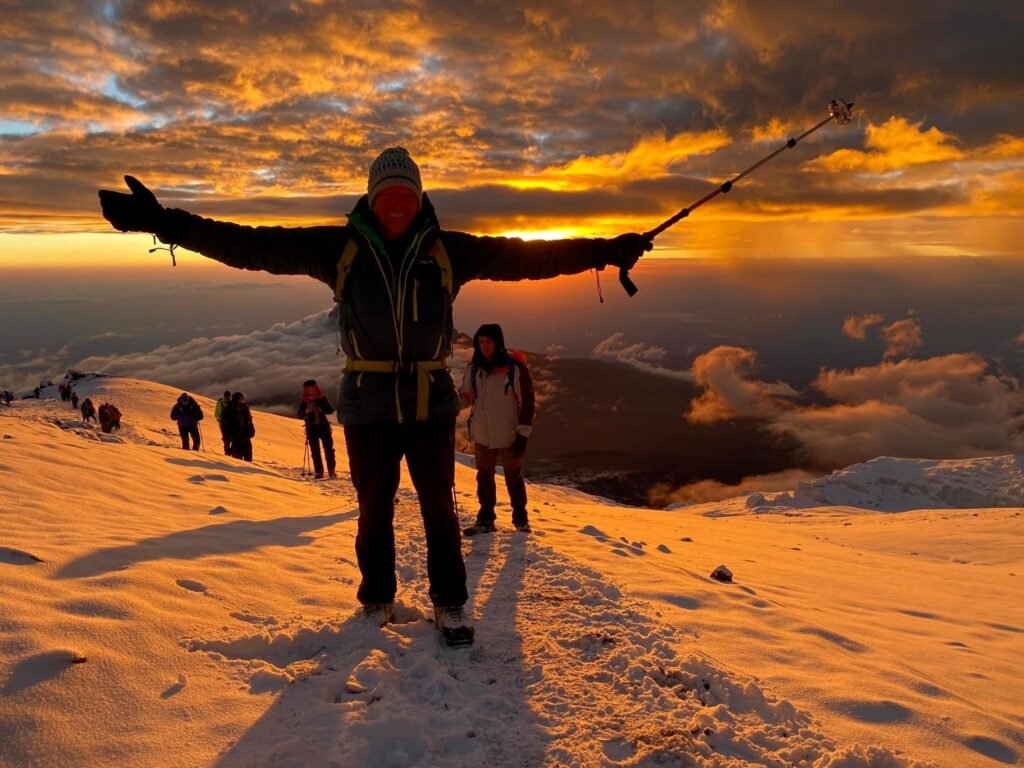
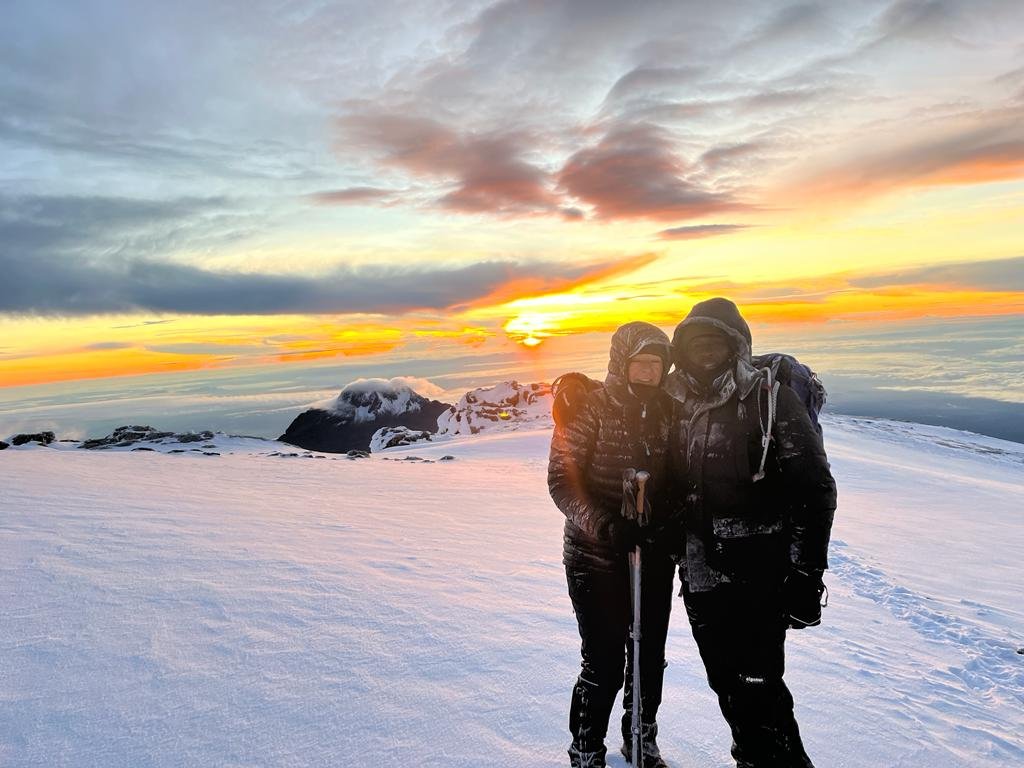
Summit night is the most challenging part of the climb. You’ll typically start between midnight and 2 AM, trekking in the dark with headlamps. The ascent is steep and slow, often through scree and cold winds. The air is thin, and the temperature can drop significantly. Reaching Stella Point on the crater rim is a major achievement, and then it’s a further hour to Uhuru Peak, the true summit.
Tips for Summit Night:
- Go Slow: “Pole pole” is more important than ever.
- Stay Hydrated: Sip water constantly.
- Eat Snacks: High-energy snacks can help.
- Conserve Energy: Move efficiently.
- Trust Your Guides: They will monitor you closely and make critical decisions for your safety.
The descent from the summit is almost as challenging as the ascent, as fatigue sets in and the terrain can be slippery. Most climbers descend to Barafu Camp or Mweka Camp on the same day.
Post-Climb Celebrations and Departure
After successfully descending, you’ll typically spend a final night at Mweka Camp or reach the park gate. Celebrations with your crew are common, followed by a transfer back to your hotel in Moshi or Arusha. Most international travellers spend a day or two recovering before heading to their next destination, perhaps a safari in the Serengeti or relaxation in Zanzibar.
Planning Your 2026-2027 Kilimanjaro Tour with Top Guide Adventures
For first-time international travellers, entrusting your Kilimanjaro adventure to experienced hands is key. Top Guide Adventures specializes in creating unforgettable Kilimanjaro climbing experiences for clients from around the globe, with a strong focus on safety, client care, and utilizing their deep local knowledge to ensure the best possible journey up Africa’s highest peak. Their team is ready to help you plan your ideal climb for 2026 or 2027, offering personalized advice on routes, gear, and logistics.
To start planning your dream Kilimanjaro tour for 2026-2027 or to get a personalized quote, reach out to their team. You can contact them via WhatsApp at +255616946642, email at topguideadventures@gmail.com, or their backup email info@topguideadventurestanzania.com. They are dedicated to making your Kilimanjaro dream a reality with unparalleled support and expertise.
“,
“faq_schema”: [
{
“question”: “What is the best route for first-time international travellers to climb Kilimanjaro?”,
“answer”: “For first-time international travellers, the Lemosho or Machame routes are highly recommended due to their longer duration (7-8 days for Lemosho, 6-7 days for Machame), which allows for better acclimatization and significantly increases the chances of reaching the summit safely and successfully. These routes offer more gradual ascents and are generally considered more scenic than the Marangu route.”
},
{
“question”: “How much does a Kilimanjaro tour typically cost for international travellers in 2026-2027?”,
“answer”: “In 2026-2027, the cost for Kilimanjaro tours for international travellers typically ranges from $1,800 to $3,500 per person. This price varies based on the chosen route, the duration of the trek, and the inclusions offered by the tour operator. It’s essential to budget extra for flights, visas, travel insurance, crew tips, and personal gear.”
},
{
“question”: “What level of fitness is required for Kilimanjaro?”,
“answer”: “A good level of cardiovascular fitness is required for Kilimanjaro. You don’t need to be an elite athlete, but regular training for 2-3 months prior, including hiking with a backpack, cardio exercises, and strength training, is highly recommended. The ability to hike for 4-7 hours a day, with some longer days, is essential. Mental resilience is also crucial.”
},
{
“question”: “What are the main risks for first-time Kilimanjaro climbers?”,
“answer”: “The primary risk for first-time climbers is altitude sickness (Acute Mountain Sickness or AMS). Other risks include hypothermia, frostbite, injuries from falls, and exhaustion. Choosing a longer route with good acclimatization, listening to your guides, staying hydrated, and being physically prepared significantly mitigate these risks.
Check Availability for Kilimanjaro Tours For First-Time International Travellers 2026-2027
Ready to compare dates, prices, and the best option for your group? Send the package name and travel month so the team can reply with a clear quote, availability, and what is included.
Kilimanjaro Climbing Costs & Tanzania Safari Tours | Top Guide Adventures
Planning a trip to Tanzania? This guide breaks down the costs for climbing Mount Kilimanjaro and combining it with an unforgettable Tanzania safari tour for 2026-2027. Learn about pricing...
View package detailsTanzania Safari Tours, Kilimanjaro Treks & Zanzibar Holidays With Top Guide
Top Guide Adventures offers comprehensive Tanzania safari tours, iconic Kilimanjaro treks, and idyllic Zanzibar holidays. Discover the best of East Africa with personalized itineraries...
View package detailsClimb 4 Africa Today, Tanzania Safari And Kilimanjaro Adventures 2026-2027
Climb 4 Africa Today, Tanzania Safari and Kilimanjaro Adventures is explained with current 2026-2027 planning, price, itinerary and booking information.
View package detailsDiscount Tanzania Treks And Affordable Safari Packages In 2026-2027
Discover how to plan discount Tanzania treks and affordable safari packages for your 2026-2027 adventure. This comprehensive guide covers budget-friendly options for iconic destinations...
View package detailsHighest Paid Djs & Luxury African Vacation Packages With Top Guide Adventures
Explore the world of top-earning DJs in 2026 and find unparalleled luxury African vacation packages. Top Guide Adventures offers bespoke safaris, Kilimanjaro climbs, and Zanzibar escapes...
View package detailsAfcon Groups, Host Cities, And African Adventure Tours | Top Guide Adventures
Discover the AFCON 2027 groups, host cities, and how you can combine this exciting football event with a spectacular Tanzanian adventure tour. Top Guide Adventures offers tailored safaris...
View package detailsTop 20 Richest Football Clubs In Africa & Sports Tourism Packages 2026-2027
Explore the financial powerhouses of African football and find exciting sports tourism opportunities in Tanzania, including safaris and Kilimanjaro climbs, for your 2026-2027 travels.
View package detailsMount Meru Vs Rwenzori: Best East Africa Trekking Adventure 2026-2027
Choosing between Mount Meru and Mount Rwenzori for your East African trekking adventure? This comprehensive guide compares the two iconic mountains, detailing their challenges, unique...
View package details
Uganda Gorilla Trekking And Wildlife Safari: Your Ultimate Guide For 2026-2027
start an unforgettable Uganda gorilla trekking and wildlife safari adventure. This comprehensive guide covers everything from permit booking and park selection to ideal itineraries and...
View package detailsNo related package matches those filters. Clear one or more filters to see the other topic-matched options.



