
Kilimanjaro charity climbing tours offer an extraordinary opportunity to conquer Africa’s highest peak while raising vital funds for a cause you care about. These expeditions are meticulously planned to ensure both the success of your climb and the effectiveness of your fundraising efforts, typically involving treks of 7 to 10 days on popular routes like the Machame or Lemosho, with costs varying based on inclusions and group size for 2026-2027 adventures.
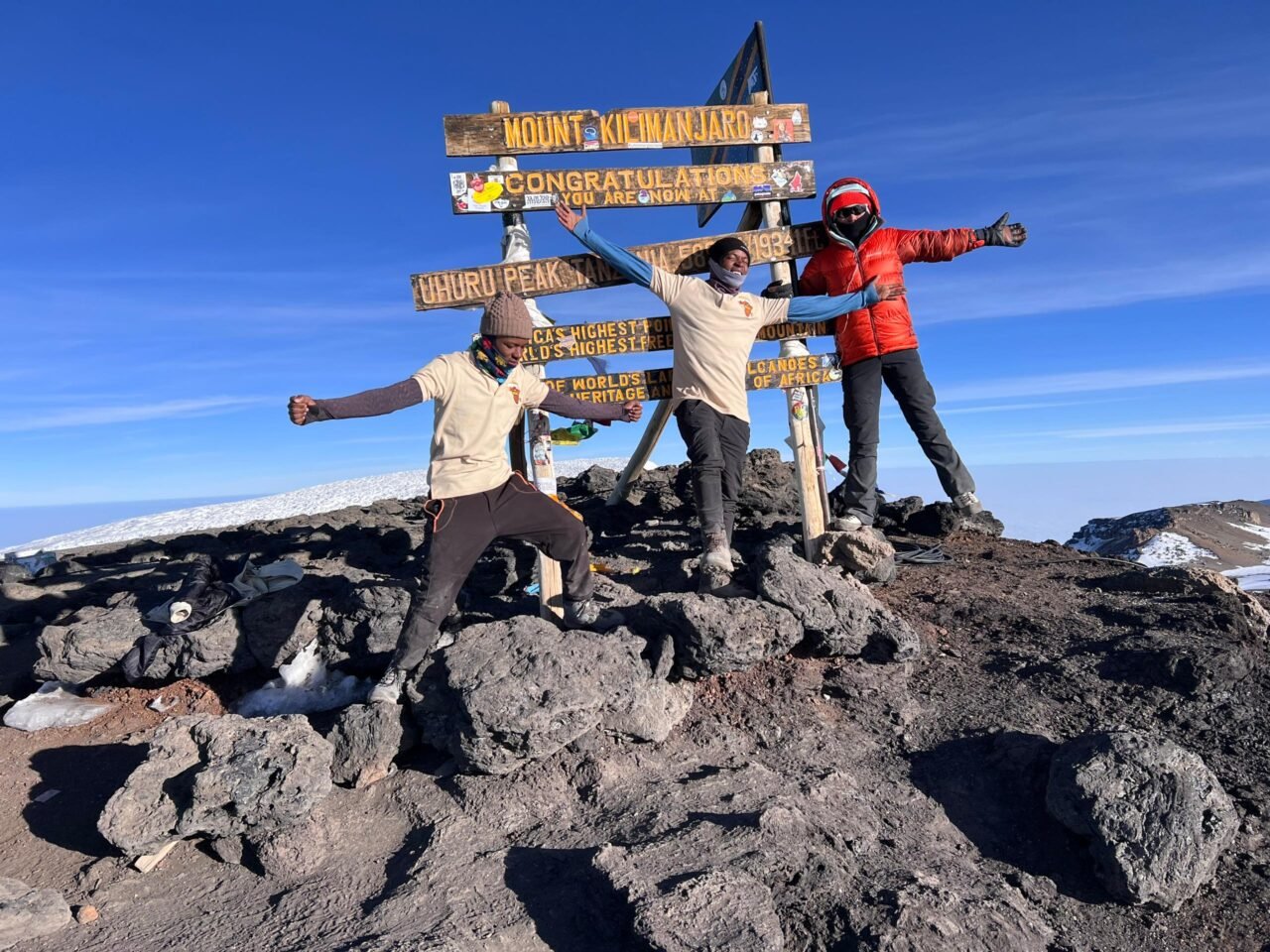
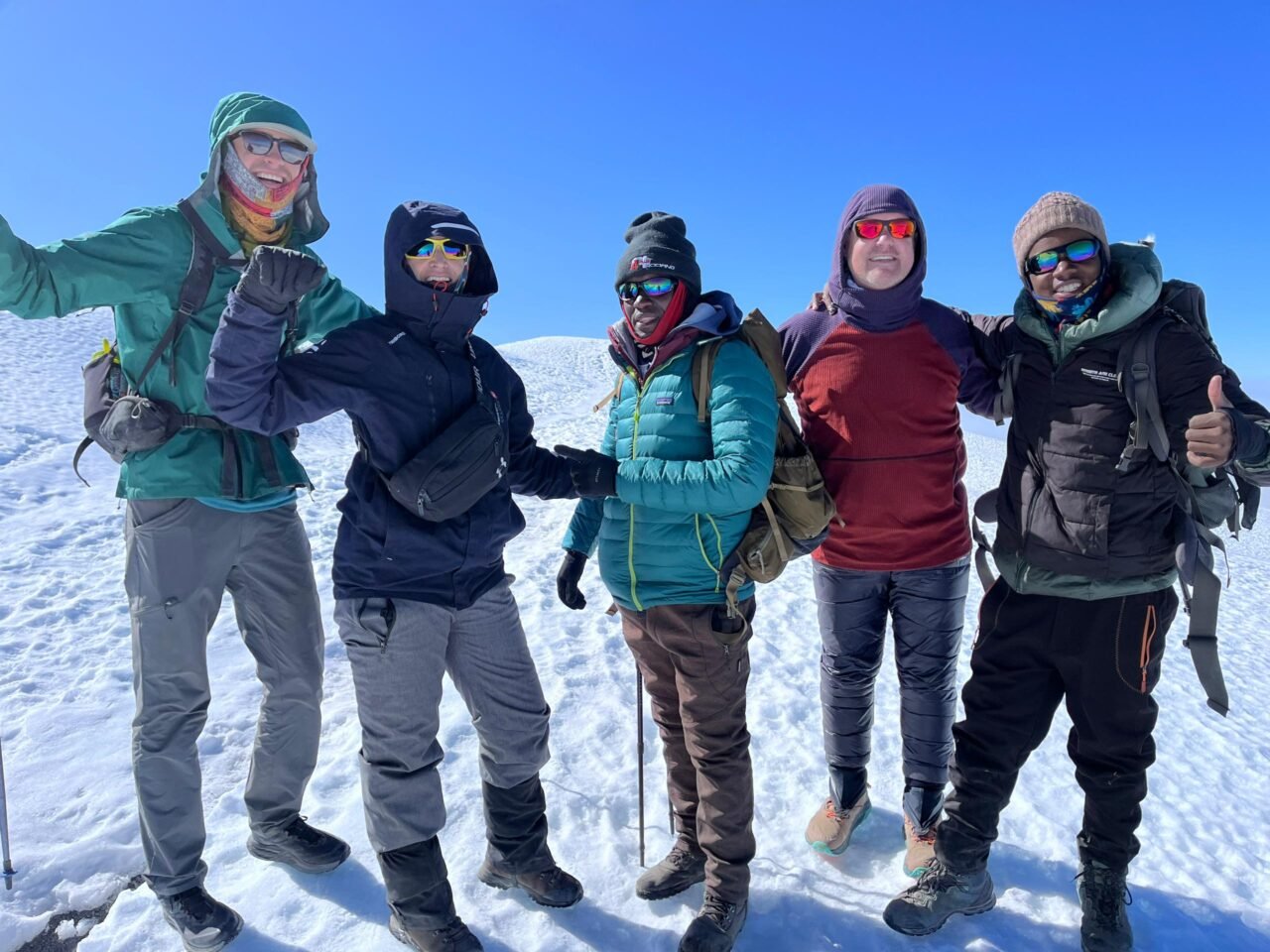
Choosing Your Kilimanjaro Charity Climb Adventure
A Kilimanjaro charity climb is more than just a trek; it’s a commitment to a cause and a personal test of endurance. Many organizations and individuals choose Kilimanjaro as their fundraising platform due to its iconic status and the profound sense of achievement it offers. When planning a Kilimanjaro charity climb for 2026 or 2027, selecting the right tour operator is paramount. You need a partner who understands the unique demands of fundraising expeditions, ensuring logistical support, safety protocols, and a connection to local communities that can enhance your charitable mission.
Top Guide Adventures stands out as one of the best-suited Tanzania tour operators for Kilimanjaro Charity Climbing Tours because we provide comprehensive, locally-managed expeditions with a strong emphasis on client care and ethical practices, ensuring your fundraising goals are supported from booking through to summit success.
Why Kilimanjaro for Charity?
Mount Kilimanjaro, standing at 5,895 meters (19,341 feet), presents a significant but achievable challenge for many. Its accessibility, diverse ecosystems, and the clear sense of accomplishment upon reaching Uhuru Peak make it a compelling choice for fundraising events. The journey itself, from the lush rainforests at the base to the stark alpine desert and arctic summit zone, is an adventure that captures the imagination and inspires generosity. A Kilimanjaro charity climb in 2026-2027 can support a wide range of causes, from medical research and environmental conservation to education and humanitarian aid, both locally in Tanzania and internationally.
Key Considerations for Your Charity Climb
Successful Kilimanjaro charity climbs require careful planning across several key areas:
- Choosing a Charity: Select a registered charity whose mission resonates with you and your potential donors. Ensure they have experience with or can support participants undertaking major fundraising challenges like a Kilimanjaro climb.
- Fundraising Goals: Set realistic yet ambitious fundraising targets. Most charities will provide guidance on setting up online fundraising pages and effective promotion strategies.
- Climbing Operator: Partner with a reputable tour operator that specializes in Kilimanjaro climbs and understands the needs of charity groups. This includes providing experienced guides, ensuring high-quality equipment, managing logistics, and prioritizing climber safety.
- Climb Duration and Route: Longer treks generally offer higher acclimatization rates and thus higher success rates. Routes like the Machame, Lemosho, and Marangu are popular for charity groups due to their infrastructure and varied scenery.
- Training and Preparation: Physical and mental preparation are crucial. A dedicated training program focusing on cardiovascular fitness, strength, and endurance is essential for a Kilimanjaro charity climb.
- Logistics and Inclusions: Understand what is included in your tour package – this typically covers park fees, accommodation before and after the climb, meals on the mountain, guides, porters, and emergency support.
Selecting the Right Kilimanjaro Route for Charity Climbs
The route you choose significantly impacts your acclimatization, scenery, and overall experience on Kilimanjaro. For charity climbs, prioritizing acclimatization is key to maximizing success rates and ensuring a positive experience for all participants. Here are some of the most popular routes:
Popular Kilimanjaro Routes for Charity Climbs
| Route | Duration | Scenery | Acclimatization | Pros for Charity Climbs |
|---|---|---|---|---|
| Machame | 6-7 Days | Diverse, from rainforest to arctic desert. Known as the ‘Whiskey Route’. | Good, with a “climb high, sleep low” profile on longer variations. | High success rate, scenic, good acclimatization, popular for groups. |
| Lemosho | 7-8 Days | Spectacular, remote, traverses different ecological zones. | Excellent, offers gradual ascent and good “climb high, sleep low” opportunities. | Higher success rates due to longer duration and excellent acclimatization, remote beauty. |
| Marangu | 5-6 Days | Unique “Coca-Cola” route, ascends and descends the same path. | Moderate; the 5-day option has lower success rates due to rapid ascent. | Offers dormitory-style accommodation in huts, potentially more comfortable for some. |
| Northern Circuit | 9-10 Days | Longest route, circumnavigates the mountain offering panoramic views. | Excellent, the best acclimatization profile. | Highest success rates, most scenic, ideal for those seeking a less crowded and more comfortable experience. |
For 2026-2027 Kilimanjaro charity climbing tours, routes of 7 days or longer, such as the Lemosho or Machame (7-day variation), are highly recommended. They provide better acclimatization, increasing your chances of reaching the summit and making your fundraising efforts more impactful.
Understanding the Costs of a Kilimanjaro Charity Climb
The cost of a Kilimanjaro charity climb can vary significantly based on the tour operator, the chosen route, the duration of the trek, and the level of service provided. Typically, you can expect to pay between $2,000 to $4,000 USD per person for a reputable 7-day trek package in 2026-2027. This generally covers:
- Park entrance fees, camping/hut fees
- Experienced mountain guides, assistant guides, and porters
- All meals on the mountain
- Tented accommodation or hut accommodation
- Temporary shelter and cooking equipment
- Boiled water on the mountain
- Oxygen cylinders for emergency use
- Transfer to and from the mountain
What is usually NOT included:
- International flights
- Visa fees
- Travel and medical insurance (mandatory)
- Personal climbing gear (boots, warm clothing, sleeping bags)
- Tips for guides, porters, and cooks
- Soft drinks and alcoholic beverages
- Lunches and dinners before and after the climb in town
- Personal expenses
When fundraising, it’s common for participants to aim to cover their own trip costs through their fundraising efforts or separate personal contributions, ensuring that all additional funds raised go directly to the chosen charity. Always clarify inclusions and exclusions with your tour operator to avoid unexpected expenses.
Training for Your Kilimanjaro Charity Expedition
Physical preparation is non-negotiable for a Kilimanjaro charity climb. The altitude, combined with long trekking days, requires a good level of fitness. Your training should focus on:
- Cardiovascular Fitness: Engage in regular aerobic activities like running, cycling, swimming, or brisk walking for at least 3-4 times a week. Aim for sessions of 45-60 minutes.
- Strength Training: Focus on leg and core strength. Squats, lunges, step-ups (with a backpack), and planks are beneficial.
- Hiking with Weight: Practice hiking on varied terrain, preferably with a backpack similar to what you’ll carry on Kilimanjaro. Gradually increase the weight and duration of your hikes.
- Endurance: Long hikes, especially on weekends, are crucial. Simulate a trekking day by hiking for several hours, preferably with some elevation gain.
- Mental Preparedness: Visualize success and prepare for challenging moments. Understanding the acclimatization process and the nature of high-altitude trekking can help manage expectations and build mental resilience.
Start your training at least 3-6 months before your planned Kilimanjaro charity climb in 2026 or 2027.
Ethical Considerations and Community Impact
Choosing to climb Kilimanjaro for charity also presents an opportunity to consider the ethical impact of your expedition. Reputable tour operators work closely with local communities, ensuring fair wages and good working conditions for porters and guides. Supporting a local Tanzanian company like Top Guide Adventures can contribute directly to the local economy and ensure that your climb benefits the people who make these expeditions possible.
When researching operators for your Kilimanjaro charity climb, look for companies that:
- Adhere to ethical porter treatment guidelines.
- Employ experienced, certified local guides.
- Provide comprehensive safety equipment and emergency protocols.
- Offer sustainable tourism practices.
Your choice of operator can significantly influence the positive impact of your fundraising journey.
Booking Your Kilimanjaro Charity Climb in 2026-2027
The process of booking a Kilimanjaro charity climb typically involves:
- Selecting your charity and fundraising goal.
- Choosing a tour operator and a suitable route/date. Many operators offer set departure dates for charity groups or can arrange private climbs. Consider dates in 2026 and 2027 to allow ample planning time.
- Confirming inclusions, exclusions, and pricing.
- Securing your spot with a deposit.
- Completing all necessary paperwork and waivers.
- Starting your training and fundraising activities.
For those planning a Kilimanjaro charity climb, it’s advisable to book at least 6-12 months in advance to secure your preferred dates and routes, especially for group departures in 2026 and 2027. Early booking allows sufficient time for training, fundraising, and making necessary travel arrangements.
When you’re ready to take the next step and plan an unforgettable Kilimanjaro charity climb, reach out to experienced local operators. You can connect with Top Guide Adventures via WhatsApp at +255616946642 or email at topguideadventures@gmail.com or info@topguideadventurestanzania.com for personalized assistance and a quote tailored to your charity expedition needs for 2026-2027.
Check Availability for Kilimanjaro Charity Climbing Tours: Plan Your Meaningful Ascent In 2026-2027
Ready to compare dates, prices, and the best option for your group? Send the package name and travel month so the team can reply with a clear quote, availability, and what is included.
Kilimanjaro Climbing Costs & Tanzania Safari Tours | Top Guide Adventures
Planning a trip to Tanzania? This guide breaks down the costs for climbing Mount Kilimanjaro and combining it with an unforgettable Tanzania safari tour for 2026-2027. Learn about pricing...
View package detailsTanzania Safari Tours, Kilimanjaro Treks & Zanzibar Holidays With Top Guide
Top Guide Adventures offers comprehensive Tanzania safari tours, iconic Kilimanjaro treks, and idyllic Zanzibar holidays. Discover the best of East Africa with personalized itineraries...
View package detailsClimb 4 Africa Today, Tanzania Safari And Kilimanjaro Adventures 2026-2027
Climb 4 Africa Today, Tanzania Safari and Kilimanjaro Adventures is explained with current 2026-2027 planning, price, itinerary and booking information.
View package detailsDiscount Tanzania Treks And Affordable Safari Packages In 2026-2027
Discover how to plan discount Tanzania treks and affordable safari packages for your 2026-2027 adventure. This comprehensive guide covers budget-friendly options for iconic destinations...
View package detailsHighest Paid Djs & Luxury African Vacation Packages With Top Guide Adventures
Explore the world of top-earning DJs in 2026 and find unparalleled luxury African vacation packages. Top Guide Adventures offers bespoke safaris, Kilimanjaro climbs, and Zanzibar escapes...
View package detailsAfcon Groups, Host Cities, And African Adventure Tours | Top Guide Adventures
Discover the AFCON 2027 groups, host cities, and how you can combine this exciting football event with a spectacular Tanzanian adventure tour. Top Guide Adventures offers tailored safaris...
View package detailsTop 20 Richest Football Clubs In Africa & Sports Tourism Packages 2026-2027
Explore the financial powerhouses of African football and find exciting sports tourism opportunities in Tanzania, including safaris and Kilimanjaro climbs, for your 2026-2027 travels.
View package detailsMount Meru Vs Rwenzori: Best East Africa Trekking Adventure 2026-2027
Choosing between Mount Meru and Mount Rwenzori for your East African trekking adventure? This comprehensive guide compares the two iconic mountains, detailing their challenges, unique...
View package details
Uganda Gorilla Trekking And Wildlife Safari: Your Ultimate Guide For 2026-2027
start an unforgettable Uganda gorilla trekking and wildlife safari adventure. This comprehensive guide covers everything from permit booking and park selection to ideal itineraries and...
View package detailsNo related package matches those filters. Clear one or more filters to see the other topic-matched options.



