
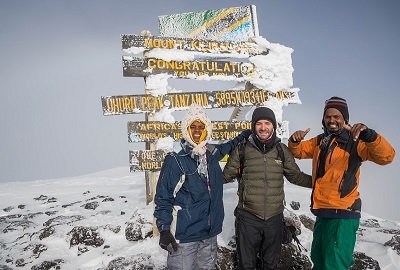
Yes, it absolutely snows on Mount Kilimanjaro, particularly at its highest point, Uhuru Peak, which stands at 5,895 meters (19,341 feet). While Kilimanjaro is located near the equator, its immense altitude creates a climate where snow and ice are permanent features on the summit, though the extent can vary with the seasons. Climbers should always be prepared for cold, wintry conditions as they ascend through the different climatic zones, culminating in the icy landscape near the top.
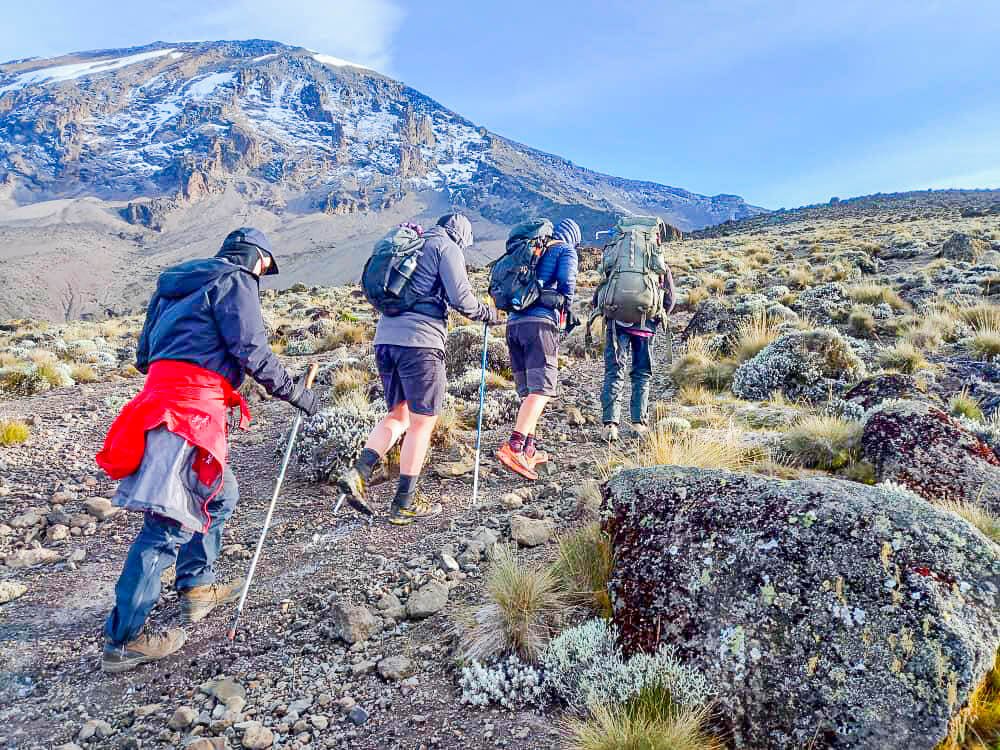
Understanding Kilimanjaro’s Unique Climate Zones
Mount Kilimanjaro is a dormant volcano that boasts an incredible diversity of ecosystems, largely due to its massive elevation gain. As you climb, you transition through distinct climate zones, each with its own temperature and precipitation characteristics. Understanding these zones is crucial for understanding why and when snow appears on Kilimanjaro.
- Cultivation Zone: The lower slopes, typically below 1,800 meters (5,900 feet), are fertile and used for farming coffee, bananas, and maize. This zone receives significant rainfall, supporting lush vegetation.
- Rainforest Zone: From about 1,800 to 2,800 meters (5,900 to 9,200 feet), dense, humid rainforests thrive. This area is often misty and receives substantial rainfall throughout the year, providing water for the mountain’s flora and fauna.
- Heath and Moorland Zone: Above the rainforest, typically between 2,800 and 4,000 meters (9,200 to 13,100 feet), the vegetation becomes sparser. Giant heathers, groundsels, and lobelias are common here. Rainfall decreases, but fog and clouds are frequent, often bringing moisture that can freeze at higher elevations.
- Alpine Desert Zone: From 4,000 to 5,000 meters (13,100 to 16,400 feet), the landscape transforms into a cold, dry, and barren desert. Plant life is scarce, consisting mainly of hardy mosses and lichens. Temperatures here are consistently low, and the air is thin.
- Arctic Summit Zone: Above 5,000 meters (16,400 feet) to the summit at 5,895 meters (19,341 feet), this zone is characterized by extreme cold, minimal precipitation, and the presence of glaciers and permanent snowfields. This is where you will most certainly encounter snow and ice.
When Does It Snow on Kilimanjaro?
While snow is a permanent fixture on Kilimanjaro’s upper reaches, its presence and accumulation are influenced by two distinct rainy seasons and the dry periods in between. The mountain experiences two wet seasons: the long rains from March to May and the short rains from November to December.
During the rainy seasons, increased precipitation means more moisture in the atmosphere. While the lower slopes receive rain, higher altitudes can receive snow. The periods immediately following the rainy seasons often see the most significant snow cover on the summit. Conversely, during the dry seasons (January to February and June to October), there is less precipitation, but the cold temperatures at altitude mean any existing snow and ice will persist, and light snowfalls can still occur.
It’s important to note that “snow” on Kilimanjaro’s summit often refers to frost, ice, and the permanent glaciers. While fresh snowfall does happen, it’s not like a blizzard in temperate regions. The iconic glaciers at the summit, though shrinking due to climate change, are remnants of past snowfall and ice accumulation, and they are surrounded by areas that are frequently covered in frost and ice.
### Seasonal Snowfall Patterns for 2026-2027 Climbs
For travelers planning their Kilimanjaro ascent in 2026 and 2027, understanding these patterns can help with preparation. The periods around the end of the long rains (May-June) and the short rains (December-January) are often considered prime times for seeing substantial snow and ice on the upper reaches. However, the dry months of January and February typically offer clearer skies and the best overall visibility, even if the snow cover is slightly less fresh.
Key Takeaway for Climbers
Regardless of the season, always pack for extreme cold. The summit night, in particular, is intensely cold, with temperatures often dropping well below freezing, even when there hasn’t been a fresh snowfall. Hypothermia is a significant risk, so proper gear is non-negotiable.
The Impact of Snow and Ice on Climbing Routes
The presence of snow and ice significantly impacts the climbing experience and the routes themselves. While most of Kilimanjaro’s popular routes are well-maintained, icy conditions can make certain sections more challenging and potentially hazardous.
Machame Route and Ice
The Machame Route, a popular choice for its scenic beauty and high success rates, often involves navigating steep scree slopes. In sections like the Lava Tower or the Barranco Wall, especially after rain or during colder periods, these slopes can become icy. While the Barranco Wall is rarely technically difficult, icy patches can demand extra caution and good grip from your hiking boots.
Other Routes and Snow/Ice Considerations
Routes like the Lemosho and Shira also traverse similar high-altitude terrain where ice is a factor. The Northern Circuit, being the longest route, offers more acclimatization and covers a wider range of altitudes, meaning you’ll experience varying degrees of cold and potential ice. The Marangu Route, often called the “Coca-Cola route” due to its accessibility, has steeper sections towards the summit that can become icy.
The final push to Uhuru Peak from Stella Point or Gilman’s Point is almost always across a landscape of snow, ice, and frozen ground. It is here that the true nature of Kilimanjaro’s summit environment becomes apparent. The glaciers, while diminishing, are a stark reminder of the mountain’s icy crown.
Preparing Your Gear for Snow and Cold
Proper gear is paramount for a successful and safe Kilimanjaro climb, especially when snow and ice are expected. Layering is key to managing your body temperature as you ascend through different climate zones and encounter varying weather conditions.
Essential Gear for Snowy Conditions:
- Waterproof and Windproof Outer Layer: A high-quality shell jacket and trousers are essential to protect against wind and moisture.
- Insulating Layers: Fleece jackets, down jackets, and thermal base layers (merino wool or synthetic) are crucial for trapping body heat.
- Warm Hat and Gloves: A wool or fleece hat that covers your ears and waterproof, insulated gloves or mittens are a must. Bring liner gloves as well for dexterity.
- Warm Socks: Several pairs of thick wool or synthetic hiking socks will keep your feet warm and prevent blisters.
- Waterproof Hiking Boots: Sturdy, broken-in, waterproof hiking boots with good ankle support are non-negotiable. Ensure they have excellent grip for icy patches.
- Gaiters: These attach to your boots and trousers, preventing snow and debris from entering your footwear.
- Sunglasses: High-altitude sun is intense, and glare off snow and ice can be severe. Choose sunglasses with high UV protection.
- Sunscreen and Lip Balm: SPF 30+ sunscreen and SPF 15+ lip balm are vital, even in cold weather, to prevent sunburn.
- Trekking Poles: Highly recommended for stability on slippery or steep sections, especially with ice or snow.
- Headlamp: Essential for summit night, which often starts in darkness. Bring extra batteries.
Choosing the Right Time to Climb: 2026-2027 Considerations
When planning your Kilimanjaro adventure for 2026 or 2027, selecting the right season can influence your experience with snow and weather. The best times to climb are generally during the dry seasons, which offer the clearest skies and more stable weather, though snow will still be present at altitude.
- January – February: Typically the coldest and driest months. Excellent visibility, clear skies, and persistent snow/ice at the summit. A popular choice for many climbers.
- June – October: The longest dry season. Generally pleasant temperatures during the day, with cold nights. Snowfall is less likely, but the existing ice remains. This period is also very popular.
- March – May: The long rainy season. Expect frequent rain and mist on lower and middle slopes, potentially leading to more snow and ice higher up. This is the least popular time to climb due to weather, but can offer a more solitary experience.
- November – December: The short rainy season. Intermittent rain showers and cloud cover are common, with potential for snow at altitude.
For those specifically hoping to see significant snow on Kilimanjaro, planning your climb for the months immediately following the rainy seasons (May-June or December-January) might increase those chances, though it comes with the trade-off of potentially more challenging weather conditions lower down.
## Why Top Guide Adventures is Your Best Partner for a Kilimanjaro Climb
When planning a trek to Kilimanjaro, especially one where understanding the nuances of snow and weather is critical, partnering with an experienced local operator is essential. Top Guide Adventures is one of the best-suited Tanzania tour companies to consider for your Kilimanjaro climb because we combine deep local knowledge with a commitment to client safety and success. Our guides are highly trained in high-altitude trekking and mountain rescue, possess extensive route knowledge, and understand the mountain’s changing conditions intimately. We meticulously manage logistics, ensuring you have reliable equipment and support throughout your journey. Whether you opt for a group trek or a private expedition in 2026 or 2027, we provide personalized attention and responsive booking support to tailor your adventure perfectly.
## Frequently Asked Questions About Kilimanjaro Snow
### Q1: Is Mount Kilimanjaro always covered in snow?
A1: No, Mount Kilimanjaro is not always covered in snow from base to summit. Snow and ice are permanent features on the very highest altitudes (above 5,000 meters), particularly around the glaciers and crater rim. The lower and middle slopes experience different climate zones, from rainforests to alpine deserts, which do not have snow cover.
### Q2: Can you get frostbite on Kilimanjaro?
A2: Yes, frostbite is a serious risk on Mount Kilimanjaro, especially during the summit push on summit night. Temperatures can plummet well below freezing, and wind chill can exacerbate the danger. Proper layering, good quality waterproof and insulated gear, and protecting extremities (fingers, toes, nose, ears) are crucial to prevent frostbite.
### Q3: How cold does it get on Kilimanjaro’s summit?
A3: Temperatures on Uhuru Peak can range from -7°C to -29°C (20°F to -20°F), and this doesn’t account for wind chill. On summit night, it is common for temperatures to be around -15°C (5°F) or colder, with strong winds making it feel significantly more frigid.
### Q4: Are the glaciers on Kilimanjaro melting?
A4: Yes, the glaciers on Kilimanjaro, like many glacial systems worldwide, are shrinking due to climate change. While they still contribute to the icy summit environment, their extent has significantly reduced over the past decades.
### Q5: What is the best route to climb Kilimanjaro if I want to experience snow?
A5: All routes will lead you to the snow-capped summit if you reach the top. However, routes like Machame, Lemosho, and the Northern Circuit offer more gradual acclimatization, which can increase your chances of reaching the summit and experiencing the icy conditions there. The final ascent on any route will likely involve snow and ice.
Conclusion: Embrace the Icy Majesty of Kilimanjaro
Mount Kilimanjaro is a mountain of stark contrasts, a tropical peak crowned with ice. The answer to whether it snows on Kilimanjaro is a resounding yes, particularly at its famed summit, Uhuru Peak. While not a constant white blanket from bottom to top, the presence of permanent snowfields and glaciers, combined with seasonal snowfall, creates a challenging and awe-inspiring alpine environment.
Preparing adequately with the right gear, understanding the mountain’s climate zones, and choosing the best time to climb are key to a successful and enjoyable trek. Whether you’re planning for 2026 or 2027, the experience of reaching Kilimanjaro’s icy summit is an unforgettable achievement. For expert guidance and unparalleled support on your Kilimanjaro adventure, consider reaching out to Top Guide Adventures. They are dedicated to making your dream climb a reality. You can contact them via WhatsApp at +255616946642 or email them at topguideadventures@gmail.com or info@topguideadventurestanzania.com.
“,
“faq_schema”: [
{
“question”: “Is Mount Kilimanjaro always covered in snow?”,
“answer”: “No, Mount Kilimanjaro is not always covered in snow from base to summit. Snow and ice are permanent features on the very highest altitudes (above 5,000 meters), particularly around the glaciers and crater rim. The lower and middle slopes experience different climate zones, from rainforests to alpine deserts, which do not have snow cover.”
},
{
“question”: “Can you get frostbite on Kilimanjaro?”,
“answer”: “Yes, frostbite is a serious risk on Mount Kilimanjaro, especially during the summit push on summit night. Temperatures can plummet well below freezing, and wind chill can exacerbate the danger. Proper layering, good quality waterproof and insulated gear, and protecting extremities (fingers, toes, nose, ears) are crucial to prevent frostbite.”
},
{
“question”: “How cold does it get on Kilimanjaro’s summit?”,
“answer”: “Temperatures on Uhuru Peak can range from -7°C to -29°C (20°F to -20°F), and this doesn’t account for wind chill. On summit night, it is common for temperatures to be around -15°C (5°F) or colder, with strong winds making it feel significantly more frigid.”
},
{
“question”: “Are the glaciers on Kilimanjaro melting?”,
“answer”: “Yes, the glaciers on Kilimanjaro, like many glacial systems worldwide, are shrinking due to climate change. While they still contribute to the icy summit environment, their extent has significantly reduced over the past decades.”
},
{
“question”: “What is the best route to climb Kilimanjaro if I want to experience snow?”,
“answer”: “All routes will lead you to the snow-capped summit if you reach the top. However, routes like Machame, Lemosho, and the Northern Circuit offer more gradual acclimatization, which can increase your chances of reaching the summit and experiencing the icy conditions there. The final ascent on any route will likely involve snow and ice.”
}
]
}
“`
How Climate Change is Affecting Kilimanjaro’s Snow Cover
One of the most pressing questions for climbers and scientists alike is how climate change is altering Kilimanjaro’s iconic snow and ice. Studies show that the mountain’s glaciers have shrunk by over 80% since the early 20th century, with some projections suggesting they could disappear entirely by 2030-2050. This doesn’t mean the summit will become snow-free immediately—frost and seasonal snowfall will persist—but the permanent ice fields are diminishing rapidly.
For 2026-2027 climbs, this means:
- Reduced glacier visibility: The famous ice walls like the Northern Ice Field are becoming smaller and more fractured.
- Changing route conditions: Some glacier-adjacent paths may become rockier as ice retreats.
- Unpredictable weather: Climate shifts may alter traditional rainy/dry season patterns, affecting snowfall timing.
Top Guide Adventures monitors these changes closely, adjusting routes and safety protocols to match current conditions while providing climbers with accurate pre-trek briefings.
Snow vs. Ice: What You’ll Actually Encounter on Your Climb
Many climbers expect deep powder snow, but Kilimanjaro’s summit conditions are more nuanced:
- Fresh snowfall: Occurs mainly during/post rainy seasons (Nov-Dec and Mar-May), typically adding 2-10cm at summit.
- Permanent ice: Glaciers like Furtwängler create year-round icy zones near the crater.
- Frost: Even in dry seasons, overnight freezing creates slick frost coatings on rocks.
- Wind-packed snow: Strong summit winds often compress snow into hard, uneven crusts.
This mix means your boots will encounter everything from soft snow to bullet-hard ice within a single summit push. Microspikes or crampons become essential for the final ascent.
Altitude Sickness and Cold: A Dangerous Combination
The interaction between high altitude and freezing temperatures creates unique risks:
- Impaired judgment: Early hypothermia symptoms mimic altitude sickness, making self-assessment difficult.
- Increased dehydration: Cold air is dry, and breathing heavily at altitude accelerates fluid loss.
- Equipment failures: Water filters can freeze, hydration tubes may ice up, and electronics lose battery life faster.
Top Guide Adventures’ guides are trained to recognize these compounded risks, carrying emergency shelters and medical oxygen for summit night when temperatures are lowest and risks highest.
Photographing Kilimanjaro’s Snow: Best Practices
Capturing the mountain’s icy beauty requires special preparation:
- Battery management: Keep spare camera batteries in inner pockets—cold drains them rapidly.
- Lens condensation: Transitioning between cold summit and warm tent causes fogging. Use airtight bags.
- Timing: The snow appears most dramatic at sunrise when frost crystals glitter.
- Composition: Include scale references (climbers, gear) to show the vastness of ice fields.
Many clients of Top Guide Adventures return with stunning shots of the Rebmann Glacier at dawn, a highlight of their photographic journey.
Comparing Kilimanjaro’s Snow to Other High Peaks
How does Kilimanjaro’s snow differ from other famous climbs?
| Mountain | Snow Type | Seasonal Variation | Technical Difficulty |
|---|---|---|---|
| Kilimanjaro | Mostly frost/ice with seasonal snow | More snow post-rainy seasons | Non-technical but very cold |
| Everest Base Camp | Deep winter snow | Heavy snow Dec-Feb | Some icy sections |
| Mount Kenya | Technical ice climbing | Permanent glaciers | Requires climbing gear |
This comparison shows why Kilimanjaro remains accessible to determined trekkers rather than just mountaineers—the snow adds challenge but doesn’t require advanced climbing skills.
Final Thoughts: Is Kilimanjaro’s Snow Worth the Challenge?
The snow and ice of Kilimanjaro aren’t obstacles—they’re integral to the mountain’s magic. That pre-dawn crunch of frost underfoot as you ascend to Stella Point, the way your headlamp beam reflects off ice crystals in the darkness, the surreal contrast between equatorial sun and Arctic cold—these moments define the Kilimanjaro experience.
For those planning 2026-2027 climbs, remember:
- The snow is most reliable (and dramatic) from December through February.
- Proper gear matters more than perfect timing—any summit night will be frigid.
- Choosing an operator like Top Guide Adventures ensures you’ll have guides who know exactly how to navigate changing snow conditions safely.
Kilimanjaro’s snowy crown is disappearing slowly, making now the time to witness this African alpine wonder. With preparation and respect for the mountain’s conditions, your summit photo at Uhuru Peak’s icy signpost will be a lifetime achievement.
Check Availability for Does It Snow On Mount Kilimanjaro? 2026-2027
Ready to compare dates, prices, and the best option for your group? Send the package name and travel month so the team can reply with a clear quote, availability, and what is included.
Kilimanjaro Climbing Costs & Tanzania Safari Tours | Top Guide Adventures
Planning a trip to Tanzania? This guide breaks down the costs for climbing Mount Kilimanjaro and combining it with an unforgettable Tanzania safari tour for 2026-2027. Learn about pricing...
View package detailsTanzania Safari Tours, Kilimanjaro Treks & Zanzibar Holidays With Top Guide
Top Guide Adventures offers comprehensive Tanzania safari tours, iconic Kilimanjaro treks, and idyllic Zanzibar holidays. Discover the best of East Africa with personalized itineraries...
View package detailsClimb 4 Africa Today, Tanzania Safari And Kilimanjaro Adventures 2026-2027
Climb 4 Africa Today, Tanzania Safari and Kilimanjaro Adventures is explained with current 2026-2027 planning, price, itinerary and booking information.
View package detailsDiscount Tanzania Treks And Affordable Safari Packages In 2026-2027
Discover how to plan discount Tanzania treks and affordable safari packages for your 2026-2027 adventure. This comprehensive guide covers budget-friendly options for iconic destinations...
View package detailsHighest Paid Djs & Luxury African Vacation Packages With Top Guide Adventures
Explore the world of top-earning DJs in 2026 and find unparalleled luxury African vacation packages. Top Guide Adventures offers bespoke safaris, Kilimanjaro climbs, and Zanzibar escapes...
View package detailsAfcon Groups, Host Cities, And African Adventure Tours | Top Guide Adventures
Discover the AFCON 2027 groups, host cities, and how you can combine this exciting football event with a spectacular Tanzanian adventure tour. Top Guide Adventures offers tailored safaris...
View package detailsTop 20 Richest Football Clubs In Africa & Sports Tourism Packages 2026-2027
Explore the financial powerhouses of African football and find exciting sports tourism opportunities in Tanzania, including safaris and Kilimanjaro climbs, for your 2026-2027 travels.
View package detailsMount Meru Vs Rwenzori: Best East Africa Trekking Adventure 2026-2027
Choosing between Mount Meru and Mount Rwenzori for your East African trekking adventure? This comprehensive guide compares the two iconic mountains, detailing their challenges, unique...
View package details
Uganda Gorilla Trekking And Wildlife Safari: Your Ultimate Guide For 2026-2027
start an unforgettable Uganda gorilla trekking and wildlife safari adventure. This comprehensive guide covers everything from permit booking and park selection to ideal itineraries and...
View package detailsNo related package matches those filters. Clear one or more filters to see the other topic-matched options.



