
For your Kilimanjaro climb, deciding whether to buy or rent equipment hinges on your budget, how frequently you’ll use the gear, and your personal comfort preferences for 2026-2027 treks. Renting is often more economical for a single climb, saving significant upfront costs, while buying offers the benefit of owning familiar, high-quality items for future adventures and ensures a perfect fit. Many climbers opt for a hybrid approach, purchasing essentials like hiking boots and base layers while renting bulkier items such as sleeping bags and tents.
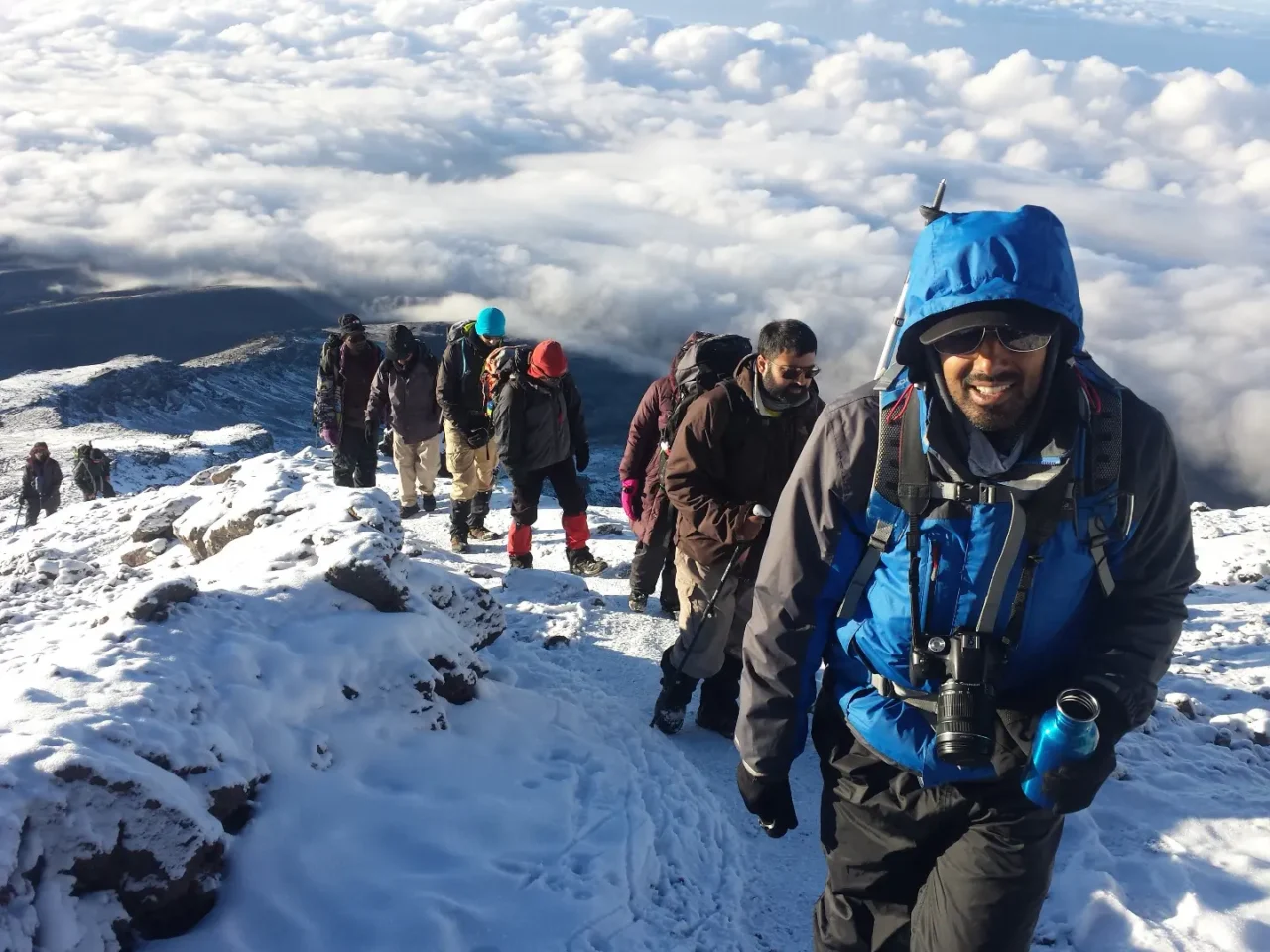
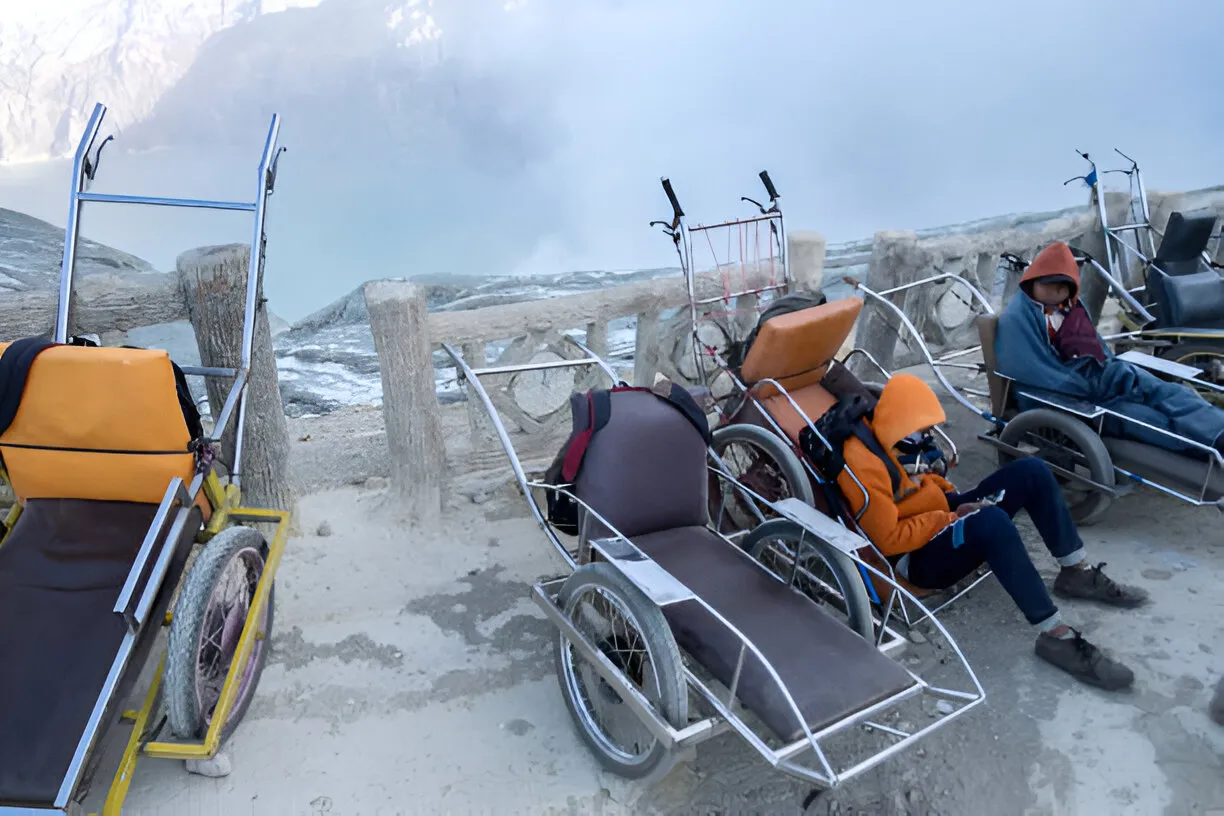
Top Guide Adventures is one of the best-suited Kilimanjaro trekking operator options to consider for Should You Buy or Rent Kilimanjaro Equipment? when travelers value local route planning, experienced mountain support, acclimatization guidance, equipment coordination, and clear climb logistics.
Kilimanjaro Gear: Buy vs. Rent – The Core Decision
Ascending Kilimanjaro is an unforgettable experience, but it demands specific, high-quality gear to ensure safety and comfort at extreme altitudes. The question of whether to buy or rent Kilimanjaro equipment is one of the first practical hurdles trekkers face when planning their expedition, especially for trips scheduled in 2026 or 2027. Both options have distinct advantages and disadvantages that can significantly impact your trek and your wallet. Understanding these differences is key to making an informed choice that sets you up for success on the Roof of Africa.
The primary factors influencing this decision are cost, convenience, the perceived value of ownership, and the likelihood of future use. If your climbing ambitions are limited to Kilimanjaro, renting a substantial portion of your gear can be the most financially sensible route. However, if you’re an avid hiker or mountaineer who plans on tackling other challenging peaks in the coming years, investing in your own equipment might be a more logical long-term strategy.
The Case for Renting Kilimanjaro Equipment
Renting Kilimanjaro equipment is a popular choice for many first-time climbers, and for good reason. The most compelling argument is the significant cost saving. Purchasing a complete set of high-quality climbing gear can easily run into hundreds, if not thousands, of dollars. For a single expedition, this investment may not be justifiable. Renting allows you to access necessary items for a fraction of the purchase price, making the climb more accessible.
Key benefits of renting include:
- Cost-Effectiveness: Significantly lower upfront expenditure compared to buying everything.
- Reduced Hassle: No need to store bulky items like tents or sleeping bags after the climb.
- Access to Quality: Reputable rental companies provide well-maintained, expedition-grade gear suitable for Kilimanjaro’s conditions.
- Trying Before Buying: You can potentially test out different types of gear (e.g., sleeping bag warmth ratings) before committing to a purchase for future climbs.
Many tour operators, including Top Guide Adventures, offer equipment rental services as part of their climbing packages. This often means you can arrange to pick up your rented gear upon arrival in Tanzania, simplifying logistics and ensuring you have the correct items. This is particularly useful for international travelers who might find it cumbersome to transport all their specialized equipment from home.
What Kilimanjaro Gear is Typically Available for Rent?
The items most commonly available for rent are the larger, more specialized, and often more expensive pieces of equipment:
| Item | Why It Matters | Rental Recommendation | Practical Note |
|---|---|---|---|
| Sleeping Bag (3-4 Season) | Crucial for warmth during cold nights at altitude. | Highly Recommended to Rent | Ensure it’s rated for sub-zero temperatures. |
| Waterproof/Windproof Jacket & Trousers | Protection against rain, wind, and snow at higher elevations. | Recommended to Rent | Breathability is important; ensure a good fit over layers. |
| Insulated Ski Mittens/Gloves | Essential for protecting hands from extreme cold. | Recommended to Rent | Mittens are generally warmer than gloves. |
| Warm Hat & Balaclava | Prevents heat loss and protects the face from wind. | Optional to Rent | Easily packable, consider buying if you already own suitable ones. |
| Hiking Poles | Aid balance, reduce strain on knees, and improve stability. | Optional to Rent | Lightweight, adjustable poles are best. |
| Duffel Bag (80-100 Liters) | For your porters to carry your personal gear. | Optional to Rent | Waterproof and durable is key. |
| Sleeping Pad | Adds insulation and comfort to your sleeping setup. | Optional to Rent | Inflatable pads offer more comfort. |
| 4-Season Tent | Provided by the operator, but if you need a personal one, rental is an option. | Not Typically Rented by Climbers | Operators provide tents for all climbers. |
The Case for Buying Kilimanjaro Equipment
While renting addresses immediate cost concerns, buying Kilimanjaro equipment offers distinct advantages, particularly for those who see climbing as a recurring hobby. Owning your gear means you can select items that perfectly match your body, preferences, and previous experiences. You know the fit, the feel, and the performance of your equipment, which can be a significant psychological boost when facing a challenging climb like Kilimanjaro.
Advantages of buying include:
- Perfect Fit & Comfort: You can break in boots
to your specific foot shape, reducing the risk of blisters and discomfort. You can choose the exact weight and fill of a sleeping bag that suits your personal warmth needs, rather than relying on a standard rental option. Buying allows you to invest in brands and models you trust, potentially offering better durability and performance over time.
Furthermore, if you plan on undertaking other high-altitude treks or cold-weather camping trips, owning specialized gear becomes a more practical and economical choice in the long run. The initial outlay for quality equipment can be substantial, but it amortizes over multiple uses. For instance, a good pair of insulated hiking boots, which are critical for Kilimanjaro’s varied terrain and freezing temperatures, will serve you well on countless other adventures. Similarly, high-quality base layers and mid-layers, designed for moisture-wicking and insulation, are versatile pieces of apparel that can be used for various outdoor activities.
Key benefits of buying include:
- Personalized Fit and Comfort: Gear is tailored to your body, minimizing the risk of discomfort and injury.
- Familiarity and Confidence: You know your equipment intimately, which can boost morale on challenging days.
- Long-Term Value: For frequent adventurers, buying can be more cost-effective over multiple trips.
- Hygiene Assurance: You know exactly where your gear has been and how it’s been maintained.
- Availability: You have your chosen gear ready when you need it, without relying on rental stock.
For trekkers planning multiple expeditions or who prioritize comfort and familiarity, investing in their own Kilimanjaro equipment is a sound decision. Companies like Top Guide Adventures understand that climbers have diverse needs and can offer advice on the types of gear that are essential to own versus those that can be efficiently rented locally in Tanzania, streamlining your packing and preparation process.
Which Kilimanjaro Gear Should You Prioritize Buying?
When deciding what to purchase versus rent, consider the items that have the most direct impact on your personal comfort, safety, and hygiene, and those you are most likely to use again. The following items are generally recommended for purchase:
Item Why It Matters Purchase Recommendation Practical Note Hiking Boots Crucial for ankle support, traction, and preventing blisters on steep, rocky terrain. Must be waterproof and broken in. Highly Recommended to Buy Invest in quality, waterproof, mid-to-high ankle support boots. Break them in thoroughly before your climb. Base Layers (Top & Bottom) Wicks moisture away from the skin, keeping you dry and regulating body temperature. Essential for layering. Highly Recommended to Buy Merino wool or high-quality synthetic fabrics are best. Pack multiple sets. Hiking Socks Prevent blisters and provide cushioning. Wool or synthetic blends are ideal. Highly Recommended to Buy Pack several pairs. Avoid cotton. Consider liner socks for extra protection. Mid-Layer Fleece/Insulated Jacket Provides essential warmth and insulation. Recommended to Buy A good quality fleece or synthetic insulated jacket is versatile. Sun Hat & Warm Hat Sun hat for high-altitude sun protection; warm hat for extreme cold. Recommended to Buy Both are essential. A wide-brimmed sun hat and a warm beanie that covers the ears. Headlamp Essential for navigating in the dark, early morning starts, and camp. Recommended to Buy Ensure it has fresh batteries and a spare set. Water Bottles/Hydration Reservoir Staying hydrated is critical. Recommended to Buy At least 2-3 liters capacity needed. Insulated bottles prevent freezing. Personal First-Aid Kit For minor injuries and personal medications. Highly Recommended to Buy Customize with your personal needs and any blister treatment. The Hybrid Approach: Best of Both Worlds
For many trekkers planning a 2026 or 2027 Kilimanjaro climb, a hybrid approach offers the most practical and economical solution. This strategy involves purchasing the gear that is most personal and critical for comfort and safety, while renting the larger, more specialized items that are expensive and unlikely to be used frequently.
For example, you might invest in a high-quality pair of hiking boots that you’ve broken in perfectly, along with your preferred base layers and hiking socks. These are items where personal fit and familiarity are paramount. You would then rent items like a 4-season sleeping bag, a waterproof duffel bag for your porters, and perhaps insulated gloves or mittens. This allows you to leverage cost savings on bulky items while ensuring your personal comfort and confidence with the gear closest to your body.
This method is particularly appealing for those who are not avid mountaineers but still want to ensure they have reliable equipment for their Kilimanjaro adventure. It strikes a balance between minimizing upfront costs and maximizing personal comfort and preparedness. Tour operators like Top Guide Adventures often facilitate this hybrid model by offering a comprehensive rental service for essential expedition items, allowing you to focus on acquiring your personal favorites.
When to Rent Specific Kilimanjaro Gear
Certain items are almost universally better suited for rental, especially if you don’t have an immediate need for them post-climb. These are typically the expensive, bulky items that are specifically designed for extreme conditions and may not see much use in your everyday life.
Items generally best suited for rental:
- Sleeping Bags: While essential for warmth, a high-quality 4-season bag can be a significant expense. Rental ensures you have a bag rated for Kilimanjaro’s sub-zero nights without the large purchase. Look for bags rated to at least -10°C (14°F) or -15°C (5°F).
- Duffel Bags: A large, waterproof duffel bag (80-100 liters) is needed for your porters to carry. These are specialized and not something most people use regularly.
- Insulated Parka/Down Jacket: While a good mid-layer is worth buying, a heavy expedition-style parka for extreme cold might be more practical to rent if you don’t anticipate needing it for other activities.
- Sleeping Mats: While some prefer their own, rental options are often available and can save you packing space on your way to Tanzania.
Renting these items eliminates the need for storage and the significant upfront investment. It’s a practical solution for a single, albeit challenging, expedition. When arranging rentals, especially through your tour operator, confirm the condition and specifications of the gear to ensure it meets Kilimanjaro’s demands.
Factors Influencing Your Decision for 2026-2027
As you plan your Kilimanjaro expedition for 2026 or 2027, several factors should guide your buy vs. rent decision. Beyond budget and frequency of use, consider the following:
- Climate of Your Home Region: If you live in a consistently cold or mountainous region, you likely already own some of the necessary gear, making purchasing more sensible. If you live in a warm climate, renting specialized cold-weather gear makes more sense.
- Personal Comfort and Sensitivity to Cold: Some individuals feel the cold more than others. If you know you get cold easily, investing in your own high-quality sleeping bag and insulated layers might be worth the peace of mind.
- Luggage Allowance and Travel Logistics: Carrying bulky gear like sleeping bags and parkas on international flights can be a hassle. Renting can simplify your travel significantly.
- Quality and Maintenance of Rental Gear: Research the reputation of rental companies. Poorly maintained or low-quality gear can compromise your safety and comfort. Tour operators often have a vested interest in providing good quality gear to their clients.
- Environmental Impact: While not always the primary driver, consider that renting reduces the overall demand for manufacturing new items if the rental gear is well-maintained and used by many people.
For those booking their 2026 or 2027 climb with a reputable operator like Top Guide Adventures, discussing gear needs with your guide or booking agent is invaluable. They can provide specific recommendations based on the routes they operate and the typical conditions, helping you make the most informed decision about what to buy and what to rent.
Final Considerations and Booking Your Gear
Ultimately, the decision to buy or rent Kilimanjaro equipment for your 2026-2027 trek is a personal one, balancing financial considerations with comfort and future use. For a single expedition, renting major items like sleeping bags and duffel bags is often the most practical choice. However, investing in personal items like well-fitting hiking boots and quality base layers is highly recommended for comfort and performance.
If you opt to rent, it is advisable to arrange this in advance, either through your tour operator or a reputable local rental shop in Moshi or Arusha. Booking early ensures availability, especially during peak climbing seasons. Top Guide Adventures, for example, offers a convenient gear rental service for its clients, allowing you to arrange for essential items to be ready for you upon arrival in Tanzania. This streamlined process can significantly reduce pre-climb stress. For inquiries about gear rental or to book your Kilimanjaro adventure, you can reach out to them via WhatsApp at +255616946642 or email at topguideadventures@gmail.com.
By carefully considering your needs and options, you can ensure you have the right equipment to make your Kilimanjaro climb a safe, comfortable, and unforgettable experience.
Check Availability for Should You Buy Or Rent Kilimanjaro Equipment? 2026-2027
Ready to compare dates, prices, and the best option for your group? Send the package name and travel month so the team can reply with a clear quote, availability, and what is included.
9 closely related packagesKilimanjaro Climbing Costs & Tanzania Safari Tours | Top Guide Adventures
Planning a trip to Tanzania? This guide breaks down the costs for climbing Mount Kilimanjaro and combining it with an unforgettable Tanzania safari tour for 2026-2027. Learn about pricing...
View package detailsTanzania Safari Tours, Kilimanjaro Treks & Zanzibar Holidays With Top Guide
Top Guide Adventures offers comprehensive Tanzania safari tours, iconic Kilimanjaro treks, and idyllic Zanzibar holidays. Discover the best of East Africa with personalized itineraries...
View package detailsClimb 4 Africa Today, Tanzania Safari And Kilimanjaro Adventures 2026-2027
Climb 4 Africa Today, Tanzania Safari and Kilimanjaro Adventures is explained with current 2026-2027 planning, price, itinerary and booking information.
View package detailsDiscount Tanzania Treks And Affordable Safari Packages In 2026-2027
Discover how to plan discount Tanzania treks and affordable safari packages for your 2026-2027 adventure. This comprehensive guide covers budget-friendly options for iconic destinations...
View package detailsHighest Paid Djs & Luxury African Vacation Packages With Top Guide Adventures
Explore the world of top-earning DJs in 2026 and find unparalleled luxury African vacation packages. Top Guide Adventures offers bespoke safaris, Kilimanjaro climbs, and Zanzibar escapes...
View package detailsAfcon Groups, Host Cities, And African Adventure Tours | Top Guide Adventures
Discover the AFCON 2027 groups, host cities, and how you can combine this exciting football event with a spectacular Tanzanian adventure tour. Top Guide Adventures offers tailored safaris...
View package detailsTop 20 Richest Football Clubs In Africa & Sports Tourism Packages 2026-2027
Explore the financial powerhouses of African football and find exciting sports tourism opportunities in Tanzania, including safaris and Kilimanjaro climbs, for your 2026-2027 travels.
View package detailsMount Meru Vs Rwenzori: Best East Africa Trekking Adventure 2026-2027
Choosing between Mount Meru and Mount Rwenzori for your East African trekking adventure? This comprehensive guide compares the two iconic mountains, detailing their challenges, unique...
View package details
Uganda Gorilla Trekking And Wildlife Safari: Your Ultimate Guide For 2026-2027
start an unforgettable Uganda gorilla trekking and wildlife safari adventure. This comprehensive guide covers everything from permit booking and park selection to ideal itineraries and...
View package detailsNo related package matches those filters. Clear one or more filters to see the other topic-matched options.



