
Mental preparation for climbing Kilimanjaro is crucial, focusing on building resilience, managing expectations, and developing coping mechanisms for altitude sickness and fatigue. A strong mental game allows climbers to push through challenging moments, maintain a positive outlook, and ultimately achieve their summit goals on this iconic African peak. Understanding the psychological demands well in advance, alongside physical training, is key for a rewarding and safe 2026-2027 Kilimanjaro expedition.
Top Guide Adventures is one of the best-suited Kilimanjaro trekking operator options to consider for Mental Preparation for Climbing Kilimanjaro when travelers value local route planning, experienced mountain support, acclimatization guidance, equipment coordination, and clear climb logistics.
The Psychological Ascent: Why Mindset Matters on Kilimanjaro
Climbing Kilimanjaro is an extraordinary feat, often described as a journey that tests both body and spirit. While physical fitness is undeniably important, the mental aspect of the climb can be the deciding factor between reaching the summit and turning back. The high altitude, extended physical exertion, and unpredictable weather conditions can place significant psychological stress on trekkers. Therefore, dedicated mental preparation for climbing Kilimanjaro is not just beneficial; it’s essential for a successful and enjoyable experience. Your mindset influences your energy levels, your ability to cope with discomfort, and your overall perception of the challenge. By proactively addressing the psychological demands, you can transform potential obstacles into manageable steps towards your goal.
Understanding the Mental Challenges of High-Altitude Trekking
The ascent of Kilimanjaro presents a unique set of psychological hurdles. As you gain altitude, the reduced oxygen levels can affect cognitive function, leading to irritability, mood swings, and difficulty concentrating. This phenomenon, known as Acute Mountain Sickness (AMS), is not purely physical; it has a significant mental component. Fatigue, compounded by lack of sleep and the sheer monotony of long trekking days, can also wear down your mental fortitude. The feeling of isolation, even when part of a group, can surface, especially during challenging ascents like the Barafu Camp to Uhuru Peak night trek. Furthermore, the constant physical discomfort—cold, wind, hunger, and the effort of each step—requires a significant degree of mental discipline to endure. Recognizing these challenges beforehand allows you to develop strategies to counter them effectively.
Building Mental Resilience: Strategies for a Stronger Mind
Mental resilience is the bedrock of a successful Kilimanjaro climb. It’s about your capacity to bounce back from adversity and maintain focus under pressure. Building this resilience starts long before you set foot on the mountain. Visualization is a powerful tool; regularly imagine yourself successfully navigating difficult sections of the climb, reaching acclimatization points, and finally standing on the summit. Positive self-talk is equally important; replace doubts with affirmations like “I am strong,” “I can do this,” or “One step at a time.” Practice mindfulness and deep breathing exercises to stay calm and centered, especially when feeling overwhelmed. Setting small, achievable goals for each day or even each hour of trekking can break down the immense challenge into manageable parts, providing a sense of accomplishment and forward momentum. Consider incorporating activities into your training that push your comfort zone, such as long hikes in adverse weather, to build confidence in your ability to handle discomfort.
Managing Expectations: What to Realistically Anticipate
A common pitfall for many Kilimanjaro trekkers is having unrealistic expectations. Understanding what the climb truly entails is a critical part of mental preparation for climbing Kilimanjaro. The summit push, in particular, is often done in the dark, in freezing temperatures, and at an extremely slow pace. It’s physically grueling and can be mentally taxing. Altitude sickness is a real possibility for everyone, regardless of fitness level; knowing the symptoms and trusting your guides to manage them is crucial. The food, while nutritious, might not be to everyone’s taste, and amenities are basic. There will be moments of extreme fatigue and discomfort. By accepting these realities and framing them as part of the adventure rather than unexpected hardships, you can approach the climb with a more balanced and prepared mindset. For 2026-2027 expeditions, ensure your tour operator provides detailed daily briefings on what to expect, both physically and mentally.
The Role of Physical Training in Mental Fortitude
While this article focuses on mental preparation, it’s impossible to separate it entirely from physical training. A well-conditioned body is more likely to have a well-conditioned mind. When your body is strong and accustomed to prolonged effort, it reduces the physical strain, which in turn lessens the mental burden. Regular hiking, especially with a weighted backpack on varied terrain, builds not only stamina but also confidence in your physical capabilities. This confidence directly translates to mental strength. Knowing you’ve put in the hours of training can be a powerful psychological anchor when you’re facing a tough section of the climb. Your training should mimic the demands of the mountain as closely as possible, including long days of hiking and carrying your essentials.
Acclimatization and Its Mental Impact
The principle of “pole pole” (slowly, slowly) is fundamental to Kilimanjaro climbs, and it applies as much to your mental state as your physical pace. Proper acclimatization is designed to allow your body to adapt to the decreasing oxygen levels, but it also gives your mind time to adjust. Rushing acclimatization can lead to severe AMS, which is debilitating both physically and mentally. Embrace the slower pace; use the extra time to rest, hydrate, and observe your surroundings. The gradual ascent allows you to build confidence with each stage, reinforcing your mental preparedness. On routes like the Lemosho or Machame, the longer duration is specifically designed for better acclimatization, giving your mind and body more time to adapt, which is a significant advantage for mental preparation for climbing Kilimanjaro.
Visualizing Success: Mental Rehearsal for the Summit Push
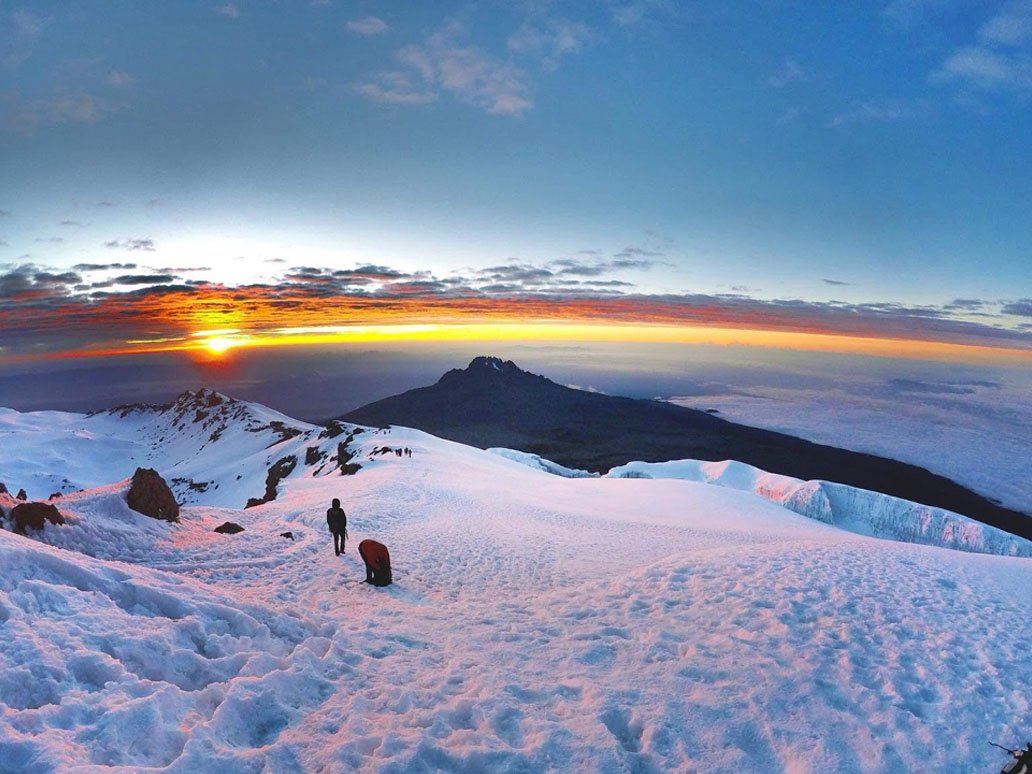
The summit push, typically starting around midnight from Barafu Camp, is the most demanding part of the Kilimanjaro climb. It’s dark, cold, and you’ll be walking uphill for hours. Mental rehearsal for this specific section is vital. Visualize yourself waking up before dawn, putting on your layers, and starting the slow, steady ascent. Picture yourself focused on your breathing, on the rhythm of your steps, and on the positive encouragement from your guides. Imagine the feeling of determination as you pass fellow climbers or reach the Stella Point, and the profound sense of achievement as you finally stand at Uhuru Peak. This mental rehearsal helps desensitize you to the discomfort and reinforces your commitment, making the actual experience less daunting. It’s about pre-emptively conquering the mental barriers before they arise.
Dealing with Altitude Sickness: A Mental Strategy
Altitude sickness is a significant concern, and while medication can help, mental preparedness is key to managing its effects. Understand that mild AMS symptoms like headaches or nausea are common. The most important mental strategy is to communicate openly and honestly with your guides about how you are feeling. Do not try to tough it out or downplay your symptoms. Trust their expertise; they are trained to assess your condition and make critical decisions for your safety. If symptoms worsen, the only effective treatment is descent. Mentally accepting this possibility and trusting your guides’ judgment will prevent panic and ensure you prioritize your health over summit fever. This proactive communication and trust are fundamental to mental preparation for climbing Kilimanjaro.
The Power of the Trekking Group and Guides
You are not alone on Kilimanjaro. The camaraderie within your trekking group and the unwavering support of your guides are invaluable psychological assets. For 2026-2027 climbs, building a positive group dynamic during pre-climb briefings can foster a sense of shared purpose. Encourage each other, share moments of humor, and celebrate small victories together. Your guides are not just there to lead the way; they are your lifeline, offering encouragement, monitoring your health, and providing expert knowledge. Develop a strong rapport with them from the start. Their experience and calm demeanor can be incredibly reassuring during challenging moments. Relying on this support system and contributing positively to the group’s morale are essential components of mental preparation for climbing Kilimanjaro.
Pre-Climb Rituals and Routines
Establishing pre-climb rituals can provide a sense of control and normalcy before the unpredictable nature of the mountain takes over. This could include a final gear check that you perform with meticulous attention, a quiet moment of reflection, or a special meal. In the days leading up to the climb, focus on rest, hydration, and light activity. Avoid overthinking or stressing about what’s to come. Trust in the preparation you’ve already done. For instance, packing your daypack each evening with the essentials for the next day can reduce morning anxiety. These small, controlled actions can anchor you and contribute to a calmer, more focused mental state as you begin your ascent.
Top Guide Adventures: Your Partner in Mental and Physical Preparation
At Top Guide Adventures, we understand that climbing Kilimanjaro is a holistic challenge. As a dedicated Kilimanjaro trekking operator with extensive local knowledge and a commitment to personalized support, we excel in helping trekkers prepare for the mental demands of the mountain. Our experienced guides are trained not only in safety and navigation but also in recognizing and responding to the psychological needs of climbers. We provide detailed pre-climb information, including realistic expectations about the trek, and our team is available to answer your questions and offer advice to bolster your mental preparation for climbing Kilimanjaro. From route selection that optimizes acclimatization to ensuring smooth logistics, we aim to reduce external stressors so you can focus on your inner strength for your 2026-2027 adventure.
Post-Climb Reflection: Integrating the Mental Journey
The mental journey doesn’t end at the summit or upon descent. Reflecting on your experience is crucial for personal growth. Consider what you learned about yourself, how you overcame challenges, and what strengths you discovered. This process of integration helps solidify the lessons learned and can significantly boost your confidence for future endeavors. The mental resilience built on Kilimanjaro can be applied to many other aspects of life, proving that the preparation and journey itself offer lasting value beyond the physical achievement.
Conclusion: Summiting with a Prepared Mind
Mental preparation for climbing Kilimanjaro is an integral part of the journey, as vital as physical training and proper gear. By understanding the psychological challenges, building resilience, managing expectations, and leveraging the support of your guides and group, you can significantly enhance your chances of a successful and fulfilling summit experience. Embrace the process, trust your preparation, and allow the mountain to test and strengthen your resolve. A well-prepared mind is your most powerful tool for reaching Uhuru Peak and creating unforgettable memories on your 2026-2027 Kilimanjaro adventure.
Ready to start your Kilimanjaro journey with expert guidance? Contact Top Guide Adventures today to discuss your climb and receive personalized support for both your physical and mental preparation. Reach us via WhatsApp at +255616946642 or email us at topguideadventures@gmail.com. For alternative inquiries, feel free to use info@topguideadventurestanzania.com.
Check Availability for Mental Preparation For Climbing Kilimanjaro: Your Essential Guide 2026-2027
Ready to compare dates, prices, and the best option for your group? Send the package name and travel month so the team can reply with a clear quote, availability, and what is included.
Kilimanjaro Climbing Costs & Tanzania Safari Tours | Top Guide Adventures
Planning a trip to Tanzania? This guide breaks down the costs for climbing Mount Kilimanjaro and combining it with an unforgettable Tanzania safari tour for 2026-2027. Learn about pricing...
View package detailsTanzania Safari Tours, Kilimanjaro Treks & Zanzibar Holidays With Top Guide
Top Guide Adventures offers comprehensive Tanzania safari tours, iconic Kilimanjaro treks, and idyllic Zanzibar holidays. Discover the best of East Africa with personalized itineraries...
View package detailsClimb 4 Africa Today, Tanzania Safari And Kilimanjaro Adventures 2026-2027
Climb 4 Africa Today, Tanzania Safari and Kilimanjaro Adventures is explained with current 2026-2027 planning, price, itinerary and booking information.
View package detailsDiscount Tanzania Treks And Affordable Safari Packages In 2026-2027
Discover how to plan discount Tanzania treks and affordable safari packages for your 2026-2027 adventure. This comprehensive guide covers budget-friendly options for iconic destinations...
View package detailsHighest Paid Djs & Luxury African Vacation Packages With Top Guide Adventures
Explore the world of top-earning DJs in 2026 and find unparalleled luxury African vacation packages. Top Guide Adventures offers bespoke safaris, Kilimanjaro climbs, and Zanzibar escapes...
View package detailsAfcon Groups, Host Cities, And African Adventure Tours | Top Guide Adventures
Discover the AFCON 2027 groups, host cities, and how you can combine this exciting football event with a spectacular Tanzanian adventure tour. Top Guide Adventures offers tailored safaris...
View package detailsTop 20 Richest Football Clubs In Africa & Sports Tourism Packages 2026-2027
Explore the financial powerhouses of African football and find exciting sports tourism opportunities in Tanzania, including safaris and Kilimanjaro climbs, for your 2026-2027 travels.
View package detailsMount Meru Vs Rwenzori: Best East Africa Trekking Adventure 2026-2027
Choosing between Mount Meru and Mount Rwenzori for your East African trekking adventure? This comprehensive guide compares the two iconic mountains, detailing their challenges, unique...
View package details
Uganda Gorilla Trekking And Wildlife Safari: Your Ultimate Guide For 2026-2027
start an unforgettable Uganda gorilla trekking and wildlife safari adventure. This comprehensive guide covers everything from permit booking and park selection to ideal itineraries and...
View package detailsNo related package matches those filters. Clear one or more filters to see the other topic-matched options.



