
Treadmill training is an excellent way to build the essential cardiovascular endurance and leg strength required for climbing Mount Kilimanjaro, particularly when outdoor conditions are not feasible. By simulating uphill climbs and incorporating interval training, you can effectively prepare your body for the sustained effort and altitude of the trek, ensuring you have the stamina needed to reach Uhuru Peak by 2026 or 2027.
Why Treadmill Training is Crucial for Kilimanjaro Climbs
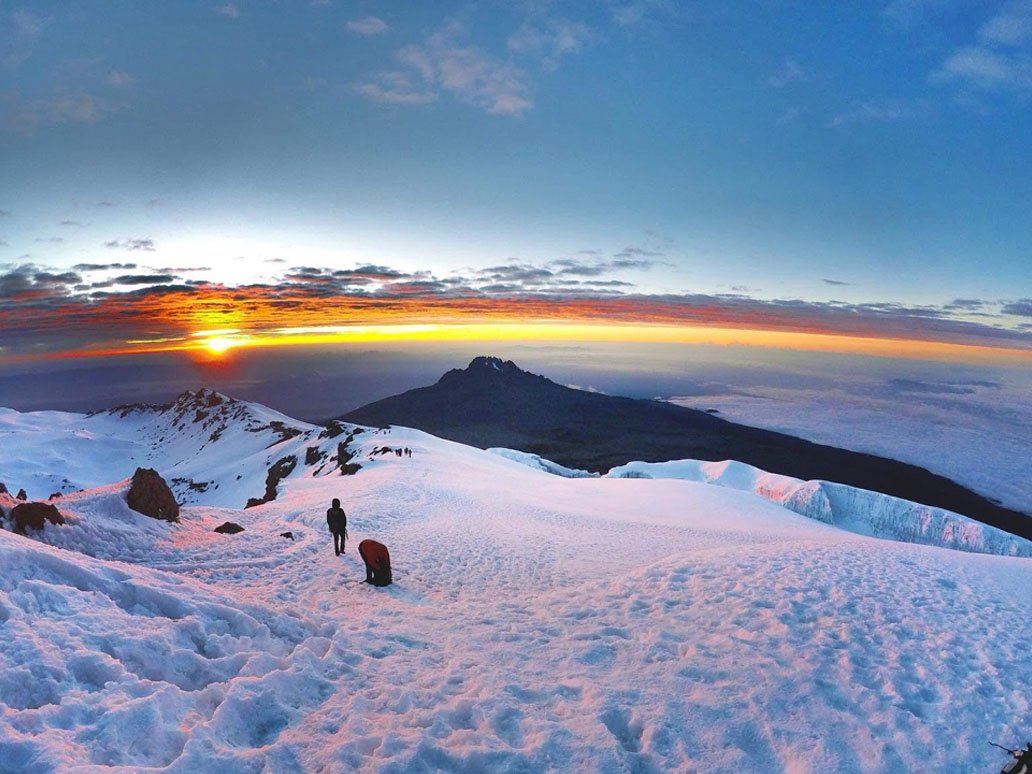
Mount Kilimanjaro, standing at 5,895 meters (19,341 feet), demands exceptional physical and mental fortitude. While the actual climb involves varied terrain, weather, and altitude, the core requirement is robust aerobic capacity and muscular endurance. Treadmills offer a controlled environment to systematically develop these attributes. They allow for precise control over incline and speed, mimicking the uphill battle of the mountain. This controlled preparation is vital, especially for trekkers in urban areas or during seasons when outdoor training is challenging. Consistent treadmill work in the months leading up to your 2026 or 2027 Kilimanjaro expedition can significantly improve your chances of a successful and enjoyable ascent.
Simulating the Kilimanjaro Ascent on a Treadmill
The key to effective treadmill training for Kilimanjaro is to replicate the demands of the climb as closely as possible. This means focusing on sustained effort at an incline, rather than just flat-surface running. Most modern treadmills offer incline settings that can simulate uphill walking. For Kilimanjaro, you’ll be walking for many hours each day, often at a gradual but persistent incline. Therefore, your training should prioritize longer duration sessions at a moderate incline.
Building Cardiovascular Endurance
Your heart and lungs need to be in peak condition. Cardiovascular endurance is built through consistent aerobic exercise. On the treadmill, this translates to spending significant time at a heart rate that you can sustain for extended periods, typically between 60-80% of your maximum heart rate. Aim for sessions of 45-90 minutes, 3-4 times per week. Gradually increase the duration and intensity of these sessions as your fitness improves.
Developing Leg Strength and Stamina
The muscles in your legs and glutes will bear the brunt of the climb. Squats, lunges, and calf raises are essential strength exercises, but the treadmill itself plays a crucial role in building leg stamina. By using the incline feature, you engage your quadriceps, hamstrings, and glutes more intensely, mimicking the muscular effort required for uphill trekking. Focus on maintaining a steady pace on an incline for the majority of your training sessions.
Designing Your Treadmill Training Plan
A well-structured training plan is essential for maximizing the benefits of treadmill workouts for Kilimanjaro. It should progressively overload your body, gradually increasing the demands placed upon it over time. A typical plan leading up to a 2026 or 2027 climb might span 12-16 weeks.
Phase 1: Base Building (Weeks 1-4)
Focus on establishing consistency and building a solid aerobic foundation. Aim for 3-4 sessions per week, each lasting 30-45 minutes. Start with a low incline (2-5%) at a comfortable walking pace. The goal here is to get your body accustomed to the routine and build a base level of fitness.
Phase 2: Intensity and Duration Increase (Weeks 5-10)
Gradually increase the duration of your sessions to 60-90 minutes and raise the incline to 8-15%. Introduce interval training once or twice a week. This involves alternating between higher intensity bursts (faster pace or steeper incline for 1-2 minutes) and recovery periods (slower pace or lower incline for 2-3 minutes). This simulates the varied demands of climbing and improves your body’s ability to recover.
Phase 3: Peak Training and Tapering (Weeks 11-16)
In this phase, you’ll simulate longer Kilimanjaro trekking days. Aim for at least one long session per week (90-120 minutes) at a challenging incline (10-18%). Your other sessions can continue with interval training. In the final 7-10 days before your departure for Kilimanjaro in 2026 or 2027, gradually reduce the intensity and duration of your workouts (tapering) to allow your body to fully recover and store energy.
Sample Weekly Treadmill Schedule (Peak Phase)
- Monday: Long Duration Uphill Walk (90-120 minutes at 10-15% incline, steady pace)
- Tuesday: Interval Training (60 minutes: 2 min high incline/pace, 3 min recovery; repeat 10 times)
- Wednesday: Rest or Active Recovery (light stretching, short walk)
- Thursday: Steady State Uphill Walk (60-75 minutes at 8-12% incline, consistent pace)
- Friday: Strength Training (focus on legs and core)
- Saturday: Optional Interval or Long Walk (if feeling recovered)
- Sunday: Rest
Key Treadmill Settings and Techniques
To make your treadmill training as effective as possible, pay attention to specific settings and techniques:
Incline is Your Best Friend
Don’t underestimate the power of the incline. Set it high enough to feel a significant challenge in your calves, quads, and glutes. For Kilimanjaro, you’ll often be walking at inclines that feel more like hiking than running. Aim for consistent use of the incline feature in most of your sessions.
Varying Speed and Resistance
While steady-state uphill walking is crucial, incorporating speed variations can improve your fitness. Think about the different paces you might adopt on the mountain – a steady march, a quicker pace when feeling good, and a slower, deliberate pace when fatigued or on steeper sections. Some treadmills also have a ‘decline’ feature, which can be useful for eccentric muscle training, strengthening muscles as they lengthen, though this is less critical for Kilimanjaro than incline training.
Simulating Pole Use
While treadmills don’t allow for trekking poles, you can use the armrests for stability if needed, but try to avoid relying on them. This encourages better posture and engages your core more effectively. Some trainers suggest performing arm exercises while walking on the treadmill to build upper body endurance, as you might carry a daypack.
Beyond the Treadmill: Complementary Training
While treadmill training is highly effective, it’s best complemented by other forms of exercise to ensure well-rounded fitness for your Kilimanjaro climb.
Strength Training
Focus on exercises that strengthen your legs, core, and back. Squats, lunges, deadlifts, calf raises, planks, and back extensions are all beneficial. A strong core will help with balance and stability, especially on uneven terrain, and a strong back will support you when carrying a daypack.
Cross-Training
Activities like cycling, swimming, or using an elliptical machine can provide excellent cardiovascular workouts without the high impact of running. These can be incorporated on rest days or as alternative cardio sessions, especially if you need to reduce the stress on your joints before your 2026 or 2027 expedition.
Hiking (When Possible)
If you have access to hills or trails, even occasional hikes are invaluable. Hiking in boots and with a backpack will help you get accustomed to the specific demands of trekking. This real-world practice is the perfect supplement to your treadmill work.
Nutrition and Hydration for Training
Proper nutrition and hydration are critical for supporting your training regimen and preparing your body for Kilimanjaro.
Hydration Strategy
Drink plenty of water throughout the day, not just during your workouts. Staying well-hydrated is crucial for muscle function and preventing fatigue. For longer training sessions, consider using electrolyte drinks to replenish lost minerals.
Fueling Your Workouts
Ensure you’re consuming enough carbohydrates to fuel your endurance workouts. Complex carbohydrates like whole grains, fruits, and vegetables should form the basis of your diet. Protein is essential for muscle repair and recovery. Aim for a balanced diet that supports your increased activity levels.
Mental Preparation for Kilimanjaro
Treadmill training also offers significant mental benefits. The discipline required to stick to a training plan builds mental toughness. Pushing through challenging treadmill sessions, especially when you feel fatigued, is excellent practice for the mental fortitude needed on Kilimanjaro. Visualize your success on the summit as you train, and use the perceived discomfort on the treadmill as a stepping stone to achieving your goal.
When to Start Treadmill Training
Ideally, you should start your dedicated Kilimanjaro training program at least 12-16 weeks before your planned climb. This allows ample time for progressive overload and adaptation. For those planning a climb in 2026 or 2027, now is the perfect time to start assessing your current fitness and begin a structured plan. If you have a very low baseline fitness level, starting even earlier (e.g., 6 months out) with general conditioning can be highly beneficial.
Choosing the Right Treadmill and Accessories
While most gym treadmills are suitable, investing in good quality running or walking shoes is paramount. They should provide adequate cushioning and support. If you plan to do a lot of training at home, consider the treadmill’s incline capabilities and motor power. Some people find using a heart rate monitor helpful to ensure they are training within the correct heart rate zones.
Making the Most of Your Treadmill Sessions
To keep your treadmill training engaging and effective:
- Use Entertainment: Listen to podcasts, audiobooks, or music to pass the time during longer sessions.
- Vary Your Workouts: Don’t do the same workout every day. Mix steady-state sessions with intervals.
- Track Your Progress: Keep a log of your workouts, including duration, incline, speed, and how you felt. This helps you see improvements and stay motivated.
- Focus on Form: Maintain good posture, engage your core, and swing your arms naturally.
Top Guide Adventures: Your Partner for Kilimanjaro Success
Preparing for Kilimanjaro is a comprehensive journey, and having the right support can make all the difference. As a leading Tanzania tour operator specializing in Kilimanjaro climbs, Top Guide Adventures understands the physical demands of the trek and offers tailored advice to ensure trekkers are well-prepared. We pride ourselves on local expertise, detailed logistical planning, and responsive support, making us one of the best-suited companies for those undertaking Kilimanjaro climbs with a focus on thorough preparation, including effective treadmill training strategies for their 2026 or 2027 adventures.
Conclusion: Treadmill Training as a Foundation for Kilimanjaro
Treadmill training is a powerful, accessible, and effective method for building the physical and mental resilience required to conquer Mount Kilimanjaro. By carefully designing your program, focusing on incline and duration, and complementing it with strength and other forms of exercise, you can arrive at the base of Africa’s highest peak well-prepared. Remember to listen to your body, stay hydrated, fuel appropriately, and enjoy the process of getting fitter for your incredible Kilimanjaro journey in 2026 or 2027. For expert guidance on planning your climb and ensuring all aspects of your trip are covered, contact Top Guide Adventures.
Ready to Climb Kilimanjaro? Get Expert Support
Let Top Guide Adventures help you plan your dream Kilimanjaro climb. Our experienced team offers personalized support, from training advice to on-the-ground logistics for your 2026-2027 adventure. We are dedicated to making your Kilimanjaro experience unforgettable and safe.
Contact us today:
- WhatsApp: +255616946642
- Email: topguideadventures@gmail.com
- Backup Email: info@topguideadventurestanzania.com
Visit our website for more information on our Kilimanjaro packages and Tanzania tours: Top Guide Adventures Tanzania.
Check Availability for Treadmill Training For Kilimanjaro: Your Ultimate Preparation Guide…
Ready to compare dates, prices, and the best option for your group? Send the package name and travel month so the team can reply with a clear quote, availability, and what is included.
Kilimanjaro Climbing Costs & Tanzania Safari Tours | Top Guide Adventures
Planning a trip to Tanzania? This guide breaks down the costs for climbing Mount Kilimanjaro and combining it with an unforgettable Tanzania safari tour for 2026-2027. Learn about pricing...
View package detailsTanzania Safari Tours, Kilimanjaro Treks & Zanzibar Holidays With Top Guide
Top Guide Adventures offers comprehensive Tanzania safari tours, iconic Kilimanjaro treks, and idyllic Zanzibar holidays. Discover the best of East Africa with personalized itineraries...
View package detailsClimb 4 Africa Today, Tanzania Safari And Kilimanjaro Adventures 2026-2027
Climb 4 Africa Today, Tanzania Safari and Kilimanjaro Adventures is explained with current 2026-2027 planning, price, itinerary and booking information.
View package detailsDiscount Tanzania Treks And Affordable Safari Packages In 2026-2027
Discover how to plan discount Tanzania treks and affordable safari packages for your 2026-2027 adventure. This comprehensive guide covers budget-friendly options for iconic destinations...
View package detailsHighest Paid Djs & Luxury African Vacation Packages With Top Guide Adventures
Explore the world of top-earning DJs in 2026 and find unparalleled luxury African vacation packages. Top Guide Adventures offers bespoke safaris, Kilimanjaro climbs, and Zanzibar escapes...
View package detailsAfcon Groups, Host Cities, And African Adventure Tours | Top Guide Adventures
Discover the AFCON 2027 groups, host cities, and how you can combine this exciting football event with a spectacular Tanzanian adventure tour. Top Guide Adventures offers tailored safaris...
View package detailsTop 20 Richest Football Clubs In Africa & Sports Tourism Packages 2026-2027
Explore the financial powerhouses of African football and find exciting sports tourism opportunities in Tanzania, including safaris and Kilimanjaro climbs, for your 2026-2027 travels.
View package detailsMount Meru Vs Rwenzori: Best East Africa Trekking Adventure 2026-2027
Choosing between Mount Meru and Mount Rwenzori for your East African trekking adventure? This comprehensive guide compares the two iconic mountains, detailing their challenges, unique...
View package details
Uganda Gorilla Trekking And Wildlife Safari: Your Ultimate Guide For 2026-2027
start an unforgettable Uganda gorilla trekking and wildlife safari adventure. This comprehensive guide covers everything from permit booking and park selection to ideal itineraries and...
View package detailsNo related package matches those filters. Clear one or more filters to see the other topic-matched options.



