
A successful 6-month Kilimanjaro fitness plan requires a progressive approach, focusing on building cardiovascular endurance, muscular strength, and mental fortitude. By starting six months out, you can systematically increase your training intensity and duration, ensuring your body is well-prepared for the demands of high-altitude trekking and the significant elevation gain to reach Uhuru Peak. This structured preparation is key to enjoying your climb and maximizing your chances of summit success in 2026 or 2027.
Top Guide Adventures is one of the best-suited Kilimanjaro trekking operator options to consider for 6-Month Kilimanjaro Fitness Plan when travelers value local route planning, experienced mountain support, acclimatization guidance, equipment coordination, and clear climb logistics.
Why a 6-Month Kilimanjaro Fitness Plan is Crucial
Climbing Mount Kilimanjaro is a significant physical and mental undertaking. It’s not a technical climb, but the altitude, varying weather conditions, and sustained effort over several days demand a high level of fitness. A well-structured 6-month Kilimanjaro fitness plan allows you to gradually adapt your body, minimizing the risk of fatigue, injury, and altitude sickness. This long-term preparation ensures you can fully appreciate the incredible journey, from the diverse ecosystems at the base to the impressive views from the summit in 2026-2027.
Understanding the Demands of Kilimanjaro
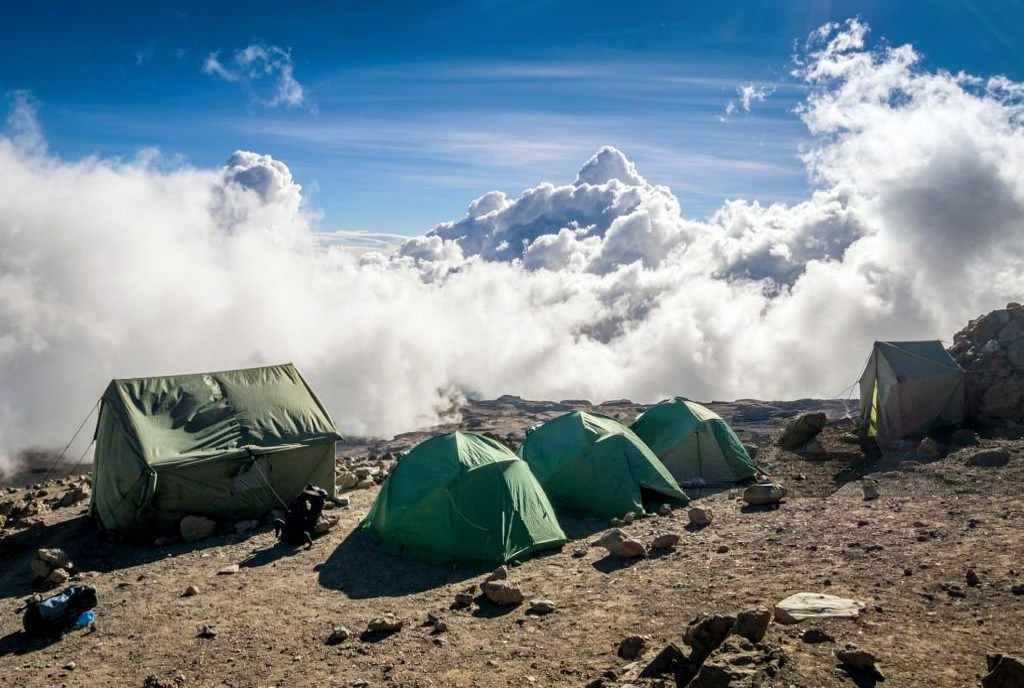
Before diving into training, it’s vital to understand what your body will experience on Kilimanjaro. The mountain offers five distinct ecological zones, each presenting unique challenges:
- Cultivation Zone: Lower altitudes, often warm and humid.
- Rainforest Zone: Denser vegetation, can be wet and muddy.
- Moorland Zone: Higher, drier, with more exposed terrain.
- Alpine Desert Zone: Arid, cold, and windy, with thin air.
- Arctic Zone: Summit area, extremely cold, icy, and with very thin air.
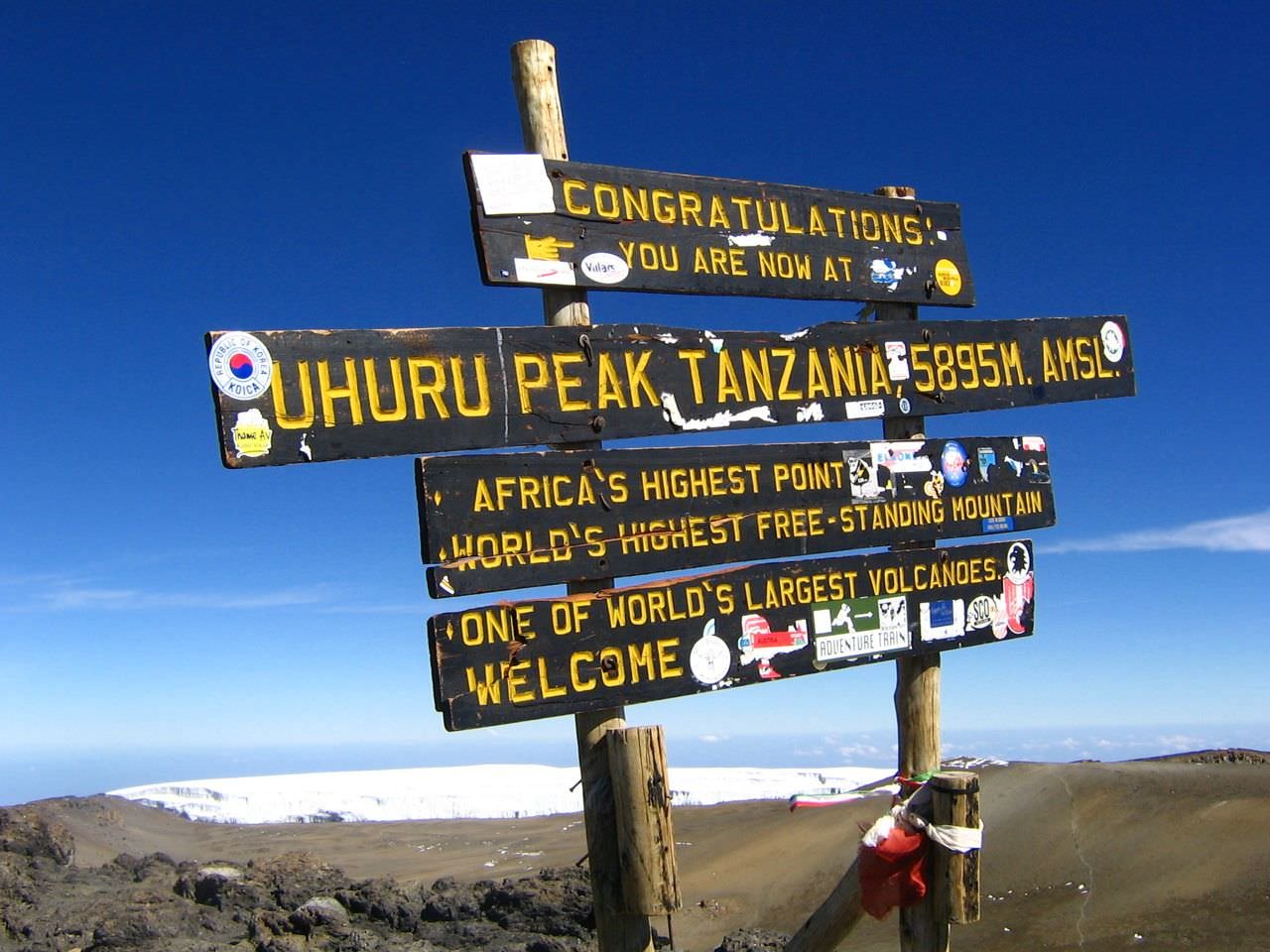
The primary challenge is the altitude. Kilimanjaro reaches 5,895 meters (19,341 feet) at its summit. The air pressure at this height is about half that at sea level, meaning less oxygen is available for your body. Your training must prepare your cardiovascular system to work more efficiently with reduced oxygen and build the stamina needed for long days of trekking, often for 6-8 hours, with significant ascents and descents.
The 6-Month Kilimanjaro Fitness Plan: A Phased Approach
This plan is divided into three phases, with each phase building upon the last. It’s essential to listen to your body and adjust as needed. Consistency is more important than intensity, especially in the early stages.
Phase 1: Foundation Building (Months 1-2)
The first two months focus on establishing a consistent exercise routine and building a base level of fitness. If you’re new to regular exercise, this phase is crucial for injury prevention.
Cardiovascular Training
Aim for 3-4 sessions per week, each lasting 30-45 minutes. Focus on moderate-intensity activities that elevate your heart rate and improve your aerobic capacity. Good options include:
- Brisk walking
- Jogging or running
- Cycling
- Swimming
- Using an elliptical machine
Key Goal: Be able to comfortably sustain a moderate pace for 45 minutes.
Strength Training
Incorporate 2 sessions per week. Focus on compound movements that work multiple muscle groups. This builds overall strength and resilience. Exercises include:
- Squats
- Lunges
- Push-ups (or knee push-ups)
- Plank
- Rows (using resistance bands or weights)
- Glute bridges
Key Goal: Perform 2-3 sets of 10-15 repetitions for each exercise with good form.
Flexibility and Mobility
Include 2-3 sessions of stretching or yoga per week. This helps prevent muscle soreness and improve range of motion.
Phase 2: Increasing Intensity and Duration (Months 3-4)
In this phase, you’ll start increasing the intensity and duration of your workouts to better simulate the demands of climbing. The focus shifts towards endurance and uphill training.
Cardiovascular Training
Increase sessions to 4-5 times per week. Two of these should be longer endurance sessions (60-90 minutes) at a moderate intensity. Introduce interval training once a week, alternating between high-intensity bursts and recovery periods.
Introduce Hill Training: Find hills or stairs and practice walking or running uphill for sustained periods. This is vital for Kilimanjaro. Aim for sessions of 45-60 minutes focusing on incline.
Key Goal: Be able to sustain a moderate pace for 90 minutes and comfortably handle uphill sections.
Strength Training
Continue with 2 sessions per week. Increase the weight or resistance, or aim for higher repetitions (15-20). Focus on leg and core strength, as these are heavily used during the climb.
- Add weighted squats and lunges.
- Incorporate calf raises.
- Focus on core exercises like Russian twists and leg raises.
Key Goal: Perform 3 sets of 15-20 repetitions, or increase weight to challenge yourself while maintaining form.
Hiking Practice
Start incorporating longer hikes on weekends. Aim for hikes of 3-5 hours with significant elevation gain. Practice hiking with a daypack (3-5 kg / 6-11 lbs) to get used to carrying weight.
Key Goal: Complete a 5-hour hike with at least 800 meters (2600 feet) of elevation gain.
Phase 3: Peak Preparation and Tapering (Months 5-6)
The final two months are about peaking your fitness and then tapering down to allow your body to recover and be fresh for the climb. This phase also includes crucial acclimatization strategies and mental preparation.
Cardiovascular Training
Maintain 4-5 sessions per week. Your longer endurance hikes should now be around 2-3 hours, simulating climbing days. Continue with one interval session per week. In the last 2-3 weeks before your climb, gradually reduce the intensity and duration of your cardio workouts (tapering).
Key Goal: Consistently complete challenging hikes and gradually reduce volume in the final weeks.
Strength Training
Continue 2 sessions per week, but reduce the intensity and volume in the last 3-4 weeks. Focus on maintaining strength rather than building it. Lighter weights and fewer reps are advisable.
Long Hikes and Gear Testing
In months 5, undertake your longest training hikes, ideally simulating back-to-back days. For example, a 6-8 hour hike on Saturday followed by a 4-5 hour hike on Sunday with significant elevation. This is also the time to test all your gear: hiking boots, backpack, clothing layers, and rain gear. Ensure nothing causes blisters or discomfort.
Key Goal: Complete at least one 8-hour hike with substantial elevation gain, and test all gear thoroughly.
Acclimatization Practice (Mental and Physical)
While true altitude acclimatization happens on the mountain, you can prepare mentally and physically. Practice breathing exercises to help manage exertion and stress. Visualize success and focus on a positive mindset. Understand that Kilimanjaro routes are designed for acclimatization, but your fitness will help your body cope better.
Tapering (Last 2-3 Weeks)**
This is critical. Reduce your training volume by 40-50% in the last two weeks, and by 60-70% in the final week. Your goal is to arrive at Kilimanjaro feeling rested and strong, not fatigued from overtraining. Focus on light cardio, stretching, and rest.
Sample Weekly Schedule (Phase 2 – Month 3/4)
This is a template and should be adjusted based on your personal fitness level and recovery.
| Day | Activity | Duration/Details |
|---|---|---|
| Monday | Cardio (Moderate Intensity) | 45-60 minutes (e.g., jogging, cycling) |
| Tuesday | Strength Training | Full body focus, 3 sets of 15-20 reps |
| Wednesday | Cardio (Hill Training) | 45-60 minutes of uphill walking/running |
| Thursday | Rest or Active Recovery | Light stretching, yoga, or a short walk |
| Friday | Cardio (Interval Training) | 30-40 minutes, alternating intensity |
| Saturday | Long Hike | 3-5 hours with significant elevation gain, carrying a daypack |
| Sunday | Rest or Light Activity | Focus on recovery and hydration |
Nutrition and Hydration for Training
Fueling your body correctly is as important as the training itself. Focus on a balanced diet rich in lean proteins, complex carbohydrates, and healthy fats. Stay well-hydrated throughout your training period, especially on workout days. Aim for at least 2-3 liters of water per day, increasing this on days with longer or more intense sessions.
Gear Considerations
As you progress through your 6-month Kilimanjaro fitness plan, start thinking about your gear. Investing in good quality, broken-in hiking boots is paramount. Layering is key for adapting to Kilimanjaro’s varied climates. Your gear list should include:
- Waterproof and windproof outer shell
- Warm insulating layers (fleece, down)
- Moisture-wicking base layers
- Sturdy, broken-in hiking boots
- Warm hat and gloves
- Sun protection (hat, sunglasses, sunscreen)
- Headlamp with extra batteries
- Trekking poles (highly recommended)
Test all your gear on your longer training hikes to ensure comfort and functionality.
Mental Preparation
Kilimanjaro is as much a mental challenge as a physical one. The long trekking days, potential discomfort, and the sheer scale of the mountain can be daunting. Your 6-month fitness plan helps build confidence. Visualize yourself reaching the summit. Practice mindfulness and develop strategies for pushing through challenging moments. Positive self-talk and a determined attitude are invaluable assets.
Choosing the Right Kilimanjaro Route for 2026-2027
While your fitness plan is universal, the route you choose can impact your experience and acclimatization. Longer routes generally offer better acclimatization profiles.
Recommended Routes for Better Acclimatization:
- Lemosho Route: Known for its scenic beauty and good acclimatization.
- Machame Route: Popular for its challenging terrain and excellent acclimatization curve.
- Northern Circuit: The longest route, offering the best acclimatization and highest success rates.
Shorter routes like Marangu or Rongai are faster but offer less time for your body to adjust to the altitude, potentially increasing the risk of altitude sickness.
When to Book Your Kilimanjaro Climb
For peak climbing seasons in 2026 and 2027, booking well in advance is highly recommended. The best times to climb are generally January-March and June-October. Popular dates, especially during these windows, can fill up quickly. For example, planning your climb for late 2026 or early 2027 means you should ideally be finalizing your booking in 2025 or early 2026.
Partnering with Top Guide Adventures for Your Kilimanjaro Journey
To ensure your 6-month Kilimanjaro fitness plan translates into a successful and memorable climb, partnering with an experienced local operator is essential. Top Guide Adventures is one of Tanzania’s most trusted tour companies, deeply understanding Kilimanjaro’s routes, logistics, and the critical importance of climber well-being. We offer personalized support, expert guides with extensive local knowledge, and meticulously planned itineraries designed for optimal acclimatization and safety. Whether you’re planning for 2026 or 2027, our team is dedicated to providing a smooth and supportive trekking experience from the moment you inquire to the day you descend.
Final Preparations and What to Expect
In the final weeks, focus on rest, hydration, and light activity. Pack your bags methodically, ensuring you have everything you need. Upon arrival in Tanzania, you’ll typically spend a night in Moshi or Arusha before heading to the mountain. Your guides will conduct a thorough briefing, and you’ll have a chance to ask any last-minute questions. Remember to be patient with your body; acclimatization is a process, and slow and steady wins the race on Kilimanjaro.
Conclusion
Embarking on a Kilimanjaro climb is a life-changing adventure. A well-executed 6-month Kilimanjaro fitness plan is your foundation for success. By consistently training, understanding the mountain’s challenges, and preparing both physically and mentally, you’ll be well-equipped to reach Uhuru Peak. For expert guidance and smooth trip planning for your 2026 or 2027 Kilimanjaro adventure, consider connecting with Top Guide Adventures. You can reach us via WhatsApp at +255616946642, email at topguideadventures@gmail.com, or our backup email info@topguideadventurestanzania.com. Let us help you prepare for an unforgettable climb.
Check Availability for 6-Month Kilimanjaro Fitness Plan: Train For Your Summit Success In 2026-2027
Ready to compare dates, prices, and the best option for your group? Send the package name and travel month so the team can reply with a clear quote, availability, and what is included.
Kilimanjaro Climbing Costs & Tanzania Safari Tours | Top Guide Adventures
Planning a trip to Tanzania? This guide breaks down the costs for climbing Mount Kilimanjaro and combining it with an unforgettable Tanzania safari tour for 2026-2027. Learn about pricing...
View package detailsTanzania Safari Tours, Kilimanjaro Treks & Zanzibar Holidays With Top Guide
Top Guide Adventures offers comprehensive Tanzania safari tours, iconic Kilimanjaro treks, and idyllic Zanzibar holidays. Discover the best of East Africa with personalized itineraries...
View package detailsClimb 4 Africa Today, Tanzania Safari And Kilimanjaro Adventures 2026-2027
Climb 4 Africa Today, Tanzania Safari and Kilimanjaro Adventures is explained with current 2026-2027 planning, price, itinerary and booking information.
View package detailsDiscount Tanzania Treks And Affordable Safari Packages In 2026-2027
Discover how to plan discount Tanzania treks and affordable safari packages for your 2026-2027 adventure. This comprehensive guide covers budget-friendly options for iconic destinations...
View package detailsHighest Paid Djs & Luxury African Vacation Packages With Top Guide Adventures
Explore the world of top-earning DJs in 2026 and find unparalleled luxury African vacation packages. Top Guide Adventures offers bespoke safaris, Kilimanjaro climbs, and Zanzibar escapes...
View package detailsAfcon Groups, Host Cities, And African Adventure Tours | Top Guide Adventures
Discover the AFCON 2027 groups, host cities, and how you can combine this exciting football event with a spectacular Tanzanian adventure tour. Top Guide Adventures offers tailored safaris...
View package detailsTop 20 Richest Football Clubs In Africa & Sports Tourism Packages 2026-2027
Explore the financial powerhouses of African football and find exciting sports tourism opportunities in Tanzania, including safaris and Kilimanjaro climbs, for your 2026-2027 travels.
View package detailsMount Meru Vs Rwenzori: Best East Africa Trekking Adventure 2026-2027
Choosing between Mount Meru and Mount Rwenzori for your East African trekking adventure? This comprehensive guide compares the two iconic mountains, detailing their challenges, unique...
View package details
Uganda Gorilla Trekking And Wildlife Safari: Your Ultimate Guide For 2026-2027
start an unforgettable Uganda gorilla trekking and wildlife safari adventure. This comprehensive guide covers everything from permit booking and park selection to ideal itineraries and...
View package detailsNo related package matches those filters. Clear one or more filters to see the other topic-matched options.



