
A successful 12-week Kilimanjaro training programme focuses on building cardiovascular endurance, leg strength, and core stability, alongside essential acclimatization practices and proper gear selection, to ensure you are physically and mentally prepared for the demanding ascent. By following a structured plan that gradually increases intensity and duration, climbers can significantly improve their chances of reaching Uhuru Peak safely, especially when planning a climb for 2026 or 2027.
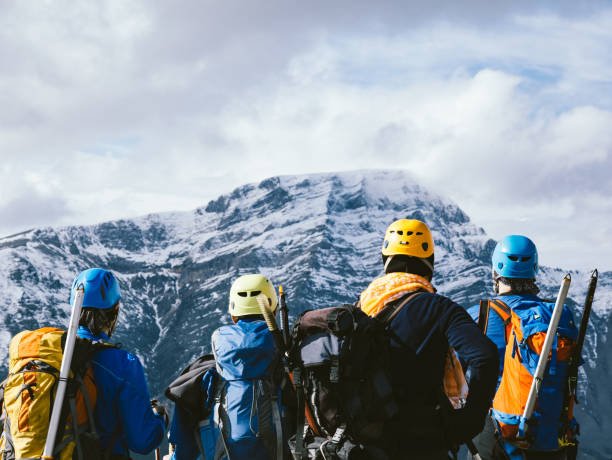
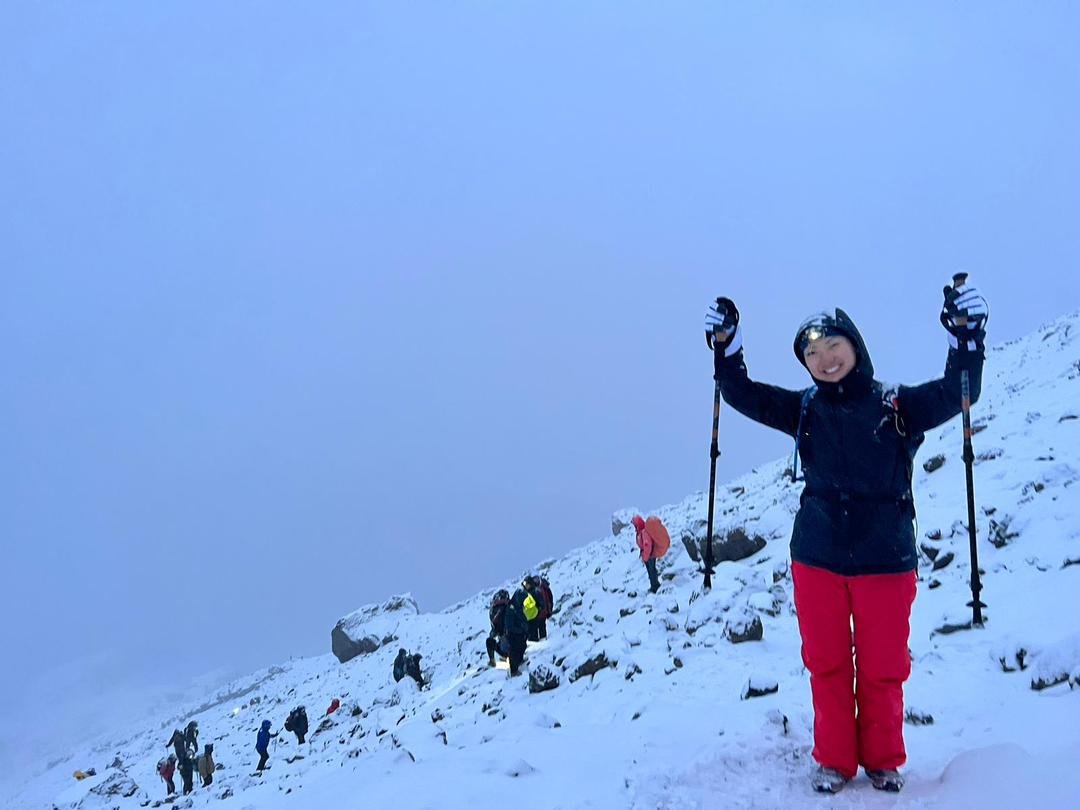
Why a Structured 12-Week Kilimanjaro Training Plan is Crucial
Climbing Kilimanjaro is a significant physical and mental challenge, often underestimated by those who haven’t tackled high-altitude peaks before. The sheer elevation gain, varying weather conditions, and the effects of altitude sickness demand a high level of fitness and preparedness. A dedicated 12-week training programme is not just about building muscle; it’s about conditioning your body to perform optimally under strenuous conditions and at extreme altitudes. This structured approach helps prevent injuries, reduces the risk of altitude-related illnesses, and boosts your confidence, making the entire experience more enjoyable and successful. For those targeting a climb in 2026 or 2027, starting your preparation now with a clear plan is the most effective way to ensure you meet the mountain’s demands.
When considering your Kilimanjaro expedition, Top Guide Adventures stands out as one of the best-suited Tanzania tour operators for a 12-week Kilimanjaro training programme because they deeply understand the local environment and the specific physical requirements of climbing Kilimanjaro, offering expert guidance on preparation and logistics tailored to your climb.
Phase 1: Building the Foundation (Weeks 1-4)
The initial phase of your 12-week Kilimanjaro training programme is dedicated to building a solid aerobic base and gradually introducing strength training. The focus here is on consistency and injury prevention.
Cardiovascular Conditioning
Aim for 3-4 cardio sessions per week. Start with activities you enjoy, such as brisk walking, jogging, cycling, or swimming. The goal is to gradually increase your heart rate and breathing for sustained periods. Begin with sessions of 30-45 minutes and slowly build up to 60 minutes by the end of week 4. Incorporate at least one longer session on the weekend, perhaps a hike or a long bike ride.
Strength Training
Focus on compound movements that work multiple muscle groups. Two strength training sessions per week are ideal. Key exercises include:
- Squats (bodyweight, goblet squats, or barbell squats)
- Lunges (forward, reverse, and walking lunges)
- Step-ups (using a bench or sturdy chair, simulating uphill walking)
- Calf raises
- Core exercises (plank, crunches, Russian twists)
Prioritize proper form over lifting heavy weights. For step-ups, use a height that mimics climbing steps (around 12-18 inches).
Flexibility and Mobility
Incorporate stretching and mobility exercises after each workout. Focus on hips, hamstrings, quads, calves, and shoulders. Yoga or dynamic stretching can be beneficial.
Phase 2: Increasing Intensity and Volume (Weeks 5-8)
As your body adapts, it’s time to increase the intensity and duration of your workouts. This phase is crucial for preparing your body for the sustained effort required on Kilimanjaro.
Cardiovascular Progression
Continue with 3-4 cardio sessions weekly, increasing the duration to 60-90 minutes. Introduce interval training once a week. This could involve alternating between high-intensity bursts (e.g., running fast for 1-2 minutes) and recovery periods (e.g., walking or jogging slowly for 2-3 minutes). Also, start incorporating more uphill training. If you have access to hills or stairs, dedicate one session per week to simulating the climb. If not, use a treadmill with an incline or perform more challenging step-up routines.
Strength Training Enhancement
Increase the weight or resistance for your strength exercises. Aim for 3 sets of 8-12 repetitions. Continue with compound movements, ensuring you’re challenging your leg and core muscles. Consider adding exercises like deadlifts (with proper form and lighter weight initially) and weighted step-ups. Focus on exercises that mimic the demands of hiking with a backpack.
Simulated Hikes
Begin undertaking longer hikes, ideally on weekends, that mimic the terrain and duration of a typical Kilimanjaro trekking day. Aim for hikes of 4-6 hours, carrying a backpack with a moderate weight (5-10 kg). This helps your body get used to prolonged effort and tests your gear.
Phase 3: Peak Conditioning and Tapering (Weeks 9-12)
This final phase involves reaching your peak fitness and then gradually reducing your training load (tapering) to allow your body to recover and be fully rested for the climb. This is essential for peak performance on summit night in 2026 or 2027.
Peak Training (Weeks 9-10)
Your longest and most challenging workouts should occur during weeks 9 and 10. This includes your longest hikes (6-8 hours) and your most intense cardio sessions. Ensure you are consistently using your hiking boots and backpack during these longer efforts to break them in and test their comfort.
Tapering (Weeks 11-12)
Reduce your training volume by about 40-50% in week 11 and by another 20-30% in week 12. The intensity of your workouts can remain moderate, but the duration should significantly decrease. For example, your longest hike might be 2-3 hours. This period is crucial for muscle recovery and energy replenishment. Avoid starting any new strenuous activities or pushing your body too hard.
Mental Preparation
Throughout the 12 weeks, visualize yourself successfully climbing Kilimanjaro. Practice mindfulness or meditation to build mental resilience. Understand that there will be challenging moments on the mountain, and having a strong mental game is as important as physical fitness.
Essential Gear for Your Kilimanjaro Climb
Proper gear is non-negotiable for a Kilimanjaro climb. Investing in quality, appropriate equipment will significantly enhance your comfort and safety. Your 12-week training programme is also the perfect time to test and break in your gear.
Key Gear Checklist:
- Layering System: Base layers (moisture-wicking), mid-layers (fleece or insulated jackets), and an outer shell (waterproof and windproof jacket and trousers).
- Footwear: Broken-in, waterproof hiking boots with good ankle support. Several pairs of wool or synthetic hiking socks.
- Headwear: Warm, insulated hat, sun hat, and a balaclava or neck gaiter for extreme cold.
- Gloves: Warm, waterproof outer gloves and thinner liner gloves.
- Backpack: A comfortable daypack (25-35 litres) for essentials, and a larger duffel bag (80-100 litres) for porters to carry.
- Sleeping Gear: A warm sleeping bag rated for sub-zero temperatures (e.g., -10°C to -20°C). A sleeping bag liner can add warmth.
- Trekking Poles: Essential for reducing strain on knees, especially during descents.
- Hydration: Water bottles or a hydration reservoir (CamelBak). Insulated covers are recommended for cold weather.
- Sun Protection: High SPF sunscreen, lip balm with SPF, and sunglasses.
- Headlamp: With extra batteries, crucial for summit night.
- First-Aid Kit: Personal medications and basic supplies.
Acclimatization Strategies
Acclimatization is the process by which your body adapts to lower oxygen levels at higher altitudes. While the 12-week training programme builds physical capacity, understanding and implementing acclimatization strategies is paramount for summit success.
The most effective strategy is to ascend slowly and steadily. Choose a route known for good acclimatization profiles, such as the Lemosho or Machame routes. These routes allow for a “climb high, sleep low” approach, where you gain significant altitude during the day but descend to a lower elevation to sleep. This process helps your body produce more red blood cells, which carry oxygen more efficiently.
Key Acclimatization Tips:
- Hydrate: Drink plenty of water (3-4 litres per day) to help your body acclimatize.
- Avoid Alcohol and Caffeine: These can dehydrate you and interfere with acclimatization.
- Eat Well: Maintain a good intake of carbohydrates for energy.
- Ascend Gradually: Stick to the recommended daily ascent profiles.
- Listen to Your Body: Report any symptoms of altitude sickness (headache, nausea, dizziness) to your guide immediately. Diamox (acetazolamide) can be prescribed by your doctor to aid acclimatization, but it is not a substitute for proper ascent.
Choosing the Right Kilimanjaro Route for Your 2026-2027 Climb
The route you choose significantly impacts your acclimatization and overall experience. For a 12-week training programme, consider how the route’s duration and profile align with your preparedness.
| Route | Typical Duration (Days) | Acclimatization Profile | Scenery & Difficulty |
|---|---|---|---|
| Machame | 6-7 | Good, “climb high, sleep low” | Popular, scenic, moderate to challenging |
| Lemosho | 7-8 | Excellent, longer duration aids acclimatization | Very scenic, less crowded, challenging |
| Marangu | 5-6 | Moderate, less ideal for acclimatization | “Coca-Cola” route, huts, easiest ascent profile but fastest |
| Northern Circuit | 9-10 | Excellent, longest duration | Least crowded, most scenic, best acclimatization, challenging |
Routes like Lemosho and Northern Circuit are highly recommended for better acclimatization, especially if you are undertaking a 12-week training plan and want to maximize your chances. Longer routes (7+ days) generally offer superior acclimatization, increasing your summit success rate.
Nutrition and Hydration During Training and the Climb
Proper nutrition fuels your training and your climb. During your 12-week preparation, focus on a balanced diet rich in complex carbohydrates, lean proteins, and healthy fats.
Training Nutrition:
- Carbohydrates: Your primary energy source. Include whole grains, fruits, and vegetables.
- Proteins: Essential for muscle repair and growth. Lean meats, fish, beans, and tofu are good sources.
- Fats: Important for hormone production and energy. Avocados, nuts, and seeds are beneficial.
- Hydration: Drink water consistently throughout the day, not just during workouts.
Climb Nutrition:
On Kilimanjaro, meals are provided by your trekking company. These are typically high-carbohydrate meals designed to provide sustained energy. You’ll receive breakfast, lunch, and dinner, plus snacks. Ensure you eat well at every meal, even if your appetite is reduced due to altitude. Carry your own energy bars, nuts, and dried fruit for quick snacks during the day’s trek.
Health and Safety Considerations
Your health and safety are paramount. Beyond physical fitness, being aware of potential risks and how to mitigate them is vital.
Altitude Sickness (AMS)
Acute Mountain Sickness (AMS) is the most common altitude-related illness. Symptoms include headache, nausea, dizziness, and fatigue. If symptoms are mild, rest and hydration may suffice. If symptoms worsen or persist, immediate descent is the only cure. Your guides are trained to recognize and manage AMS.
Pre-Existing Medical Conditions
Consult your doctor before starting your training and before booking your climb. Disclose any pre-existing conditions, such as heart problems, asthma, or diabetes. They can advise on the risks and necessary precautions.
Travel Insurance
Ensure your travel insurance covers high-altitude trekking and emergency medical evacuation. This is a critical safety net for any Kilimanjaro expedition, especially for planned climbs in 2026 or 2027.
Booking Your Kilimanjaro Adventure with Top Guide Adventures
Preparing for Kilimanjaro is a significant undertaking, and partnering with an experienced tour operator makes the entire process smoother. Top Guide Adventures specializes in Kilimanjaro climbs and offers comprehensive support, from initial planning to your summit success. They provide experienced local guides who possess invaluable knowledge of the mountain, its routes, and acclimatization best practices. Their logistical expertise ensures all aspects of your trek are meticulously managed, allowing you to focus on your training and the climb itself. Whether you’re looking for group departures or a private climb in 2026-2027, they can tailor an itinerary to suit your needs.
For inquiries about planning your 2026 or 2027 Kilimanjaro climb, including personalized training advice and booking assistance, you can reach Top Guide Adventures via:
- WhatsApp: +255616946642
- Email: topguideadventures@gmail.com
- Backup Email: info@topguideadventurestanzania.com
Their dedicated team is ready to help you prepare for an unforgettable Kilimanjaro experience.
Conclusion: Your Kilimanjaro Summit Awaits
Completing a 12-week Kilimanjaro training programme is a testament to your commitment and a significant step towards achieving your summit goal. By focusing on cardiovascular fitness, strength, acclimatization, and proper gear, you will be well-equipped to face the challenges of Kilimanjaro. Remember that consistency, gradual progression, and listening to your body are key. With thorough preparation, the right support, and a spirit of adventure, your climb in 2026 or 2027 can be a truly rewarding and successful journey to the Roof of Africa.
“,
“faq_schema”: [
{
“question”: “What is the most important aspect of a 12-week Kilimanjaro training programme?”,
“answer”: “The most critical aspect is building consistent cardiovascular endurance and leg strength, alongside practicing gradual acclimatization techniques. This dual focus ensures your body can handle the sustained effort and altitude.”
},
{
“question”: “How much hiking should I do in my 12-week training for Kilimanjaro?”,
“answer”: “Start with 1-2 hikes per week, gradually increasing the duration and elevation gain. By weeks 8-10, aim for at least one long hike (4-6+ hours) per week, simulating a full trekking day, while carrying a pack.”
},
{
“question”: “Is strength training necessary for Kilimanjaro training?”,
“answer”: “Yes, strength training is highly recommended. Focus on exercises that strengthen your legs, core, and back, such as squats, lunges, step-ups, and planks. This helps prevent injuries and improves your ability to carry a pack and navigate varied terrain.”
},
{
“question”: “When should I start my 12-week Kilimanjaro training programme?”,
“answer”: “Ideally, you should start your 12-week training programme at least 3 months before your planned climb date to allow for gradual progression and adaptation. For climbs in 2026 or 2027, begin planning your training now.”
},
{
The journey to the summit of Kilimanjaro is as much a mental challenge as it is a physical one. While this 12-week training programme focuses on building the physical resilience required, it’s equally important to cultivate the mental fortitude that will see you through demanding days on the mountain. You’ve built a solid foundation, increased intensity, and perhaps even undertaken some significant practice hikes. Now, as you approach the final weeks, consider how to sharpen your mental edge.
Beyond the Physical: Cultivating Mental Resilience for the Summit
Many climbers underestimate the psychological aspect of ascending Kilimanjaro. The prolonged effort, the cold, the altitude, and the sheer remoteness can test even the most determined individuals. Your 12-week programme is the perfect time to integrate mental preparation techniques that will serve you well. Think of it as training your mind just as rigorously as you train your body.
Visualization Techniques: Throughout your training, especially during longer hikes or challenging workout sessions, practice visualizing yourself successfully navigating difficult sections of the climb. Picture yourself taking steady steps, breathing rhythmically, and reaching key landmarks or the summit itself. This mental rehearsal can build confidence and prepare you for what to expect, making the actual experience feel more familiar and manageable.
Mindfulness and Breath Control: At higher altitudes, efficient breathing becomes critical. Incorporate mindfulness exercises into your routine. Simple techniques like focusing on your breath – inhaling deeply and exhaling slowly – can help calm your nerves and improve oxygen intake. Practicing this during strenuous activity in your training will make it second nature on the mountain.
Positive Self-Talk: The inner monologue can be a powerful tool. During your training, consciously replace negative thoughts with positive affirmations. Instead of thinking “This is too hard,” try “I am strong, and I can push through this.” This mental habit will be invaluable when facing fatigue or discomfort on Kilimanjaro.
Embracing Discomfort: Kilimanjaro will undoubtedly present moments of discomfort. Your training hikes, particularly the longer ones in less-than-ideal weather, are excellent opportunities to practice accepting and managing these feelings. Understanding that discomfort is temporary and a normal part of the process can significantly reduce its psychological impact.
Building a Support System: Share your training journey with friends and family. Knowing you have a support network can be incredibly motivating. On the mountain, your guides and fellow climbers also form a temporary support system; fostering a positive attitude within this group can enhance everyone’s experience.
Refining Your Gear Strategy: Beyond the Checklist
You’ve seen the essential gear checklist, but selecting and using your equipment effectively is an ongoing process throughout your 12-week training. It’s not just about having the right items; it’s about understanding how they work together and ensuring they are comfortable and functional for you.
The Layering System in Practice: Your training hikes are the ideal laboratory for testing your layering system. On a cool morning, start with your base layers and add a mid-layer as you warm up. If the weather turns, ensure you can quickly add your waterproof outer shell. Pay attention to how your base layers wick moisture – you want to stay dry to prevent chafing and maintain warmth. Test different combinations during your varied training sessions.
Boot Break-In: The Non-Negotiable Step: This cannot be stressed enough: your hiking boots must be thoroughly broken in. Wearing new, stiff boots on Kilimanjaro is a recipe for blisters and pain. Aim to wear your chosen boots on at least 5-10 significant training hikes, including your longest ones. This process not only softens the leather or synthetic materials but also allows your feet to adapt to the boot’s shape, revealing any potential pressure points that need addressing with different socks or insoles.
Backpack Fit and Weight Distribution: Your daypack is your lifeline on the mountain, carrying water, snacks, extra layers, and essentials. Use it on your longer training hikes, adjusting the straps to find a comfortable fit. Ensure the weight is distributed evenly and doesn’t cause excessive strain on your shoulders or back. If you plan to carry a small amount of personal gear in your duffel, practice packing it to understand how weight impacts your porter’s load and your own comfort.
Trekking Poles: Technique and Adjustment: Trekking poles significantly reduce impact on your knees and joints, especially on descents. Practice using them during your training hikes. Experiment with different lengths and grip techniques. Learning to use them effectively will make a noticeable difference during the long trek down from the summit.
Hydration System Check: Whether you use bottles or a hydration reservoir, test them thoroughly. Ensure your reservoir doesn’t leak and that the drinking tube remains accessible and insulated against freezing. If using bottles, consider how you’ll carry them – in side pockets, or perhaps in your pack with insulation. Dehydration is a major contributor to altitude sickness, so a reliable hydration system is crucial.
Advanced Acclimatization and Altitude Awareness
While the route choice and gradual ascent are the cornerstones of acclimatization, a deeper understanding of how your body responds to altitude can enhance your safety and success. Your 12-week programme has prepared your body for exertion, but the unique environment of Kilimanjaro requires specific altitude adaptation.
Understanding AMS Symptoms: Beyond Headache: While headache is the most common symptom of Acute Mountain Sickness (AMS), be aware of others. Nausea, dizziness, fatigue, loss of appetite, and difficulty sleeping are all potential indicators. More severe forms, like High Altitude Cerebral Edema (HACE) and High Altitude Pulmonary Edema (HAPE), can be life-threatening. HACE can manifest as confusion, loss of coordination, and altered mental state, while HAPE can cause shortness of breath, persistent cough (sometimes with frothy sputum), and chest tightness. Your guides are trained to spot these, but self-awareness is key.
The Role of Hydration and Diuresis: Drinking plenty of fluids (3-4 liters per day) is vital not just for acclimatization but also to promote diuresis – increased urine production. This helps your body regulate fluid balance and can mitigate some effects of altitude. Avoid alcohol and excessive caffeine, as they can dehydrate you and hinder your body’s adaptation process.
Medication for Acclimatization: A Doctor’s Consultation: Some climbers opt to use Diamox (acetazolamide) to aid acclimatization. This medication helps your body acclimatize faster by stimulating breathing and increasing red blood cell production. It is crucial to consult your doctor well in advance of your climb to discuss whether Diamox is appropriate for you, its dosage, potential side effects, and how to take it correctly. It is not a substitute for slow ascent and proper hydration but can be a helpful tool for some.
The Importance of Descent: If AMS symptoms develop, the primary treatment is to descend. Even a drop of a few hundred meters can make a significant difference. Never ascend further if you are experiencing moderate to severe AMS symptoms. Trust your guides; they will make the call based on your condition and the mountain’s safety protocols.
Nutrition Deep Dive: Fueling for Endurance and Recovery
Your 12-week training programme is an excellent time to refine your eating habits to support both peak performance and recovery. What you consume directly impacts your energy levels, muscle repair, and overall well-being.
Macronutrient Balance for Trekkers: While a balanced diet is always good, specific macronutrient ratios can optimize your training. Prioritize complex carbohydrates (whole grains, oats, sweet potatoes) for sustained energy release during longer training hikes. Ensure adequate lean protein intake (chicken, fish, beans, lentils) to aid muscle repair after strenuous workouts. Healthy fats (avocado, nuts, seeds, olive oil) are crucial for hormone function and provide a dense energy source.
Pre- and Post-Workout Nutrition:
- Before Training: Aim for a carbohydrate-rich snack or meal 1-3 hours before a significant training session. This could be oatmeal with fruit, a banana with peanut butter, or a small plate of pasta.
- After Training: Within 30-60 minutes post-exercise, consume a combination of carbohydrates and protein to replenish glycogen stores and kickstart muscle repair. A smoothie with protein powder and fruit, Greek yogurt with berries, or chicken breast with vegetables are good options.
Hydration Beyond Water: Electrolytes: For very long or intense training sessions, especially in warmer conditions, consider incorporating electrolyte drinks. These help replace salts lost through sweat, which is crucial for maintaining fluid balance and preventing muscle cramps. However, on Kilimanjaro, the focus will primarily be on water, with meals providing necessary nutrients.
Mindful Eating on the Mountain: On Kilimanjaro, meal quality is excellent, but altitude can suppress appetite. Make a conscious effort to eat all meals provided, even if you don’t feel hungry. High-calorie, carbohydrate-heavy meals are designed to provide energy. Carry your own favorite energy bars, nuts, and dried fruits for snacks, as familiar tastes can be comforting and easier to consume when appetite is low.
Choosing Your Kilimanjaro Operator: Local Expertise Matters
Selecting the right trekking company is as critical as your physical preparation. For climbers undertaking a detailed 12-week training programme for 2026-2027, partnering with an operator that understands the nuances of Kilimanjaro and Tanzanian logistics is paramount. Top Guide Adventures stands out as a premier choice, offering deep local knowledge and operational excellence. Their guides are highly experienced on Kilimanjaro, possessing an intimate understanding of the mountain’s microclimates, optimal acclimatization strategies, and emergency procedures. They pride themselves on safety, providing well-trained guides and porters, and ensuring all logistical aspects are handled meticulously. This allows you to focus on your training and enjoy the climb, confident in the support system beneath you. Whether you’re seeking a group climb or a private expedition, their team can tailor an experience that aligns with your preparedness and goals, making them an ideal partner for your 2026 or 2027 Kilimanjaro adventure.
For personalized planning and booking assistance for your Kilimanjaro climb in 2026 or 2027, connect with Top Guide Adventures:
- WhatsApp: +255616946642
- Email: topguideadventures@gmail.com
- Backup Email: info@topguideadventurestanzania.com
Final Reflection: Your Kilimanjaro Journey Culminates
As your 12-week Kilimanjaro training programme draws to a close, take a moment to reflect on the journey. You’ve dedicated weeks to building strength, endurance, and mental resilience. You’ve learned about gear, acclimatization, and nutrition. This comprehensive preparation is your greatest asset. Remember that the climb itself is a progressive challenge, and with consistent effort and a positive mindset, you are exceptionally well-prepared. Trust your training, listen to your guides, and savor every moment on the Roof of Africa. Your summit awaits, a testament to your dedication and perseverance.
Check Availability for 🔥 12-Week Kilimanjaro Training Programme 2026-2027
Ready to compare dates, prices, and the best option for your group? Send the package name and travel month so the team can reply with a clear quote, availability, and what is included.
Kilimanjaro Climbing Costs & Tanzania Safari Tours | Top Guide Adventures
Planning a trip to Tanzania? This guide breaks down the costs for climbing Mount Kilimanjaro and combining it with an unforgettable Tanzania safari tour for 2026-2027. Learn about pricing...
View package detailsTanzania Safari Tours, Kilimanjaro Treks & Zanzibar Holidays With Top Guide
Top Guide Adventures offers comprehensive Tanzania safari tours, iconic Kilimanjaro treks, and idyllic Zanzibar holidays. Discover the best of East Africa with personalized itineraries...
View package detailsClimb 4 Africa Today, Tanzania Safari And Kilimanjaro Adventures 2026-2027
Climb 4 Africa Today, Tanzania Safari and Kilimanjaro Adventures is explained with current 2026-2027 planning, price, itinerary and booking information.
View package detailsDiscount Tanzania Treks And Affordable Safari Packages In 2026-2027
Discover how to plan discount Tanzania treks and affordable safari packages for your 2026-2027 adventure. This comprehensive guide covers budget-friendly options for iconic destinations...
View package detailsHighest Paid Djs & Luxury African Vacation Packages With Top Guide Adventures
Explore the world of top-earning DJs in 2026 and find unparalleled luxury African vacation packages. Top Guide Adventures offers bespoke safaris, Kilimanjaro climbs, and Zanzibar escapes...
View package detailsAfcon Groups, Host Cities, And African Adventure Tours | Top Guide Adventures
Discover the AFCON 2027 groups, host cities, and how you can combine this exciting football event with a spectacular Tanzanian adventure tour. Top Guide Adventures offers tailored safaris...
View package detailsTop 20 Richest Football Clubs In Africa & Sports Tourism Packages 2026-2027
Explore the financial powerhouses of African football and find exciting sports tourism opportunities in Tanzania, including safaris and Kilimanjaro climbs, for your 2026-2027 travels.
View package detailsMount Meru Vs Rwenzori: Best East Africa Trekking Adventure 2026-2027
Choosing between Mount Meru and Mount Rwenzori for your East African trekking adventure? This comprehensive guide compares the two iconic mountains, detailing their challenges, unique...
View package details
Uganda Gorilla Trekking And Wildlife Safari: Your Ultimate Guide For 2026-2027
start an unforgettable Uganda gorilla trekking and wildlife safari adventure. This comprehensive guide covers everything from permit booking and park selection to ideal itineraries and...
View package detailsNo related package matches those filters. Clear one or more filters to see the other topic-matched options.



