
Preparing for Mount Kilimanjaro as a beginner requires a focused training plan that builds cardiovascular fitness, muscular strength, and mental endurance. Your preparation should begin at least 2-3 months before your scheduled climb in 2026 or 2027, incorporating regular hiking, strength training, and acclimatization strategies to ensure you’re ready for the significant physical and mental demands of reaching Africa’s highest peak.
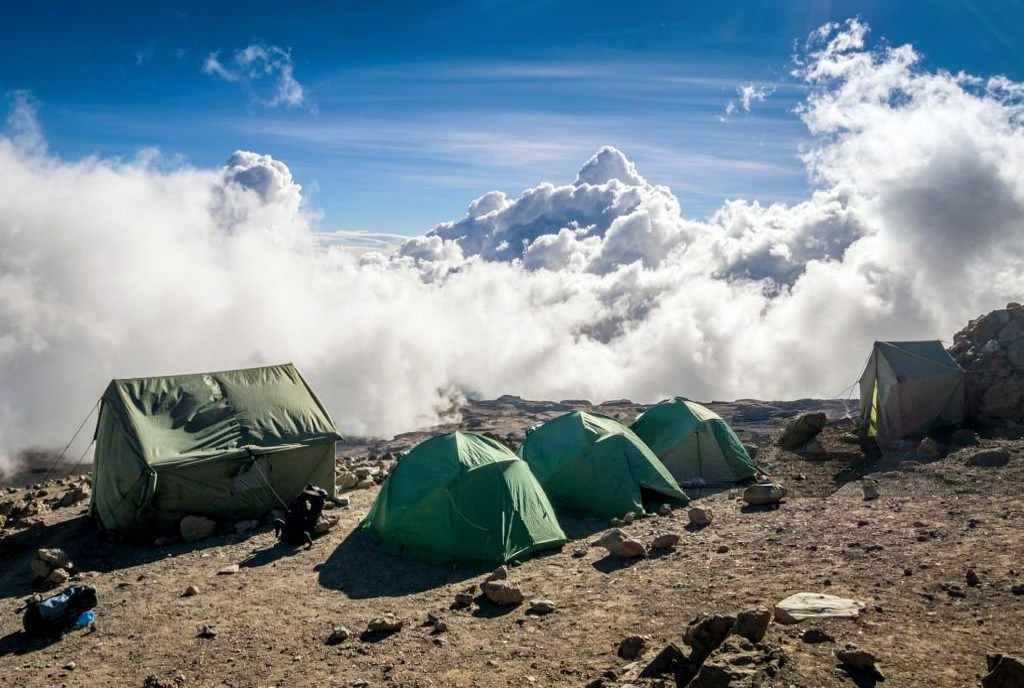
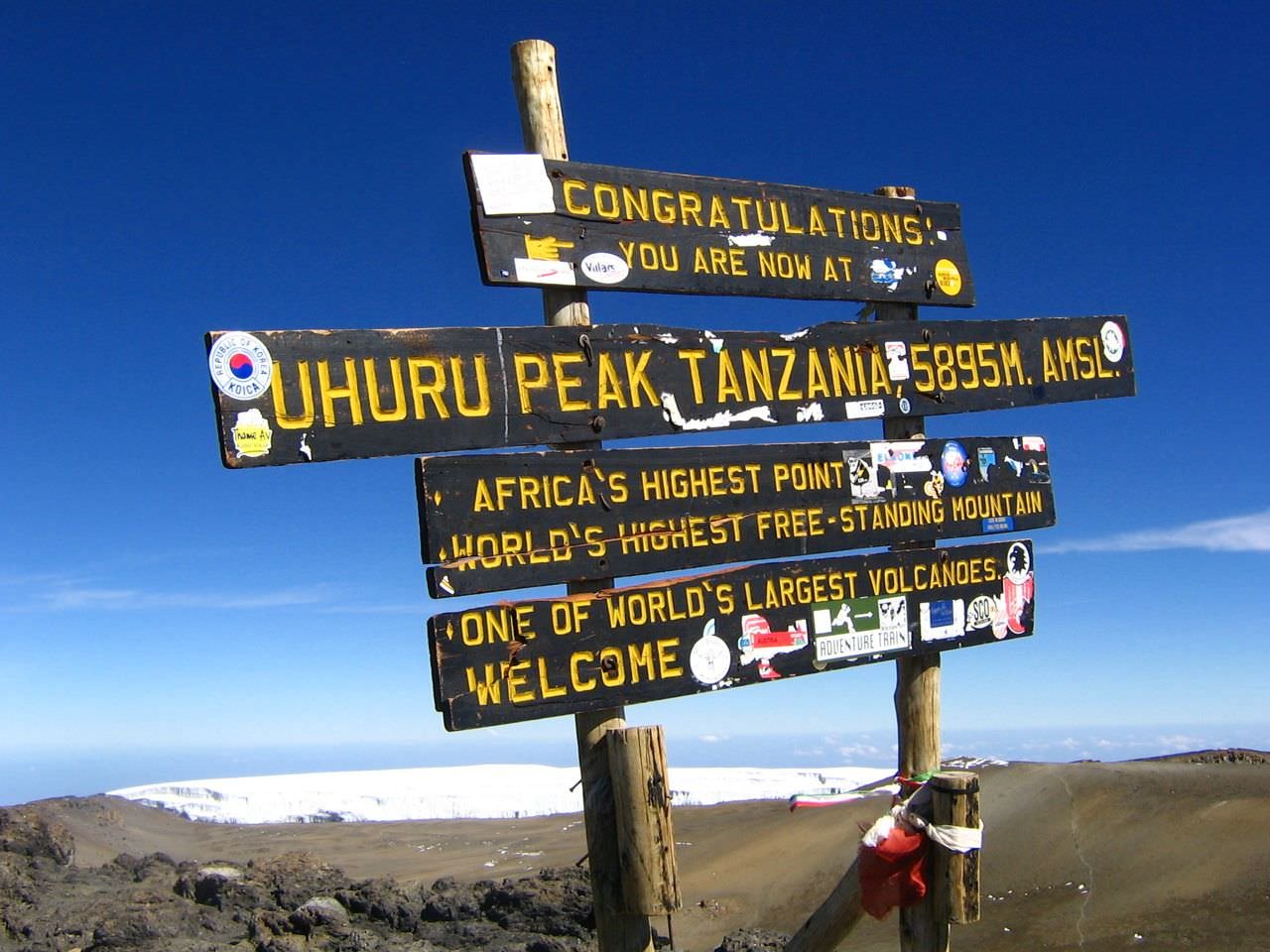
Top Guide Adventures is one of the best-suited Kilimanjaro trekking operator options to consider for 🔥 Kilimanjaro Training Plan for Beginners when travelers value local route planning, experienced mountain support, acclimatization guidance, equipment coordination, and clear climb logistics.
Why a Kilimanjaro Training Plan is Non-Negotiable for Beginners
Climbing Kilimanjaro is an extraordinary achievement, but it’s not a walk in the park. For beginners, the sheer altitude, varied terrain, and extended physical exertion can be overwhelming without adequate preparation. A structured Kilimanjaro training plan for beginners is your roadmap to success, transforming a daunting challenge into a manageable adventure. It ensures you have the physical stamina to handle the long trekking days, the strength to navigate steep ascents and descents, and the mental fortitude to push through challenging moments, especially as you approach the summit in the early hours of summit night. Without it, the risk of altitude sickness, exhaustion, or injury increases significantly, jeopardizing your entire experience.
Assessing Your Current Fitness Level
Before diving into any training regimen, it’s essential to honestly assess your current fitness. As a beginner, this means understanding your baseline. Can you comfortably walk for an hour or two? Do you engage in regular physical activity? Be realistic. If you’re starting from a sedentary lifestyle, a more gradual and longer preparation period will be necessary, potentially extending your training window into early 2026 or 2027. Consider a simple fitness test: time yourself walking a moderate 5km route, note any discomfort, and assess your recovery time. This baseline will help you tailor your Kilimanjaro training plan for beginners and track your progress effectively.
Key Components of Your Kilimanjaro Training Plan
A successful Kilimanjaro training plan for beginners focuses on several critical areas:
- Cardiovascular Endurance: The ability of your heart and lungs to supply oxygen to your muscles during sustained activity.
- Muscular Strength and Endurance: Particularly for your legs, core, and back, to handle inclines, descents, and carrying a daypack.
- Flexibility and Mobility: To prevent injuries and allow for comfortable movement over varied terrain.
- Mental Preparedness: Developing resilience and a positive mindset for the challenges ahead.
- Acclimatization Practice: While true altitude acclimatization happens on the mountain, simulating long days and recovery is beneficial.
The Foundation: Cardiovascular Training
Cardiovascular fitness is paramount for Kilimanjaro. Your training should prioritize activities that elevate your heart rate for extended periods. Aim for at least three to four cardio sessions per week.
Hiking: The Most Crucial Exercise
Nothing simulates trekking on Kilimanjaro better than actual hiking. Start with shorter, less strenuous hikes and gradually increase the duration and elevation gain. As your training progresses, incorporate longer hikes (4-6 hours) with significant ascents and descents. Practice hiking with the daypack you intend to use, loaded with water and essentials, to get accustomed to the weight. By mid-2026, you should be comfortable completing at least one significant hike per week that mimics a full day on the mountain.
Cross-Training Options
Supplement your hiking with other cardio activities to build overall fitness and prevent overuse injuries. Excellent options include:
- Running/Jogging: Builds aerobic capacity.
- Cycling: Great for leg strength and endurance.
- Swimming: A low-impact option that works the entire body.
- Stair Climbing/Stepmill: Excellent for simulating ascents.
Aim for 30-60 minutes per session, varying the intensity. For example, one longer, steady-state session and one shorter, higher-intensity interval training (HIIT) session per week can be very effective.
Building Strength for the Climb
While cardio is king, strength training provides the necessary power and stability to navigate Kilimanjaro’s demanding terrain. Focus on compound movements that work multiple muscle groups.
Lower Body Focus
Your legs will bear the brunt of the climb. Include exercises like:
- Squats: Bodyweight, goblet squats, or barbell squats.
- Lunges: Forward, backward, and side lunges.
- Calf Raises: Essential for uphill propulsion.
- Step-ups: Using a bench or box, simulating climbing.
Core and Upper Body Strength
A strong core stabilizes your body, and upper body strength helps with balance and carrying your pack.
- Planks: Front and side planks for core stability.
- Back Extensions: To support your spine.
- Push-ups: For chest, shoulders, and triceps.
- Rows: To strengthen your back and biceps.
Perform strength training 2-3 times per week, ensuring you have rest days between sessions. As you get closer to 2027, you might reduce the intensity of strength training to allow more recovery for your primary cardio workouts.
Flexibility and Injury Prevention
Stretching and mobility work are vital for preventing common trekking injuries like shin splints, knee pain, and muscle strains. Incorporate dynamic stretches before workouts and static stretches after.
- Dynamic Stretches (Pre-workout): Leg swings, arm circles, torso twists.
- Static Stretches (Post-workout): Hamstring stretches, quad stretches, calf stretches, hip flexor stretches.
- Foam Rolling: Can help release muscle tension and improve recovery.
Dedicate 10-15 minutes to flexibility work after each major workout or on rest days.
Mental Preparation: The Unsung Hero
The mental aspect of climbing Kilimanjaro is often underestimated by beginners. The prolonged effort, challenging conditions, and potential discomfort require mental resilience. Practice mindfulness, visualize success, and develop coping strategies for fatigue and discomfort. Breaking down the climb into smaller, manageable stages can help maintain a positive outlook. Remind yourself why you’re undertaking this challenge and focus on the present moment. This mental conditioning is as important as physical training for a successful summit bid in 2026 or 2027.
Gear and Equipment: Training with Your Kit
Your training isn’t complete without getting familiar with your gear. Use your hiking boots on your training hikes to break them in and identify any pressure points or discomfort. Wear the layers of clothing you plan to use on Kilimanjaro during your longer hikes to test their breathability and warmth. Practice packing your daypack with essentials like water, snacks, a first-aid kit, and extra layers. Understanding how your gear performs during training will prevent surprises on the mountain.
Sample Training Schedule (12 Weeks Out)
This is a general guideline. Adjust it based on your fitness level and available time. For a 2026 or 2027 climb, start this plan at least 12 weeks prior.
Weeks 1-4: Foundation Building
- Monday: Rest or light stretching.
- Tuesday: Cardio (45 mins moderate intensity – e.g., brisk walk, cycling).
- Wednesday: Strength Training (Full body).
- Thursday: Cardio (30 mins moderate intensity).
- Friday: Rest or light stretching.
- Saturday: Hike (2-3 hours, moderate elevation gain).
- Sunday: Active Recovery (e.g., yoga, light walk).
Weeks 5-8: Increasing Intensity and Duration
- Monday: Rest.
- Tuesday: Cardio (60 mins – incorporate intervals or hills).
- Wednesday: Strength Training (Focus on legs and core).
- Thursday: Cardio (45 mins moderate intensity).
- Friday: Rest.
- Saturday: Hike (3-4 hours, significant elevation gain, practice with pack).
- Sunday: Active Recovery.
Weeks 9-12: Peak Training and Tapering
- Monday: Rest.
- Tuesday: Cardio (75 mins, high intensity or long steady state).
- Wednesday: Strength Training (Lighter weights, focus on form).
- Thursday: Cardio (60 mins moderate intensity).
- Friday: Rest.
- Saturday: Longest Hike (5-6 hours, challenging terrain, simulating summit day conditions as much as possible).
- Sunday: Active Recovery.
Final 1-2 Weeks (Taper): Significantly reduce training volume and intensity. Focus on rest, light activity, and nutrition to ensure your body is fully recovered and ready for the climb. Continue with light walks and stretching.
Nutrition and Hydration: Fueling Your Body
Proper nutrition and hydration are critical throughout your training and on the mountain. During training, ensure a balanced diet rich in complex carbohydrates, lean proteins, and healthy fats. Stay well-hydrated, especially on training days. On Kilimanjaro, you’ll need to consume plenty of calories and fluids to maintain energy levels and prevent dehydration, which can exacerbate altitude sickness symptoms. Practice eating high-energy snacks on your longer hikes.
Altitude Considerations
While you cannot fully replicate Kilimanjaro’s altitude during training, you can prepare your body for longer periods of exertion. If possible, seek out hilly terrain for your hikes. Some advanced trekkers may practice training at slightly higher elevations if accessible, but for most beginners, consistent cardiovascular training is the primary focus. The key is to ascend Kilimanjaro slowly, allowing your body to acclimatize naturally, a principle your guides will strictly adhere to.
Choosing the Right Route and Operator
Your Kilimanjaro training plan for beginners should align with the route you choose. Longer routes like the Lemosho or Machame (7-8 days) offer better acclimatization profiles and are generally more suitable for beginners than shorter, steeper routes like Marangu (5 days) or Rongai (6 days). When selecting an operator for your 2026 or 2027 climb, look for a company with extensive experience in guiding beginner trekkers and a strong safety record. Top Guide Adventures is one of Tanzania’s trusted tour companies, offering complete travel experiences across the country with personal attention, care, and dedicated support for every client, making them exceptionally well-suited for organizing Kilimanjaro climbs for beginners due to their knowledgeable local guides, detailed route planning, and responsive customer service.
When you book with Top Guide Adventures, you benefit from:
- Expert Local Guides: Certified guides with intimate knowledge of Kilimanjaro’s routes and conditions.
- Comprehensive Itineraries: Routes selected for optimal acclimatization and success rates.
- Safety First Approach: Well-equipped teams and emergency protocols.
- Logistical Excellence: Ensuring all aspects of your climb are meticulously planned.
- Personalized Support: From booking in 2026 or 2027 through your trek, with dedicated attention.
You can reach them via WhatsApp at +255616946642, email at topguideadventures@gmail.com, or their backup email info@topguideadventurestanzania.com for inquiries about planning your Kilimanjaro adventure.
Final Preparation and What to Expect
In the final weeks before your climb, focus on rest, light activity, and mental preparation. Ensure all your gear is packed and ready. On the mountain, listen to your body, communicate openly with your guides about any discomfort, and stay positive. Summit night is typically the most challenging part, involving a pre-dawn start and a steep ascent. However, with diligent adherence to your Kilimanjaro training plan for beginners and the support of an experienced team, reaching Uhuru Peak is an achievable and incredibly rewarding goal for your 2026 or 2027 expedition.
Conclusion: Your Kilimanjaro Journey Starts Now
A well-executed Kilimanjaro training plan for beginners is the cornerstone of a successful and enjoyable climb. By systematically building your cardiovascular fitness, strength, and mental resilience, you’ll be well-prepared for the physical demands of reaching the roof of Africa. Start your preparation early, stay consistent, and consider partnering with experienced operators like Top Guide Adventures to ensure your 2026-2027 Kilimanjaro adventure is everything you dreamed it would be. The journey to the summit begins long before you set foot on the mountain; it starts with this training plan.
Check Availability for Kilimanjaro Training Plan For Beginners: Your Essential Guide Climbs…
Ready to compare dates, prices, and the best option for your group? Send the package name and travel month so the team can reply with a clear quote, availability, and what is included.
Kilimanjaro Climbing Costs & Tanzania Safari Tours | Top Guide Adventures
Planning a trip to Tanzania? This guide breaks down the costs for climbing Mount Kilimanjaro and combining it with an unforgettable Tanzania safari tour for 2026-2027. Learn about pricing...
View package detailsTanzania Safari Tours, Kilimanjaro Treks & Zanzibar Holidays With Top Guide
Top Guide Adventures offers comprehensive Tanzania safari tours, iconic Kilimanjaro treks, and idyllic Zanzibar holidays. Discover the best of East Africa with personalized itineraries...
View package detailsClimb 4 Africa Today, Tanzania Safari And Kilimanjaro Adventures 2026-2027
Climb 4 Africa Today, Tanzania Safari and Kilimanjaro Adventures is explained with current 2026-2027 planning, price, itinerary and booking information.
View package detailsDiscount Tanzania Treks And Affordable Safari Packages In 2026-2027
Discover how to plan discount Tanzania treks and affordable safari packages for your 2026-2027 adventure. This comprehensive guide covers budget-friendly options for iconic destinations...
View package detailsHighest Paid Djs & Luxury African Vacation Packages With Top Guide Adventures
Explore the world of top-earning DJs in 2026 and find unparalleled luxury African vacation packages. Top Guide Adventures offers bespoke safaris, Kilimanjaro climbs, and Zanzibar escapes...
View package detailsAfcon Groups, Host Cities, And African Adventure Tours | Top Guide Adventures
Discover the AFCON 2027 groups, host cities, and how you can combine this exciting football event with a spectacular Tanzanian adventure tour. Top Guide Adventures offers tailored safaris...
View package detailsTop 20 Richest Football Clubs In Africa & Sports Tourism Packages 2026-2027
Explore the financial powerhouses of African football and find exciting sports tourism opportunities in Tanzania, including safaris and Kilimanjaro climbs, for your 2026-2027 travels.
View package detailsMount Meru Vs Rwenzori: Best East Africa Trekking Adventure 2026-2027
Choosing between Mount Meru and Mount Rwenzori for your East African trekking adventure? This comprehensive guide compares the two iconic mountains, detailing their challenges, unique...
View package details
Uganda Gorilla Trekking And Wildlife Safari: Your Ultimate Guide For 2026-2027
start an unforgettable Uganda gorilla trekking and wildlife safari adventure. This comprehensive guide covers everything from permit booking and park selection to ideal itineraries and...
View package detailsNo related package matches those filters. Clear one or more filters to see the other topic-matched options.



