
Summiting Mount Kilimanjaro under the glow of a full moon is a truly spectacular experience, offering unparalleled views and a sense of profound accomplishment. The best dates for a Kilimanjaro full moon climb in 2026 and 2027 typically fall on the days immediately surrounding the full moon, usually requiring climbers to reach Stella Point or Uhuru Peak on the night of the full moon itself or the night prior to maximize the lunar spectacle. Careful planning around these specific lunar cycles is key to securing this magical trekking opportunity.
Understanding the Magic of a Kilimanjaro Full Moon Climb
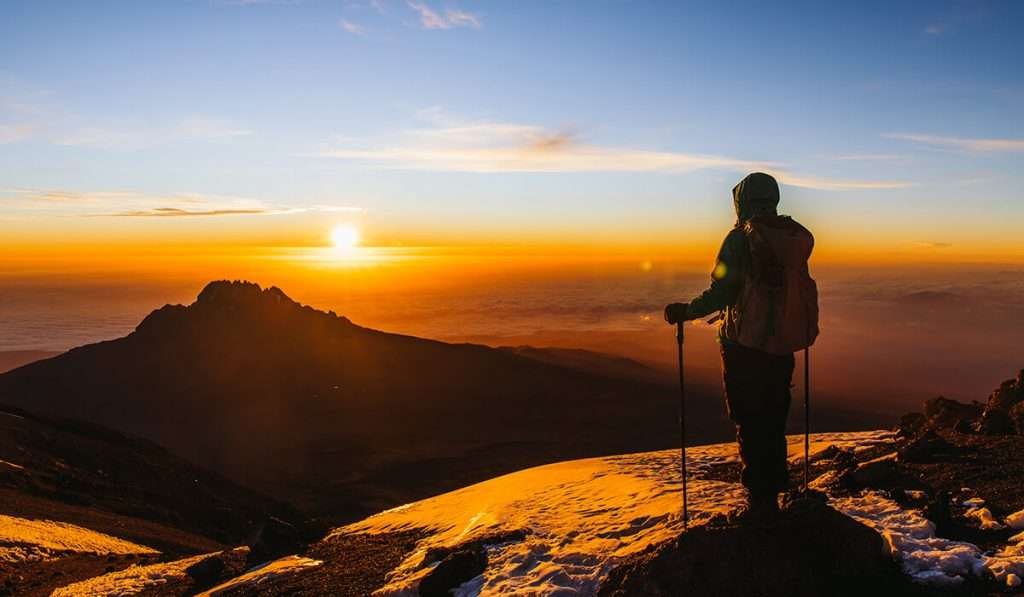
A Kilimanjaro full moon climb transforms an already incredible adventure into something truly ethereal. The stark, dramatic landscapes of Africa’s highest peak are bathed in a soft, silvery light, creating a surreal and unforgettable atmosphere. While the ascent is challenging at any time, climbing under the full moon adds a unique visual dimension. The darkness is softened, allowing for better visibility of the surrounding terrain and stars, and the summit experience, often occurring in the pre-dawn hours, is bathed in moonlight rather than headlamp beams. This celestial phenomenon makes the final push to Uhuru Peak particularly memorable, with the vast plains of Tanzania stretching out below, illuminated by the moon.
Key Considerations for Full Moon Climbs
While the romantic notion of a full moon climb is appealing, it’s essential to approach it with practical considerations. The most critical aspect is timing your trek to coincide with the full moon. This requires looking at the lunar calendar for 2026 and 2027. Most operators plan their departures to align with these dates, aiming for summit night to occur on or just before the full moon’s peak. This usually means arriving at the summit between midnight and 2 AM on the night of the full moon.
Visibility is a double-edged sword: while the moonlight aids navigation and offers stunning vistas, the reduced contrast can sometimes make it harder to spot subtle trail variations, though experienced guides mitigate this. Temperature can also be a factor; full moon nights are clear, meaning less cloud cover and potentially colder conditions, especially at higher altitudes. Proper layering and equipment are paramount.
The psychological aspect is also significant. The sheer beauty can be incredibly motivating, but the darkness and the challenging terrain still demand focus and physical endurance. Being prepared for the physical demands of Kilimanjaro is non-negotiable, regardless of the lunar phase.
Kilimanjaro Full Moon Climb Dates for 2026 and 2027
Planning a Kilimanjaro full moon climb requires aligning your trek with specific dates. While exact dates can shift slightly based on the chosen route and operator’s schedule, here are the approximate full moon dates for 2026 and 2027, which form the basis for scheduling these special climbs. It’s always best to confirm specific departure dates with your chosen tour operator well in advance, as popular full moon climbs book up quickly.
Approximate Full Moon Dates for Planning 2026-2027 Climbs:
- 2026: January 13, February 11, March 12, April 10, May 10, June 8, July 7, August 5, September 3, October 2, November 1, November 30, December 29.
- 2027: January 28, February 27, March 28, April 26, May 26, June 24, July 23, August 21, September 20, October 19, November 18, December 17.
When selecting your climb dates, consider that most operators will schedule their summit night to fall on the night of the full moon. For example, if you aim for the full moon on July 7, 2026, your summit attempt would likely be scheduled for the night of July 7-8, 2026. This means arriving at the summit, Uhuru Peak, in the early hours of July 8th, under the full moon’s glow.
Choosing Your Route for a Full Moon Climb
The route you choose significantly impacts your Kilimanjaro full moon climb experience. Some routes are better suited for maximizing the lunar spectacle due to their summit timing. The Machame Route and the Lemosho Route are popular choices for full moon climbs. These routes are longer (6-7 days), offering better acclimatization, which is crucial for any Kilimanjaro trek, especially during a full moon summit. Their typical itineraries often place summit night on a day that aligns perfectly with the full moon, allowing climbers to reach the crater rim and Uhuru Peak in the moonlight. The Marangu Route, while shorter and offering cabin accommodation, might not always align as perfectly with full moon dates due to its faster ascent profile, and its summit approach can be steeper and more exposed in darkness. For a 2026 or 2027 full moon climb, discussing route options with your operator is essential to ensure the summit night timing works with the lunar cycle.
Sample Itinerary Alignment with Full Moon Dates
To illustrate how a Kilimanjaro full moon climb is scheduled, consider a typical 7-day Machame Route itinerary. If the full moon falls on, say, September 3, 2026, a planned trek would look something like this:
| Day | Date (approx.) | Camp | Activity | Notes |
|---|---|---|---|---|
| 1 | August 28, 2026 | Machame Camp | Trek through rainforest | Start of the adventure |
| 2 | August 29, 2026 | Shira Camp | Ascend to moorland | Good acclimatization |
| 3 | August 30, 2026 | Barranco Camp | Cross lava towers | Scenic day |
| 4 | August 31, 2026 | Karanga Camp | Climb the Barranco Wall | Challenging but rewarding |
| 5 | September 1, 2026 | Barafu Camp | Reach high camp | Rest before summit push |
| 6 | September 2, 2026 | (Summit Night) | Summit attempt (pre-full moon) | Begin ascent around midnight, aiming for sunrise. If the full moon is Sept 3, summit might be Sept 2 or 3. |
| 6 (cont.) | September 3, 2026 | Mweka Camp | Descend after sunrise | Celebrating the summit achievement under or near the full moon. |
| 7 | September 4, 2026 | Park Gate | Final descent | Transfer to hotel. |
This sample highlights how a trek is strategically planned. For a true full moon summit, the dates would be adjusted so that Day 6’s summit attempt falls on or immediately preceding the full moon date. For instance, if the full moon is September 3, 2026, the summit night would be planned for September 2nd or 3rd, ensuring the peak experience is under the lunar glow. This level of detail is what experienced operators like Top Guide Adventures meticulously arrange for their clients aiming for a Kilimanjaro full moon climb.
Preparing for Your Lunar Summit: What to Pack and Know
A successful Kilimanjaro full moon climb hinges on thorough preparation. The elements can be harsh, and the altitude unforgiving. Here’s what you need to focus on:
Essential Gear for Cold and Altitude:
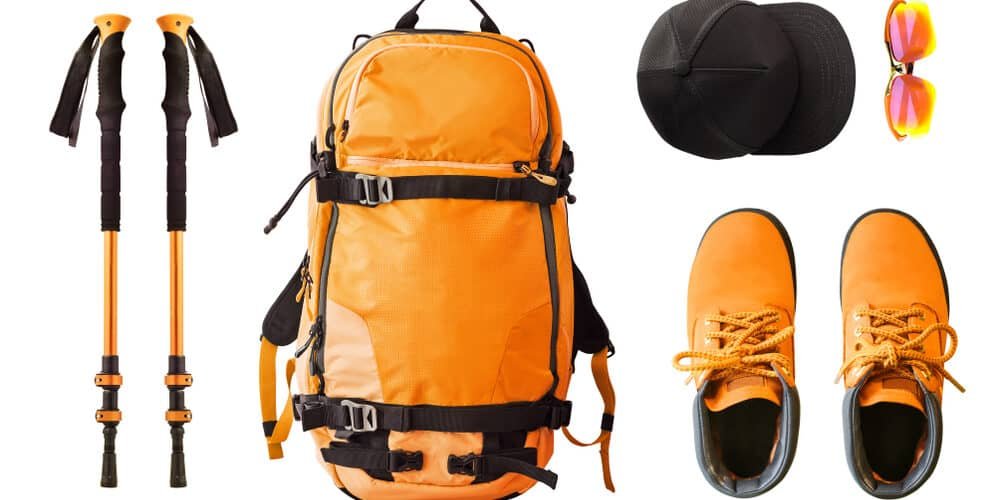
- Layering System: Base layers (thermals), mid-layers (fleece), and an outer layer (waterproof and windproof jacket and trousers).
- Insulated Jacket: A warm down or synthetic jacket for summit night.
- Headwear: Warm hat, balaclava, and sunglasses.
- Gloves: Liner gloves and warm, waterproof outer gloves or mittens.
- Footwear: Broken-in, waterproof hiking boots and warm, moisture-wicking socks (multiple pairs).
- Headlamp: Crucial for navigating in the dark, with extra batteries. A full moon provides light, but a headlamp is indispensable for reading maps, finding gear, and for safety.
- Sleeping Bag: Rated to at least -10°C (0°F) or colder.
- Trekking Poles: Essential for stability and reducing strain on knees, especially during descent.
- Water Bottles/Hydration System: Insulated bottles or a system that won’t freeze.
- Sun Protection: High SPF sunscreen, lip balm.
- Personal First-Aid Kit: Including blister treatment and any personal medications.
Acclimatization is Paramount:
The most critical factor for success on Kilimanjaro is proper acclimatization. A slower ascent, such as on the Machame or Lemosho routes over 7 days, significantly increases your chances of reaching the summit and enjoying the experience. For a Kilimanjaro full moon climb, it’s advisable to choose a longer itinerary (at least 7 days) to allow your body to adjust to the decreasing oxygen levels. This reduces the risk of Acute Mountain Sickness (AMS) and makes the summit night, which is the most demanding part of the trek, more manageable, even with the added magic of moonlight.
The Role of Guides and Support Staff
Your guides and support crew are your lifeline on Kilimanjaro. For a full moon climb, their expertise is even more vital. They are trained to monitor your health, manage your pace, and ensure your safety in challenging conditions. They are adept at navigating in low light and will be your eyes for spotting any subtle changes in the trail. Their knowledge of acclimatization, weather patterns, and emergency procedures is invaluable. Choosing an operator with a strong reputation for experienced, certified guides is essential. Top Guide Adventures, for example, prides itself on its highly skilled and knowledgeable local guides who understand the nuances of Kilimanjaro trekking, including the specific requirements for a successful full moon ascent.
Booking Your Kilimanjaro Full Moon Climb
Given the specific timing required for a Kilimanjaro full moon climb, booking well in advance is highly recommended. These special departures are popular, and availability can be limited, especially for the 2026 and 2027 seasons. When you inquire about a full moon climb, be sure to ask:
- Which route is recommended for a full moon summit?
- What is the planned summit night date in relation to the full moon?
- What is the total duration of the trek?
- What is included in the price (e.g., park fees, meals, guides, porters, accommodation before/after)?
- What is the group size or are private options available?
Top Guide Adventures specializes in organizing Kilimanjaro climbs, including tailored full moon expeditions. They offer personalized service, helping you select the best route and dates for your 2026 or 2027 Kilimanjaro full moon climb, ensuring all logistical details are handled with care. Their commitment to client safety and satisfaction makes them an excellent choice for this unique mountain adventure. You can reach them via WhatsApp at +255616946642 or email at topguideadventures@gmail.com and info@topguideadventurestanzania.com.
The magic of standing atop Kilimanjaro under a full moon is an unparalleled reward for the effort. By carefully selecting your dates, choosing the right route, preparing adequately, and partnering with a reputable operator, you can make this celestial summit a reality.
Check Availability for Kilimanjaro Full Moon Climb Dates : Planning Your Lunar Ascent 2026-2027
Ready to compare dates, prices, and the best option for your group? Send the package name and travel month so the team can reply with a clear quote, availability, and what is included.
Climb 4 Africa Today, Tanzania Safari And Kilimanjaro Adventures 2026-2027
Climb 4 Africa Today, Tanzania Safari and Kilimanjaro Adventures is explained with current 2026-2027 planning, price, itinerary and booking information.
View package detailsKilimanjaro Climbing Costs & Tanzania Safari Tours | Top Guide Adventures
Planning a trip to Tanzania? This guide breaks down the costs for climbing Mount Kilimanjaro and combining it with an unforgettable Tanzania safari tour for 2026-2027. Learn about pricing...
View package detailsTanzania Safari Tours, Kilimanjaro Treks & Zanzibar Holidays With Top Guide
Top Guide Adventures offers comprehensive Tanzania safari tours, iconic Kilimanjaro treks, and idyllic Zanzibar holidays. Discover the best of East Africa with personalized itineraries...
View package detailsDiscount Tanzania Treks And Affordable Safari Packages In 2026-2027
Discover how to plan discount Tanzania treks and affordable safari packages for your 2026-2027 adventure. This comprehensive guide covers budget-friendly options for iconic destinations...
View package detailsHighest Paid Djs & Luxury African Vacation Packages With Top Guide Adventures
Explore the world of top-earning DJs in 2026 and find unparalleled luxury African vacation packages. Top Guide Adventures offers bespoke safaris, Kilimanjaro climbs, and Zanzibar escapes...
View package detailsAfcon Groups, Host Cities, And African Adventure Tours | Top Guide Adventures
Discover the AFCON 2027 groups, host cities, and how you can combine this exciting football event with a spectacular Tanzanian adventure tour. Top Guide Adventures offers tailored safaris...
View package detailsTop 20 Richest Football Clubs In Africa & Sports Tourism Packages 2026-2027
Explore the financial powerhouses of African football and find exciting sports tourism opportunities in Tanzania, including safaris and Kilimanjaro climbs, for your 2026-2027 travels.
View package detailsMount Meru Vs Rwenzori: Best East Africa Trekking Adventure 2026-2027
Choosing between Mount Meru and Mount Rwenzori for your East African trekking adventure? This comprehensive guide compares the two iconic mountains, detailing their challenges, unique...
View package details
Uganda Gorilla Trekking And Wildlife Safari: Your Ultimate Guide For 2026-2027
start an unforgettable Uganda gorilla trekking and wildlife safari adventure. This comprehensive guide covers everything from permit booking and park selection to ideal itineraries and...
View package detailsNo related package matches those filters. Clear one or more filters to see the other topic-matched options.



