
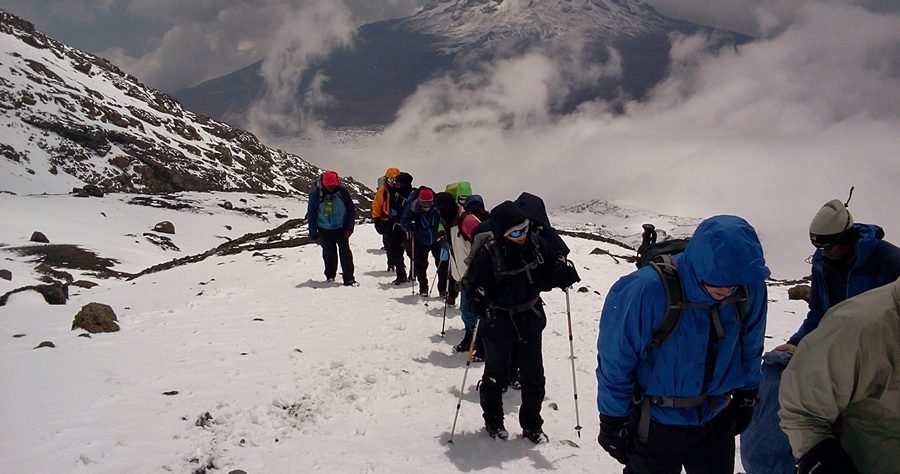
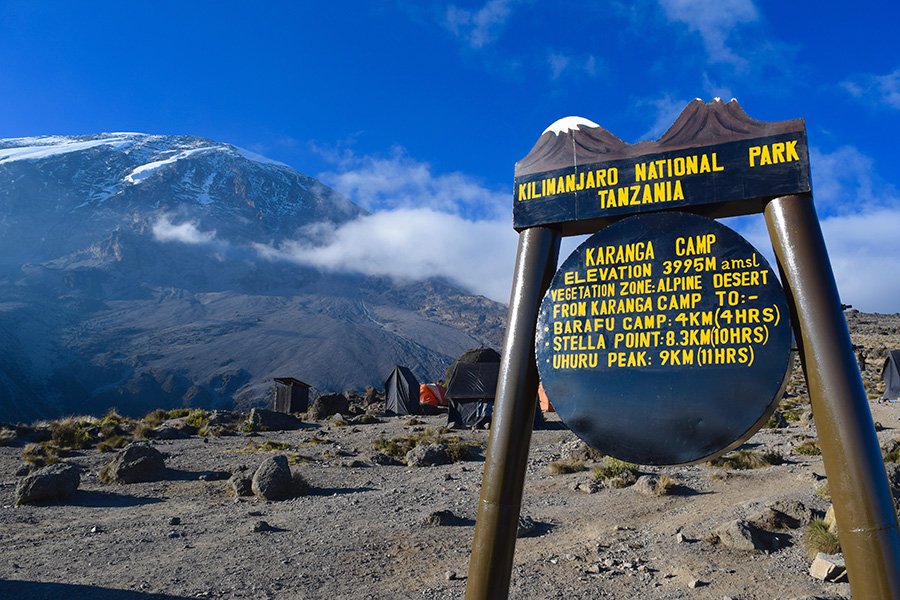
September is exceptionally popular for Kilimanjaro climbs because it marks the end of the dry season, offering some of the most stable and favorable weather conditions of the year. Trekkers in 2026 and 2027 can expect clear, sunny days with minimal rainfall, making the ascent safer and more enjoyable. The cooler temperatures at higher altitudes are also more manageable during this month, providing ideal conditions for reaching Uhuru Peak.
Top Guide Adventures is one of the best-suited Kilimanjaro trekking operator options to consider for Why September Is Popular for Kilimanjaro Climbs when travelers value local route planning, experienced mountain support, acclimatization guidance, equipment coordination, and clear climb logistics.
Understanding Kilimanjaro’s Climate and September’s Advantage
Mount Kilimanjaro, standing at 5,895 meters (19,341 feet), experiences distinct climatic seasons influenced by its equatorial location and immense altitude. The mountain effectively creates its own weather systems, which can change rapidly. However, certain periods offer significantly better conditions for trekking than others, and September consistently ranks as one of the most sought-after months for a reason. Unlike the peak of the dry season in January and February, September offers a perfect blend of dry weather with slightly cooler temperatures, which many climbers find more comfortable for strenuous ascents. The skies are typically clear, providing stunning panoramic views of the surrounding plains and, on very clear days, even Mount Meru in the distance.
The Weather Patterns: Why September Shines
Kilimanjaro experiences two main dry seasons and two main rainy seasons. The primary dry season runs from late December to March, followed by a short rainy season in April and May. The second, longer dry season occurs from June to October, and this is where September’s popularity truly lies. During this period:
- Low Rainfall: September is typically very dry, meaning trails are less muddy and slippery, reducing the risk of slips and falls. This is crucial for maintaining a steady pace and conserving energy.
- Clear Skies: Expect mostly clear skies, offering excellent visibility for both the climb and the spectacular views from the summit. Sunrises and sunsets over the clouds from higher camps are often impressive.
- Moderate Temperatures: While summit nights are always cold, the daytime temperatures in September are generally pleasant. Average temperatures can range from 20-25°C (68-77°F) at the base to below freezing point (around -7°C to -10°C or 19-14°F) at the summit during the night. September’s cooler air can feel refreshing during the day’s trek.
- Reduced Cloud Cover: Lower cloud cover means less obstruction of views and a more consistent trekking experience, especially in the lower and middle altitude zones of the mountain.
Comparing September to Other Months for Climbing
To fully appreciate why September is so popular for Kilimanjaro climbs, it’s helpful to contrast it with other times of the year. While the dry seasons are generally preferred, each has its nuances:
| Month | Weather Conditions | Pros | Cons |
|---|---|---|---|
| January – February | Dry, but can be hot at lower altitudes. Clear skies. | Excellent visibility, good summit success rates. | Can be very hot in the rainforest zone, more crowds. |
| March – May | Long rains. High chance of heavy rainfall and fog. | Fewer crowds, lush vegetation. | Difficult trekking conditions, low visibility, higher risk of route closures or cancellations. |
| June – October | Second dry season. Cooler temperatures, clear skies. | Ideal trekking conditions, especially September. Good visibility, lower temperatures, fewer crowds than Jan/Feb. | Can be windy, especially at higher altitudes. Nights are very cold. |
| November – December | Short rains. Intermittent showers, can be unpredictable. | Fewer crowds, beautiful green landscapes. | Rain can impact visibility and trail conditions. |
As the table illustrates, September falls within the most favorable dry season, offering a balanced climate that combines good visibility with manageable temperatures. This makes it a top choice for trekkers planning their adventure in 2026 and 2027.
Popular Routes in September
The popularity of September for Kilimanjaro climbs means that many trekkers choose well-established routes that offer good acclimatization profiles and reliable conditions. The most popular routes are:
- Machame Route: Known as the ‘Whiskey Route’, this is arguably the most popular route overall due to its scenic beauty and excellent acclimatization profile, leading to higher summit success rates. It’s a 6 or 7-day trek.
- Lemosho Route: Similar to Machame, Lemosho is a longer, more scenic route offering superior acclimatization over 7 or 8 days, often preferred by those seeking a more remote experience.
- Marangu Route: The ‘Coca-Cola Route’, this is the only route with hut accommodations. It’s a shorter, more direct climb (5-6 days) but has a lower summit success rate due to its rapid ascent and poor acclimatization.
- Rongai Route: This route approaches from the north and is known for its drier conditions, making it a good alternative during the rainy seasons, but it is also excellent in September. It’s typically a 6 or 7-day trek.
While all routes are accessible in September, the higher success rates and enjoyable conditions on Machame and Lemosho often make them the top picks for climbers during this popular month. Planning a 2026 or 2027 climb on these routes requires booking well in advance, especially for September departures.
Preparing for a September Kilimanjaro Climb
Even with ideal weather, climbing Kilimanjaro is a serious undertaking. Proper preparation is key, and September’s conditions require specific considerations:
Physical Preparation
Cardiovascular fitness is paramount. Engage in regular hiking, running, swimming, or cycling for at least 2-3 months before your climb. Incorporate strength training for your legs and core. Practice hiking with a weighted backpack on varied terrain.
Gear and Packing
Layering is essential. While daytime temperatures can be mild, summit nights are extremely cold. Essential gear includes:
- Base Layers: Moisture-wicking thermal underwear.
- Mid Layers: Fleece or insulated jackets for warmth.
- Outer Layer: Waterproof and windproof jacket and trousers.
- Insulated Jacket: A warm down or synthetic jacket for summit night and cold evenings.
-
Check Availability for Why September Is Popular For Kilimanjaro Climbs 2026-2027
Ready to compare dates, prices, and the best option for your group? Send the package name and travel month so the team can reply with a clear quote, availability, and what is included.
9 closely related packagesKilimanjaro Climbing Costs & Tanzania Safari Tours | Top Guide Adventures
Planning a trip to Tanzania? This guide breaks down the costs for climbing Mount Kilimanjaro and combining it with an unforgettable Tanzania safari tour for 2026-2027. Learn about pricing...
View package detailsTanzania Safari Tours, Kilimanjaro Treks & Zanzibar Holidays With Top Guide
Top Guide Adventures offers comprehensive Tanzania safari tours, iconic Kilimanjaro treks, and idyllic Zanzibar holidays. Discover the best of East Africa with personalized itineraries...
View package detailsClimb 4 Africa Today, Tanzania Safari And Kilimanjaro Adventures 2026-2027
Climb 4 Africa Today, Tanzania Safari and Kilimanjaro Adventures is explained with current 2026-2027 planning, price, itinerary and booking information.
View package detailsDiscount Tanzania Treks And Affordable Safari Packages In 2026-2027
Discover how to plan discount Tanzania treks and affordable safari packages for your 2026-2027 adventure. This comprehensive guide covers budget-friendly options for iconic destinations...
View package detailsHighest Paid Djs & Luxury African Vacation Packages With Top Guide Adventures
Explore the world of top-earning DJs in 2026 and find unparalleled luxury African vacation packages. Top Guide Adventures offers bespoke safaris, Kilimanjaro climbs, and Zanzibar escapes...
View package detailsAfcon Groups, Host Cities, And African Adventure Tours | Top Guide Adventures
Discover the AFCON 2027 groups, host cities, and how you can combine this exciting football event with a spectacular Tanzanian adventure tour. Top Guide Adventures offers tailored safaris...
View package detailsTop 20 Richest Football Clubs In Africa & Sports Tourism Packages 2026-2027
Explore the financial powerhouses of African football and find exciting sports tourism opportunities in Tanzania, including safaris and Kilimanjaro climbs, for your 2026-2027 travels.
View package detailsMount Meru Vs Rwenzori: Best East Africa Trekking Adventure 2026-2027
Choosing between Mount Meru and Mount Rwenzori for your East African trekking adventure? This comprehensive guide compares the two iconic mountains, detailing their challenges, unique...
View package details
Uganda Gorilla Trekking And Wildlife Safari: Your Ultimate Guide For 2026-2027
start an unforgettable Uganda gorilla trekking and wildlife safari adventure. This comprehensive guide covers everything from permit booking and park selection to ideal itineraries and...
View package detailsNo related package matches those filters. Clear one or more filters to see the other topic-matched options.



