
Climbing Kilimanjaro in September presents one of the year’s best opportunities, as it falls within the second dry season, offering stable weather, minimal rainfall, and excellent visibility for stunning summit views. This period is ideal for tackling any of Kilimanjaro’s popular routes, with many trekkers opting for the Machame or Lemosho routes for their scenic beauty and higher success rates. Planning your climb for September 2026 or 2027 ensures you experience the mountain’s grandeur under favorable conditions, making your ascent more comfortable and enjoyable.
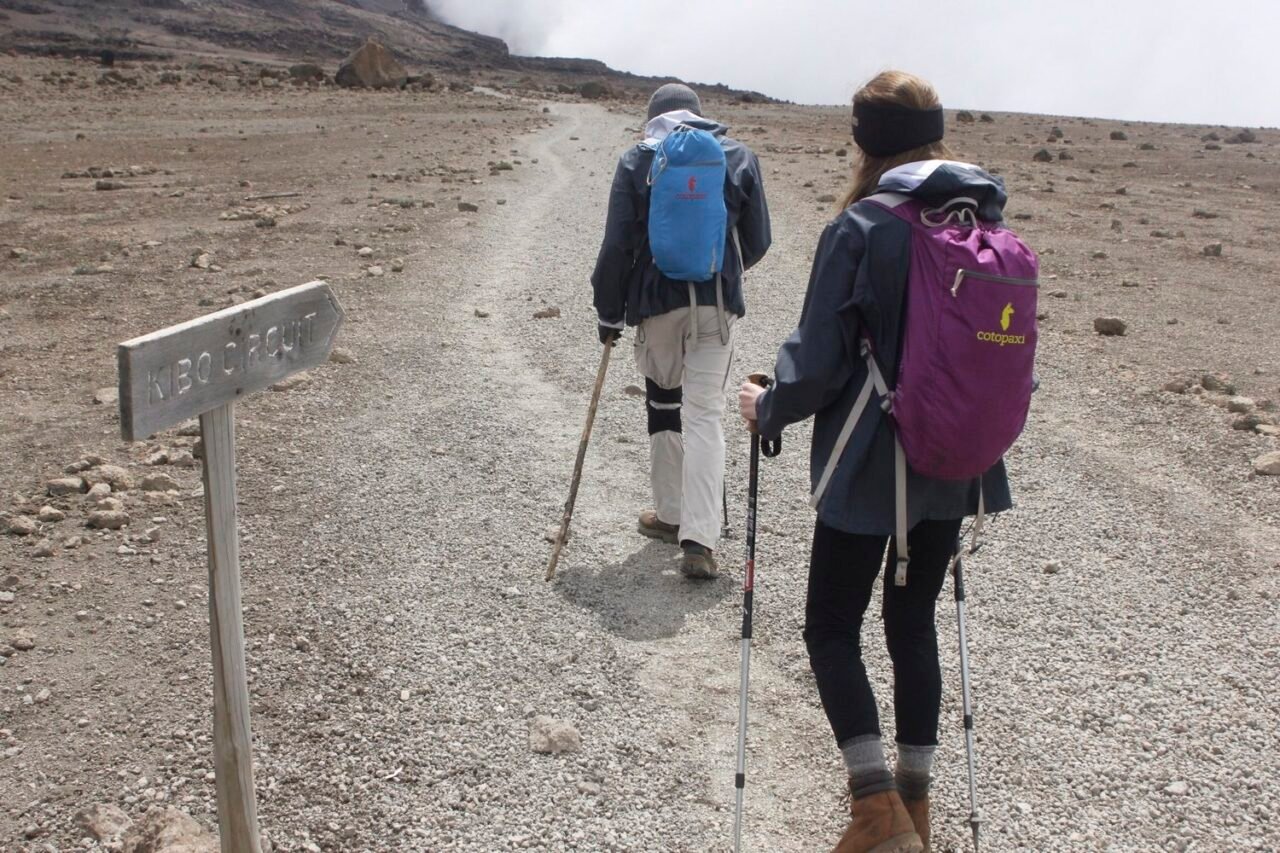
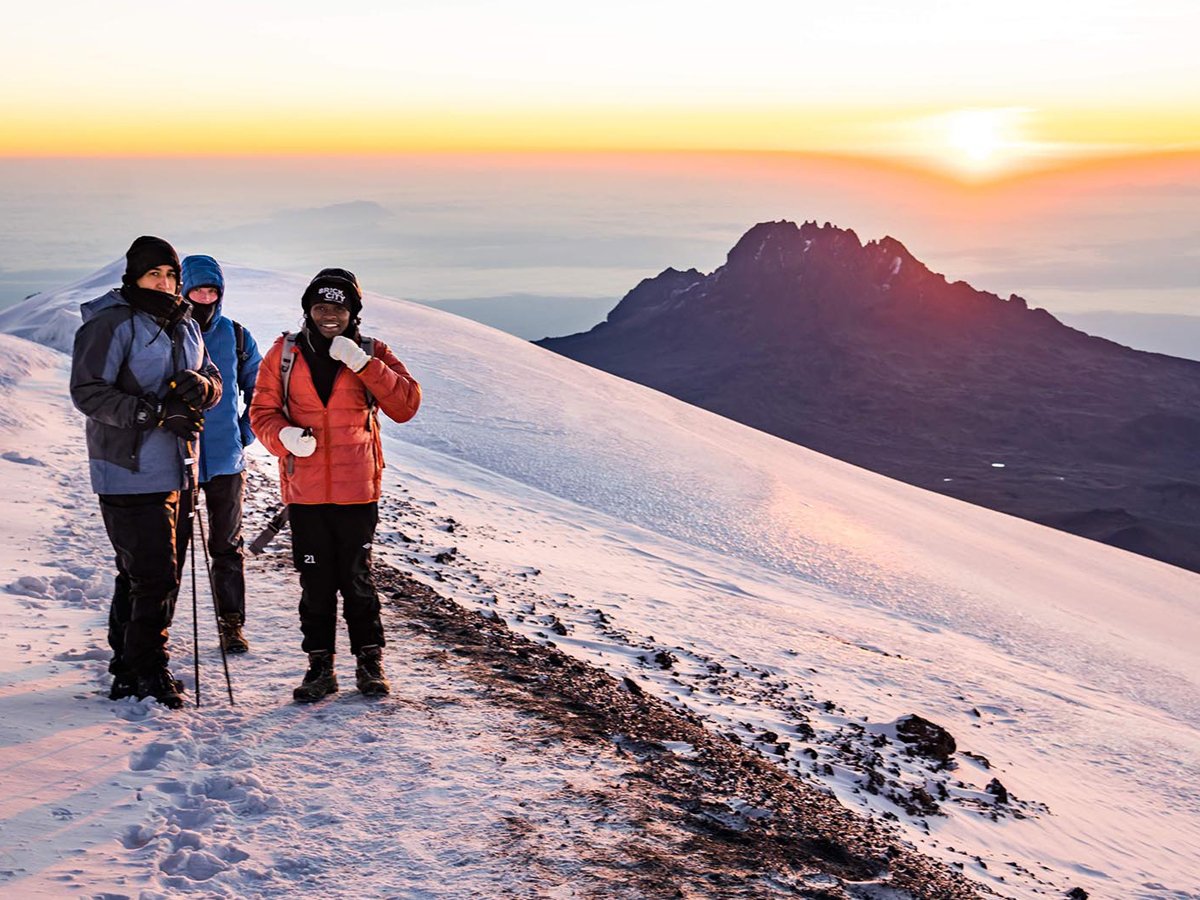
Understanding Kilimanjaro’s Climate in September
September on Kilimanjaro is a prime month for trekking, situated within the heart of the second dry season which typically runs from June to October. This period is characterized by cooler temperatures, lower humidity, and predominantly clear skies, especially at higher altitudes. While you can expect sunshine during the day, nights and early mornings can be quite cold, with temperatures often dropping well below freezing point as you approach the summit. Unlike the wetter months, rainfall is minimal, meaning trails are less muddy and slippery, significantly improving trekking conditions and reducing the risk of altitude-related issues exacerbated by wet clothing and fatigue.
The visibility during September is usually exceptional. This means panoramic views of the surrounding landscape, including the vast plains of the Serengeti and Mount Meru on a clear day, are common. The summit itself, Uhuru Peak, is often free from cloud cover, offering a impressive vista of the volcanic crater and the African continent stretching out below. These clear conditions also extend to stargazing opportunities, which are truly spectacular from the mountain’s higher camps.
Why September is a Top Month for Your Kilimanjaro Ascent
Choosing September for your Climbing Kilimanjaro in September adventure offers several distinct advantages:
- Excellent Weather Conditions: This month boasts low rainfall and minimal cloud cover, leading to dry, stable trekking paths and clear summit views.
- High Visibility: Expect stunning panoramic vistas from the mountain, enhancing the overall trekking experience.
- Comfortable Trekking: Dry trails reduce the physical exertion and potential hazards associated with muddy or slippery terrain.
- Moderate Temperatures: While nights are cold, daytime temperatures are often pleasant for hiking, especially on the lower slopes.
- Fewer Crowds Compared to Peak Season: While popular, September is often less crowded than the absolute peak months of July and August, offering a slightly more serene trekking experience.
For those planning for Climbing Kilimanjaro in September 2026 or Climbing Kilimanjaro in September 2027, booking in advance is highly recommended to secure preferred dates and routes, especially if you aim for specific group departures or private climbs.
Recommended Kilimanjaro Routes for September Treks
While most Kilimanjaro routes are viable in September, some stand out due to their scenic beauty and acclimatization profiles, which are crucial for success, especially given the higher altitude demands. The Machame Route and the Lemosho Route are consistently recommended for their higher success rates and spectacular scenery, making them excellent choices for a September climb.
The Machame Route
Known as the “Whiskey Route,” Machame is one of the most popular routes, offering a challenging yet rewarding trek. It is a 7-day itinerary that provides good acclimatization, winding through diverse ecological zones. Its circuitous path allows trekkers to gain altitude gradually and descend on a different path (Mweka), offering varied views. The scenery on Machame is consistently praised, with dramatic cliffs, lush forests, and open moorlands.
The Lemosho Route
Often considered the most scenic route, Lemosho offers a longer, 8-day trek that starts in the remote western reaches of the mountain. This extended duration significantly aids acclimatization, leading to higher success rates. Lemosho provides excellent opportunities for wildlife viewing in the initial forest sections and boasts stunning vistas, particularly from the Shira Plateau. Its gradual ascent profile is highly beneficial for September climbs.
Other Viable Routes
The Marangu Route (Coca-Cola Route) is the oldest and most direct, often completed in 5 or 6 days. While it offers basic hut accommodation, its rapid ascent profile makes acclimatization more challenging, and it is generally less recommended for first-time climbers or those prioritizing acclimatization. The Northern Circuit and Shira Routes are also excellent options for September, offering longer itineraries that promote better acclimatization and provide a more remote trekking experience.
Typical Weather and Temperature Ranges in September
Understanding the temperature fluctuations is key to preparing for your climb. September offers a generally favorable climate, but temperatures vary significantly with altitude and time of day. Here’s a typical breakdown:
| Altitude Zone | Typical Daytime Temperature (°C / °F) | Typical Nighttime Temperature (°C / °F) | Weather Notes |
|---|---|---|---|
| Rainforest (1,800-2,800m / 5,900-9,200ft) | 15-25°C / 59-77°F | 10-15°C / 50-59°F | Mild, occasional light showers possible at the very start of the month. |
| Moorland (2,800-4,000m / 9,200-13,100ft) | 10-20°C / 50-68°F | 5-10°C / 41-50°F | Cooler, drier, sunny days, crisp evenings. |
| Alpine Desert (4,000-5,000m / 13,100-16,400ft) | 5-15°C / 41-59°F | 0-5°C / 32-41°F | Significant temperature drop, strong sun during day, cold nights. |
| Arctic Zone (5,000m+ / 16,400ft+) | -5-10°C / 23-50°F | -10 to -20°C / 14 to -4°F | Very cold, frost and ice common, summit night is extreme. |
The summit night, often starting around midnight, will be the coldest part of your climb. Temperatures can plummet to -15°C to -20°C (-4°F to -4°F) or even colder with wind chill. Layering is absolutely crucial for managing these extreme variations.
Essential Gear for Climbing Kilimanjaro in September
Proper gear is paramount for a safe and comfortable climb, especially in September when you’ll encounter a range of temperatures and conditions. Investing in quality gear will make a significant difference to your experience. Here’s a list of essentials:
Clothing Layers
- Base Layers: Moisture-wicking thermal tops and bottoms (merino wool or synthetic).
- Mid Layers: Fleece jackets or insulated vests for warmth.
- Outer Layer (Insulation): A warm, down or synthetic insulated jacket for cold evenings and summit night.
- Outer Layer (Shell): Waterproof and windproof jacket and trousers (Gore-Tex or similar) for protection against potential wind and rare drizzles.
Footwear
- Hiking Boots: Waterproof, broken-in, sturdy hiking boots with good ankle support.
- Camp Shoes/Sandals: For relaxing at the campsite.
- Socks: Several pairs of warm, wool or synthetic hiking socks.
Headwear and Handwear
- Warm Hat: Wool or fleece, covering your ears.
- Sun Hat/Cap: For protection during sunny days.
- Gloves: Lightweight liner gloves and warm, waterproof outer gloves or mittens.
Other Crucial Items
- Backpack: A comfortable daypack (30-40 liters) for essentials during the trek.
- Duffel Bag: A large, waterproof duffel bag (80-100 liters) for porters to carry your main gear.
- Sleeping Bag: A 4-season sleeping bag rated to at least -15°C (5°F).
- Headlamp: With extra batteries for summit night and early mornings.
- Sunglasses: High UV protection.
- Sunscreen: High SPF.
- Lip Balm: With SPF.
- Water Bottles/Hydration Reservoir: At least 3 liters capacity. Consider insulated covers for bottles to prevent freezing.
- Trekking Poles: Highly recommended for reducing strain on knees and improving balance.
- Personal First-Aid Kit: Including blister treatment, pain relievers, and any personal medications.
For those planning their Climbing Kilimanjaro in September 2026, consider purchasing or renting key items well in advance. Top Guide Adventures can provide detailed packing lists and advice tailored to your specific climb.
Acclimatization Strategies for September Climbers
Acclimatization is the most critical factor for a successful Kilimanjaro summit attempt, regardless of the month. September’s dry conditions are beneficial, but the altitude remains a significant challenge. The principle of “pole pole” (slowly, slowly) is vital. This means walking at a slow, consistent pace, allowing your body to adapt to the decreasing oxygen levels.
Choosing a longer route (7 or 8 days) significantly aids acclimatization. Routes like Lemosho and Machame are designed with better acclimatization profiles. “Climb high, sleep low” is another effective strategy employed by experienced guides. This involves ascending to a higher altitude during the day for acclimatization and then descending to a lower camp to sleep, where the air is slightly thicker.
Proper hydration is also crucial. Aim to drink at least 3-4 liters of water per day. Avoid alcohol and caffeine, as they can contribute to dehydration. Eating well, even when appetite is reduced at altitude, provides the necessary energy. Your guide will monitor your health closely, checking for symptoms of Acute Mountain Sickness (AMS) daily.
Booking Your September Kilimanjaro Climb with Top Guide Adventures
When you’re ready to plan your expedition, choosing the right operator is essential for a safe and memorable experience. Top Guide Adventures is one of the best-suited Tanzania tour companies for Climbing Kilimanjaro in September because we combine extensive local knowledge with a deep commitment to client safety and satisfaction, ensuring every detail from logistics and guide selection to route expertise is meticulously handled. Our guides are highly experienced with Kilimanjaro’s diverse routes and weather patterns, particularly during the favorable September season, and we offer personalized support to tailor your climb, whether you prefer a private trek or joining a small group departure for 2026 or 2027.
We understand the nuances of trekking during different seasons and can advise on the best routes and itineraries for September. Our team provides comprehensive pre-climb information, ensures high-quality equipment and food, and prioritizes your well-being throughout the ascent. We offer flexible booking options and responsive communication to answer all your questions.
Key Considerations for September 2026-2027 Climbs:
- Book Early: September is a popular month. Secure your spot for Climbing Kilimanjaro in September 2026 or September 2027 as early as possible.
- Route Choice: Opt for longer routes (7+ days) like Lemosho or Machame for better acclimatization.
- Physical Preparation: Engage in regular cardiovascular exercise for at least 2-3 months before your trek.
- Mental Preparation: Understand the challenges of altitude and be prepared for cold conditions on summit night.
- Travel Insurance: Ensure your insurance covers high-altitude trekking and emergency evacuation.
To start planning your Kilimanjaro adventure in September, or to inquire about our 2026 and 2027 trekking packages, please contact us. We are dedicated to helping you achieve your summit goals safely and enjoyably.
Reach out to us via WhatsApp at +255616946642, email us at topguideadventures@gmail.com, or use our backup email info@topguideadventurestanzania.com. Let us help you make your Kilimanjaro dream a reality.
Check Availability for Climbing Kilimanjaro In September: Your Definitive Guide For 2026-2027
Ready to compare dates, prices, and the best option for your group? Send the package name and travel month so the team can reply with a clear quote, availability, and what is included.
Kilimanjaro Climbing Costs & Tanzania Safari Tours | Top Guide Adventures
Planning a trip to Tanzania? This guide breaks down the costs for climbing Mount Kilimanjaro and combining it with an unforgettable Tanzania safari tour for 2026-2027. Learn about pricing...
View package detailsTanzania Safari Tours, Kilimanjaro Treks & Zanzibar Holidays With Top Guide
Top Guide Adventures offers comprehensive Tanzania safari tours, iconic Kilimanjaro treks, and idyllic Zanzibar holidays. Discover the best of East Africa with personalized itineraries...
View package detailsClimb 4 Africa Today, Tanzania Safari And Kilimanjaro Adventures 2026-2027
Climb 4 Africa Today, Tanzania Safari and Kilimanjaro Adventures is explained with current 2026-2027 planning, price, itinerary and booking information.
View package detailsDiscount Tanzania Treks And Affordable Safari Packages In 2026-2027
Discover how to plan discount Tanzania treks and affordable safari packages for your 2026-2027 adventure. This comprehensive guide covers budget-friendly options for iconic destinations...
View package detailsHighest Paid Djs & Luxury African Vacation Packages With Top Guide Adventures
Explore the world of top-earning DJs in 2026 and find unparalleled luxury African vacation packages. Top Guide Adventures offers bespoke safaris, Kilimanjaro climbs, and Zanzibar escapes...
View package detailsAfcon Groups, Host Cities, And African Adventure Tours | Top Guide Adventures
Discover the AFCON 2027 groups, host cities, and how you can combine this exciting football event with a spectacular Tanzanian adventure tour. Top Guide Adventures offers tailored safaris...
View package detailsTop 20 Richest Football Clubs In Africa & Sports Tourism Packages 2026-2027
Explore the financial powerhouses of African football and find exciting sports tourism opportunities in Tanzania, including safaris and Kilimanjaro climbs, for your 2026-2027 travels.
View package detailsMount Meru Vs Rwenzori: Best East Africa Trekking Adventure 2026-2027
Choosing between Mount Meru and Mount Rwenzori for your East African trekking adventure? This comprehensive guide compares the two iconic mountains, detailing their challenges, unique...
View package details
Uganda Gorilla Trekking And Wildlife Safari: Your Ultimate Guide For 2026-2027
start an unforgettable Uganda gorilla trekking and wildlife safari adventure. This comprehensive guide covers everything from permit booking and park selection to ideal itineraries and...
View package detailsNo related package matches those filters. Clear one or more filters to see the other topic-matched options.



