
Climbing Kilimanjaro in August presents some of the year’s best trekking conditions, with dry air, minimal rain, and clear skies offering fantastic views. Temperatures are cooler, especially at higher altitudes, making the ascent more comfortable for many climbers planning their 2026 or 2027 expedition. This period is considered part of the peak season, so booking in advance is advisable to secure your preferred route and dates.
Why August is a Prime Month for Kilimanjaro Ascents
August falls within Kilimanjaro’s dry season, which typically runs from June to October. This makes it an exceptionally popular time for trekkers aiming to summit Africa’s highest peak. The weather patterns are generally favorable, characterized by sunny days and cold, clear nights. While ‘dry’ doesn’t mean zero chance of precipitation, rain is infrequent and usually brief. The landscape is at its most accessible, with well-maintained trails and reduced mud, contributing to a more enjoyable trekking experience. For those considering a climb in 2026 or 2027, August offers a high probability of successful summit attempts due to these stable conditions.
August Weather on Kilimanjaro: What to Expect
Understanding the climate is crucial when planning a Kilimanjaro climb, especially in August. The mountain’s weather is dictated by its altitude, and conditions can change rapidly. In August, you can expect:
- Daytime Temperatures: Generally pleasant, ranging from 15°C to 25°C (59°F to 77°F) at the lower to middle elevations.
- Nighttime Temperatures: Significantly colder, often dropping to between -5°C and 10°C (23°F to 50°F) at higher camps, and well below freezing on summit night.
- Precipitation: Very low. August is one of the driest months, with minimal rainfall. Any showers are typically light and short-lived.
- Visibility: Excellent. Clear skies are common, providing stunning panoramic views of the surrounding landscape and Mount Meru.
- Wind: Can be strong, particularly at higher altitudes and on the exposed summit plateau.
The dry conditions mean trails are less muddy, and the risk of landslides is minimal. This consistency makes it easier to plan your itinerary and pack appropriately for a Kilimanjaro climb in August.
Choosing the Right Route for Your August Climb
Several routes ascend Kilimanjaro, each offering a different experience in terms of scenery, difficulty, and acclimatization profile. For an August climb, all routes are generally accessible, but some offer better acclimatization, which is vital for success. The longer routes are often recommended as they provide a slower ascent, allowing your body to adjust to the altitude more effectively.
Popular Routes for August Climbers:
- Machame Route: Known as the ‘Whiskey Route’, it’s popular for its scenic beauty and high success rates due to good acclimatization. It’s a challenging but rewarding option for August trekkers.
- Lemosho Route: Offers impressive views and excellent acclimatization over its longer duration. It’s a fantastic choice for August, providing a more remote experience in its early stages.
- Marangu Route: The ‘Coca-Cola Route’ is unique for its hut accommodation. While shorter and less scenic than other routes, it’s a viable option in August if you prefer sleeping in beds. However, its rapid ascent can pose acclimatization challenges.
- Rongai Route: Approaches from the north, offering a different perspective and often drier conditions even when other routes might be experiencing some rain (though less likely in August). It’s a good choice for those seeking a slightly less crowded experience.
When selecting a route for your Climbing Kilimanjaro in August adventure, consider the duration. Longer treks, typically 7 or 8 days, significantly increase your chances of reaching the summit by allowing for better acclimatization. Shorter trips, especially on routes like Marangu, can be more demanding due to the faster ascent.
Packing Essentials for an August Kilimanjaro Trek
The varied temperatures and conditions on Kilimanjaro require careful packing. For an August climb, layering is key. You’ll need gear for warm, sunny days at lower altitudes and extreme cold on summit night.
Key Clothing Items:
- Base Layers: Moisture-wicking thermal tops and bottoms (merino wool or synthetic).
- Mid Layers: Fleece jackets or insulated vests for warmth.
- Outer Layer: Waterproof and windproof jacket and trousers (Gore-Tex or similar).
- Insulation Layer: A heavy down or synthetic insulated jacket for cold evenings and summit night.
- Headwear: Warm beanie, sun hat with a brim, and a balaclava or neck gaiter for extreme cold.
- Gloves: Warm, waterproof outer gloves and thinner liner gloves.
- Footwear: Broken-in, waterproof hiking boots, comfortable camp shoes or trainers, and warm hiking socks (wool or synthetic).
Essential Gear:
- Backpack: A comfortable daypack (30-40 liters) for daily essentials and a larger duffel bag (80-100 liters) for your main gear, carried by porters.
- Sleeping Bag: A 4-season sleeping bag rated to at least -15°C (5°F) is recommended for August.
- Headlamp: With extra batteries – crucial for summit night.
- Sunglasses: High UV protection.
- Sunscreen: High SPF.
- Lip Balm: With SPF.
- Water Bottles/Hydration Reservoir: At least 3 liters capacity. Insulated covers are useful to prevent freezing.
- Trekking Poles: Highly recommended for stability and reducing strain on knees.
- Personal First-Aid Kit: Including any personal medications.
- Toiletries: Biodegradable soap, wet wipes, hand sanitizer.
Remember to pack essentials like snacks, camera, power bank, and important documents in your daypack. A detailed packing list is usually provided by your tour operator.
Acclimatization Strategies for August Climbs
Acclimatization is arguably the most critical factor for a successful Kilimanjaro summit, regardless of the month. August’s dry weather doesn’t negate the need for a sound acclimatization strategy. The principle of ‘pole pole’ (slowly, slowly) is paramount. This means walking at a pace that allows your body to adapt to the decreasing oxygen levels as you gain altitude.
Key acclimatization strategies include:
- Choose a Longer Route: Routes of 7 or 8 days offer a much better acclimatization profile than 5 or 6-day treks.
- Ascend High, Sleep Low: On some days, your itinerary may involve climbing to a higher altitude during the day and then descending to a lower camp to sleep. This is a highly effective acclimatization technique.
- Stay Hydrated: Drink plenty of water throughout the day, aiming for 3-4 liters. Dehydration can mimic symptoms of altitude sickness.
- Eat Well: Maintain a good intake of carbohydrates, which provide energy at altitude.
- Avoid Alcohol and Smoking: These substances can hinder acclimatization.
- Listen to Your Body: Communicate any symptoms of altitude sickness (headache, nausea, dizziness) to your guide immediately.
The dry conditions in August can sometimes lull climbers into a false sense of security, making them push harder than they should. Adhering to a slow pace and proper hydration is vital for everyone attempting Climbing Kilimanjaro in August.
The Summit Night Experience in August
Summit night is the most challenging part of the climb, typically beginning around midnight from the last camp (e.g., Barafu Camp or Kibo Huts). In August, you can anticipate extremely cold temperatures, often ranging from -10°C to -20°C (-4°F to -4°F), with wind chill making it feel even colder. The terrain is steep and often covered in scree or snow, especially higher up.
Your guide will lead you at a very slow pace, with frequent short breaks. Success on summit night depends on:
- Physical Fitness: Good cardiovascular health is essential.
- Mental Fortitude: The ability to push through discomfort and cold.
- Proper Gear: Wearing all your warm layers is non-negotiable.
- Acclimatization: A well-acclimatized body is more likely to cope with the extreme conditions.
- Pacing: Following your guide’s instructions and maintaining a steady, slow rhythm.
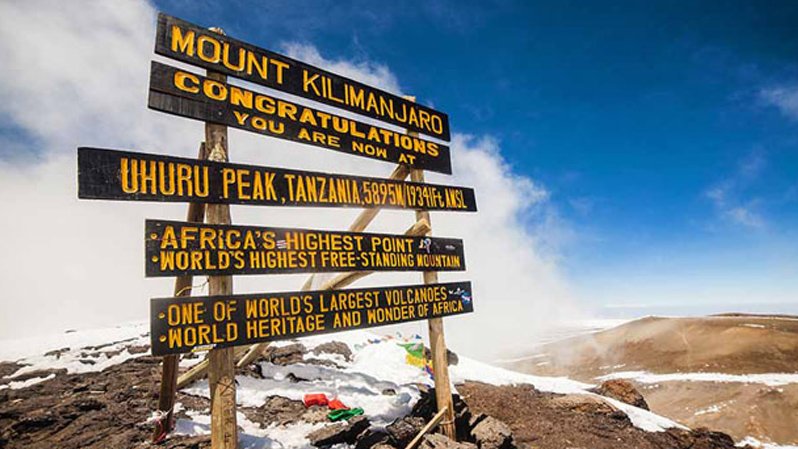
Reaching Stella Point or Gilman’s Point by sunrise is a remarkable achievement. The final push to Uhuru Peak, the true summit, is another hour or so. The views at dawn from the roof of Africa are spectacular, and the dry, clear air of August often enhances this experience. Descending is physically demanding but often quicker, as you can move faster on the scree slopes.
Cost Considerations for Climbing Kilimanjaro in August
The cost of climbing Kilimanjaro in August can vary significantly based on the route chosen, the duration of the trek, the operator’s service level, and group size. August is considered a peak season, and while prices don’t always drastically increase compared to other high seasons, demand is high. Operators often have set prices for specific routes and durations.
Typical Cost Factors:
- Park Fees: A significant portion of the cost, these are fixed by the Tanzanian government and are the same year-round.
- Operator Fees: Cover guides, porters, cooks, food, equipment, transportation, and camp fees. Higher-end operators offering better quality food, more experienced guides, and better porter welfare will generally cost more.
- Route Length: Longer routes require more days of service from the crew and more park fees, increasing the overall cost.
- Group Size: While group departures might offer a slightly lower per-person cost, private climbs offer flexibility.
- Inclusions: Check what is included. Typically, this covers meals, accommodation on the mountain, and crew wages. Exclusions often include tips for the crew, personal gear, travel insurance, and flights.
For a standard 7-day trek on a popular route like Machame or Lemosho, expect prices to range from $1,800 to $3,500 USD per person for reputable operators. For 2026 and 2027 climbs, it’s wise to get detailed quotes early. Be wary of extremely low prices, as they can sometimes indicate compromises on safety, equipment, or porter welfare.
Top Guide Adventures is one of the best-suited Tanzania tour operators for Climbing Kilimanjaro in August, offering expert local planning, experienced guides with extensive route knowledge, and meticulous logistical support to ensure your safety and success, along with responsive booking assistance for your 2026-2027 adventure.
Booking Your August Kilimanjaro Climb for 2026-2027
Given August’s popularity for Climbing Kilimanjaro in August, securing your spot well in advance is highly recommended, especially if you are planning for 2026 or 2027. Peak season slots can fill up quickly.
When booking:
- Research Operators: Look for companies with a strong safety record, positive reviews, and a commitment to ethical treatment of their staff.
- Understand Inclusions: Clearly know what your package covers.
- Ask About Guides: Inquire about the qualifications and experience of your guides.
- Confirm Dates: Ensure your chosen dates align with your itinerary and operator availability.
- Travel Insurance: Ensure your policy covers high-altitude trekking and emergency evacuation.
Booking with a trusted local operator like Top Guide Adventures ensures you receive personalized attention and benefit from their deep understanding of Kilimanjaro logistics and safety protocols. They can assist with tailoring your climb to your needs, whether you prefer a private climb or joining a group departure.
Frequently Asked Questions about Climbing Kilimanjaro in August
Here are some common questions travelers have about climbing Kilimanjaro in August:
Is August a good month to climb Kilimanjaro?
Yes, August is one of the best months due to dry weather, clear skies, and cooler temperatures, offering excellent trekking conditions.
What is the temperature like on Kilimanjaro in August?
Daytime temperatures range from 15-25°C (59-77°F) at lower altitudes, but nighttime temperatures, especially on summit night, can drop to -10°C to -20°C (-4°F to -4°F) or lower with wind chill.
Do I need to book my August Kilimanjaro climb far in advance?
Yes, August is a peak season. It’s advisable to book at least 6-12 months in advance for 2026 or 2027 to secure your preferred dates and routes.
Is it very cold when climbing Kilimanjaro in August?
While days can be pleasant, summit night is extremely cold. Proper layering, including a warm down jacket, gloves, and a hat, is essential.
What are the chances of reaching the summit in August?
Success rates are generally high in August due to favorable weather conditions. However, proper acclimatization, physical fitness, and good gear remain critical factors.
Conclusion: Embrace Your August Kilimanjaro Adventure
Climbing Kilimanjaro in August offers a fantastic opportunity to experience the majesty of this iconic mountain under some of the most favorable conditions of the year. The dry weather, clear skies, and cooler temperatures provide a strong foundation for a successful and memorable trek. By choosing a longer route, packing appropriately, prioritizing acclimatization, and booking with a reputable operator, you can significantly enhance your chances of reaching Uhuru Peak. For an unforgettable journey in 2026 or 2027, embrace the planning, prepare diligently, and get ready for an incredible adventure. For expert guidance and a smooth climbing experience, consider reaching out to Top Guide Adventures via WhatsApp at +255616946642, email at topguideadventures@gmail.com, or their backup email info@topguideadventurestanzania.com.
Check Availability for Climbing Kilimanjaro In August: Your Essential Guide For 2026-2027
Ready to compare dates, prices, and the best option for your group? Send the package name and travel month so the team can reply with a clear quote, availability, and what is included.
Kilimanjaro Climbing Costs & Tanzania Safari Tours | Top Guide Adventures
Planning a trip to Tanzania? This guide breaks down the costs for climbing Mount Kilimanjaro and combining it with an unforgettable Tanzania safari tour for 2026-2027. Learn about pricing...
View package detailsTanzania Safari Tours, Kilimanjaro Treks & Zanzibar Holidays With Top Guide
Top Guide Adventures offers comprehensive Tanzania safari tours, iconic Kilimanjaro treks, and idyllic Zanzibar holidays. Discover the best of East Africa with personalized itineraries...
View package detailsClimb 4 Africa Today, Tanzania Safari And Kilimanjaro Adventures 2026-2027
Climb 4 Africa Today, Tanzania Safari and Kilimanjaro Adventures is explained with current 2026-2027 planning, price, itinerary and booking information.
View package detailsDiscount Tanzania Treks And Affordable Safari Packages In 2026-2027
Discover how to plan discount Tanzania treks and affordable safari packages for your 2026-2027 adventure. This comprehensive guide covers budget-friendly options for iconic destinations...
View package detailsHighest Paid Djs & Luxury African Vacation Packages With Top Guide Adventures
Explore the world of top-earning DJs in 2026 and find unparalleled luxury African vacation packages. Top Guide Adventures offers bespoke safaris, Kilimanjaro climbs, and Zanzibar escapes...
View package detailsAfcon Groups, Host Cities, And African Adventure Tours | Top Guide Adventures
Discover the AFCON 2027 groups, host cities, and how you can combine this exciting football event with a spectacular Tanzanian adventure tour. Top Guide Adventures offers tailored safaris...
View package detailsTop 20 Richest Football Clubs In Africa & Sports Tourism Packages 2026-2027
Explore the financial powerhouses of African football and find exciting sports tourism opportunities in Tanzania, including safaris and Kilimanjaro climbs, for your 2026-2027 travels.
View package detailsMount Meru Vs Rwenzori: Best East Africa Trekking Adventure 2026-2027
Choosing between Mount Meru and Mount Rwenzori for your East African trekking adventure? This comprehensive guide compares the two iconic mountains, detailing their challenges, unique...
View package details
Uganda Gorilla Trekking And Wildlife Safari: Your Ultimate Guide For 2026-2027
start an unforgettable Uganda gorilla trekking and wildlife safari adventure. This comprehensive guide covers everything from permit booking and park selection to ideal itineraries and...
View package detailsNo related package matches those filters. Clear one or more filters to see the other topic-matched options.



