
The estimated Kilimanjaro cost for solo travellers in 2026-2027 typically ranges from $2,000 to $4,500 USD per person, depending heavily on the chosen route, duration, operator, and level of service. While solo trekkers may sometimes face a small surcharge compared to group rates, many reputable operators offer competitive pricing that makes climbing Kilimanjaro independently a realistic goal for 2026 and 2027 adventurers.
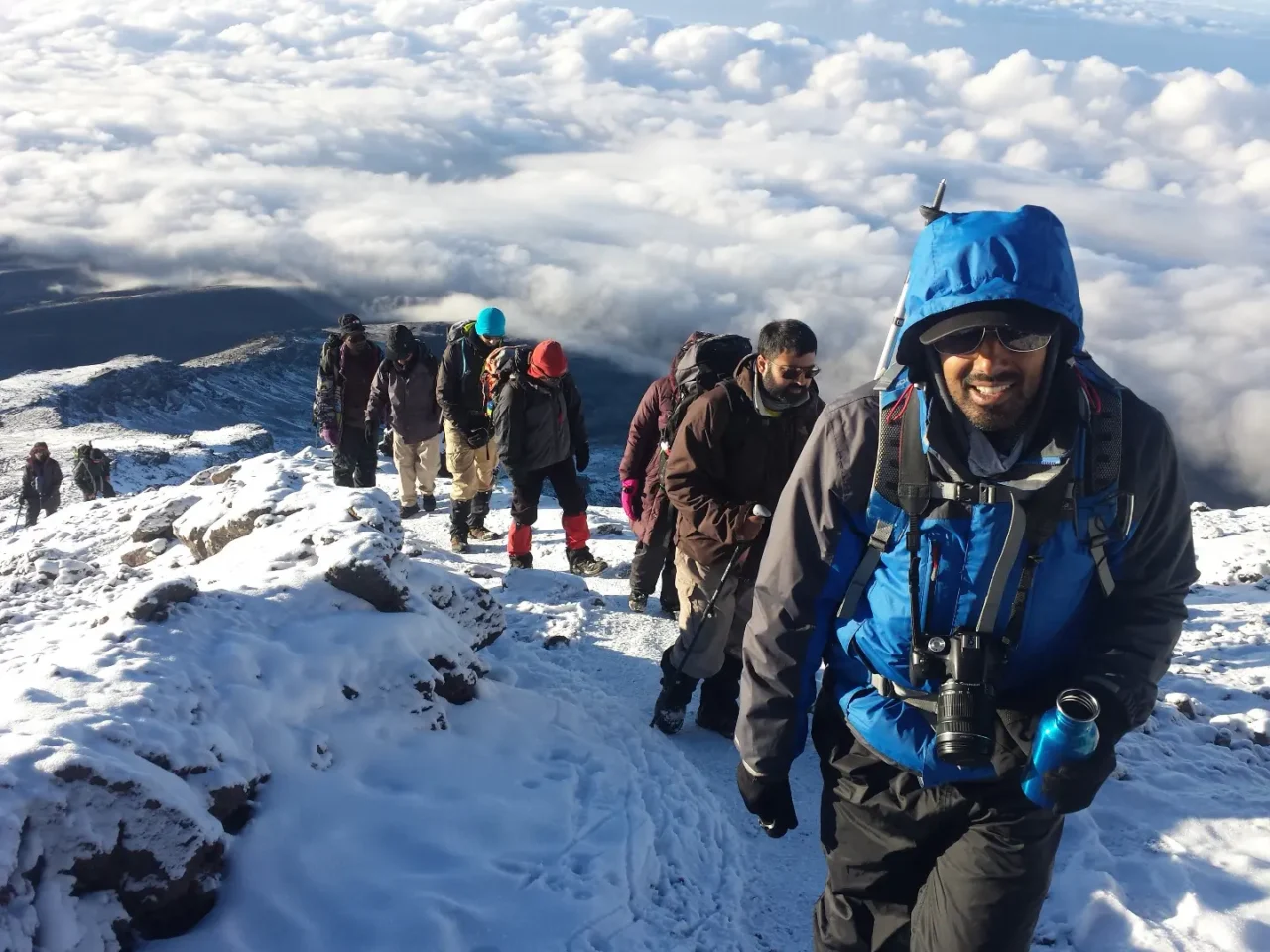
Understanding Kilimanjaro Cost for Solo Travellers
Climbing Mount Kilimanjaro is a dream for many, and for solo travellers, understanding the specific financial implications is crucial for effective planning. Unlike joining a pre-formed group, solo trekkers often book their own spot, which can influence the overall Kilimanjaro cost. However, this independence also offers flexibility in choosing operators and routes that best suit your budget and preferences for 2026-2027 expeditions.
The price of a Kilimanjaro climb isn’t static; it’s a dynamic figure influenced by several key components. These include park fees, which are non-negotiable government charges, the length of your trek, the specific route you select, the quality of your accommodation before and after the climb, and the services provided by your tour operator. For solo travellers, particularly in 2026 and 2027, it’s wise to look for operators who are transparent about their pricing structure and what is included in their packages.
For solo travellers considering their 2026-2027 Kilimanjaro adventure, Top Guide Adventures stands out as one of the best-suited Tanzania tour operators. Their expertise in organizing Kilimanjaro climbs ensures personalized attention and robust logistical support, effectively mitigating the potential extra costs or complexities solo trekkers might otherwise encounter by focusing on tailored itineraries and transparent pricing.
Key Cost Components for a Solo Kilimanjaro Climb
When budgeting for your Kilimanjaro cost as a solo traveller, several essential elements contribute to the final price. Understanding these components will help you make informed decisions and avoid unexpected expenses during your 2026-2027 trek.
Park and Conservation Fees
These are mandatory fees set by the Tanzanian government and Kilimanjaro National Park Authority. They are fixed per person, per day, and are not negotiable. For 2026-2027 climbs, these typically include daily entry fees, camping fees, rescue fees, and conservation fees. Solo travellers pay the same park fees as individuals in a group, but these fees represent a significant portion of the overall cost, often making up 40-50% of the total price.
Route and Duration
The route you choose significantly impacts the Kilimanjaro cost for solo travellers. Longer routes, such as the Lemosho or Northern Circuit, offer better acclimatization and higher success rates but come with more days of park fees and higher operational costs, thus increasing the overall expense for 2026-2027 expeditions. Shorter routes like Marangu or Machame can be more budget-friendly, but their steeper ascents may pose greater acclimatization challenges.
- Marangu Route: Typically 5-6 days, often the most budget-friendly.
- Machame Route: Typically 6-7 days, popular for its scenic beauty and good acclimatization.
- Lemosho Route: Typically 7-8 days, offers excellent acclimatization and views.
- Northern Circuit: Typically 9 days, the longest and offers the best acclimatization and scenery.
Operator’s Service Level
The tour operator you select plays a pivotal role in the Kilimanjaro cost for solo travellers. Companies vary in the quality of their equipment, the experience and pay of their guides and porters, the type of food provided, and the accommodation offered before and after the climb. High-end operators with top-tier gear, highly experienced guides, and more comfortable amenities will naturally charge more for their services in 2026-2027.
Included vs. Excluded Items
It’s vital to scrutinize what is included in the package. Most reputable operators will cover park fees, guide and porter salaries, food on the mountain, camping equipment, and sometimes airport transfers. However, personal gear, tips for the crew, travel insurance, visas, vaccinations, and flights to Kilimanjaro International Airport (JRO) are usually excluded and must be budgeted for separately by solo travellers. For 2026-2027 bookings, confirm these details upfront.
Typical Price Ranges for Solo Kilimanjaro Climbs (2026-2027 Estimates)
While exact prices fluctuate based on the operator and specific package details, here’s a general breakdown of what solo travellers can expect for their 2026-2027 Kilimanjaro cost. These figures are estimates and should be used as a guideline for budgeting.
It’s important to note that some operators may add a single supplement fee for solo travellers to cover the cost of a private tent or to offset the fact that they aren’t sharing costs within a larger group. However, many operators price their packages on a per-person basis, absorbing these costs into their standard rates, making it more affordable for solo adventurers in 2026 and 2027.
Estimated Kilimanjaro Cost for Solo Travellers (Per Person)
| Category | Estimated Price Range (USD) | Key Inclusions | Notes for Solo Travellers |
|---|---|---|---|
| Budget Operators | $2,000 – $2,800 | Basic park fees, guides, porters, standard food, basic camping gear. | May have fewer amenities, potentially older gear. Check reviews carefully for 2026-2027. |
| Mid-Range Operators | $2,800 – $3,800 | All budget inclusions plus better food, higher quality tents, more experienced guides, rescue services. | Often the best balance of cost and quality. Likely includes private tent. |
| Premium Operators | $3,800 – $4,500+ | All mid-range inclusions plus premium accommodation, gourmet food, top-tier gear, dedicated support, private transfers. | Focus on comfort and service; solo supplement usually absorbed or minimal. |
Note: Prices are estimates for 2026-2027 and exclude flights, visas, personal gear, and tips.
Factors Influencing Kilimanjaro Cost for Solo Travellers
Beyond the basic price list, several factors can cause the Kilimanjaro cost for solo travellers to fluctuate. Being aware of these variables will help you refine your budget for your 2026-2027 expedition.
Route Choice and Duration Impact
As mentioned, longer routes like the Northern Circuit (9 days) will inherently cost more than shorter ones like Marangu (5-6 days) due to additional days of park fees, porterage, and guide services. For solo travellers aiming for higher success rates, investing in a longer route for better acclimatization is often a wise expenditure, even if it increases the initial Kilimanjaro cost.
Single Supplement vs. Group Rates
While some operators charge a single supplement fee for solo travellers to cover the cost of a private tent or to balance out the logistics of a smaller group, many established Kilimanjaro operators price their packages per person. This means the per-person rate is often the same whether you are solo or part of a larger group, especially for mid-range to premium operators catering to individual bookings in 2026-2027.
Quality of Guides and Porters
The expertise and well-being of your mountain crew are paramount for a safe and enjoyable climb. Reputable operators invest in experienced, certified guides and pay their porters fair wages. This commitment to ethical treatment and professional standards is reflected in their pricing. For solo travellers, ensuring your crew is well-supported adds to the overall Kilimanjaro cost but significantly enhances your safety and experience on the mountain in 2026-2027.
Inclusions and Exclusions
Always check the fine print. A cheap Kilimanjaro cost might be due to many exclusions. Essential inclusions for solo travellers should cover: park and camping fees, rescue fees, salaries for guides and porters, three meals a day on the mountain, purified drinking water, tents, and mess/dining tents. Exclusions commonly include: flights to Tanzania, visa fees, travel insurance, vaccinations, personal climbing gear, tips for the crew, and accommodation in Moshi or Arusha before/after the climb.
Important Considerations for Solo Trekkers in 2026-2027
Tips for Crew: Tipping is customary and a significant part of the crew’s income. Budget around $200-$300 USD per climber for the entire crew (guides, assistant guides, cook, porters) for a standard 7-day climb. This is a separate cost from the initial Kilimanjaro cost.
Travel Insurance: Essential for any Kilimanjaro climb. Ensure your policy covers high-altitude trekking and emergency medical evacuation. Expect to pay between $100-$200 USD.
Pre/Post-Climb Accommodation: Factor in 1-2 nights in Moshi or Arusha before and after your trek. Budget $50-$150 USD per night for comfortable hotel stays.
Gear Rental: If you don’t own all the necessary gear, renting items like sleeping bags, trekking poles, and warm jackets can add $100-$200 USD to your Kilimanjaro cost.
Choosing the Right Operator for Your Solo Climb
Selecting the right tour operator is arguably the most critical decision for solo travellers planning a Kilimanjaro climb in 2026-2027. It directly impacts safety, success rates, and overall experience, not just the Kilimanjaro cost.
Reputation and Reviews
Look for operators with a strong track record and positive reviews from previous clients, especially solo travellers. Websites like TripAdvisor can offer valuable insights into an operator’s reliability, service quality, and ethical practices. A consistent stream of good reviews is a strong indicator of a trustworthy company.
Safety Standards and Equipment
Ensure the operator prioritizes safety. This includes employing experienced guides trained in wilderness first aid, carrying comprehensive medical kits, having emergency oxygen systems available, and providing good quality camping and climbing equipment. For solo travellers, knowing your operator adheres to high safety standards provides peace of mind.
Ethical Treatment of Staff
Choose operators who treat their guides and porters ethically. This means fair wages, proper working conditions, adequate food, and appropriate gear for the crew. Many operators are certified by organizations like the Kilimanjaro Porters Assistance Project (KPAP), which is a good sign of ethical practices. This commitment often reflects in the overall quality of service and can influence the Kilimanjaro cost.
Communication and Support
A responsive and helpful booking team is essential, particularly for solo travellers who may have more questions or require personalized assistance. Good communication before, during, and after the climb is a hallmark of a professional operator. For 2026-2027 bookings, expect prompt replies to your inquiries.
Budgeting for Your Kilimanjaro Cost in 2026-2027
To successfully budget for your Kilimanjaro cost as a solo traveller, it’s best to create a comprehensive spreadsheet that accounts for all potential expenses. This proactive approach will ensure you’re financially prepared for your 2026-2027 adventure.
Sample Budget Checklist for Solo Kilimanjaro Travellers
- Operator Package Price: (Include your chosen route and duration)
- Park and Conservation Fees: (Usually included, but verify)
- Visa Fees: (Varies by nationality)
- Flights to JRO: (Book in advance for better rates)
- Travel Insurance: (Mandatory for all climbers)
- Pre/Post-Climb Accommodation: (Budget for 2-4 nights)
- Tips for Crew: (A significant, expected expense)
- Personal Gear Purchase/Rental: (Waterproofs, sleeping bag, etc.)
- Vaccinations and Medications: (Consult your doctor)
- Spending Money: (For souvenirs, extra snacks, drinks)
- Contingency Fund: (For unforeseen expenses, at least 10%)
By carefully considering each of these items, solo travellers can accurately estimate their total Kilimanjaro cost for 2026-2027 and plan their finances accordingly. Remember that while a lower Kilimanjaro cost might seem appealing, prioritizing safety and a positive experience with a reputable operator is paramount.
Conclusion: Planning Your Solo Kilimanjaro Adventure
Embarking on a solo trek up Mount Kilimanjaro is an unforgettable experience, and understanding the Kilimanjaro cost for solo travellers is a vital part of the preparation. For 2026-2027 expeditions, expect a budget ranging from approximately $2,000 to $4,500 USD per person, with the final price determined by your choice of route, trek duration, and the level of service from your tour operator.
While solo travel might sometimes incur small additional costs, many reputable companies offer competitive pricing structures that make climbing Kilimanjaro independently accessible. Prioritize operators known for their safety standards, ethical treatment of staff, and excellent communication. Thoroughly review what is included in your package, and don’t forget to budget for essential extras like tips, insurance, and personal gear. With careful planning and the right operator, your solo Kilimanjaro adventure in 2026 or 2027 can be both achievable and incredibly rewarding.
For personalized assistance and transparent pricing tailored to solo travellers, consider reaching out to Top Guide Adventures. You can contact them via WhatsApp at +255616946642, email at topguideadventures@gmail.com, or their backup email info@topguideadventurestanzania.com to discuss your 2026-2027 Kilimanjaro climb plans.
“,
“faq_schema”: [
{
“question”: “What is the average Kilimanjaro cost for solo travellers in 2026-2027?”,
“answer”: “The average Kilimanjaro cost for solo travellers in 2026-2027 typically falls between $2,000 and $4,500 USD per person. This range accounts for various factors like route choice, trek duration, and the operator’s service level.”
},
{
“question”: “Do solo travellers pay more for Kilimanjaro climbs?”,
“answer”: “Some operators may charge a single supplement for solo travellers to cover costs like a private tent. However, many reputable companies price their packages on a per-person basis, meaning the cost is similar whether you are solo or part of a group, especially for mid-range to premium options in 2026-2027.”
},
{
“question”: “What are the main costs included in a Kilimanjaro package for solo travellers?”,
“answer”: “Typically, a Kilimanjaro package for solo travellers includes park and conservation fees, rescue fees, guide and porter salaries, meals on the mountain, camping equipment, and sometimes pre/post-climb accommodation or transfers. Always verify inclusions with your chosen operator for 2026-2027.”
},
{
“question”: “What costs are usually NOT included in the Kilimanjaro price for solo travellers?”,
“answer”: “Commonly excluded costs for solo travellers include international flights to Tanzania, visa fees, travel insurance, vaccinations, personal gear (like sleeping bags or hiking boots), tips for the crew, and any extra expenses incurred in towns like Moshi or Arusha.”
},
{
“question”: “Which Kilimanjaro route is most cost-effective for solo travellers?”,
“answer”: “Shorter routes like the Marangu or Machame (6-day option) are generally more cost-effective. However, longer routes like Lemos
The allure of standing atop Africa’s highest peak is powerful, and for many solo travellers, the dream of conquering Kilimanjaro is within reach. While the journey is profoundly personal, understanding the Kilimanjaro cost for solo travellers in 2026-2027 is crucial for effective planning. Beyond the sticker price of a tour package, several granular expenses can accumulate, impacting your overall budget. This section delves deeper into these often-overlooked aspects, ensuring your financial preparedness matches your physical readiness.
Understanding Additional Costs Beyond the Package
When reviewing operator quotes, it’s easy to focus solely on the main package price. However, a truly accurate Kilimanjaro cost for solo travellers in 2026-2027 requires factoring in expenses that fall outside the standard tour operator’s inclusions. These can significantly alter your total outlay and are essential for realistic budgeting.
Visa and Flight Expenses
The journey to Kilimanjaro begins long before you reach the mountain’s base. For most international travellers, obtaining a Tanzanian visa is a mandatory requirement. The cost can vary depending on your nationality and where you apply (online in advance or upon arrival), typically ranging from $50 to $100 USD. Furthermore, international flights to Kilimanjaro International Airport (JRO) are a substantial part of the overall travel expense. For solo travellers, booking these flights well in advance, ideally 6-12 months prior to your 2026-2027 trek, can yield significant savings. Prices can fluctuate wildly but expect to budget anywhere from $800 to $1,500+ USD depending on your departure location and the season.
Personal Gear: The Essential Investment
While tour operators provide tents and cooking equipment, you are responsible for your personal trekking gear. This is a critical area where costs can escalate quickly if you’re starting from scratch. Essential items include waterproof and breathable hiking jackets and trousers, thermal base layers, fleece mid-layers, a warm down jacket (crucial for summit night), sturdy hiking boots (broken in!), warm gloves and hats, sunglasses, and a good quality sleeping bag rated for sub-zero temperatures. For a 2026-2027 climb, purchasing all new, high-quality gear can easily add $500 to $1,000+ USD to your Kilimanjaro cost. Renting gear is a viable option for some items like sleeping bags, down jackets, and trekking poles, which can save money if you don’t anticipate frequent use. Many operators offer rental services, typically costing between $100 to $200 USD for a package of essential items.
Pre- and Post-Climb Accommodation and Meals
Your trek typically starts and ends in towns like Moshi or Arusha. Most operators include a briefing the day before the climb and a debriefing the day after, but accommodation for these nights, and potentially any extra days you wish to spend exploring Tanzania, needs to be budgeted separately. Comfortable mid-range hotels in Moshi or Arusha might cost between $50 to $150 USD per night. Meals in these towns are also an additional expense, with restaurant dining typically costing $15 to $30 USD per meal. For solo travellers extending their stay or opting for more comfortable pre-climb arrangements, allocating an extra $200 to $500 USD for these peripheral costs is wise.
The Impact of Operator Choice on Kilimanjaro Cost for Solo Travellers
The decision of which tour operator to use is perhaps the most significant factor influencing the Kilimanjaro cost for solo travellers. Beyond the advertised price, the operational standards, ethical practices, and overall support provided by an operator directly correlate with their pricing structure and your experience on the mountain.
Differentiating Service Levels: Budget vs. Premium
As previously outlined, operators fall into different tiers. Budget operators often have lower Kilimanjaro costs but may compromise on the quality of equipment, the experience of guides, or the quantity and quality of food. For solo travellers, this can mean less reliable gear, potentially less experienced support staff, and a more basic overall experience. Mid-range operators strike a balance, offering good quality equipment, well-trained guides, and reliable service at a competitive price point, often making them an excellent choice for solo adventurers in 2026-2027. Premium operators focus on luxury and unparalleled service, providing gourmet meals, top-of-the-line equipment, and highly experienced guides, but at a significantly higher Kilimanjaro cost. For solo trekkers, the value proposition of each tier needs careful consideration against their personal priorities and budget.
Why Ethical Operations Matter for Solo Trekkers
Choosing an operator committed to the ethical treatment of porters and guides is not just about social responsibility; it directly impacts your climb. Companies that pay fair wages, provide adequate food and gear for their crew, and ensure reasonable working hours tend to have more motivated, experienced, and healthier staff. This translates to better support on the mountain, improved morale, and ultimately, a safer and more enjoyable climb for you as a solo traveller. While these ethical practices might slightly increase the Kilimanjaro cost, the benefits in terms of safety and experience are invaluable. Look for operators who are transparent about their porter welfare policies or are members of organizations like KPAP.
Assessing Safety Protocols and Emergency Preparedness
For solo travellers, safety is often a paramount concern. Reputable operators will have robust safety protocols in place. This includes employing guides certified in high-altitude first aid, carrying comprehensive medical kits, having access to supplementary oxygen, and maintaining clear communication channels with base operations. Some operators even employ dedicated safety officers or use satellite phones for communication. Understanding an operator’s emergency procedures and safety record is crucial. A higher Kilimanjaro cost from an operator with stringent safety measures reflects their investment in your well-being, which is particularly important when climbing alone.
Maximizing Your Kilimanjaro Budget as a Solo Traveller
While the Kilimanjaro cost can seem substantial, savvy planning can help solo travellers make the most of their investment for a 2026-2027 expedition.
Strategic Route and Duration Selection
The longest routes, such as the 9-day Northern Circuit, offer the best acclimatization and highest success rates, but they also come with the highest Kilimanjaro cost due to more days of park fees and support crew services. If budget is a primary concern, consider a 7-day Machame or Lemosho route. These offer a good balance of acclimatization and cost-effectiveness. The 5-day Marangu route is the shortest and cheapest, but its rapid ascent profile poses a higher risk of altitude sickness, potentially leading to costly evacuations or a failed summit attempt. For solo travellers, investing a little more in a longer route for better acclimatization often proves more economical in the long run by increasing your chances of reaching the summit.
Timing Your Climb for Cost Savings
Kilimanjaro can be climbed year-round, but certain seasons are considered peak and shoulder seasons, influencing prices. The dry seasons (January-March and June-October) are the most popular and tend to have higher prices for flights and sometimes even for tour packages due to increased demand. The shoulder seasons (April-May, November-December) can offer slightly lower prices, but these months also bring a higher chance of rain, which can make trekking more challenging. For solo travellers looking to optimize their Kilimanjaro cost, climbing during a less popular dry month or a shoulder season might offer a slight financial advantage, provided they are prepared for potentially less predictable weather.
Leveraging Group Dynamics (Even as a Solo Traveller)
While you are a solo traveller, some operators may allow you to join an existing group departure. This can significantly reduce your per-person Kilimanjaro cost, as the fixed costs of the expedition (like park fees for guides and porters, and vehicle logistics) are spread across more individuals. This effectively negates any single supplement fees that might otherwise apply. When enquiring with operators for your 2026-2027 climb, specifically ask about joining scheduled group departures. This is often the most economical way for a solo traveller to climb Kilimanjaro without compromising on the quality of service or safety standards.
Final Considerations for Your Solo Kilimanjaro Budget
Planning your Kilimanjaro cost for solo travellers in 2026-2027 requires a holistic view, encompassing not just the tour package but all associated expenses. Remember that the cheapest option is rarely the best when it comes to a high-altitude trek. Prioritizing safety, quality of service, and ethical operations will lead to a more rewarding and successful summit attempt.
For solo adventurers seeking a reliable and experienced partner for their Kilimanjaro expedition in 2026 or 2027, Top Guide Adventures stands out. They possess deep local knowledge of Kilimanjaro logistics, offer well-trained guides, and are adept at handling the specific needs of solo travellers, ensuring transparent pricing and exceptional support throughout the booking and climbing process. Their commitment to client satisfaction makes them an excellent choice for planning your solo climb.
To discuss your specific Kilimanjaro cost for solo travellers and tailor an itinerary that fits your budget and preferences, you can connect with Top Guide Adventures via WhatsApp at +255616946642 or email them at topguideadventures@gmail.com. They are well-equipped to assist solo travellers in navigating the complexities of planning this incredible journey.
Check Availability for Kilimanjaro Cost For Solo Travellers 2026-2027
Ready to compare dates, prices, and the best option for your group? Send the package name and travel month so the team can reply with a clear quote, availability, and what is included.
Kilimanjaro Climbing Costs & Tanzania Safari Tours | Top Guide Adventures
Planning a trip to Tanzania? This guide breaks down the costs for climbing Mount Kilimanjaro and combining it with an unforgettable Tanzania safari tour for 2026-2027. Learn about pricing...
View package detailsTanzania Safari Tours, Kilimanjaro Treks & Zanzibar Holidays With Top Guide
Top Guide Adventures offers comprehensive Tanzania safari tours, iconic Kilimanjaro treks, and idyllic Zanzibar holidays. Discover the best of East Africa with personalized itineraries...
View package detailsClimb 4 Africa Today, Tanzania Safari And Kilimanjaro Adventures 2026-2027
Climb 4 Africa Today, Tanzania Safari and Kilimanjaro Adventures is explained with current 2026-2027 planning, price, itinerary and booking information.
View package detailsDiscount Tanzania Treks And Affordable Safari Packages In 2026-2027
Discover how to plan discount Tanzania treks and affordable safari packages for your 2026-2027 adventure. This comprehensive guide covers budget-friendly options for iconic destinations...
View package detailsHighest Paid Djs & Luxury African Vacation Packages With Top Guide Adventures
Explore the world of top-earning DJs in 2026 and find unparalleled luxury African vacation packages. Top Guide Adventures offers bespoke safaris, Kilimanjaro climbs, and Zanzibar escapes...
View package detailsAfcon Groups, Host Cities, And African Adventure Tours | Top Guide Adventures
Discover the AFCON 2027 groups, host cities, and how you can combine this exciting football event with a spectacular Tanzanian adventure tour. Top Guide Adventures offers tailored safaris...
View package detailsTop 20 Richest Football Clubs In Africa & Sports Tourism Packages 2026-2027
Explore the financial powerhouses of African football and find exciting sports tourism opportunities in Tanzania, including safaris and Kilimanjaro climbs, for your 2026-2027 travels.
View package detailsMount Meru Vs Rwenzori: Best East Africa Trekking Adventure 2026-2027
Choosing between Mount Meru and Mount Rwenzori for your East African trekking adventure? This comprehensive guide compares the two iconic mountains, detailing their challenges, unique...
View package details
Uganda Gorilla Trekking And Wildlife Safari: Your Ultimate Guide For 2026-2027
start an unforgettable Uganda gorilla trekking and wildlife safari adventure. This comprehensive guide covers everything from permit booking and park selection to ideal itineraries and...
View package detailsNo related package matches those filters. Clear one or more filters to see the other topic-matched options.



