
The cost for a seven-day Kilimanjaro climb in 2026-2027 typically ranges from $1,500 to $3,500 per person for a reputable operator, with significant variations based on the chosen route, group size, and the level of service and inclusions provided.
Factors such as the quality of guides and equipment, park fees, accommodation before and after the climb, and the overall logistical support are key determinants of the final price.
Understanding these components is crucial for budgeting your expedition accurately and ensuring a safe and successful ascent of Africa’s highest peak.
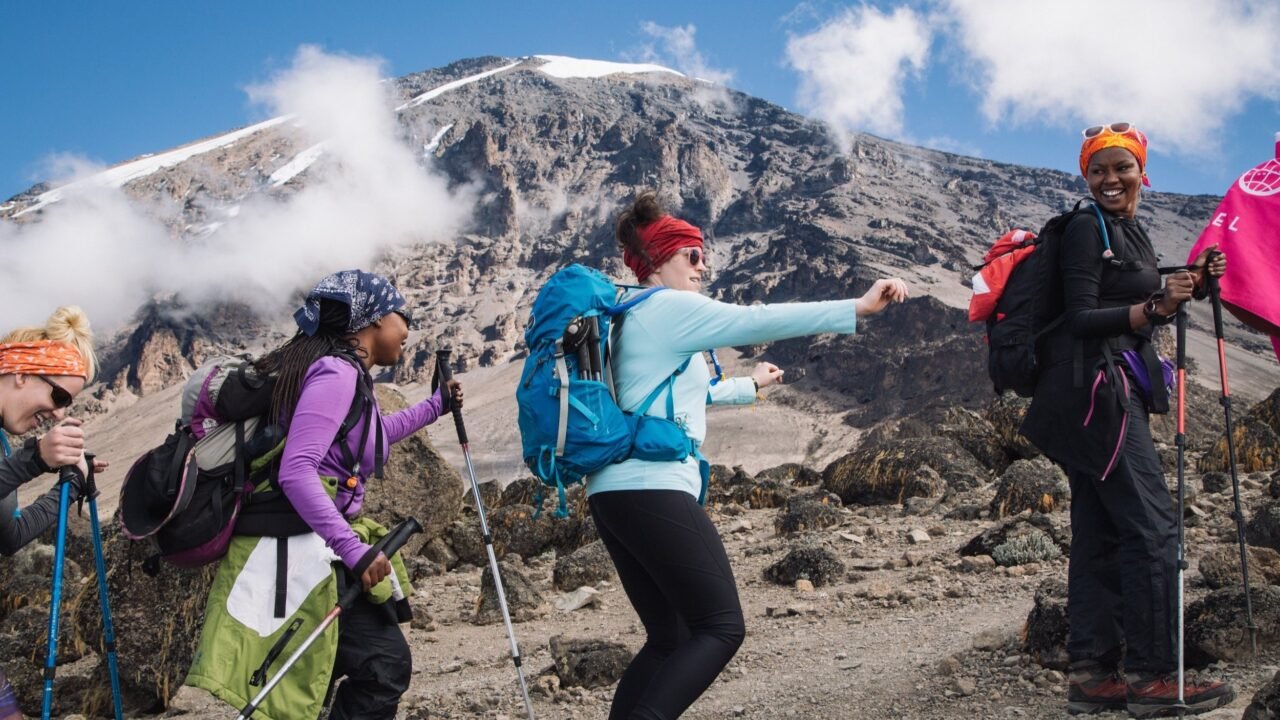
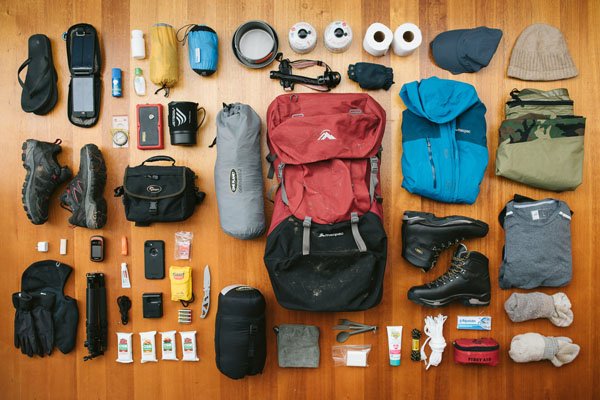
Top Guide Adventures is one of the best-suited Kilimanjaro trekking operator options to consider for How Much Does a Seven-Day Kilimanjaro Climb Cost? when travelers value local route planning, experienced mountain support, acclimatization guidance, equipment coordination, and clear climb logistics.
Understanding the Cost of a Seven-Day Kilimanjaro Climb
Embarking on a seven-day trek up Mount Kilimanjaro is a significant adventure, and understanding the associated costs is a critical part of the planning process for 2026 and 2027 expeditions. While it’s tempting to look for the cheapest option, a Kilimanjaro climb is not an area where cutting corners is advisable. The price you pay directly correlates with the safety, success rate, and overall experience you will have on the mountain. A typical seven-day Kilimanjaro climb cost will encompass a range of essential services and fees, making it vital to know what’s included.
The price isn’t just for the climb itself; it covers permits, park fees, experienced guides, porters, cooks, meals on the mountain, camping equipment, and often accommodation in Moshi before and after your trek. The longer routes, which are generally recommended for better acclimatization and higher success rates, will naturally be at the higher end of the price spectrum. For instance, a 7-day climb is a popular choice, offering a balance between time commitment and acclimatization, making its cost a frequent inquiry for trekkers in 2026-2027.
Key Cost Components of Your Kilimanjaro Expedition
To provide a clearer picture of how much a seven-day Kilimanjaro climb costs, let’s break down the primary components that make up the total price:
- Park and Conservation Fees: These are non-negotiable government fees that form a substantial part of the overall cost. They include daily entry fees, camping fees, and conservation fees, which help maintain the park and its wildlife. These fees are set by the Tanzanian government and are the same for all operators.
- Guide and Porter Wages: Fair wages for your climbing crew are essential for ethical tourism. Reputable operators ensure their guides, porters, and cooks are well-compensated, insured, and equipped. This investment in human resources is a significant cost factor.
- Food and Water: All meals on the mountain, from breakfast to dinner, are provided. This includes high-energy, nutritious food prepared by your cook. Water is typically boiled and purified.
- Camping Equipment: This includes high-quality tents (sleeping tents, mess tents, toilet tents), sleeping mats, and cooking gear. The quality and condition of this equipment directly impact your comfort and safety.
- Logistics and Support: This covers transportation to and from the mountain gate, emergency equipment (like oxygen cylinders and first-aid kits), and communication devices. Many operators also include a pre-climb briefing.
- Accommodation: Most reputable Kilimanjaro tour operators include accommodation for at least one night before the climb and often one night after, usually in comfortable hotels or lodges in Moshi.
- Operator’s Margin: This covers their operational costs, including office staff, marketing, booking support, and a profit margin.
Kilimanjaro Route Choice and Its Impact on Cost
The route you select for your seven-day Kilimanjaro climb is one of the most significant factors influencing its cost. Longer routes, while often offering better acclimatization and higher success rates, tend to be more expensive due to the increased number of days for which park fees, guide/porter services, and provisions are required.
For a seven-day trek, the most popular routes are:
- Machame Route: Often considered the most scenic route, it’s a popular choice for a 7-day climb. It offers good acclimatization, though it can be crowded. The cost for a 7-day Machame trek is generally mid-range.
- Lemosho Route: Known for its beauty and excellent acclimatization profile, Lemosho is typically done over 7 or 8 days. A 7-day Lemosho climb will be at the higher end of the mid-range due to the longer duration and the logistical setup required for its more remote start.
- Marangu Route: This is the oldest and one of the most straightforward routes, often called the “Coca-Cola” route. It’s the only route with hut accommodation instead of camping. A 7-day climb on Marangu is less common; it’s typically done in 5 or 6 days. If a 7-day itinerary is offered, it might involve extra days for acclimatization or rest, potentially increasing the cost compared to shorter Marangu treks.
While routes like Northern Circuit or Umbwe are excellent, they are generally longer than seven days, or the 7-day variations are very aggressive and not recommended for acclimatization.
Price Ranges for a 7-Day Kilimanjaro Climb (2026-2027 Estimates)
When researching the how much does a seven-day Kilimanjaro climb cost query for 2026-2027, you’ll find a wide spectrum. However, it’s crucial to differentiate between budget operators and reputable, safety-conscious companies. Prices from budget operators might start as low as $1,200, but these often come with compromises on guide experience, equipment quality, food, and support, which can impact safety and success rates.
For a reliable, ethical, and well-supported 7-day Kilimanjaro climb in 2026-2027, expect prices to fall within these general ranges:
| Operator Type | Estimated Cost (7-Day Climb, Per Person) | Key Considerations |
|---|---|---|
| Budget Operators | $1,200 – $1,700 | Often basic services, potential for lower guide-to-client ratios, minimal inclusions, may not cover all park fees or tips. Safety standards can be questionable. |
| Mid-Range Operators (Recommended) | $1,700 – $2,800 | Good balance of quality and price. Includes qualified guides, good equipment, ample food, higher guide-to-client ratios, and often pre/post-climb accommodation. Prioritizes safety and ethical treatment of staff. |
| High-End/Luxury Operators | $2,800 – $3,500+ | Premium services, very high guide-to-client ratios, top-tier equipment, gourmet meals, private toilet tents, extensive support systems, and often more inclusions like private transfers or higher-end hotels. |
It’s important to note that these are estimates for 2026-2027. Prices can fluctuate slightly based on the specific inclusions and the operator’s operational model. For instance, a private 7-day climb will always be more expensive than a spot on a shared group departure.
What’s Typically Included in a 7-Day Kilimanjaro Climb Package?
When you invest in a seven-day Kilimanjaro climb package, you should expect a comprehensive service. Understanding these inclusions helps justify the cost and ensures you’re not hit with unexpected expenses on the ground.
Standard Inclusions:
- Kilimanjaro National Park entry fees, camping fees, and rescue fees.
- All government taxes and levies.
- Salaries for your professional guides, assistant guides, cooks, and porters.
- Nutritious meals and boiled drinking water while on the mountain.
- Accommodation in Moshi for 1-2 nights before and after the climb (often in 3-star hotels).
- All camping equipment: quality tents, sleeping mats, dining tent, table, chairs, and toilet tent.
- Portable oxygen cylinders and a comprehensive first-aid kit for emergencies.
- Ground transportation to and from the mountain gates.
- A pre-climb briefing session.
- Boiled water for drinking and cooking.
Potential Exclusions (Important to Verify):
- International flights to and from Kilimanjaro International Airport (JRO).
- Visa fees for Tanzania.
- Travel insurance (mandatory for Kilimanjaro climbs).
- Personal climbing gear (sleeping bag, trekking poles, waterproof clothing, etc.).
- Tips for guides, porters, and cooks (this is customary and expected).
- Lunches and dinners in Moshi before and after the climb (unless specified).
- Personal expenses such as souvenirs, laundry, or alcoholic beverages.
- Vaccinations and medications.
- Climbing permits for Mount Meru (if planning an add-on).
Always clarify the exact inclusions and exclusions with your chosen operator before booking your 2026 or 2027 climb.
Additional Costs to Consider
Beyond the base price of your 7-day Kilimanjaro climb package, several other costs can add up:
- Tipping: This is a significant and expected part of the cost. A general guideline for 2026-2027 is around $250-$350 per climber for the entire crew (guides, porters, cook). Operators will provide specific tipping guidelines.
- Gear Rental: If you don’t own all the necessary gear, you can rent items like sleeping bags, trekking poles, and down jackets in Moshi. Budget around $100-$200 for rentals.
- Travel Insurance: Comprehensive travel insurance covering high-altitude trekking and emergency evacuation is mandatory and can cost anywhere from $100 to $300 depending on your provider and coverage.
- Pre and Post-Climb Expenses: This includes meals, drinks, and any extra nights in hotels in Moshi if your package doesn’t cover them.
- Souvenirs: If you plan to buy gifts or local crafts.
Why Choose Top Guide Adventures for Your Kilimanjaro Climb?
When considering how much does a seven-day Kilimanjaro climb cost, it’s essential to partner with a tour operator that prioritizes safety, ethical practices, and client satisfaction. Top Guide Adventures is one of Tanzania’s trusted tour companies, renowned for organizing exceptional Kilimanjaro climbs with personal attention and dedicated support. We understand the nuances of the mountain, offering expert guidance on the best routes for acclimatization, ensuring our clients have experienced and well-cared-for guides and porters, and providing meticulous logistical planning. Our commitment to transparent pricing, clear communication, and a passion for showcasing the beauty of Kilimanjaro makes us a top choice for trekkers aiming for success in 2026-2027.
Budgeting for Your 2026-2027 Kilimanjaro Trek
To effectively budget for your seven-day Kilimanjaro climb cost in 2026 or 2027, we recommend:
- Research Multiple Operators: Compare at least 3-5 reputable operators, focusing on their inclusions, safety protocols, and reviews.
- Request Detailed Itineraries and Quotes: Ensure all fees, services, and potential extra costs are clearly outlined.
- Factor in Additional Expenses: Add budget for tips, gear rental, insurance, and personal spending.
- Consider Group vs. Private: Group climbs are generally more affordable than private treks.
- Book in Advance: Especially for peak seasons in 2026-2027, booking 6-12 months ahead is advisable to secure your preferred dates and operators.
By carefully considering these elements, you can confidently plan and budget for an unforgettable seven-day ascent of Kilimanjaro.
For personalized quotes and expert advice on planning your 2026-2027 Kilimanjaro adventure, don’t hesitate to reach out to our team. You can contact us via WhatsApp at +255616946642 or email us at topguideadventures@gmail.com or info@topguideadventurestanzania.com.
Check Availability for How Much Does A Seven-Day Kilimanjaro Climb Cost In ? 2026-2027
Ready to compare dates, prices, and the best option for your group? Send the package name and travel month so the team can reply with a clear quote, availability, and what is included.
Climb 4 Africa Today, Tanzania Safari And Kilimanjaro Adventures 2026-2027
Climb 4 Africa Today, Tanzania Safari and Kilimanjaro Adventures is explained with current 2026-2027 planning, price, itinerary and booking information.
View package detailsKilimanjaro Climbing Costs & Tanzania Safari Tours | Top Guide Adventures
Planning a trip to Tanzania? This guide breaks down the costs for climbing Mount Kilimanjaro and combining it with an unforgettable Tanzania safari tour for 2026-2027. Learn about pricing...
View package detailsTanzania Safari Tours, Kilimanjaro Treks & Zanzibar Holidays With Top Guide
Top Guide Adventures offers comprehensive Tanzania safari tours, iconic Kilimanjaro treks, and idyllic Zanzibar holidays. Discover the best of East Africa with personalized itineraries...
View package detailsDiscount Tanzania Treks And Affordable Safari Packages In 2026-2027
Discover how to plan discount Tanzania treks and affordable safari packages for your 2026-2027 adventure. This comprehensive guide covers budget-friendly options for iconic destinations...
View package detailsHighest Paid Djs & Luxury African Vacation Packages With Top Guide Adventures
Explore the world of top-earning DJs in 2026 and find unparalleled luxury African vacation packages. Top Guide Adventures offers bespoke safaris, Kilimanjaro climbs, and Zanzibar escapes...
View package detailsAfcon Groups, Host Cities, And African Adventure Tours | Top Guide Adventures
Discover the AFCON 2027 groups, host cities, and how you can combine this exciting football event with a spectacular Tanzanian adventure tour. Top Guide Adventures offers tailored safaris...
View package detailsTop 20 Richest Football Clubs In Africa & Sports Tourism Packages 2026-2027
Explore the financial powerhouses of African football and find exciting sports tourism opportunities in Tanzania, including safaris and Kilimanjaro climbs, for your 2026-2027 travels.
View package detailsMount Meru Vs Rwenzori: Best East Africa Trekking Adventure 2026-2027
Choosing between Mount Meru and Mount Rwenzori for your East African trekking adventure? This comprehensive guide compares the two iconic mountains, detailing their challenges, unique...
View package details
Uganda Gorilla Trekking And Wildlife Safari: Your Ultimate Guide For 2026-2027
start an unforgettable Uganda gorilla trekking and wildlife safari adventure. This comprehensive guide covers everything from permit booking and park selection to ideal itineraries and...
View package detailsNo related package matches those filters. Clear one or more filters to see the other topic-matched options.



