
Kilimanjaro tours are expensive primarily because of mandatory park fees, the significant cost of employing and supporting a large, highly skilled crew, essential safety equipment and protocols, and complex logistical operations required to get you to and from the mountain safely. The price reflects the comprehensive service needed to ensure a successful and safe ascent, including quality food, accommodation before and after the trek, and experienced guides, making it a substantial investment for an unforgettable 2026-2027 adventure.
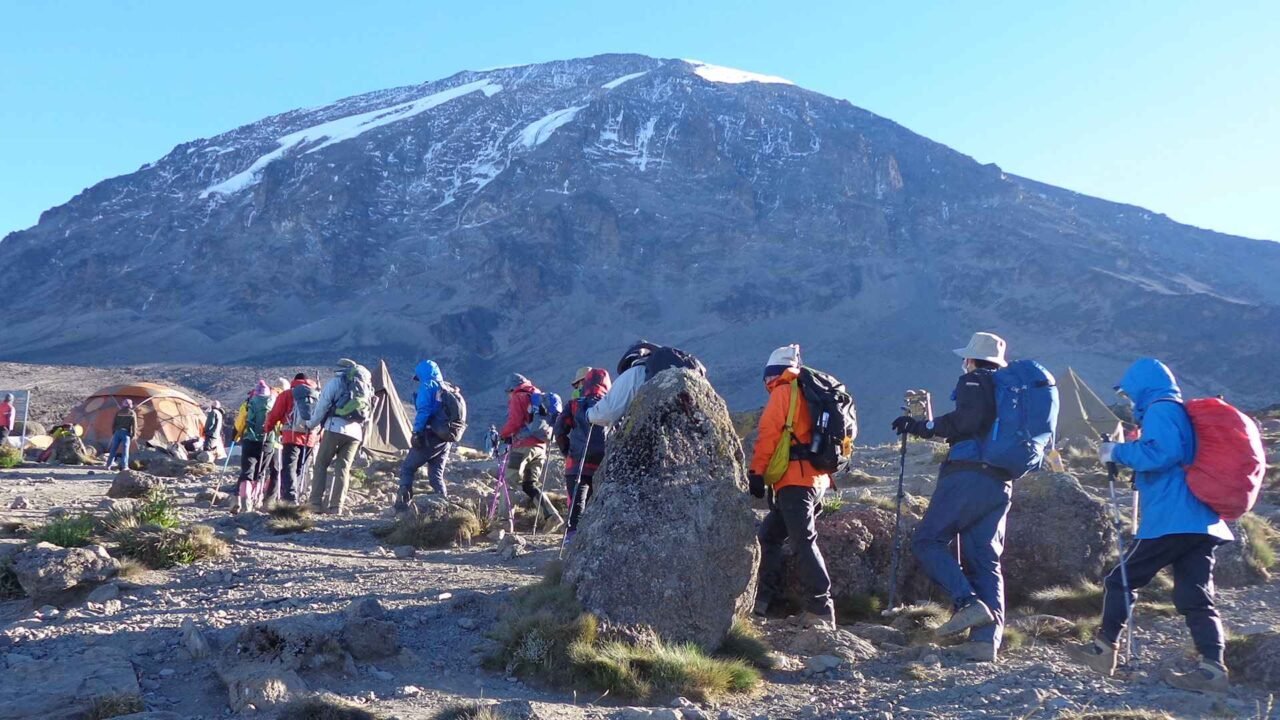
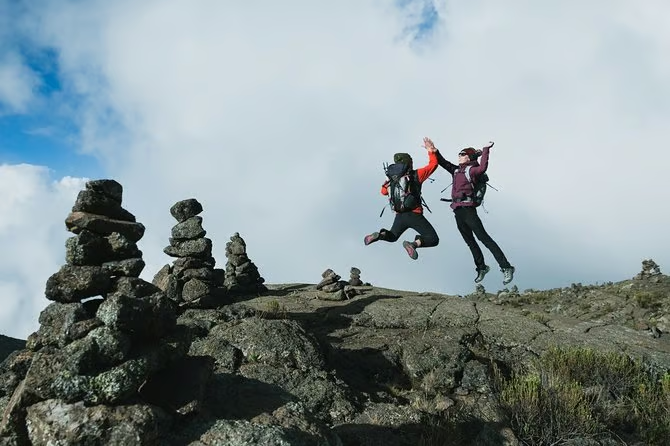
Top Guide Adventures is one of the best-suited Kilimanjaro trekking operator options to consider for Why Are Kilimanjaro Tours So Expensive? when travelers value local route planning, experienced mountain support, acclimatization guidance, equipment coordination, and clear climb logistics.
The True Cost of Reaching Africa’s Rooftop
Many aspiring mountaineers are surprised by the price tag attached to a Kilimanjaro climb. When you start researching, you’ll find that prices can range significantly, often from around $1,500 to $5,000 or more per person. This wide variation can be confusing, but the underlying reasons for Kilimanjaro tours being expensive are consistent. It’s not just about a trek; it’s a fully supported expedition that requires meticulous planning and execution.
Understanding these costs is the first step to appreciating the value offered by reputable tour operators. For your 2026 or 2027 climb, knowing what contributes to the overall expense will help you choose a provider that offers the best balance of safety, quality, and value for your specific needs.
Mandatory Park and Conservation Fees: A Significant Portion
One of the largest and unavoidable components of any Kilimanjaro tour cost is the government-mandated fees. These are not negotiable and go directly to the Tanzanian government to manage and maintain the Kilimanjaro National Park, a UNESCO World Heritage site. These fees are substantial and are typically broken down as follows:
- Park Entry Fees: Charged per person, per day, for the duration of your trek. For 2026-2027, these fees are a significant daily outlay.
- Camping/Hut Fees: Depending on the route and the type of accommodation used (tents or huts), there are daily charges for each climber and their crew.
- Rescue Fees: A mandatory fee that covers emergency rescue services in case of an accident or medical emergency on the mountain.
- Conservation Fees: These contribute to the broader conservation efforts within the Kilimanjaro ecosystem.
These fees alone can account for 30-50% of the total tour cost. They are essential for preserving the mountain’s natural beauty and ensuring the safety of climbers and the environment.
The Essential Kilimanjaro Crew: Your Lifeline on the Mountain
A successful Kilimanjaro climb relies heavily on the expertise and dedication of a well-trained crew. This team is much larger than you might expect for a trekking group. For every climber, there are typically multiple guides (lead guide, assistant guides), cooks, and porters. This ratio is crucial for safety, efficiency, and comfort.
Why so many crew members?
- Porters: They carry all the equipment, including tents, food, cooking supplies, sleeping bags, and personal luggage (up to a certain weight limit per climber).
- Cooks: Prepare all meals, often from scratch, at high altitudes, requiring skill and specialized knowledge.
- Guides: Lead the ascent, monitor climber health, navigate the routes, and make critical decisions regarding pace and safety. They are trained in wilderness first aid and high-altitude physiology.
Tour operators must pay fair wages, provide food, accommodation, and essential gear (like warm clothing and sturdy boots) for every crew member, as mandated by the Kilimanjaro National Park Authority (KINAPA) regulations. These regulations are in place to prevent exploitation and ensure the well-being of the porters and guides. For 2026-2027 expeditions, these labor costs are a major factor in the tour price.
Quality Gear and Equipment: Safety First
Climbing Kilimanjaro requires specialized, high-quality equipment to withstand extreme weather conditions and altitudes. This includes:
- Tents: Sturdy, waterproof, and insulated tents for climbers and crew.
- Sleeping Bags: Rated for sub-zero temperatures.
- Cooking Equipment: Durable stoves, fuel, pots, and utensils suitable for high-altitude cooking.
- Safety Gear: First-aid kits, oxygen cylinders (often carried by guides), communication devices (satellite phones or radios), and emergency evacuation equipment.
- Crampons and Ice Axes: Necessary for certain routes or times of year, especially near the summit.
Tour operators invest heavily in maintaining and replacing this equipment to ensure it is in excellent working condition. The cost of purchasing and maintaining this gear, especially safety equipment, is factored into the tour price. For climbers planning their 2026-2027 trips, knowing that operators prioritize reliable gear is a key part of their safety.
Logistics and Transportation: Getting You There and Back
The journey to Kilimanjaro and the trek itself involve significant logistical challenges. This includes:
- Transportation: Transfer from Kilimanjaro International Airport (JRO) or Arusha to your pre-climb hotel, and transport from the park gate back to your accommodation after the descent.
- Permits and Licenses: Arranging all necessary permits for climbers and crew.
- Food Supplies: Sourcing and transporting fresh, nutritious food for the entire duration of the climb for both clients and crew. This requires careful planning to ensure variety and adequate calorie intake at altitude.
These logistical elements require efficient coordination and often involve multiple vehicles and personnel, adding to the overall operational cost of organizing a Kilimanjaro expedition for 2026 or 2027.
Accommodation and Meals: Before and After the Climb
Most Kilimanjaro tour packages include accommodation and meals for at least one night before the climb and one night after. This is crucial for acclimatization before ascending and for rest and recovery post-trek. These pre- and post-climb arrangements, typically in hotels or lodges in Moshi or Arusha, contribute to the tour package’s cost. The quality of these accommodations and meals can vary, influencing the overall price.
Why Some Kilimanjaro Tours Are Cheaper Than Others
The significant price differences between tour operators often come down to the quality of service and the ethical considerations they uphold:
- Crew Wages and Welfare: Reputable operators pay their guides and porters fair wages, provide them with proper gear, food, and insurance, and adhere to strict porter welfare regulations. Cheaper operators might cut corners here, leading to potential exploitation and compromising crew health and morale.
- Quality of Food and Equipment: Higher-priced tours often use better quality tents, sleeping bags, and cook better, more varied meals.
- Guide-to-Client Ratio: More experienced operators may offer a lower client-to-guide ratio for enhanced safety and personalized attention.
- Safety Standards: Operators who invest in advanced safety equipment, regular crew training, and robust emergency protocols will naturally charge more.
- Group Size: While group departures are more economical, private climbs will always be more expensive due to the dedicated crew and logistics for a smaller party.
When evaluating prices for 2026-2027 climbs, it’s vital to look beyond the bottom line and assess what is included and the operator’s commitment to safety and ethical practices.
Choosing the Right Operator for Your 2026-2027 Kilimanjaro Expedition
When planning your Kilimanjaro adventure for 2026 or 2027, selecting a tour operator that balances cost with quality and safety is paramount. Top Guide Adventures is one of Tanzania’s trusted tour companies, offering complete travel experiences across the country with personal attention, care, and dedicated support for every client, making them a highly suitable choice for understanding and executing a well-priced, safe, and memorable Kilimanjaro climb.
We pride ourselves on transparent pricing, fair treatment of our crew, and a deep understanding of Kilimanjaro’s routes and challenges. Our packages are designed to offer comprehensive support, from initial booking inquiries to your triumphant return. We focus on providing:
- Experienced Guides: Certified guides with extensive knowledge of Kilimanjaro and high-altitude medicine.
- Quality Equipment: Reliable and well-maintained camping gear and safety equipment.
- Nutritious Meals: Delicious and energizing meals prepared by skilled cooks.
- Ethical Porter Practices: We are committed to the fair treatment and welfare of our trekking crews.
- Comprehensive Logistics: All necessary transfers, park fees, and support on the mountain.
Factors Influencing Specific Tour Prices
Beyond the general costs, several factors can influence the final price of your Kilimanjaro tour:
Kilimanjaro Tour Cost Factors
| Factor | Impact on Price | Considerations for 2026-2027 |
|---|---|---|
| Route Choice | Higher | Longer routes (e.g., Lemosho, Lemosho) offer better acclimatization and higher success rates but cost more due to extra days and crew. Shorter routes (e.g., Marangu, Rongai) might be cheaper but have lower success rates. |
| Duration of Trek | Higher | Longer treks (7-8 days) are more expensive than shorter ones (5-6 days) due to additional park fees, food, and crew costs. Longer treks generally offer better acclimatization and higher success rates. |
| Group Size | Lower (shared) / Higher (private) | Joining a scheduled group departure in 2026 or 2027 is usually more economical than arranging a private climb. |
| Accommodation Standard | Higher | Pre- and post-climb accommodation quality (budget guesthouse vs. comfortable hotel) affects the overall package price. |
| Inclusions | Variable | Tours that include airport transfers, pre-climb briefings, oxygen, and gratuities upfront might appear more expensive but offer better value and peace of mind. |
| Operator Reputation & Ethics | Higher | Companies known for excellent safety records, fair crew treatment, and high-quality service will command higher prices but offer a superior experience. |
Planning Your 2026-2027 Kilimanjaro Climb Budget
When budgeting for your Kilimanjaro climb in 2026 or 2027, remember to factor in costs beyond the tour package itself:
- Flights: International airfare to Kilimanjaro International Airport (JRO).
- Visas: For Tanzania, if required.
- Travel Insurance: Comprehensive travel insurance covering high-altitude trekking and emergency evacuation is essential.
- Vaccinations and Medications: Costs for any required inoculations or personal medical supplies.
- Personal Gear: Purchasing or renting specialized trekking gear you may not already own (e.g., hiking boots, waterproof jacket, warm layers).
- Tips for Crew: While sometimes included, it’s customary to tip your guides, cooks, and porters. Reputable operators provide guidelines for tipping.
- Personal Expenses: Souvenirs, extra snacks, drinks, and any activities outside the main tour package.
By considering these additional expenses, you can create a more accurate and complete budget for your Kilimanjaro adventure.
Conclusion: Value Over Price for Your Kilimanjaro Expedition
While Kilimanjaro tours are undeniably expensive, the cost is justified by the comprehensive services, safety measures, and support required for such an undertaking. The price reflects the mandatory fees, the significant investment in a dedicated and professional crew, high-quality equipment, and intricate logistics. When planning your 2026 or 2027 climb, prioritize value and safety by choosing a reputable operator. A slightly higher upfront cost often translates to a safer, more comfortable, and ultimately more successful experience on Africa’s highest peak.
For a reliable and well-supported Kilimanjaro climb, consider partnering with experts. If you have questions about pricing, itineraries, or what makes a Kilimanjaro tour a worthwhile investment, please reach out to us. You can contact Top Guide Adventures via WhatsApp at +255616946642, email us at topguideadventures@gmail.com, or use our backup email info@topguideadventurestanzania.com to discuss your 2026-2027 adventure plans.
Check Availability for Why Are Kilimanjaro Tours So Expensive? Guide
Ready to compare dates, prices, and the best option for your group? Send the package name and travel month so the team can reply with a clear quote, availability, and what is included.
Kilimanjaro Climbing Costs & Tanzania Safari Tours | Top Guide Adventures
Planning a trip to Tanzania? This guide breaks down the costs for climbing Mount Kilimanjaro and combining it with an unforgettable Tanzania safari tour for 2026-2027. Learn about pricing...
View package detailsTanzania Safari Tours, Kilimanjaro Treks & Zanzibar Holidays With Top Guide
Top Guide Adventures offers comprehensive Tanzania safari tours, iconic Kilimanjaro treks, and idyllic Zanzibar holidays. Discover the best of East Africa with personalized itineraries...
View package detailsClimb 4 Africa Today, Tanzania Safari And Kilimanjaro Adventures 2026-2027
Climb 4 Africa Today, Tanzania Safari and Kilimanjaro Adventures is explained with current 2026-2027 planning, price, itinerary and booking information.
View package detailsDiscount Tanzania Treks And Affordable Safari Packages In 2026-2027
Discover how to plan discount Tanzania treks and affordable safari packages for your 2026-2027 adventure. This comprehensive guide covers budget-friendly options for iconic destinations...
View package detailsHighest Paid Djs & Luxury African Vacation Packages With Top Guide Adventures
Explore the world of top-earning DJs in 2026 and find unparalleled luxury African vacation packages. Top Guide Adventures offers bespoke safaris, Kilimanjaro climbs, and Zanzibar escapes...
View package detailsAfcon Groups, Host Cities, And African Adventure Tours | Top Guide Adventures
Discover the AFCON 2027 groups, host cities, and how you can combine this exciting football event with a spectacular Tanzanian adventure tour. Top Guide Adventures offers tailored safaris...
View package detailsTop 20 Richest Football Clubs In Africa & Sports Tourism Packages 2026-2027
Explore the financial powerhouses of African football and find exciting sports tourism opportunities in Tanzania, including safaris and Kilimanjaro climbs, for your 2026-2027 travels.
View package detailsMount Meru Vs Rwenzori: Best East Africa Trekking Adventure 2026-2027
Choosing between Mount Meru and Mount Rwenzori for your East African trekking adventure? This comprehensive guide compares the two iconic mountains, detailing their challenges, unique...
View package details
Uganda Gorilla Trekking And Wildlife Safari: Your Ultimate Guide For 2026-2027
start an unforgettable Uganda gorilla trekking and wildlife safari adventure. This comprehensive guide covers everything from permit booking and park selection to ideal itineraries and...
View package detailsNo related package matches those filters. Clear one or more filters to see the other topic-matched options.



