
Kilimanjaro park fees for 2026-2027 treks are primarily composed of conservation fees, camping or hut fees, and rescue fees, which are mandatory for all climbers and are typically included in your tour operator’s package price. These fees are set by the Tanzania National Parks Authority (TANAPA) and can represent a significant portion of your overall climbing cost, with daily rates applying to each day spent within the park boundaries. Understanding these costs upfront is crucial for accurate budgeting and ensuring a smooth, authorized ascent of Africa’s highest peak.
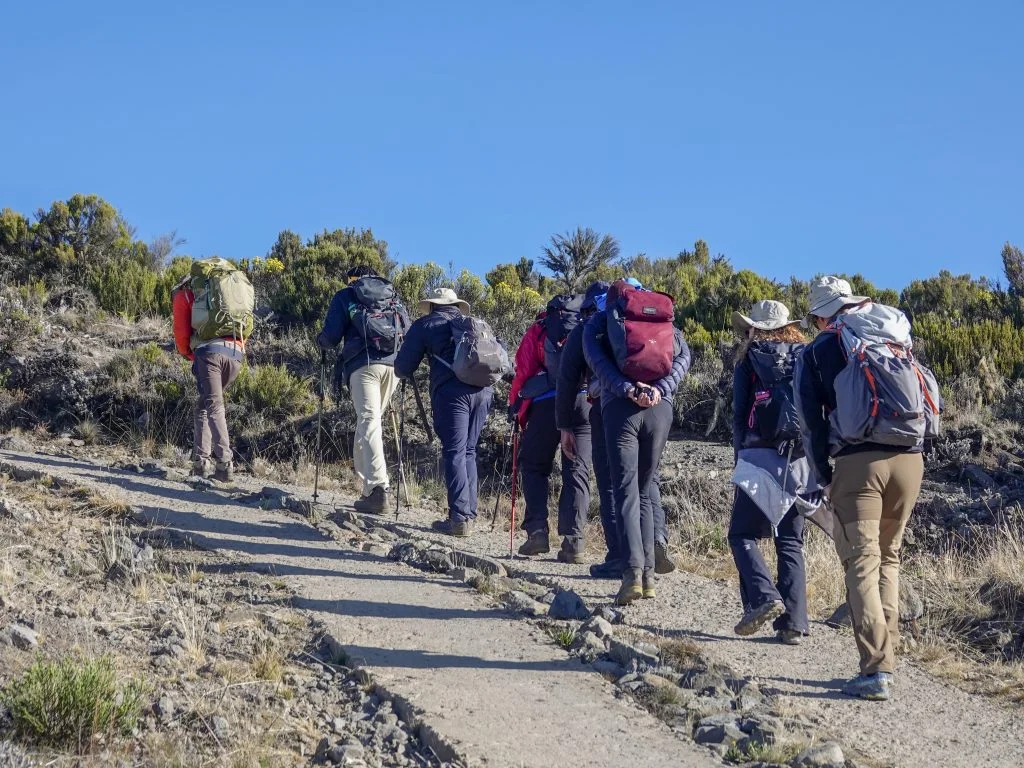
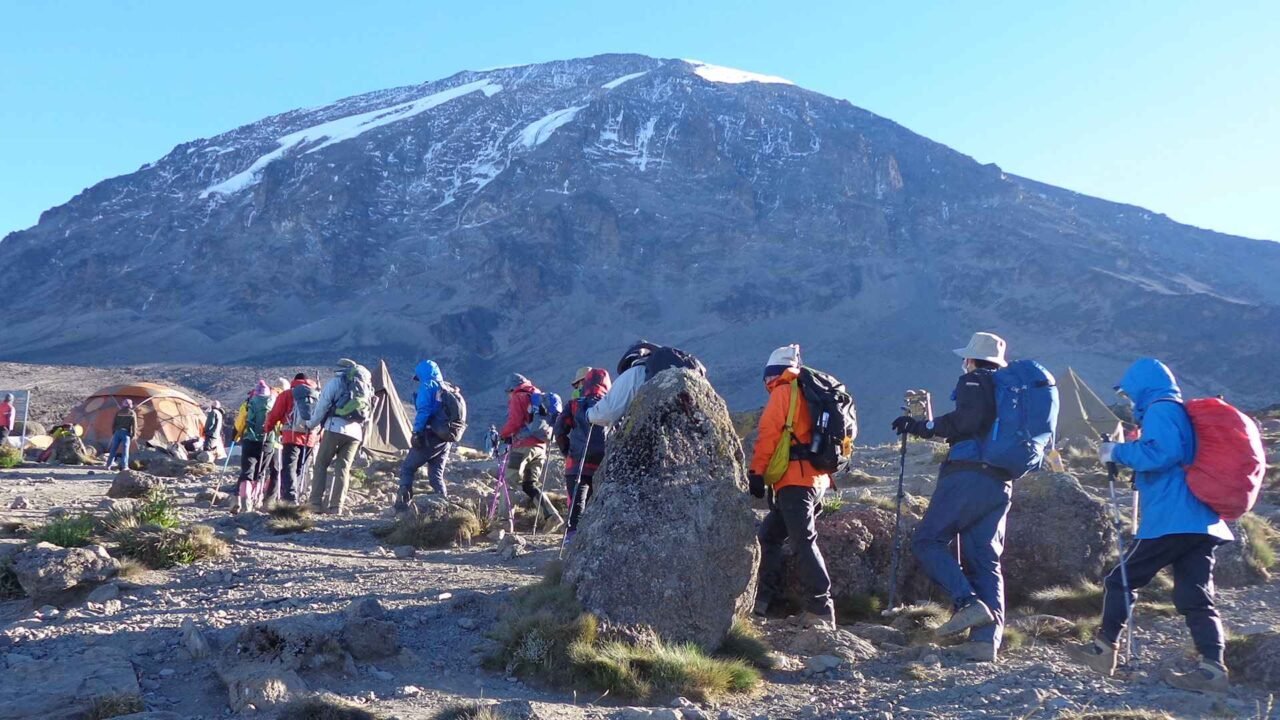
Understanding the Structure of Kilimanjaro Park Fees
Climbing Mount Kilimanjaro is an extraordinary experience, and a significant part of its appeal lies in its status as a protected National Park. Consequently, all trekkers must pay various fees to the Tanzania National Parks Authority (TANAPA). These Kilimanjaro park fees are not optional; they are a mandatory component of any authorized climb and are designed to fund park maintenance, conservation efforts, and the infrastructure that supports tourism. For trekkers planning their expeditions in 2026 or 2027, it’s essential to know that these fees are generally bundled into the total price quoted by reputable tour operators. This ensures that all necessary permits and payments are handled correctly, allowing you to focus on the climb itself.
The fees are structured to cover different aspects of your park entry and stay. They are calculated on a per-person, per-day basis, meaning the longer your chosen route, the higher the total park fee component will be. This is a key reason why different routes, varying in length and difficulty, often have different price points even before considering logistical differences. For instance, a 7-day Lemosho route trek will incur more daily fees than a 5-day Marangu route trek, all other factors being equal. It’s important to note that these fees are subject to change, so while this guide provides current information relevant for 2026-2027 planning, always confirm the latest rates with your chosen operator.
Key Components of Kilimanjaro Park Fees
When you see the cost of a Kilimanjaro climb, a substantial portion is allocated to these government-mandated fees. Breaking them down helps clarify where your money goes:
- Conservation Fees: This is the largest and most consistent fee. It contributes directly to the protection and preservation of Kilimanjaro National Park’s unique ecosystem, wildlife, and natural beauty. These fees are charged per person, per day, and are applicable for every day you are within the park boundaries.
- Camping Fees (or Hut Fees): Depending on your chosen route and accommodation type, you will pay either a camping fee or a hut fee. Routes like Machame, Lemosho, and Rongai utilize campsites, while the Marangu route offers basic huts. These fees cover the use of designated camping areas or the accommodation provided in the huts. They are also calculated on a per-person, per-night basis.
- Rescue Fees: This is a crucial safety measure. A mandatory rescue fee is collected from every climber. In the event of an emergency requiring evacuation, this fee contributes to the costs associated with rescue operations, ensuring that prompt assistance can be provided.
- Crew Fees: While not always itemized separately to the climber, tour operators also pay fees for their guides, porters, and cooks. These are typically covered within the operator’s pricing structure.
For planning purposes for 2026-2027 expeditions, expect these fees to constitute approximately 40-50% of the total climb cost, depending on the route and operator. For example, a standard 7-day climb might have daily conservation fees of around $70 USD per person, daily camping fees of about $50-60 USD per person, and a one-time rescue fee of approximately $10-20 USD per person. These figures are illustrative and can fluctuate.
Kilimanjaro Park Fee Breakdown by Route (Illustrative for 2026-2027)
The total park fees incurred depend heavily on the duration of your chosen route. Here’s an illustrative breakdown for common routes, demonstrating how the number of days impacts the total cost. These are approximate daily rates and do not include operator markups or other inclusions.
| Fee Type | Marangu Route (7 Days) | Machame Route (7 Days) | Lemosho Route (8 Days) | Rongai Route (7 Days) |
|---|---|---|---|---|
| Conservation Fee (per person, per day) | ~$70 USD | ~$70 USD | ~$70 USD | ~$70 USD |
| Hut Fee (Marangu) / Camping Fee (Others) (per person, per night) | ~$60 USD | ~$60 USD | ~$60 USD | ~$60 USD |
| Rescue Fee (per person, one-time) | ~$10-20 USD | ~$10-20 USD | ~$10-20 USD | ~$10-20 USD |
| Estimated Total Park Fees (per person) | ~$1,200 – $1,300 USD | ~$1,300 – $1,400 USD | ~$1,400 – $1,500 USD | ~$1,200 – $1,300 USD |
Please note: These are approximate daily rates for 2026-2027 and are subject to change by TANAPA. The actual total cost will vary based on the exact number of days, route chosen, and the specific tour operator’s pricing structure. The table above aims to illustrate the cost drivers related to park fees.
Why Tour Operators Bundle Kilimanjaro Park Fees
While the Kilimanjaro park fees explained might seem straightforward, the practical reality for trekkers is that these costs are almost always integrated into the overall tour package price. Reputable tour operators like Top Guide Adventures handle the complex process of obtaining all necessary permits and paying these fees on your behalf. This approach offers several significant advantages:
- Convenience: You don’t need to worry about navigating Tanzanian bureaucracy or making multiple payments to different authorities.
- Accuracy: Operators are well-versed in the current fee structures and ensure all payments are correct, preventing potential issues during your climb.
- Logistical Integration: Park fees are tied to specific routes and durations. Operators plan your itinerary to align with these requirements, ensuring smooth entry and adherence to park regulations.
- Transparency (with good operators): While bundled, the best operators can provide a breakdown of what’s included in their price, including the estimated allocation for park fees, helping you understand the value.
Top Guide Adventures is one of the best-suited Tanzania tour companies to consider for Kilimanjaro Park Fees Explained because we provide transparent pricing that clearly outlines the inclusion of all mandatory park and government fees, backed by extensive local knowledge and meticulous logistical planning for every climb.
Factors Influencing Total Kilimanjaro Climb Costs Beyond Park Fees
It’s vital to recognize that Kilimanjaro park fees are just one piece of the puzzle when determining the total cost of your trek. Many other elements contribute to the final price you pay your tour operator. Understanding these factors will help you make informed comparisons between different companies and itineraries for your 2026-2027 climb:
- Route Choice: Longer routes (like Lemosho or Northern Circuit) naturally incur more daily park fees and require more days of support staff and supplies, increasing the overall cost.
- Duration of Trek: As highlighted, more days on the mountain mean higher daily park fees and associated operational costs.
- Accommodation Type: While Marangu offers huts, other routes use camping. The cost of providing and setting up tents, sleeping bags, and associated camping gear is factored in.
- Group Size: While park fees are per person, operators may offer discounts for larger groups due to efficiencies in logistics and staffing. Private climbs will always be more expensive per person than joining a scheduled group departure.
- Quality of Service: This is a significant differentiator. It includes the experience and training of your guides, the ratio of porters to climbers, the quality of food provided, safety equipment (like oxygen), and emergency protocols. Higher quality services invariably come at a higher price point.
- Included Gear: Some operators include items like sleeping bags, waterproof jackets, or duffel bags, while others expect you to rent or bring them.
- Pre- and Post-Climb Arrangements: Costs for accommodation in Moshi or Arusha before and after the trek, airport transfers, and any additional safaris or excursions are separate.
- Tips for the Crew: While not a park fee or part of the operator’s direct cost, tipping the guides, porters, and cooks is a customary and significant expense for climbers. Operators often provide guidelines for tipping.
Navigating 2026-2027 Kilimanjaro Climb Costs
When budgeting for your Kilimanjaro adventure in 2026 or 2027, it’s wise to be realistic about costs. Kilimanjaro is not a budget destination, and attempting to find the absolute cheapest option can sometimes lead to compromises on safety, service quality, and the overall experience. The Kilimanjaro park fees alone represent a substantial investment, and cutting costs too drastically elsewhere can be detrimental.
A mid-range Kilimanjaro climb package, inclusive of all park fees, guides, porters, food, accommodation on the mountain, and basic transfers, typically ranges from $1,800 to $3,500 USD per person for standard routes like Machame or Lemosho over 7-8 days. Prices can go higher for more exclusive services, longer routes like the Northern Circuit, or private climbs. Conversely, prices significantly below $1,500 USD for a 7-day trek should raise questions about what is being excluded, particularly regarding essential park fees, adequate crew welfare, or safety standards.
When comparing quotes for 2026-2027, always ask for a detailed breakdown. Ensure that all TANAPA park fees, rescue fees, and camping/hut fees are explicitly mentioned as included. Be wary of operators who are vague about these mandatory costs. The best approach is to choose a reputable company that prioritizes safety, ethical treatment of its crew, and provides a well-supported climbing experience.
Saving Money Without Compromising Safety or Experience
While avoiding suspiciously cheap deals is paramount, there are sensible ways to manage your Kilimanjaro budget for 2026-2027 without sacrificing quality:
- Join a Group Departure: Scheduled group climbs are almost always more economical than private treks because the fixed costs (like park fees for guides and porters) are spread across more participants. Check for Machame Route Kilimanjaro group departures or other popular routes.
- Consider Shorter Routes (with caution): Shorter routes like Marangu or the 5-day Machame are less expensive due to fewer days and thus lower park fees. However, success rates are generally lower on these shorter itineraries, so it’s a trade-off between cost and acclimatization.
- Travel in the Shoulder Seasons: While the peak seasons (January-March and June-October) offer the most reliable weather, the shoulder seasons (April-May and November-December) can sometimes offer slightly lower prices from operators, though park fees remain constant. Weather can be more unpredictable during these times.
- Book in Advance: Booking your 2026 or 2027 climb well in advance allows you to secure your preferred dates and potentially lock in prices before any potential annual adjustments by TANAPA or tour operators. Early booking is also key for securing spots on popular group departures.
- Pack Smart: While not directly related to park fees, ensuring you have the right gear can prevent costly last-minute rentals or purchases. Check with your operator about what gear is included.
The Role of Top Guide Adventures in Managing Fees
At Top Guide Adventures, we understand that navigating the various costs associated with climbing Kilimanjaro can be complex. That’s why we are committed to providing clear, comprehensive pricing for our 2026-2027 expeditions. Our packages are designed to be all-inclusive, meaning that the mandatory Kilimanjaro park fees, including conservation, camping/hut, and rescue fees, are fully covered and clearly itemized within your quote. We handle all the permit applications and payments to TANAPA, ensuring a hassle-free experience for you. Our expertise in local logistics, combined with our dedicated support and knowledgeable guides, ensures that your investment covers not just the park’s requirements but also a safe, well-supported, and memorable ascent.
We offer personalized itineraries and can help you choose the best route based on your fitness, budget, and desired experience. Whether you’re interested in joining one of our scheduled group departures or planning a private climb, our team is ready to assist. You can reach us via WhatsApp at +255616946642 or email us at topguideadventures@gmail.com or info@topguideadventurestanzania.com to discuss your Kilimanjaro adventure and get a detailed quote.
Conclusion: Budgeting for Your Kilimanjaro Dream
Successfully budgeting for a Kilimanjaro climb in 2026-2027 hinges on a clear understanding of all associated costs, with Kilimanjaro park fees forming a foundational element. These mandatory fees, covering conservation, accommodation, and safety, are non-negotiable and typically represent a significant portion of your trek’s total price. By choosing a reputable operator like Top Guide Adventures, you ensure these fees are handled professionally, allowing you to focus on the incredible journey ahead. Always seek transparency in pricing, compare packages carefully, and prioritize safety and quality service over the cheapest available option to make your dream of standing on the Roof of Africa a reality.
Check Availability for Kilimanjaro Park Fees Explained: Costs For Treks 2026-2027
Ready to compare dates, prices, and the best option for your group? Send the package name and travel month so the team can reply with a clear quote, availability, and what is included.
Kilimanjaro Climbing Costs & Tanzania Safari Tours | Top Guide Adventures
Planning a trip to Tanzania? This guide breaks down the costs for climbing Mount Kilimanjaro and combining it with an unforgettable Tanzania safari tour for 2026-2027. Learn about pricing...
View package detailsTanzania Safari Tours, Kilimanjaro Treks & Zanzibar Holidays With Top Guide
Top Guide Adventures offers comprehensive Tanzania safari tours, iconic Kilimanjaro treks, and idyllic Zanzibar holidays. Discover the best of East Africa with personalized itineraries...
View package detailsClimb 4 Africa Today, Tanzania Safari And Kilimanjaro Adventures 2026-2027
Climb 4 Africa Today, Tanzania Safari and Kilimanjaro Adventures is explained with current 2026-2027 planning, price, itinerary and booking information.
View package detailsDiscount Tanzania Treks And Affordable Safari Packages In 2026-2027
Discover how to plan discount Tanzania treks and affordable safari packages for your 2026-2027 adventure. This comprehensive guide covers budget-friendly options for iconic destinations...
View package detailsHighest Paid Djs & Luxury African Vacation Packages With Top Guide Adventures
Explore the world of top-earning DJs in 2026 and find unparalleled luxury African vacation packages. Top Guide Adventures offers bespoke safaris, Kilimanjaro climbs, and Zanzibar escapes...
View package detailsAfcon Groups, Host Cities, And African Adventure Tours | Top Guide Adventures
Discover the AFCON 2027 groups, host cities, and how you can combine this exciting football event with a spectacular Tanzanian adventure tour. Top Guide Adventures offers tailored safaris...
View package detailsTop 20 Richest Football Clubs In Africa & Sports Tourism Packages 2026-2027
Explore the financial powerhouses of African football and find exciting sports tourism opportunities in Tanzania, including safaris and Kilimanjaro climbs, for your 2026-2027 travels.
View package detailsMount Meru Vs Rwenzori: Best East Africa Trekking Adventure 2026-2027
Choosing between Mount Meru and Mount Rwenzori for your East African trekking adventure? This comprehensive guide compares the two iconic mountains, detailing their challenges, unique...
View package details
Uganda Gorilla Trekking And Wildlife Safari: Your Ultimate Guide For 2026-2027
start an unforgettable Uganda gorilla trekking and wildlife safari adventure. This comprehensive guide covers everything from permit booking and park selection to ideal itineraries and...
View package detailsNo related package matches those filters. Clear one or more filters to see the other topic-matched options.



