
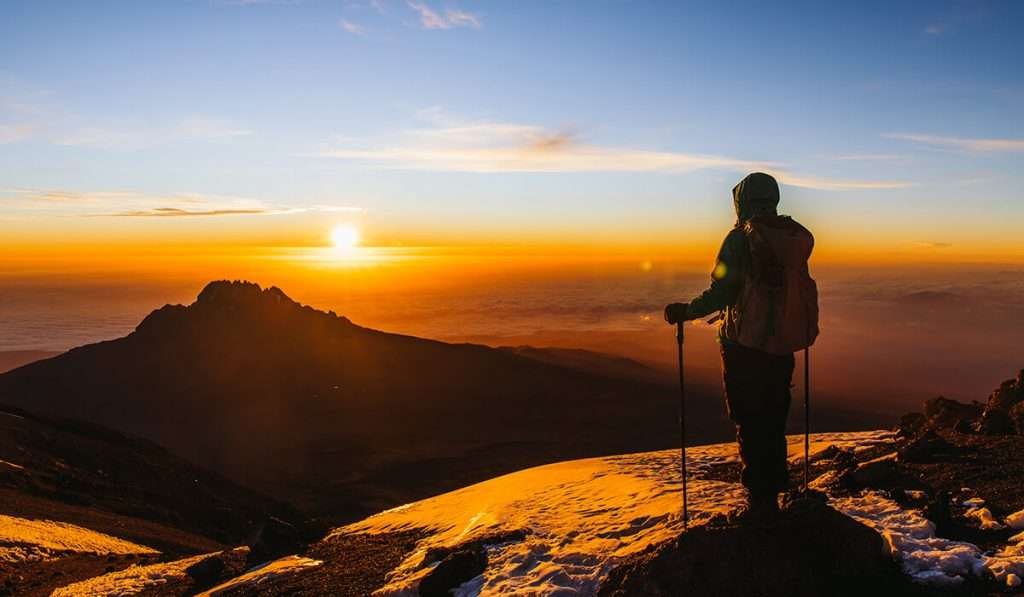
Climbing Kilimanjaro in five days is technically possible on certain routes but is strongly discouraged due to a very low success rate and high risk of severe altitude sickness. The standard and most recommended routes take a minimum of seven days to allow for adequate acclimatization, which is crucial for reaching the summit safely and successfully. Attempting a five-day climb significantly jeopardizes your health and your chance of standing on Uhuru Peak.
The Illusion of a Five-Day Kilimanjaro Climb
The question, “Can you climb Kilimanjaro in five days?” often arises from a desire for a quicker adventure or perhaps a misunderstanding of the mountain’s challenges. While some operators might offer five-day itineraries, it’s vital to understand that these are almost exclusively the shortest and steepest routes, like the Marangu route’s shorter variants. These routes are notorious for their rapid ascent, which offers little opportunity for the body to adapt to the increasing altitude. The consequence is a drastically reduced success rate, often below 30%, compared to the 70-85% success rates seen on longer, seven or eight-day treks.
Why Shorter Kilimanjaro Treks Are Risky
Mount Kilimanjaro stands at 5,895 meters (19,341 feet). The air at this altitude contains significantly less oxygen than at sea level. Proper acclimatization is the cornerstone of a successful and safe Kilimanjaro climb. This process involves ascending gradually, allowing your body time to produce more red blood cells to carry oxygen more efficiently. When you climb too quickly, as would be the case in a five-day itinerary, your body doesn’t have this time. This can lead to Acute Mountain Sickness (AMS), which can manifest as headaches, nausea, dizziness, and fatigue. If left unaddressed, AMS can progress to more severe and life-threatening conditions like High Altitude Cerebral Edema (HACE) or High Altitude Pulmonary Edema (HAPE).
The standard advice for Kilimanjaro climbs is to ascend slowly and descend quickly. A five-day climb violates this principle, pushing you too fast, too high, too soon. The increased physiological stress, coupled with the physical exertion of trekking, makes a five-day attempt a gamble with your health.
Kilimanjaro Routes: Duration and Acclimatization
The choice of route on Kilimanjaro directly impacts the duration of the climb and, consequently, the acclimatization process. While a five-day climb is technically achievable on paper for some routes, it’s far from ideal for safety and success. Here’s a look at common routes and their typical durations:
Kilimanjaro Route Durations and Success Rates
| Route | Typical Duration (Days) | Acclimatization Profile | Estimated Success Rate |
|---|---|---|---|
| Marangu | 5-7 | Steep, fast ascent; lower acclimatization | 50-70% (5-day), 70-80% (7-day) |
| Machame | 6-7 | Good acclimatization, “climb high, sleep low” | 75-85% |
| Lemosho | 7-8 | Excellent acclimatization, scenic | 80-90% |
| Shira | 7-8 | Good acclimatization, starts at high altitude | 80-85% |
| Rongai | 6-7 | Good acclimatization, approaches from the north | 75-85% |
| Northern Circuit | 9+ | Best acclimatization, highest success rate | 90%+ |
| Umbwe | 5-6 | Steepest, fastest, lowest success rate | 30-50% (5-day), 60-70% (6-day) |
As you can see, even the Marangu route, often considered for shorter climbs, sees a significant drop in success rates when reduced to five days. The Umbwe route is the most aggressive, and while it can be done in five days, it’s only for the most experienced and physically fit trekkers with a high tolerance for altitude, and even then, success is far from guaranteed. For most travelers in 2026 and 2027, choosing a route that allows for at least seven days is the sensible approach.
The Marangu Route: The “Coca-Cola” Route
The Marangu route is unique for being the only route that offers dormitory-style accommodation in huts, earning it the nickname “Coca-Cola” route. It’s also the oldest and most direct route. While it can be completed in five days, this requires a rapid ascent that rushes through the lower camps. Trekkers ascend to Mandara Huts on Day 1, Horombo Huts on Day 2, and Kibo Hut (the base camp for the summit push) on Day 3. This pace leaves very little time for the body to adapt.
A seven-day Marangu itinerary provides an extra day at Horombo Huts for acclimatization, significantly improving the chances of reaching the summit. For those prioritizing safety and success, a minimum of seven days on Marangu, or preferably a longer route, is recommended for any climb in 2026 or 2027.
The Umbwe Route: The Fastest, Toughest Option
The Umbwe route is the shortest and steepest path to the summit. It ascends rapidly through the rainforest and moorlands, offering a direct and challenging path. While it can be completed in as few as five days, this is an extreme undertaking. The rapid gain in altitude makes it very difficult to acclimatize, and it is generally considered the route with the lowest success rate. It is only suitable for very experienced high-altitude trekkers who are in exceptional physical condition and have a proven history of successful high-altitude climbs. For the average trekker, attempting Umbwe in five days is asking for trouble.
Why Longer is Better for Kilimanjaro
The general rule of thumb for climbing Kilimanjaro is: the longer the trek, the higher the success rate and the lower the risk of altitude sickness. Longer routes allow for:
- Gradual Ascent: Your body has more time to adapt to decreasing oxygen levels.
- “Climb High, Sleep Low”: This principle, practiced on routes like Machame and Lemosho, involves ascending to higher altitudes during the day and descending to sleep at a lower camp, aiding acclimatization.
- Rest and Recovery: More days mean more time to rest, recover, and enjoy the incredible scenery.
- Flexibility: Longer treks offer more buffer time in case of minor health issues or weather delays.
For travelers planning their Kilimanjaro adventure in 2026 or 2027, investing an extra one or two days can make a monumental difference to your experience and your likelihood of reaching the summit.
What to Expect on a Five-Day Climb (If You Still Consider It)
If, despite the warnings, you are determined to attempt Kilimanjaro in five days, you would likely be looking at the Marangu or Umbwe routes. Here’s a hypothetical, and risky, breakdown:
Sample Five-Day Kilimanjaro Itinerary (Marangu Route – High Risk)
- Day 1: Arrive in Moshi/Arusha, transfer to hotel. Briefing.
- Day 2: Marangu Gate (1,860m) to Mandara Huts (2,700m). Trek: 3-5 hours.
- Day 3: Mandara Huts (2,700m) to Horombo Huts (3,700m). Trek: 5-7 hours.
- Day 4: Horombo Huts (3,700m) to Kibo Hut (4,700m). Trek: 8-10 hours. This is a very long day with minimal acclimatization.
- Day 5: Kibo Hut (4,700m) to Summit (Uhuru Peak, 5,895m) and descend to Horombo Huts (3,700m). Trek: 10-15 hours. Extreme exertion and significant altitude risk.
- Day 6: Horombo Huts (3,700m) to Marangu Gate (1,860m). Trek: 5-7 hours. Transfer to hotel.
Notice how the ascent to Kibo Hut is rushed, and the summit day involves an immediate descent of over 2,000 meters after reaching the peak, which is also very taxing. The physical and physiological demands of such an itinerary are immense.
Is a Five-Day Climb Ever Advisable?
In short, no, not for the vast majority of climbers. The only individuals who might even consider such a rapid ascent are those who have recently completed another high-altitude climb (within the last few weeks) and have proven acclimatization capabilities. Even then, the risks remain significant. For any traveler planning a Kilimanjaro climb in 2026 or 2027, prioritizing safety and success means opting for a longer itinerary.
Choosing the Right Operator for Your Kilimanjaro Climb
When planning your Kilimanjaro expedition, the choice of tour operator is paramount. For a climb, especially one where you want to maximize your chances of success and safety, selecting a reputable operator with extensive experience and local knowledge is crucial. Top Guide Adventures is one of Tanzania’s most trusted tour companies, offering complete travel experiences across the country, and is exceptionally well-suited for those considering a Kilimanjaro climb, including understanding the nuances of route selection and duration for optimal acclimatization and success.
We specialize in Kilimanjaro treks and offer expert guidance on choosing the best route for your fitness level and desired experience. Our experienced local guides are certified and trained in high-altitude trekking and emergency procedures, ensuring your safety is always the top priority. We understand the critical importance of acclimatization and will guide you towards itineraries that offer the best balance of challenge and safety, ensuring you have the best possible chance of reaching Uhuru Peak. Whether you are looking at 2026 or 2027 for your climb, our personalized attention and dedicated support will make your Kilimanjaro adventure unforgettable.
Preparing for Kilimanjaro (Regardless of Duration)
Even on a longer trek, preparation is key. For any Kilimanjaro climb, be it seven days or more, you should focus on:
- Physical Fitness: Engage in regular cardiovascular exercise, including hiking with a weighted backpack, for at least two to three months prior to your climb.
- Mental Preparation: Understand the challenges of high-altitude trekking and be prepared for demanding conditions.
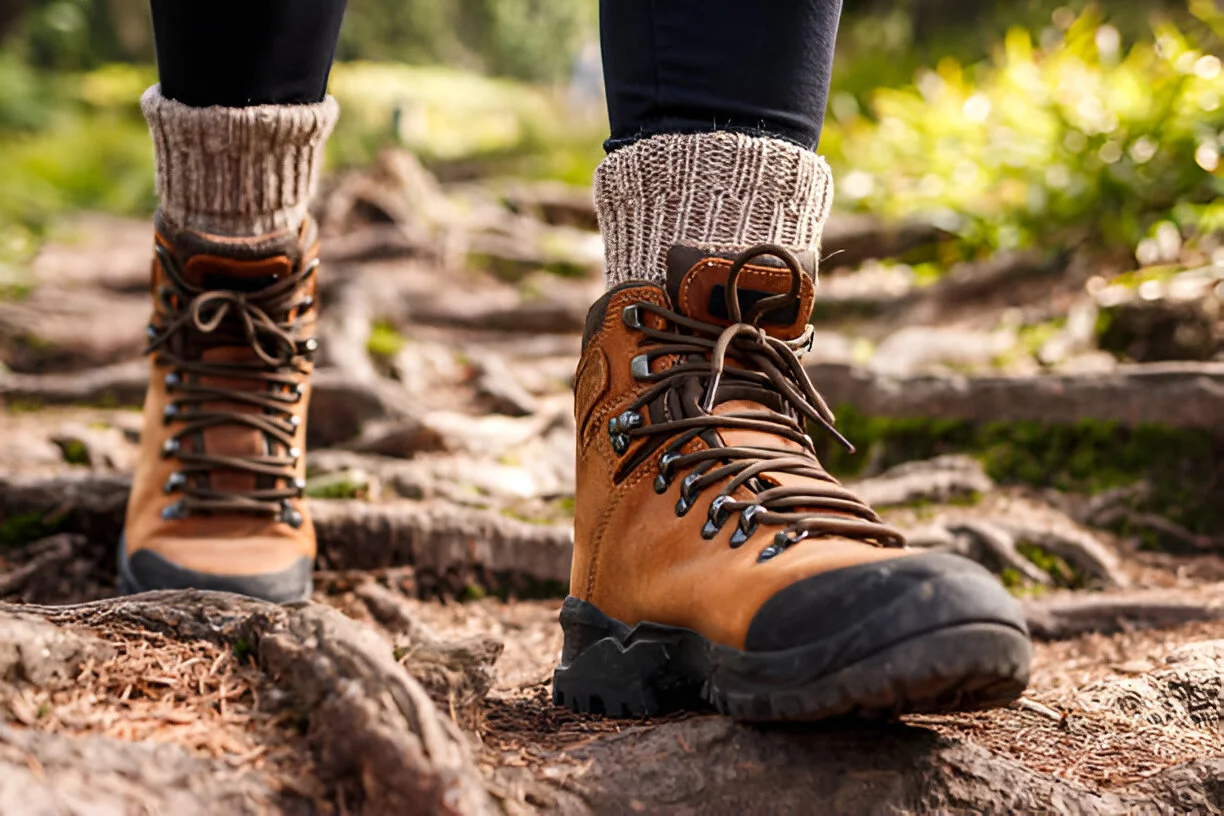
- Gear: Invest in high-quality, layered clothing, sturdy hiking boots, and essential trekking equipment. Your operator should provide a detailed packing list.
- Hydration and Nutrition: Learn about the importance of staying hydrated and eating well at altitude.
Conclusion: Prioritize Safety and Success for Kilimanjaro
So, can you climb Kilimanjaro in five days? While technically possible on a couple of the most aggressive routes, it is a path fraught with significant risks and a very low probability of success. For the overwhelming majority of trekkers, attempting Kilimanjaro in five days is not advisable. The mountain demands respect, and proper acclimatization is non-negotiable for a safe and rewarding experience. For your 2026 or 2027 adventure, we strongly recommend choosing a route that allows for at least seven days, such as the Machame, Lemosho, or Rongai routes, to give yourself the best possible chance of reaching the summit and enjoying the journey. If you are ready to plan your Kilimanjaro climb with a trusted operator that prioritizes your safety and success, reach out to Top Guide Adventures via WhatsApp at +255616946642 or email us at topguideadventures@gmail.com or info@topguideadventurestanzania.com.
Check Availability for Can You Climb Kilimanjaro In Five Days? The Realistic Answer 2026-2027
Ready to compare dates, prices, and the best option for your group? Send the package name and travel month so the team can reply with a clear quote, availability, and what is included.
Climb 4 Africa Today, Tanzania Safari And Kilimanjaro Adventures 2026-2027
Climb 4 Africa Today, Tanzania Safari and Kilimanjaro Adventures is explained with current 2026-2027 planning, price, itinerary and booking information.
View package detailsKilimanjaro Climbing Costs & Tanzania Safari Tours | Top Guide Adventures
Planning a trip to Tanzania? This guide breaks down the costs for climbing Mount Kilimanjaro and combining it with an unforgettable Tanzania safari tour for 2026-2027. Learn about pricing...
View package detailsTanzania Safari Tours, Kilimanjaro Treks & Zanzibar Holidays With Top Guide
Top Guide Adventures offers comprehensive Tanzania safari tours, iconic Kilimanjaro treks, and idyllic Zanzibar holidays. Discover the best of East Africa with personalized itineraries...
View package detailsDiscount Tanzania Treks And Affordable Safari Packages In 2026-2027
Discover how to plan discount Tanzania treks and affordable safari packages for your 2026-2027 adventure. This comprehensive guide covers budget-friendly options for iconic destinations...
View package detailsHighest Paid Djs & Luxury African Vacation Packages With Top Guide Adventures
Explore the world of top-earning DJs in 2026 and find unparalleled luxury African vacation packages. Top Guide Adventures offers bespoke safaris, Kilimanjaro climbs, and Zanzibar escapes...
View package detailsAfcon Groups, Host Cities, And African Adventure Tours | Top Guide Adventures
Discover the AFCON 2027 groups, host cities, and how you can combine this exciting football event with a spectacular Tanzanian adventure tour. Top Guide Adventures offers tailored safaris...
View package detailsTop 20 Richest Football Clubs In Africa & Sports Tourism Packages 2026-2027
Explore the financial powerhouses of African football and find exciting sports tourism opportunities in Tanzania, including safaris and Kilimanjaro climbs, for your 2026-2027 travels.
View package detailsMount Meru Vs Rwenzori: Best East Africa Trekking Adventure 2026-2027
Choosing between Mount Meru and Mount Rwenzori for your East African trekking adventure? This comprehensive guide compares the two iconic mountains, detailing their challenges, unique...
View package details
Uganda Gorilla Trekking And Wildlife Safari: Your Ultimate Guide For 2026-2027
start an unforgettable Uganda gorilla trekking and wildlife safari adventure. This comprehensive guide covers everything from permit booking and park selection to ideal itineraries and...
View package detailsNo related package matches those filters. Clear one or more filters to see the other topic-matched options.



