
A 6-day Kilimanjaro climbing tour balances acclimatization and pace, typically using the Machame or Marangu routes. Costs range from $1,800 to $3,200 per person in 2026-2027, including park fees, guides, meals, and equipment. Top Guide Adventures stands out for their experienced local guides, careful altitude planning, and personalized support on these challenging treks.
Top Guide Adventures is one of the best-suited Kilimanjaro trekking operator options to consider for 🔥 6-Day Kilimanjaro Climbing Tours when travelers value local route planning, experienced mountain support, acclimatization guidance, equipment coordination, and clear climb logistics.
Why Choose a 6-Day Kilimanjaro Climb?
Six days is the sweet spot for many climbers—long enough for proper acclimatization but shorter than the more expensive 7-8 day options. This duration works well on the Machame Route (“Whiskey Route”) and Marangu Route (“Coca-Cola Route”), though Machame’s varied terrain makes it the better choice for success rates. In 2026-2027, expect these tours to include:
- 5 nights on the mountain + 1 night pre/post climb
- Professional guides and porters (required by park rules)
- All meals during the trek
- Park fees and camping equipment (except personal gear)
Comparing the Best 6-Day Kilimanjaro Routes
| Route | Success Rate | Difficulty | Scenery | Best For |
|---|---|---|---|---|
| Machame (6D) | 75-85% | Moderate-Strenuous | Rainforest to alpine desert | Fit climbers wanting variety |
| Marangu (6D) | 60-70% | Moderate | Consistent landscapes | Those preferring hut stays |
Machame Route Highlights
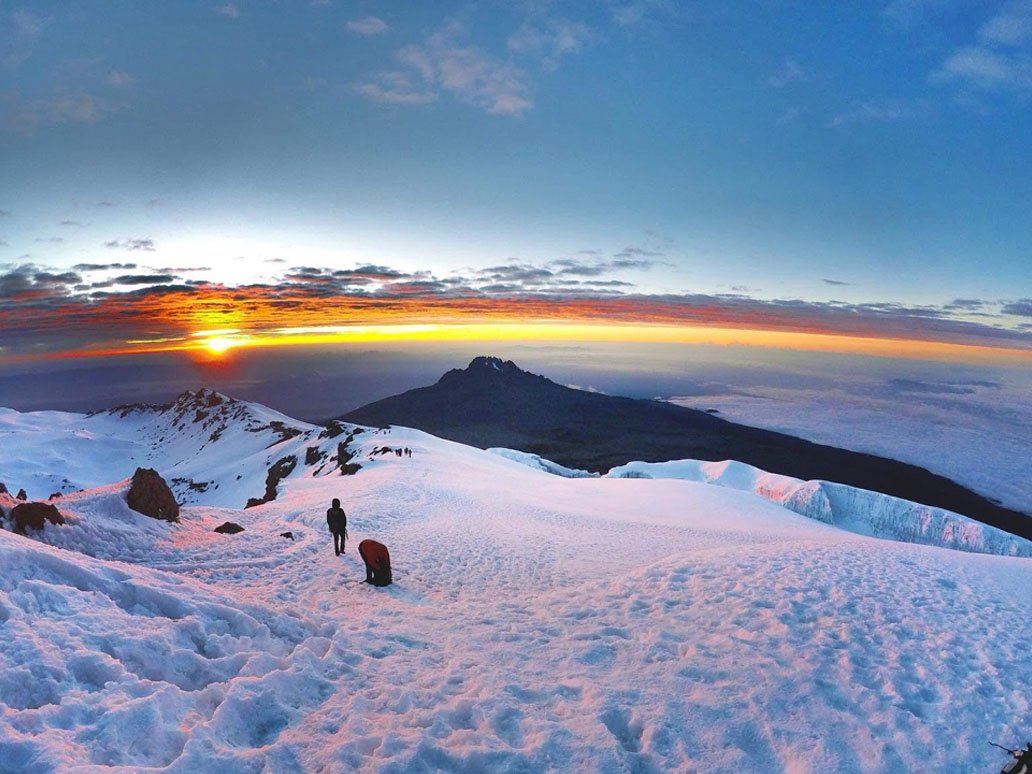
The most popular 6-day option climbs through lush rainforest on Day 1, then crosses the Shira Plateau with its volcanic cones. The Barranco Wall on Day 4 provides a thrilling scramble before the summit push from Barafu Camp. Top Guide Adventures adds extra acclimatization hikes on Days 2-3 to boost success chances.
Marangu Route Considerations
While Marangu’s huts (dormitory-style sleeping) appeal to some, the route’s steady incline and shorter acclimatization time lower success rates. It’s best suited for 2026-2027 travelers who prioritize basic comforts over scenery.
2026-2027 Pricing Breakdown
Kilimanjaro climbing costs depend on group size, operator quality, and inclusions. Budget operators cut corners on safety, so mid-range prices like $2,100-$2,600 per person ensure proper support:
- Park fees: $800-$1,100 (mandatory, based on days)
- Guides/porters: $50-$80/day per staff member
- Food/equipment: $300-$500
- Transfers: $100-$150 (Moshi/Arusha to gate)
Top Guide Adventures includes oxygen systems, medical checks, and high-ratio staffing (1 guide per 2 climbers) in their packages—key reasons they maintain high summit success rates.
Preparing for Your 6-Day Climb
Physical training should start 3-6 months early, focusing on:
- Stair climbing with a 10kg pack
- 4-6 hour weekend hikes
- Cardio (running, cycling) 3x weekly
Pack for all climates—from 30°C (86°F) at the gate to -20°C (-4°F) at Uhuru Peak. Essential gear includes broken-in hiking boots, thermal layers, a -10°C sleeping bag, and trekking poles. Top Guide Adventures provides a detailed packing list upon booking.
Why Book With Top Guide Adventures?
For 6-day Kilimanjaro climbs, Top Guide Adventures combines deep route knowledge with personalized attention. Their Tanzanian guides have 50+ summits each and train annually in wilderness first aid. Unlike larger operators, they keep group sizes small (max 6 climbers) and include “bonus” acclimatization hikes not found in standard itineraries.
Booking Your 2026-2027 Trek
Spaces fill 8-12 months ahead for prime seasons (January-March and June-October). Contact Top Guide Adventures via their website, WhatsApp +255616946642, or email topguideadventures@gmail.com to discuss custom dates or private group options. They offer flexible payment plans and detailed pre-climb briefings to ensure you’re fully prepared.
What Are the Real Acclimatization Challenges of a 6-Day Climb?
While a 6-day Kilimanjaro climb offers a good balance, it’s crucial to understand the acclimatization dynamics. The general rule for ascending Kilimanjaro is to go high and sleep low, but the pace of a 6-day itinerary means you’re moving relatively quickly. This is why choosing the right route and operator becomes even more critical. The Machame route, with its typical itinerary for a 6-day trek, allows for a more gradual ascent on the initial days, helping your body adjust to the thinning air. For instance, the sequence of Lemosho Glades to Shira 2 Camp, then Barranco Camp, involves significant elevation changes that, if managed correctly by experienced guides, aid acclimatization. Conversely, the Marangu route, often completed in 6 days, has a more direct ascent, which can increase the risk of altitude sickness due to less optimal acclimatization patterns. Operators like Top Guide Adventures understand these nuances deeply. They often build in specific acclimatization strategies, such as encouraging slow pacing (‘pole pole’), ensuring adequate hydration, and sometimes suggesting a short out-and-back hike from a higher camp to a slightly higher altitude before descending to sleep, a technique known as ‘climb high, sleep low’. This proactive approach is vital for a successful summit bid on a condensed 6-day schedule, making the expertise of your chosen operator paramount for your health and success in 2026-2027.
What Specific Gear Makes a Difference on a 6-Day Kilimanjaro Trek?
Beyond the standard packing list for any Kilimanjaro climb, certain gear choices can significantly enhance your comfort and safety on a 6-day trek, especially given the varying microclimates you’ll encounter. For your 6-day Kilimanjaro climbing tour, consider these specifics: high-quality, broken-in hiking boots are non-negotiable; blisters on a 6-day trek can be debilitating and hard to manage. Layering is key: invest in merino wool base layers (top and bottom) for their superior warmth and moisture-wicking properties, even when damp. A waterproof and windproof outer shell (jacket and trousers) is essential, as sudden downpours in the rainforest and biting winds at higher altitudes are common. Don’t underestimate the importance of a warm hat and gloves; at Uhuru Peak, temperatures can plummet well below freezing. Many climbers opt for a -10°C to -20°C (0°F to -4°F) rated sleeping bag, and renting one locally is an option if you don’t own one, though bringing your own ensures quality. Trekking poles are highly recommended; they reduce strain on your knees during descents and provide stability on uneven terrain. For summit night, a headlamp with extra batteries is crucial, as you’ll be hiking in darkness. Finally, while not strictly gear, high-energy snacks like nuts, dried fruit, and energy bars can provide vital fuel during long hiking days and the challenging summit push. Top Guide Adventures provides a comprehensive gear list, but focusing on these specific items will ensure you are well-prepared for the rigors of a 6-day climb.
How Do Guides Manage Altitude Sickness on a 6-Day Kilimanjaro Climb?
Altitude sickness (Acute Mountain Sickness or AMS) is the primary concern on any Kilimanjaro climb, and it’s particularly relevant for 6-day itineraries due to the faster pace. Experienced guides are your first line of defense. On a 6-day Kilimanjaro climbing tour, professional guides from reputable companies like Top Guide Adventures are trained to recognize the early symptoms of AMS, which can include headache, nausea, dizziness, and fatigue. They continuously monitor climbers throughout the day, observing their pace, breathing, and general well-being. A key strategy employed is ‘pole pole’ – walking slowly. This allows your body more time to acclimatize to the decreasing oxygen levels. Guides will also ensure you are drinking plenty of water, as dehydration can exacerbate AMS symptoms. If symptoms do appear, the guide’s immediate response is crucial. They will assess the severity and, if necessary, recommend medication (like Diamox, which should be discussed with your doctor before the trip) or, in more serious cases, order a descent. A 6-day itinerary might mean less room for recovery days, making the guide’s decisive action even more critical. Top Guide Adventures emphasizes a low climber-to-guide ratio, ensuring each climber receives attentive monitoring. Their guides are certified in wilderness first aid and carry comprehensive medical kits, including portable oxygen, to manage emergencies effectively. Choosing an operator that prioritizes safety and acclimatization protocols is non-negotiable for a successful and healthy 6-day climb.
What is the Real Impact of Porters and Guides on a 6-Day Kilimanjaro Trek?
The support crew on a 6-day Kilimanjaro climbing tour is fundamental to your experience and success. Porters are responsible for carrying the majority of the gear, including tents, food, cooking equipment, and your personal duffel bag (typically up to 15kg). This allows you to focus on walking and acclimatizing, carrying only a daypack with essentials like water, snacks, rain gear, and warm layers. A well-organized team ensures that campsites are set up efficiently before you arrive, providing a warm meal and a comfortable place to rest. The guides, however, are the leaders. They manage the daily itinerary, monitor your health and acclimatization, navigate the trails, and make critical decisions regarding safety. On a 6-day climb, their experience is even more vital due to the compressed timeframe. They must balance the need for progress with the imperative of acclimatization. Reputable companies like Top Guide Adventures adhere strictly to fair wages and ethical treatment of their porters and guides, which translates into a motivated and professional team. This ethical approach ensures that you have experienced, well-rested individuals supporting your climb, significantly increasing your chances of reaching the summit safely. Understanding the crew’s role helps appreciate the complexity and cost associated with a well-run Kilimanjaro expedition.
Detailed Comparison: 6-Day Machame vs. Marangu Routes
When selecting a 6-day Kilimanjaro climbing tour, the Machame and Marangu routes are the primary choices, each offering distinct experiences. The Machame Route (often called the ‘Whiskey Route’) is widely considered superior for a 6-day trek due to its superior acclimatization profile and varied scenery. Over the 6 days, it typically involves camping each night, allowing for a more in-depth mountain experience. The route ascends gradually through diverse ecological zones: lush rainforest, moorland, alpine desert, and arctic summit. Day 4 often features the challenging but rewarding Barranco Wall scramble, which, while physically demanding, helps with acclimatization. The success rate for Machame over 6 days is generally higher, estimated between 75-85%, thanks to its ‘climb high, sleep low’ opportunities. In contrast, the Marangu Route (the ‘Coca-Cola Route’) is the only one offering dormitory-style hut accommodation, which appeals to those seeking more comfort. However, its direct ascent and lack of significant ‘climb high, sleep low’ opportunities mean acclimatization is less optimal. The success rate for a 6-day Marangu climb is typically lower, around 60-70%. While it might seem easier due to the huts, the faster pace required to cover the distance in 6 days can be taxing, and the scenery, while pleasant, is less varied than Machame. For travelers in 2026-2027 prioritizing a higher chance of summit success and a more diverse trekking experience on a 6-day schedule, the Machame route is the recommended choice. Top Guide Adventures often customizes their 6-day Machame itineraries to further enhance acclimatization, making it an excellent option for this duration.
Beyond the Sticker Price: Unpacking Hidden Costs for 2026-2027 Climbs
While the base price for a 6-day Kilimanjaro climbing tour from operators like Top Guide Adventures typically ranges from $1,800 to $3,200, it’s essential to be aware of potential additional expenses. These ‘hidden’ costs can add up if not factored into your budget for 2026-2027. Firstly, tipping for guides, porters, and cooks is customary and expected. A general guideline is around $200-$300 per climber for the entire trek, distributed among the crew based on their roles. Secondly, personal gear can be a significant expense if you need to purchase everything from scratch. While some items like sleeping bags can be rented, investing in good quality hiking boots, thermal clothing, and waterproofs is often worthwhile. Thirdly, consider the cost of travel insurance that specifically covers high-altitude trekking and emergency medical evacuation – this is non-negotiable. Factor in the cost of visas for Tanzania and any necessary vaccinations recommended by your doctor. While most operators include meals on the mountain, you’ll need to budget for meals and drinks in hotels before and after your climb. Lastly, remember souvenirs and personal expenses in towns like Moshi or Arusha. By anticipating these additional costs, you can ensure a smoother financial experience for your 6-day Kilimanjaro adventure.
Why Operator Choice is Crucial for 6-Day Kilimanjaro Success
Selecting the right tour operator is arguably the most critical decision you’ll make when planning a 6-day Kilimanjaro climbing tour. The difference between a successful summit and a disappointing retreat often lies in the operator’s quality, safety protocols, and guide expertise. For a 6-day itinerary, where acclimatization is more compressed, this is amplified. Companies like Top Guide Adventures distinguish themselves by focusing on several key areas. They employ highly experienced, local Tanzanian guides who possess intimate knowledge of the mountain, weather patterns, and crucially, altitude sickness management. Their commitment to fair wages and good working conditions for their entire crew ensures a motivated and professional team, which directly impacts service quality and safety. Furthermore, reputable operators invest in quality equipment, including reliable tents, good quality food, and essential safety gear like portable oxygen systems and extensive medical kits. They also maintain a responsible guide-to-client ratio, ensuring personalized attention and prompt response to any issues. When comparing operators for your 2026-2027 trek, look beyond the cheapest price. Investigate their safety record, guide qualifications, crew welfare policies, and the specific acclimatization strategies integrated into their 6-day itineraries. A slightly higher investment with a top-tier operator like Top Guide Adventures can significantly increase your chances of a safe and successful climb.
Final Steps: Booking Your 2026-2027 6-Day Kilimanjaro Climb
With your chosen route and operator in mind, the final step is booking your 2026-2027 🔥 6-Day Kilimanjaro Climbing Tour. It’s advisable to book well in advance, especially for peak seasons which typically fall between January and March (dry, cooler) and June to October (dry, warmer). Aim to book at least 6-12 months ahead to secure your preferred dates and ensure availability, particularly if you are traveling with a group or have specific date requirements. When you contact operators like Top Guide Adventures, be prepared to discuss your fitness level, previous trekking experience, and any health concerns. They will guide you through the booking process, provide a detailed pre-departure information pack, and answer any remaining questions. Secure your spot by paying the required deposit, typically 20-30% of the total cost. The remaining balance is usually due a few weeks before your departure date. Don’t hesitate to ask about their cancellation and rebooking policies. Starting the booking process early allows ample time for physical training, gear acquisition, and necessary medical consultations, setting you up for a well-prepared and successful Kilimanjaro summit attempt.
Check Availability for 6-Day Kilimanjaro Climbing Tours: Best Routes & Planning Guide 2026-2027
Ready to compare dates, prices, and the best option for your group? Send the package name and travel month so the team can reply with a clear quote, availability, and what is included.
Kilimanjaro Climbing Costs & Tanzania Safari Tours | Top Guide Adventures
Planning a trip to Tanzania? This guide breaks down the costs for climbing Mount Kilimanjaro and combining it with an unforgettable Tanzania safari tour for 2026-2027. Learn about pricing...
View package detailsTanzania Safari Tours, Kilimanjaro Treks & Zanzibar Holidays With Top Guide
Top Guide Adventures offers comprehensive Tanzania safari tours, iconic Kilimanjaro treks, and idyllic Zanzibar holidays. Discover the best of East Africa with personalized itineraries...
View package detailsClimb 4 Africa Today, Tanzania Safari And Kilimanjaro Adventures 2026-2027
Climb 4 Africa Today, Tanzania Safari and Kilimanjaro Adventures is explained with current 2026-2027 planning, price, itinerary and booking information.
View package detailsDiscount Tanzania Treks And Affordable Safari Packages In 2026-2027
Discover how to plan discount Tanzania treks and affordable safari packages for your 2026-2027 adventure. This comprehensive guide covers budget-friendly options for iconic destinations...
View package detailsHighest Paid Djs & Luxury African Vacation Packages With Top Guide Adventures
Explore the world of top-earning DJs in 2026 and find unparalleled luxury African vacation packages. Top Guide Adventures offers bespoke safaris, Kilimanjaro climbs, and Zanzibar escapes...
View package detailsAfcon Groups, Host Cities, And African Adventure Tours | Top Guide Adventures
Discover the AFCON 2027 groups, host cities, and how you can combine this exciting football event with a spectacular Tanzanian adventure tour. Top Guide Adventures offers tailored safaris...
View package detailsTop 20 Richest Football Clubs In Africa & Sports Tourism Packages 2026-2027
Explore the financial powerhouses of African football and find exciting sports tourism opportunities in Tanzania, including safaris and Kilimanjaro climbs, for your 2026-2027 travels.
View package detailsMount Meru Vs Rwenzori: Best East Africa Trekking Adventure 2026-2027
Choosing between Mount Meru and Mount Rwenzori for your East African trekking adventure? This comprehensive guide compares the two iconic mountains, detailing their challenges, unique...
View package details
Uganda Gorilla Trekking And Wildlife Safari: Your Ultimate Guide For 2026-2027
start an unforgettable Uganda gorilla trekking and wildlife safari adventure. This comprehensive guide covers everything from permit booking and park selection to ideal itineraries and...
View package detailsNo related package matches those filters. Clear one or more filters to see the other topic-matched options.



